
Container Gardens
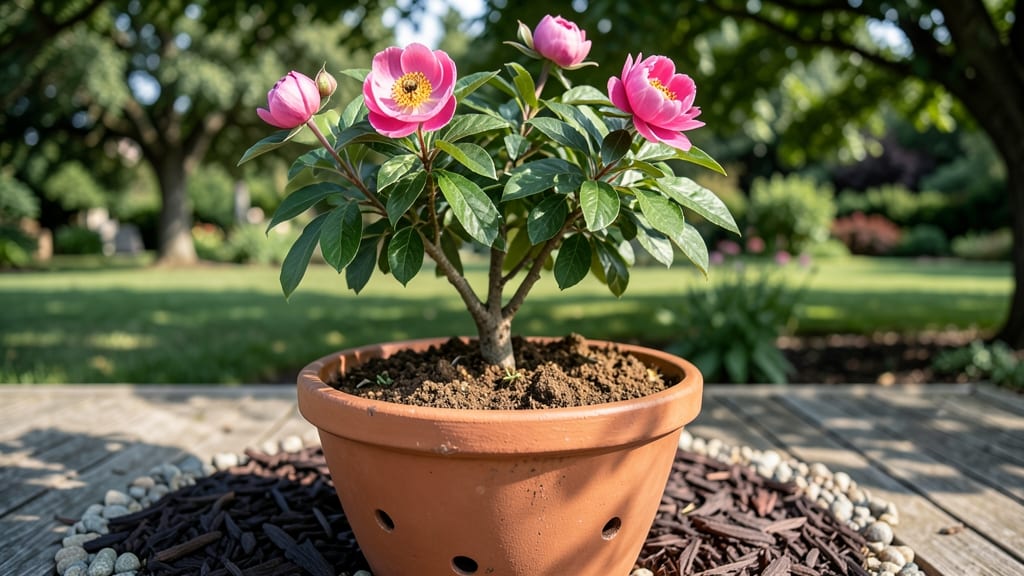
Growing tree peonies in pots lets you enjoy their stunning blooms without a yard—just a sunny spot and the right container. 🌸 I’ve kept mine thriving for years by mimicking their natural woodland habitat, and the secret lies in soil, drainage, and winter prep.
Unlike herbaceous peonies, these woody beauties need deeper pots and well-draining mix to prevent rot, but the payoff is bold, repeat-blooming flowers that outshine most container plants.
The right setup starts with a 15-20 gallon pot (tree peonies hate being root-bound) and a mix of 50% garden soil, 30% compost, and 20% perlite. Place it where it gets 6+ hours of morning sun—afternoon shade helps in hot climates.
Water when the top inch feels dry, but never let them sit in soggy soil. A mulch layer in summer keeps roots cool, while a breathable burlap wrap in winter protects against freezing temps.
With minimal pruning, you’ll get showstopping blooms that last from late spring into summer, and sometimes even a second flush in fall. The foliage stays lush, the stems grow sturdy, and you avoid the flopping common in herbaceous peonies.
My 10-year-old potted tree peony still puts on a better show than my in-ground herbaceous ones—all because I followed these simple rules.
Winter care is the only tricky part: move pots to a garage or unheated shed before frost, or wrap them in bubble wrap and straw.
Come spring, a light fertilizer boost in early March jumpstarts growth. No deadheading needed—just admire those cup-sized blooms and plan where to place the next one!
📚 In This Guide
- What you need
- Instructions
- Tips and common mistakes
- Wrapping up and next steps
What you need
- ● Ready to grow stunning tree peonies in pots? Here’s everything you’ll need to get started—whether you’re a seasoned gardener or a beginner! 🌿✨
- ● Pro tip: 💡 Ensure your pot has drainage holes! Tree peonies hate soggy roots—this is non-negotiable for their long-term health.
Step-by-step instructions for growing tree peonies in pots
With the right container and care, these stunning shrubs thrive in pots and reward you with dramatic blooms for decades.
🪴 Step 1: Select the Right Container and Drainage System
Choose a fiberglass or glazed ceramic pot at least 18 inches wide and deep—tree peonies need room for their thick roots. The 4 pots you’re using will each support one mature plant. Ensure the container has multiple drainage holes (at least 3) to prevent root rot, which is deadly for these woody plants. I line the bottom with 2 inches of gravel first, then add a layer of landscape fabric to keep soil from clogging the drainage.
Tree peonies despise soggy feet, so this setup mimics their natural well-draining soil. If your pots lack holes, drill them yourself—just be sure to use a ½-inch bit to avoid cracking the container. Place a saucer underneath to catch excess water, but empty it after 10 minutes to prevent the roots from sitting in standing water.
🌱 Step 2: Prepare the Soil Mix for Heavy Feeders
Fill each pot ⅔ full with a custom mix of 50% high-quality potting soil, 30% compost, and 20% perlite. Tree peonies are heavy feeders, so skip the cheap potting mix—it lacks the organic matter they crave. I sift the compost to remove large chunks, which can suffocate roots. Moisten the mix until it’s damp like a wrung-out sponge, but not dripping.
Press the soil down gently to eliminate air pockets, but don’t compact it—tree peonies need loose, aerated soil to thrive. Tap the pot’s sides lightly to settle the mix evenly. The 4 gallons of compost you’ve prepped will go a long way toward ensuring your peonies get the nutrients they need without frequent fertilizing.
☀️ Step 3: Plant the Tree Peony Bare-Root or in a Container
If planting bare-root peonies, soak the roots in lukewarm water for 2 hours before handling. Position the plant so the bud union (the swollen area where stems emerge) sits just below the soil surface—burying it too deep delays blooming, while planting too high risks stem rot. For container-grown peonies, dig a hole twice as wide as the root ball and place the plant at the same depth it was growing before.
Backfill with the remaining soil mix, pressing lightly around the roots to remove air gaps. Water deeply until it drains from the bottom holes, then let the pot sit for 10 minutes to absorb excess moisture. Mulch the surface with 2 inches of bark chips, keeping it 4 inches away from the stem to prevent rot. This mimics the forest floor where tree peonies naturally grow and helps retain moisture.
⏰ Step 4: Position for Sun and Water Strategically
Tree peonies need full sun (6+ hours daily) for the best blooms, but they tolerate morning sun with afternoon shade in hot climates. Place your pots where they’ll get at least 5 hours of direct sunlight—a south-facing patio or balcony works perfectly. If indoors, position them near a south-facing window with a grow light to supplement during winter.
Water deeply once a week in summer, letting the top 2 inches of soil dry out between waterings. Overwatering is the #1 killer of potted peonies—yellowing leaves or mushy stems mean you’re drowning the roots. In winter, reduce watering to every 3-4 weeks, only enough to keep the soil from drying completely. The 4 gallons of perlite in your mix helps regulate moisture, preventing both drought and rot.
✂️ Step 5: Minimal Pruning for Long-Term Health
Prune only after blooms fade in late summer. Cut back dead or crossing branches to a healthy bud or lateral branch, using clean, sharp pruners. Avoid heavy pruning—tree peonies bloom on old wood, so aggressive cuts reduce next year’s flowers. Remove only the spent blooms (deadheading) to encourage more flowers, but leave the foliage until it yellows naturally in fall.
In early spring, remove any dead or damaged stems at the base. Apply a slow-release fertilizer (like 10-10-10) in early March to fuel new growth. The 4 peonies you’re growing will reward you with larger, more abundant blooms each year if you skip the urge to prune heavily. Real talk: Less pruning = more flowers for these dramatic shrubs.
Tips & tricks for perfect tree peony pots
Here's what I've learned after years of growing these showstopping plants in containers—these details make all the difference.
Container Selection: While fiberglass or glazed ceramic pots are ideal, you can also use plastic pots with drainage holes if those are more affordable. The key is avoiding metal containers, which can overheat roots in summer. I've seen tree peonies thrive in 18-inch fiberglass pots for over a decade—just make sure the material doesn't retain too much heat. For colder climates, consider adding a thick layer of insulation like bubble wrap around the pot sides during winter to protect roots from freezing.
Soil Preparation Insight: That 50-30-20 soil mix is non-negotiable for heavy feeders like tree peonies, but here's the secret: add 1 tablespoon of mycorrhizal fungi to each pot before planting. This beneficial fungus helps roots absorb nutrients more efficiently, which translates to bigger blooms. You can find it in powder form at garden centers—just sprinkle it over the roots before backfilling with soil. The 20% perlite in your mix also prevents compaction, which is crucial since tree peonies hate having their roots suffocated.
Planting Depth Visual: Getting the bud union depth right is critical—here's how to do it perfectly. After placing your bare-root peony in the pot, fill with soil until you can just see the top of that swollen bud union. If you bury it too deep (more than 2 inches below soil), you'll delay blooming for years. Too shallow (more than 1 inch above soil) risks stem rot. Think of it like planting a potato—just below the surface is perfect. The 2-hour root soak before planting also helps prevent transplant shock, especially if you're working with dormant bare-root plants.
Winter Care Strategy: When winter arrives, move your pots to a location where they'll get at least 3 hours of sunlight daily—even indoor windowsills work if you supplement with grow lights. The every 3-4 weeks watering in winter is about maintaining moisture, not drowning the roots. I've found that wrapping pots in burlap sacks during freezing temps adds an extra layer of protection. And here's a pro move: if you notice leaves yellowing in winter, it's often from overwatering—let the soil dry out completely between waterings during this dormant period.
Pro Tips for Tree Peony In Pots
- Here's what I've learned after years of growing these showstopping plants in containers—these details make all the difference.
- Container Selection: While fiberglass or glazed ceramic pots are ideal, you can also use plastic pots with drainage holes if those are more affordable.
- Soil Preparation Insight: That 50-30-20 soil mix is non-negotiable for heavy feeders like tree peonies, but here's the secret: add 1 tablespoon of mycorrhizal fungi to each pot before planting.
Frequently asked questions
Got questions about growing tree peonies in pots? You’re not alone! Here are some of the most common concerns—and their solutions—to help you keep your container-grown peonies thriving year after year.
How do I choose the right pot for a tree peony?
Opt for a large, sturdy container (at least 18–24 inches wide and deep) with drainage holes. Tree peonies have tuberous roots that need space to spread—plastic or ceramic pots work, but avoid shallow planters. Terracotta helps with moisture control, while fiberglass resists cracking in freezing temps.
Can tree peonies survive winter in pots?
Yes, but they need protection! Move pots to a sheltered spot (like a garage or against a wall) before temps drop below 20°F (-7°C). Wrap the pot in burlap or use a mulch blanket to insulate roots. In Zone 5 or colder, consider lifting and storing the plant in a cool, dark place with barely moist soil.
Why isn’t my potted tree peony blooming?
Blooms often lag due to overcrowded roots or poor light. Ensure your peony gets 6+ hours of sunlight daily and divide clumps every 3–4 years to refresh growth. Underfeeding can also stunt flowers—use a balanced fertilizer (10-10-10) in early spring. Patience is key! Tree peonies may take 2–3 years to fully establish in pots.
How often should I water a potted tree peony?
Water when the top 2 inches of soil feel dry (about once a week in summer, less in winter). Overwatering causes root rot, so avoid soggy soil—pots dry out faster than ground beds. Mulch the surface with straw or bark to retain moisture and regulate temps. Pro tip: Use a self-watering pot for busy gardeners!
What’s a good alternative if tree peonies are hard to find?
Try these low-maintenance, long-blooming container stars:
- Herbaceous peonies (smaller, but prolific blooms in spring).
- Dwarf Japanese maples (compact, colorful foliage).
- Camellias (evergreen, winter-blooming, and pot-friendly!).
- Hydrangeas (thrive in containers, offer seasonal color shifts).
All tolerate pruning and add vertical interest like tree peonies!
Wrapping up and next steps
Growing tree peonies in pots is a rewarding way to enjoy their stunning blooms year-round with minimal fuss! With the right container, soil, and a little care, you’ll create a thriving, low-maintenance centerpiece for your garden or patio.
Whether you’re a seasoned gardener or just starting out, these hardy beauties make it easy to bring nature’s elegance into any space.
Ready to transform your outdoor area? Start by selecting your pot and soil mix—then give your tree peony the love it deserves. Happy planting! 🌸