
Pruning
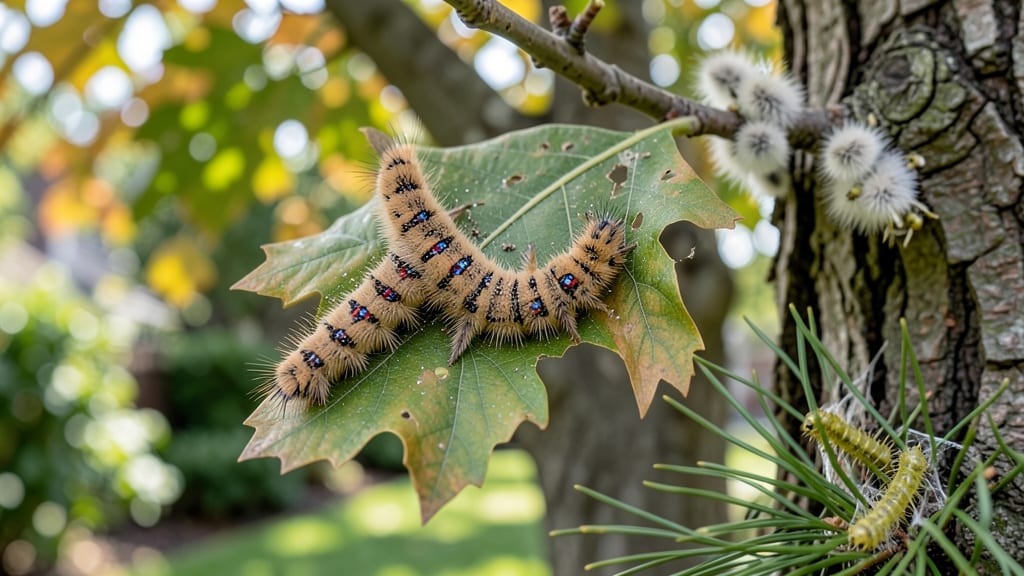
Tree insects identification early saves your trees from irreversible damage. 🌳 I've spent years watching my oak and maple trees transform from lush canopies to skeleton branches—all because I ignored the first signs of infestation. The key is learning the subtle differences between chewing insects, sap-suckers, and boring pests before they become a full-blown crisis.
Start by examining leaves, bark, and new growth for specific patterns: aphids leave sticky residue, borers create D-shaped exit holes, and caterpillars skeletonize foliage. Adult insects often hide under bark or on undersides of leaves, but their damage tells the story.
A simple magnifying glass and this guide will help you spot the culprits before they spread.
Once you know what you're dealing with, you can act fast—whether that means blasting aphids with water, applying neem oil for caterpillars, or calling in a professional for borer infestations. Prevention is easier than cure: regular inspections and healthy soil keep trees resilient against pests.
This isn't about fear—it's about empowerment. With the right knowledge, you can protect your trees year after year, turning potential disasters into simple, manageable fixes. Let's get started with the visual clues that matter most.
Root Causes of Tree Insect Infestations
Understanding why insects target trees is the first step to preventing or managing infestations. Trees aren’t just randomly attacked—they’re lured by specific conditions that make them vulnerable. Below, we break down the key reasons pests invade trees, from environmental factors to tree health issues.
Insects often attack trees that are already stressed or compromised. A healthy tree’s natural defenses—like bark, resin, and chemical signals—can repel pests, but when these systems fail, insects move in like opportunists.
- Nutrient Deficiencies: Trees lacking essential nutrients (e.g., nitrogen, potassium, or magnesium) produce weaker bark and foliage, making them easier targets. Example: Yellowing leaves or stunted growth can signal poor health, attracting sap-sucking insects like aphids or scale.
- Water Stress: Overwatering or drought weakens a tree’s ability to produce protective compounds. Example: Bark beetles exploit drought-stressed pines, as their weakened resin flow can’t trap or kill the insects.
- Physical Damage: Cuts, cracks, or broken branches create entry points for boring insects (e.g., emerald ash borers or carpenter ants). Even storm damage can leave trees exposed for years.
💡 Pro Tip: Conduct a soil test and prune properly to reduce stress. Mulch correctly (2–4 inches deep, away from the trunk) to retain moisture without suffocating roots.
Insects don’t invade trees randomly—they’re drawn by specific environmental cues. Climate, landscape, and even human activity can turn a tree into a pest buffet.
| Factor | How It Attracts Insects | Common Culprits |
|---|---|---|
| 🌡️ Warm Climates | Higher temperatures speed up insect metabolism, increasing reproduction rates. Mild winters allow pests to survive longer. | Gypsy moths, Japanese beetles, bark beetles |
| 🌧️ High Humidity | Moisture softens bark and foliage, making it easier for insects to bore or feed. Fungal growth (often linked to humidity) also attracts pests. | Aphids, sawflies, fungus gnats |
| 🏡 Urbanization & Landscaping | Compacted soil, artificial lighting, and monoculture plantings (e.g., all ash trees in a row) create ideal conditions for outbreaks. | Emerald ash borers, Asian longhorned beetles |
| 🌳 Monoculture Plantings | Large groups of the same tree species provide easy access and abundant food for specialized pests. | Balsam woolly adelgids (fir trees), pine beetles |
🌡️ Actionable Fix: Diversify your landscape with native, pest-resistant species. Install tree wraps on young trees to deter bark-chewing insects during dry spells.
Some insects don’t choose trees—they’re brought in by other organisms. Others exploit trees that already host their prey or food sources.
- 🐜 Hitchhiking Pests: Insects like spider mites or mealybugs arrive on nursery stock, firewood, or even clothing. Example: The hemlock woolly adelgid spreads via wind or birds but thrives where hemlocks are already stressed.
- 🍄 Fungal & Microbial Partners: Some beetles (e.g., ambrosia beetles) farm fungi inside trees, creating galleries where they lay eggs. The fungus feeds the larvae.
- 🐝 Pollinator Conflicts: Trees flowering heavily may attract Japanese beetles or tent caterpillars, which then defoliate the tree once pollination is done.
✨ Prevention Tip: Inspect new plants before planting and avoid moving firewood long distances (a major spreader of bark beetles). Use beneficial insects (like ladybugs) to control aphid populations naturally.
By addressing these root causes—whether through tree care practices, landscaping adjustments, or early pest monitoring—you can drastically reduce the risk of infestations before they become unmanageable.
Practical ways to treat tree pests
Once you’ve identified the culprits wreaking havoc on your trees, it’s time to act! The good news is that most tree insect issues can be managed with targeted, eco-friendly solutions. Below, we’ve mapped common pests to their fixes—plus prevention tips to keep your trees thriving long-term.
---
Fix: These tiny sap-suckers multiply fast, but they’re easy to evict. - 🔥 Blast Them Off: Use a strong stream of water from a hose to knock them off leaves and branches. - 🍳 Soapy Spray: Mix 1 tsp mild dish soap with 1 quart water in a spray bottle. Apply directly to infested areas (test on a small leaf first). - 👨🍳 Natural Predators: Ladybugs and lacewings love aphids—encourage them by planting marigolds or dill nearby.
💡 Prevention Tip: Healthy trees resist aphids better. Fertilize in early spring and prune to improve airflow.
---
Fix: These wood-boring pests weaken trees by tunneling under the bark. Act fast! - 🔪 Prune Infested Branches: Cut and destroy (don’t compost!) branches with sawdust piles or tiny holes. - 🌡️ Heat Treatment: For severe infestations, professional heat treatments can kill larvae without chemicals. - 🎯 Tree Health Boost: Water deeply during droughts—stressed trees attract beetles.
✨ Pro Tip: Wrap tree trunks with beetle traps (burlap bands) in early summer to monitor activity.
---
Fix: These caterpillars can strip a tree bare overnight. Here’s how to stop them: - 🥘 Bt Spray: Apply Bacillus thuringiensis (Bt)—a natural bacteria that kills caterpillars but is safe for humans and pets. - 🔪 Manual Removal: Drop caterpillars into soapy water (wear gloves—they sting!). - 🌳 Trap Trees: Plant a sacrificial tree (like a young apple tree) far from your landscape to lure them away.
💡 Prevention Tip: Remove egg masses from tree trunks in late fall/winter (they look like gray fuzzy blobs).
---
Fix: These chewers leave behind lace-like leaf damage. Try these fixes: - 🍳 Neem Oil Spray: Mix 1 tbsp neem oil with 1 quart water and spray infested areas (reapply every 7–10 days). - 👨🍳 Handpick Larvae: Drop them into soapy water—easy if infestations are small. - 🌿 Beneficial Nematodes: Soil-dwelling microbes that attack larvae (apply in early spring).
🎯 Long-Term Fix: Keep grass short around trees—sawflies love tall grassy areas.
---
Fix: Their webs are unsightly, but they’re harmless to trees. Still, you can remove them: - 🔪 Prune & Burn: Cut webs off in early spring before caterpillars hatch (wear gloves—they’re fuzzy!). - 🥘 Dormant Oil Spray: Apply in late winter to smother egg masses. - 🌳 Avoid Over-Pruning: Healthy trees handle them better—prune only dead/diseased branches.
💡 Prevention Tip: Shake webs into a bucket of soapy water to prevent reinfestation.
--- No matter the pest, healthy trees are resilient.
Follow these year-round tips: - 💧 Water Deeply: 1–2 inches per week (more in droughts). - 🌿 Mulch Properly: 2–4 inches of mulch (keep it away from the trunk). - 🪓 Prune Smart: Remove dead/diseased branches in late winter/early spring. - 🔍 Inspect Regularly: Check for early signs (holes, frass, webs) every 2–3 months.
--- ⚠️ When to Call a Pro: If you spot large-scale dieback, oozing sap, or honeydew buildup, consult an arborist. Some pests (like emerald ash borers) require professional intervention.
Now that you’ve got the tools, roll up your sleeves—your trees will thank you! 🌳💚
Frequently asked questions
What's the fastest way to identify tree insects without a microscope?
Look for three key clues: damage patterns, frass (insect droppings), and adult insects. Aphids leave sticky honeydew, caterpillars create lace-like holes, and borers produce D-shaped exit holes in bark. Use a magnifying glass (10x) to spot tiny eggs or larvae on leaf undersides.
How do I tell if my tree has a borer infestation?
Check for sawdust-like frass around holes, oozing sap, or wilting branches despite healthy roots. Tap suspicious branches—if they sound hollow, larvae are likely tunneling inside. Look for D-shaped holes (borers) vs. round holes (woodpeckers).
Are all tree insects harmful?
No! Many insects are beneficial—like ladybugs that eat aphids or beetles that pollinate flowers. Only about 10% of tree insects are pests. Focus on those causing visible damage (yellowing leaves, holes, or sticky residue) rather than every tiny bug you see.
Can I use the same treatment for all tree pests?
Absolutely not—different pests need different solutions. For example, neem oil works for caterpillars but won't stop borers. Always match the treatment to the damage type (e.g., systemic insecticides for borers vs. soapy water for aphids).
What's the best time of year to inspect trees for pests?
Inspect trees twice a year: early spring (before leaves emerge) and late summer (when pests are most active). This catches early signs of infestation—like egg masses or fresh frass—before they spread. Avoid inspecting after heavy rain when insects hide.