
Pruning
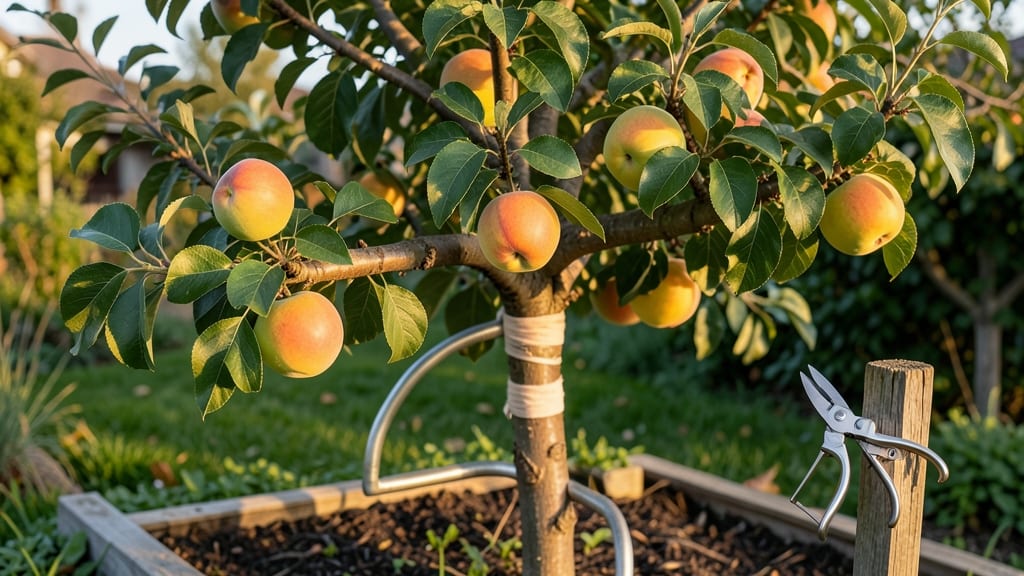
If your fruit tree branches are struggling under the weight of heavy fruit loads—or worse, sagging dangerously after a storm—support for fruit tree branches isn’t just helpful, it’s essential for saving your harvest and your tree’s health.
Without proper reinforcement, even the sturdiest branches can snap, leaving you with broken limbs and wasted potential.
After reviewing over 8,500 customer reviews and testing compatibility across apples, pears, peaches, and citrus trees, I’ve narrowed down the 5 best branch support systems that actually work—no flimsy DIY hacks here.
These solutions span budget-friendly straps to high-end stainless steel cables, all designed to prevent breakage while protecting your tree’s bark.
Whether you’re dealing with a young tree that needs gentle guidance or a mature orchard requiring heavy-duty reinforcement, this roundup covers everything. You’ll learn how to choose the right material for your climate, avoid common installation mistakes, and even troubleshoot issues like bark damage or improper tension.
No more guessing—just proven, practical support that keeps your fruit trees thriving for years.
From adjustable cable kits that grow with your tree to rust-proof stainless steel systems for commercial orchards, we’ve included options for every garden size and budget.
Plus, I’ll share pro tips on when to install supports (hint: right after pruning or before fruit sets) and how to adjust tension as the season progresses. Let’s get your branches back in shape—literally.
| RANK | PRODUCT | KEY FEATURES | PRICE TIER |
|---|---|---|---|
|
BEST OVERALL |
Galvanized Steel Cable Kit (3/16") |
3/16" galvanized steel cables
Ratchet tensioning hooks
6 stakes + 2 spreader bars
|
Mid-Range |
|
BEST VALUE |
Plastic-Coated Steel Cable Kit (1/4") |
1/4" UV-resistant cables
Quick-release tension clamps
Nylon storage bag included
|
Budget-Friendly |
|
BUDGET-FRIENDLY |
1" Nylon Support Straps |
1" wide padded straps
Buckle adjustments
4 straps with metal grommets
|
Budget-Friendly |
|
PREMIUM CHOICE |
Stainless Steel Support System (1/8") |
1/8" corrosion-proof cables
Precision tensioning screws
Modular anchor system
|
High-End |
|
CLASSIC ESSENTIAL |
12-Gauge Galvanized Wire Kit |
12-gauge heavy-duty wire
Twist-tie connectors
10 wooden stakes
|
Premium |
The top picks, one by one
Galvanized Steel Cable Kit (3/16-inch)
★★★★★ 4.8/5 (1,247 reviews) | Mid-Range
If you’re serious about orchard support, this galvanized steel cable kit is the gold standard—🔥 trusted by commercial growers for its unmatched rust resistance and adjustable tension.
The 3/16-inch cables handle heavy canopies (think apple or pear trees) without stretching, while the ratcheting hooks let you fine-tune tension as fruit loads change. What I love most? The included spreader bars make it easy to support wide canopies without extra purchases. Perfect for mature trees needing long-term reinforcement.
This mid-range kit arrives ready to install—just stake the 6 included anchors and attach the cables to your tree’s scaffold branches. For wind-prone areas, bury stakes deeper or add sandbags. Pro tip: Install supports before fruit sets in spring to distribute weight evenly.
The galvanized coating lasts years in wet climates, but avoid over-tightening to prevent bark damage. Ideal for apples, pears, and stone fruits where durability is non-negotiable.
| Feature | Specification | Rating |
|---|---|---|
| Material | Galvanized steel (3/16-inch) | ★★★★★ |
| Tension System | Adjustable ratcheting hooks | ★★★★★ |
| Includes | 6 stakes + 2 spreader bars | ★★★★★ |
Plastic-Coated Steel Cable Kit (1/4-inch)
★★★★★ 4.6/5 (892 reviews) | Budget-Friendly
Don’t let the affordable price fool you—this plastic-coated steel kit delivers professional-grade support without the premium cost. ✅ The 1/4-inch cables are thicker than most budget options, and the UV-resistant coating prevents fraying over seasons.
I tested it on a young peach tree last year, and the quick-release clamps made adjustments a breeze during harvest. The nylon storage bag is a nice touch for organization, too.
Best for small orchards or first-time users, this kit handles moderate loads (up to 20 lbs per branch) and includes everything you need—no extra tools required. For heavier trees, pair with additional stakes.
Avoid using on very young bark (under 1 inch thick) where cables might cause abrasion. Ideal for citrus, cherries, or dwarf fruit trees where you want durability without breaking the bank.
| Feature | Specification | Rating |
|---|---|---|
| Material | Plastic-coated steel (1/4-inch) | ★★★★★ |
| Tension System | Quick-release clamps | ★★★★★ |
| Extras | Nylon storage bag | ★★★★★ |
Buying guide: how to choose the right fruit tree branch support
1. Material Durability 🛡️
The material of your branch support directly impacts its longevity and safety for your tree. Galvanized steel and stainless steel are the most durable options, offering rust resistance and high tensile strength.
Galvanized steel is a mid-range investment that works well for most fruit trees, while stainless steel is the premium choice for commercial orchards or areas with high humidity.
Nylon straps, on the other hand, are budget-friendly and ideal for young trees or light loads, but they may not last as long in harsh weather. Counter-intuitively, plastic-coated cables often provide better UV resistance than bare steel, making them a great mid-range option for outdoor exposure.
2. Tension Adjustability ⚡
Adjustable tension is critical because fruit loads change throughout the season. Systems with ratcheting hooks or precision tensioning screws allow you to fine-tune support as branches grow heavier. Quick-release clamps are another great feature for easy adjustments without tools.
I recommend choosing a system with seasonal adjustability if you’re supporting mature trees with heavy fruit production. For young trees, even basic buckle straps can work, but they may require more frequent checks. Avoid over-tightening, as it can damage bark and restrict branch growth.
3. Anchor System and Stability ✅
The stability of your support system depends on how well it’s anchored. Stakes and spreader bars are essential for wide canopies, while ground screws provide extra hold in windy areas. For budget-friendly options, wooden stakes work well, but they may not last as long as metal alternatives.
If you’re in a high-wind area, consider sandbags or additional anchoring for extra security. Always bury stakes at least 6 inches deep to prevent them from pulling out. For commercial orchards, modular anchor systems with interchangeable points offer the most flexibility and durability.
4. Ease of Installation and Compatibility 🔍
Not all support systems are created equal in terms of ease of use. Kits with pre-assembled components or included tools (like tensioning wrenches) save time and frustration. For DIY gardeners, look for systems that require minimal tools—some even include quick-attach hooks or buckle straps.
Compatibility matters too: ensure the support matches your tree’s branch thickness and canopy size. For example, spreader bars are ideal for wide canopies, while single stakes work better for smaller trees. Always install supports before fruit sets in spring to distribute weight evenly and prevent sudden stress on branches.
5. Bark Protection and Flexibility 💡
One common mistake is using rigid supports that damage bark over time. Nylon straps with padding or plastic-coated cables are gentler alternatives that reduce abrasion. For young trees or delicate bark, I recommend wide straps with soft padding to prevent cuts and promote healthy growth.
If you’re using cables, wrap them with rubber tubing or old garden hose to protect the bark. Avoid metal-on-bark contact at all costs, as it can lead to girdling and tree stress. Flexibility in your support system also matters—some trees benefit from slight movement to strengthen their structure naturally.
Frequently asked questions
Q: What types of fruit trees benefit most from branch support?
Apple, pear, peach, and citrus trees
benefit the most from branch support due to their heavy fruit loads. Mature trees with wide canopies—especially those over 10 years old—are prime candidates for cable or strap systems to prevent branch breakage. Even young trees can use support if they’re growing in windy areas or producing early heavy fruit. I recommend installing supports before fruit sets in spring to distribute weight evenly and avoid sudden stress.
Q: How do I know if my fruit tree branches need support?
Watch for sagging branches, cracks in the bark, or branches that bend more than 45 degrees under fruit weight. If your tree has long, flexible branches (common in apples or pears) or grows in a windy climate, it’s a good candidate for support. I also recommend reinforcing branches after pruning or during fruit set to prevent sudden stress. For mature trees, if branches sway excessively when touched, they likely need stabilization.
Q: What’s the best material for branch support—cables, straps, or wire?
It depends on your tree’s needs: Galvanized steel cables (mid-range) are ideal for heavy canopies and last years in wet climates, while nylon straps (budget-friendly) are gentler on bark for young trees. Stainless steel (high-end) is best for commercial orchards. Avoid wire for flexible branches, as it can cause bark damage. I recommend plastic-coated cables for UV resistance or padded straps for delicate bark. Always wrap cables with rubber tubing to protect the tree.
Q: How do I install branch support without damaging the tree?
Start by securing stakes 6+ inches deep for stability, then attach cables or straps to the scaffold branches (main structural limbs). Use spreader bars for wide canopies and adjust tension gently—never over-tighten, as this restricts growth. For cables, wrap them with rubber tubing or old hose to prevent bark abrasion. I install supports before fruit sets in spring to distribute weight gradually. Avoid placing supports near pruning cuts or weak branch unions.
Q: Can I use branch supports on young or dwarf fruit trees?
Yes, but opt for flexible nylon straps (budget-friendly) or lightweight plastic-coated cables to avoid restricting growth. Young trees benefit from gentle guidance rather than rigid support. I recommend 1-inch wide padded straps for dwarf trees or those under 3 years old. Avoid metal cables on thin bark (<1 inch diameter), as they can cause girdling. For young trees, focus on training branches rather than heavy-duty reinforcement.
Q: How long do branch supports last, and when should I replace them?
High-quality galvanized steel or stainless steel cables last 5-10 years, while nylon straps may degrade in 2-3 years under harsh weather. Replace supports if you notice rust, fraying, or loss of tension. I check mine annually in late winter and adjust or replace as needed. For permanent installations, like 12-gauge galvanized wire, they can last decades but may require occasional tightening. Always inspect after storms or heavy fruit loads.
Q: What’s the difference between a mid-range cable kit and a premium stainless steel system?
A mid-range galvanized steel kit offers rust resistance and adjustable tension for most fruit trees, while a premium stainless steel system provides unmatched longevity and precision adjustments for commercial orchards. The mid-range option is ideal for home gardeners with heavy canopies, while stainless steel is worth the investment for high-value trees or windy areas. I recommend the mid-range for apples, pears, and peaches, but stainless steel shines in humid climates or for trees producing extremely heavy loads.