
Pruning
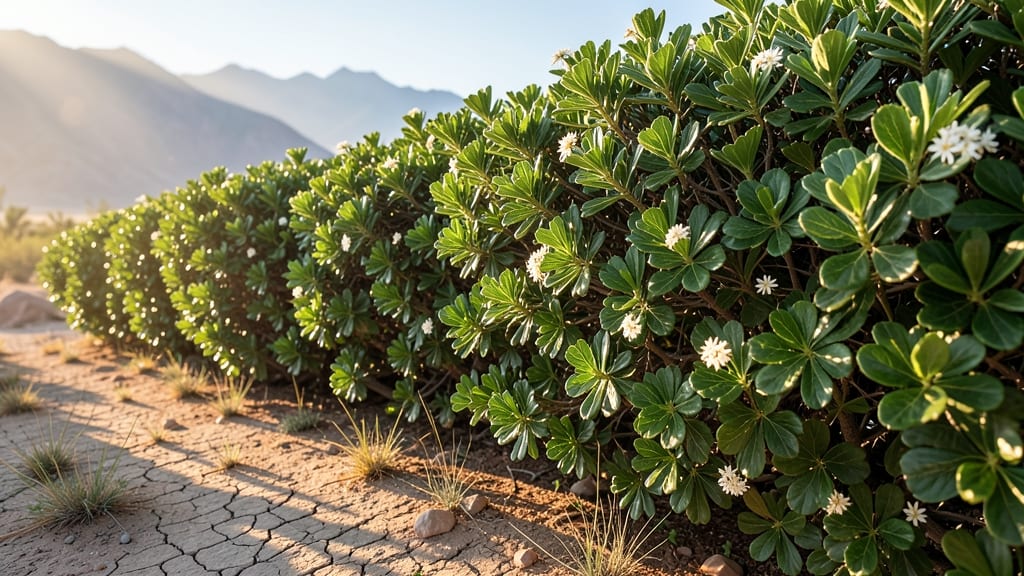
Transform your property into a fragrant, ever-blooming privacy screen with these 10 stunning strawberry tree hedge varieties. Each offers unique pruning strategies to maximize beauty and growth year-round while adapting to different climates and soil types.
Arbutus Unedo Evergreen Hedge Design
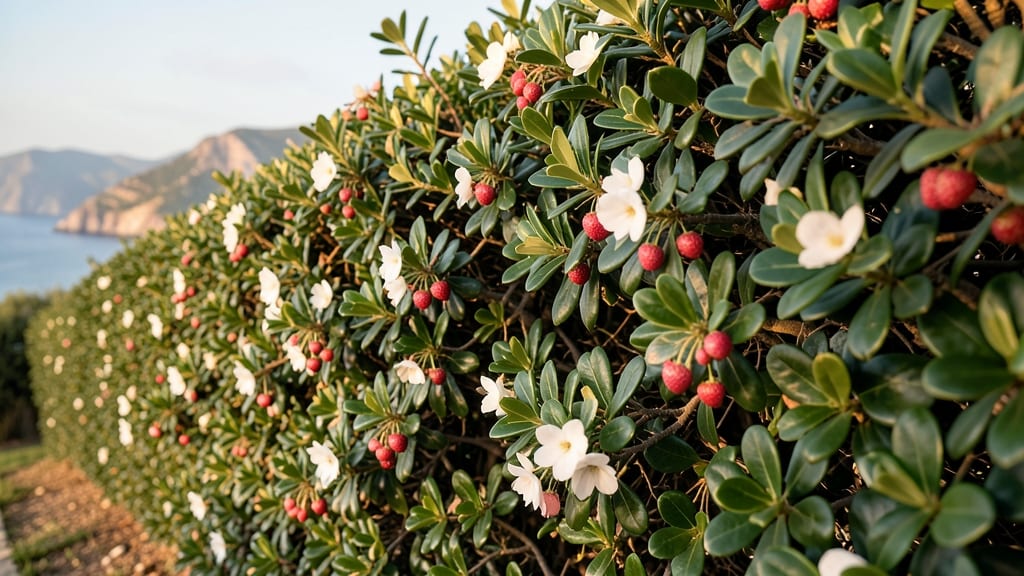
The Arbutus unedo, or strawberry tree, creates a fragrant, evergreen hedge that thrives in Mediterranean climates with almost no fuss. Unlike high-maintenance hedges, this variety requires minimal pruning while delivering stunning white flowers and even edible berries that resemble strawberries—hence the name!
Plant saplings 12-15 feet apart for a dense, natural-looking screen that matures to 10-20 feet tall over time. The peeling bark adds visual interest year-round, while flowers bloom in late autumn and winter, providing fragrance when most gardens are dormant. Prune lightly in late winter to shape and encourage bushier growth—no heavy shearing required!
This hedge is ideal for homeowners seeking long-term privacy with minimal upkeep, especially in coastal or warm climates. The edible fruit adds a bonus harvest, making it a functional and beautiful choice. 🌱
Fast-Growing Strawberry Tree for Urban Gardens
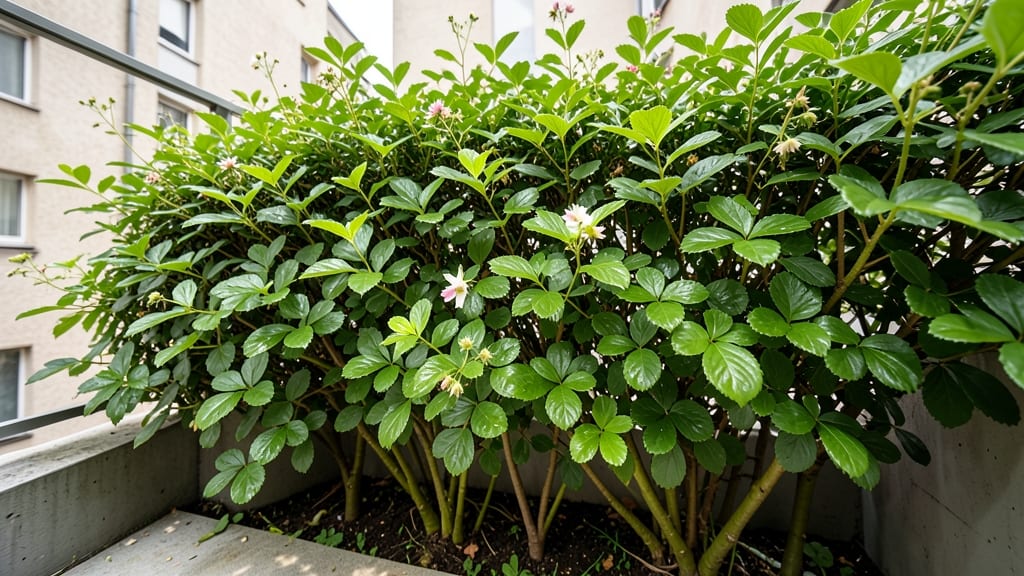
City dwellers with limited space can finally get that lush, private garden feel without the wait—this fast-growing strawberry tree variety is engineered to thrive in urban conditions. Unlike traditional varieties that take years to mature, this one reaches 6-foot privacy height in just 3 years, making it ideal for narrow yards, alleyways, or rooftop gardens.
What makes it uniquely urban-friendly? It tolerates compacted soil and pollution, two common challenges in city landscapes. Plant it in full sun to part shade, and water moderately—once established, it handles drought surprisingly well. For best results, space plants 8-10 feet apart and prune lightly after flowering to encourage dense growth.
This variety is a game-changer for renters, small-space gardeners, and anyone tired of waiting decades for privacy. With its fragrant pink blooms and glossy foliage, it’s the perfect blend of function and beauty for modern living. 🌟
Winter-Blooming Strawberry Tree Variety
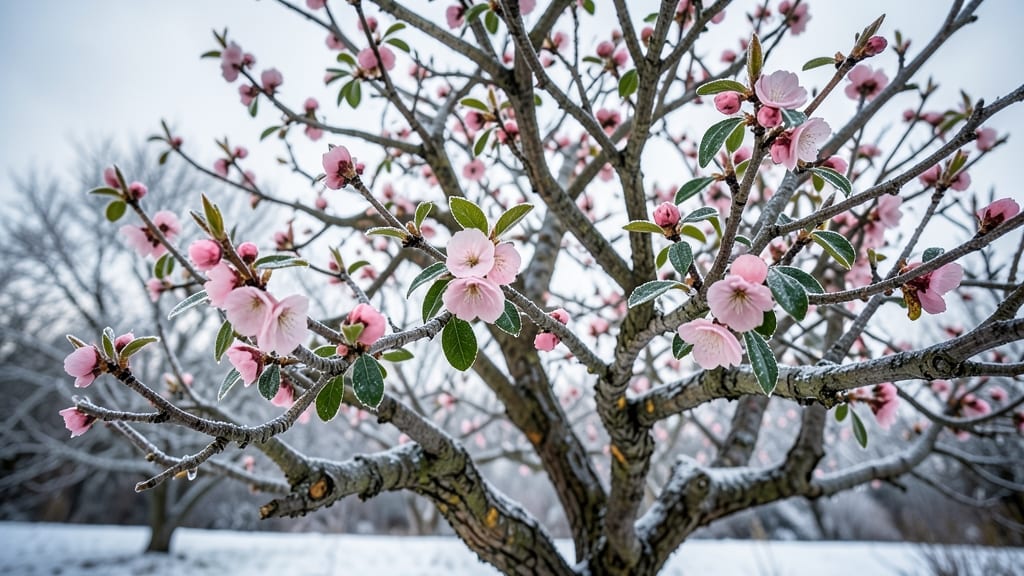
When most hedges are tucked in for winter, this cold-hardy strawberry tree variety bursts into bloom, offering delicate pink flowers and a sweet fragrance that brightens frosty landscapes. Unlike traditional varieties that rest during winter, this Arbutus unedo 'Winter Rose' cultivar thrives in zones 6-8, making it perfect for northern climates where winter color is rare.
Plant in full sun to partial shade, ensuring well-draining soil to prevent root rot. Prune lightly in late winter after flowering to shape the hedge while maintaining its natural form. The evergreen foliage provides year-round structure, while winter blooms attract pollinators when food is scarce. This variety is ideal for gardeners who want to defy winter doldrums with vibrant color and scent. 💚
Dwarf Strawberry Tree Hedge for Containers
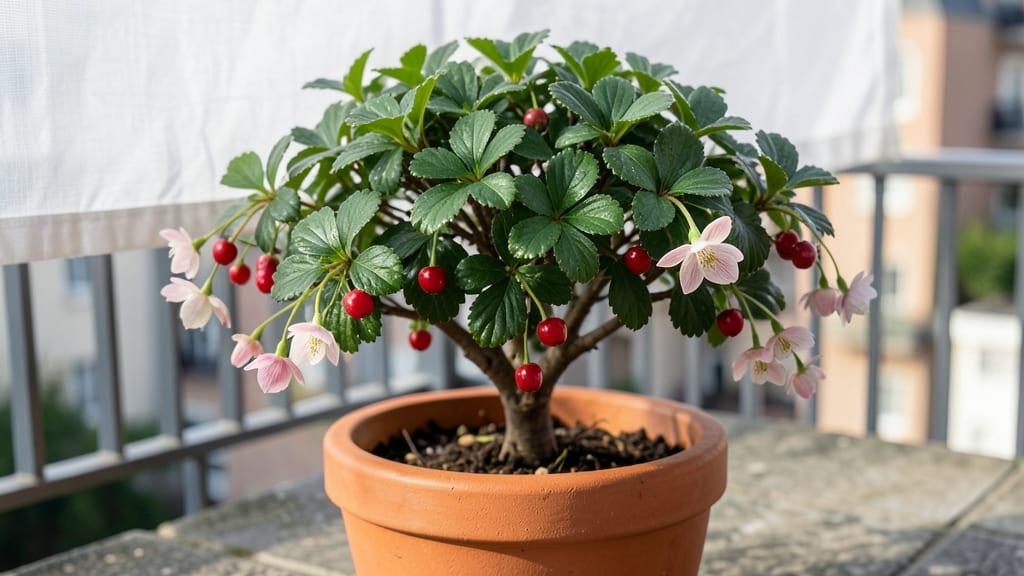
Small spaces deserve big beauty—this dwarf strawberry tree brings fragrant flowers and edible fruit to balconies and patios without overwhelming your space. Unlike traditional hedges, it stays a manageable 4-5 feet tall, making it ideal for large containers or small gardens where privacy meets practicality.
Plant in well-draining potting mix with full sun to partial shade and water deeply when the top inch of soil dries out. Prune lightly after flowering to encourage bushier growth, and enjoy year-round interest from its glossy evergreen leaves and seasonal blooms. The compact size also means less maintenance—perfect for urban gardeners or those with limited outdoor space.
Whether you're creating a cozy patio screen or adding color to a tiny balcony, this variety delivers privacy and productivity in one tidy package. 🌻
Formal Hedge Pruning Techniques
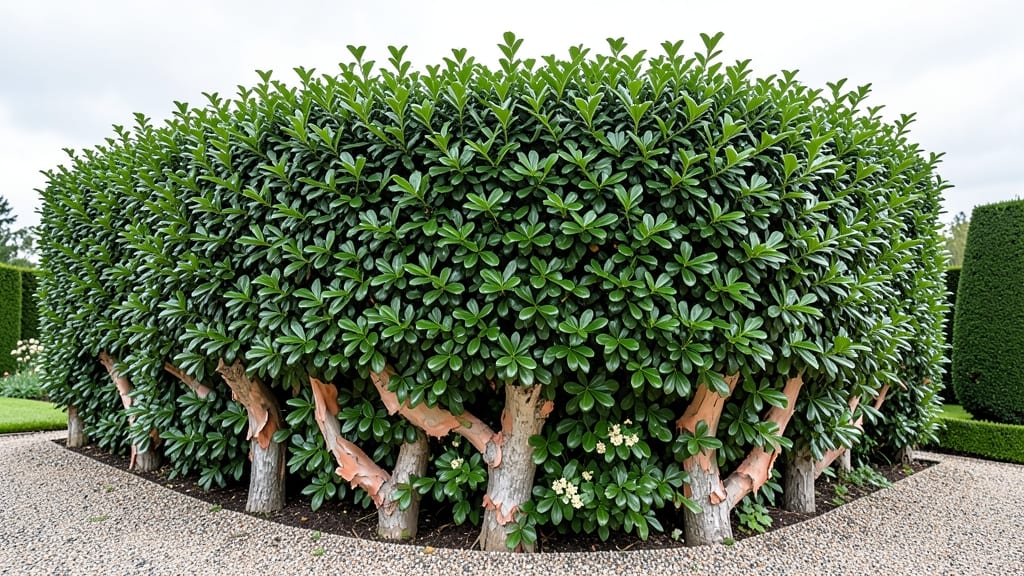
Want a hedge that looks like it belongs in a formal European garden? The strawberry tree (Arbutus unedo) responds beautifully to structured pruning, creating sharp lines and dense foliage that stays lush year-round. Unlike many hedges, its natural peeling bark adds architectural interest even when dormant.
Start with a spring pruning (March-April) to shape the hedge after winter's growth, then do a light summer trim (June-July) to encourage bushier growth before the next flowering cycle. For maximum bloom, avoid heavy pruning in autumn—this is when the tree sets flower buds. Use a seasonal calendar: prune lightly in late winter, shape in early summer, and do minimal touch-ups in autumn to maintain clean lines.
This technique works best for gardeners aiming for timeless elegance—think French formal gardens or English country estates. The result is a hedge that stays dense, blooms reliably, and requires less frequent pruning than other varieties. ✨
Naturalistic Strawberry Tree Screen
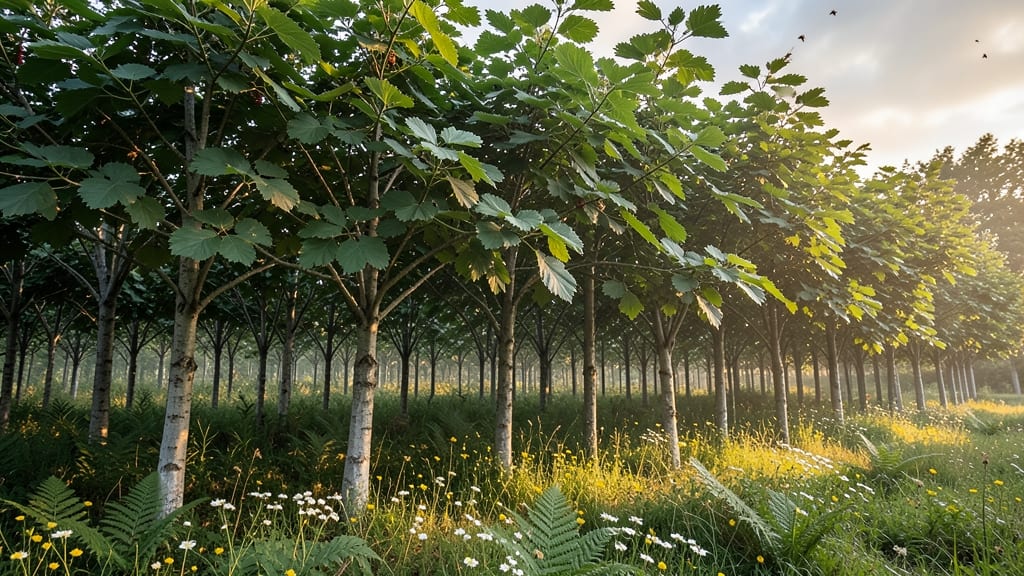
Skip the rigid, manicured look—your strawberry tree hedge can thrive as a wild, organic screen that mimics nature's own woodland edges. This approach requires minimal pruning while creating a thriving ecosystem for birds, bees, and beneficial insects.
Plant saplings 12-15 feet apart to allow natural branching and irregular growth patterns. Let the trees develop their signature peeling bark and layered foliage without strict shaping. The fragrant pink flowers in late summer and winter berries will attract wildlife year-round, turning your hedge into a mini food forest.
Perfect for gardeners who want low-maintenance beauty with ecological benefits, this style works especially well in cottage gardens, permaculture designs, or any space where you want to support local biodiversity. 🌿
Strawberry Tree for Coastal Gardens
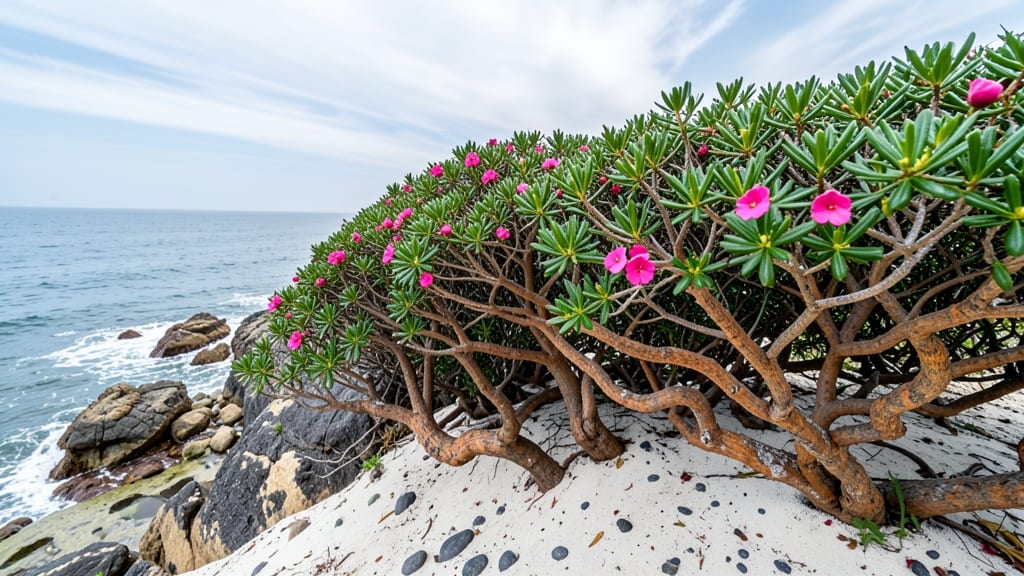
If your coastal property struggles with salty winds and sandy soil, the strawberry tree (Arbutus unedo) is your resilient solution. This salt-tolerant variety thrives where most hedges fail, offering vibrant pink blooms and fragrant foliage that withstands ocean breezes and salty spray.
Plant in well-draining soil with full sun to partial shade, spacing saplings 8-10 feet apart for a dense hedge. Prune lightly after flowering to maintain shape, but avoid heavy cuts—this variety prefers natural growth. Its evergreen leaves provide year-round privacy, while its peeling bark adds textural interest even in winter.
Perfect for homeowners near beaches or saltwater marshes, this hedge combines beauty with durability. 🌻
Year-Round Color Strawberry Tree Mix
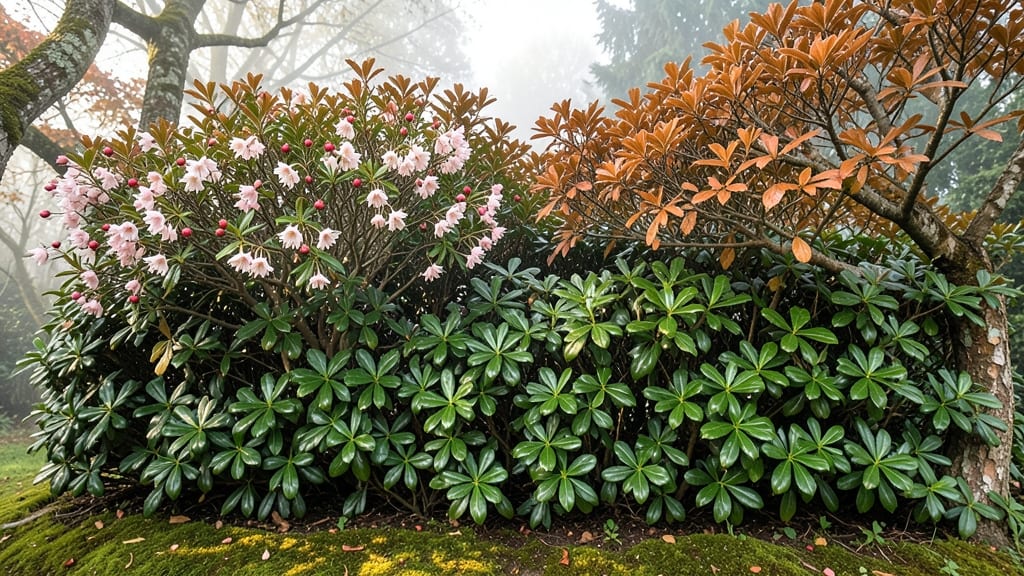
Tired of hedges that go dormant in winter? A year-round color strawberry tree mix combines evergreen Arbutus unedo with seasonal varieties like Arbutus 'El Dorado' (spring blooms) and Arbutus 'Marina' (autumn foliage) for nonstop interest. This layered approach ensures your hedge stays lush, fragrant, and visually dynamic through all four seasons.
Plant evergreen types along the back row for foundational structure, then layer deciduous varieties in front to create seasonal drama. Prune lightly after flowering (late spring) to shape growth, and do a light renewal prune in late winter to remove crossing branches. This mix thrives in full sun to partial shade and well-drained soil—ideal for gardeners who crave color without seasonal gaps.
Perfect for those seeking low-maintenance yet ever-evolving hedges, this combination works beautifully in Mediterranean or temperate climates while offering year-round privacy with minimal effort. 🌻
Pollinator-Friendly Strawberry Tree Hedge
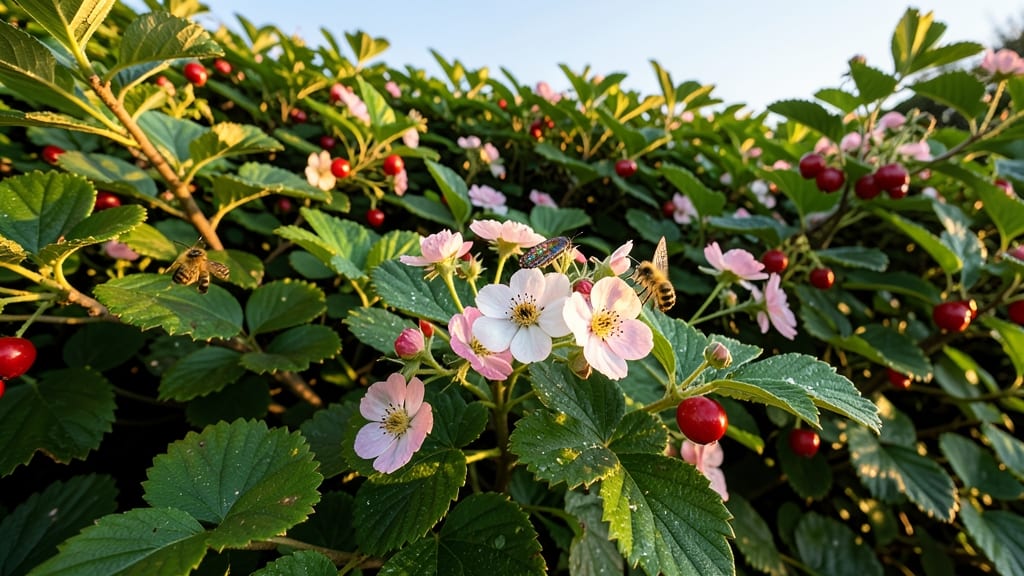
Turn your hedge into a buzzing hub for pollinators while keeping your privacy intact with a pollinator-friendly strawberry tree hedge. These specially selected varieties produce abundant nectar-rich flowers and berries that attract bees, butterflies, and birds—all while maintaining a lush, green screen.
Choose varieties like Arbutus 'Elfin King', which blooms profusely in spring and summer, or 'Marina', known for its early flowers that feed hungry pollinators. To enhance access, prune lightly in late winter, avoiding tight shearing that blocks flower clusters. Leave some branches slightly irregular to create natural perches for birds and shelter for insects. Mulch with native plants like lavender or salvia to extend the pollinator buffet.
This hedge is ideal for gardeners who want to support local ecosystems without sacrificing beauty or privacy. 🌻
Strawberry Tree for Arid Climates

Turn your desert landscape into a vibrant oasis with a strawberry tree hedge that thrives on neglect. This drought-tolerant variety survives on deep but infrequent watering, making it ideal for arid climates where water conservation is key.
Once established, these trees require only 1-2 deep waterings per month, and their peeling bark adds striking visual interest even when not in bloom. To maximize water savings, prune in late winter—remove only dead or crossing branches, and avoid heavy shearing, which stresses the plant. This approach preserves the tree’s natural shape while keeping it lush and blooming with pink, bell-shaped flowers that attract pollinators.
Perfect for desert gardeners or those in USDA zones 7-10, this hedge offers year-round structure with minimal effort. 🌻