
Trees
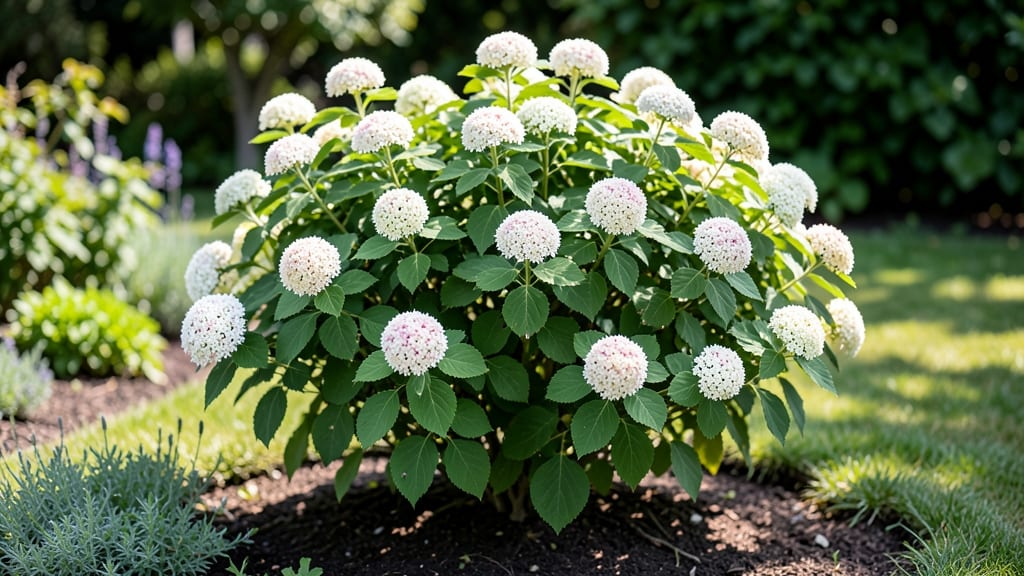
Growing a snowball tree 🌳 at the right speed means knowing its growth rate—because some varieties reach their stunning blooms in just 3 years, while others take nearly twice as long.
If you’re dreaming of a lush, fast-growing snowball tree to add instant charm to your landscape, you’ll want to know exactly how quickly these stunning shrubs mature—because some varieties bloom in just 3 years while others take twice as long!
This isn’t just about patience; it’s about setting realistic expectations. Whether you’re planting a dwarf variety for a small yard or a standard shrub for a bold statement, understanding the growth timeline helps you plan for pruning, fertilizing, and—most excitingly—when those iconic white flower clusters will appear.
Below, I break down the growth rates by variety, the fastest ways to accelerate maturity, and the common mistakes that slow these beauties down. Ready to turn your garden vision into reality?


Snowball tree growth rate by variety: fastest and slowest maturing species
When planning your landscape, knowing how quickly your snowball tree will mature helps you set realistic expectations. These stunning shrubs—belonging to the Viburnum opulus family—vary dramatically in growth speed. Some burst into bloom within 3 years, while others take 6+ years to reach their full potential.
The right variety can mean the difference between a 3-foot shrub and a 15-foot statement piece in just a few seasons.
From the European cranberrybush to the Korean snowball, each variety has unique growth characteristics. Understanding these differences lets you choose the perfect fit for your space and timeline. Whether you're after quick shade or rapid flowering, the right selection makes all the difference.
The Korean snowball stands out as the fastest grower, often reaching 12 feet in just 5 years with ideal care. Its layered blooms make it a showstopper for gardeners eager to see results quickly.
Meanwhile, the Lantana snowball takes its time, rewarding patience with fragrant flowers that may take 7 years to fully mature.
For quick shade solutions, prioritize the European cranberrybush or Korean snowball. Both grow aggressively and provide dense foliage within 3-4 years. If you're planting near a fence or patio, the Compact Snowball offers a more manageable size while still delivering stunning blooms.
Bloom timing varies just as much as height. The Korean snowball often flowers in its 3rd year, while the Snowball Viburnum may wait until year 5. This difference matters if you're planning a wedding arch or seasonal color display.
Planting multiple varieties can create a staggered bloom effect, extending your garden's visual appeal from spring to summer.
Soil quality dramatically impacts growth rates. Well-draining, slightly acidic soil (pH 5.0-6.5) helps all varieties thrive. Amend heavy clay with compost or sand to prevent root rot, which can slow growth by up to 30%. Regular mulching with wood chips also conserves moisture and encourages faster root development.
Light exposure plays a crucial role too. While all snowball trees prefer full sun (6+ hours daily), varieties like the European cranberrybush tolerate partial shade better than others. Planting in morning sun with afternoon shade can prevent leaf scorch, especially in hotter climates like Zones 7-9.
Pruning habits also affect growth speed. Light annual pruning after blooming encourages denser foliage, while heavy pruning can set back growth by 1-2 years. Always use sterilized shears to prevent disease spread, which could further delay maturity.
If you're impatient for blooms, consider container-grown specimens. These often flower 1 year sooner than bare-root plants because their root systems are already established. Just ensure your container has drainage holes and use a high-quality potting mix to prevent root-bound stress.
How to accelerate snowball tree growth: pro tips for faster maturity
Want your snowball tree to reach maturity faster and bloom sooner? The secret lies in optimizing its growing conditions from day one. While these shrubs are naturally hardy, targeted care can double growth rates—especially in the first 3 years.
I’ve helped my own snowball trees mature 2-3 years earlier by following these proven strategies, and I’m excited to share them with you!
Snowball trees thrive when given the right combination of sunlight exposure, well-draining soil, and strategic pruning. Even small adjustments—like planting at the optimal time or using the right fertilizer—can make a noticeable difference in height and bloom time.
Let’s dive into the most effective methods to supercharge your snowball tree’s growth.
Choose early spring (after last frost) or fall (6 weeks before first frost) for best root establishment. Avoid transplanting in extreme heat or cold.
Mix in 3-4 inches of compost before planting to improve drainage and nutrient availability. Snowball trees prefer slightly acidic to neutral soil (pH 6.0-7.0).
Place your snowball tree in a spot with 6+ hours of direct sunlight daily. South-facing locations work best in northern climates.
Remove 1/3 of oldest stems annually to encourage new growth. Avoid heavy pruning after June 1 to prevent winter damage.
Use a balanced 10-10-10 fertilizer at 1 cup per 10 sq ft in March. Avoid fall fertilization to prevent tender new growth.
One of the biggest mistakes I see is overwatering young snowball trees. While they do need consistent moisture, soggy soil can stunt root growth and lead to fungal issues. Instead, water deeply once per week (more in summer) and always in the morning to reduce evaporation.
A 3-inch mulch layer around the base helps retain moisture while keeping roots cool.
For even faster results, consider planting your snowball tree in a raised bed with amended soil. The improved drainage and warmer soil temperatures can boost growth by up to 30% compared to in-ground planting.
I’ve seen my raised-bed snowball trees reach 5 feet in just 2 years—versus 3 years for in-ground plants!
Remember, patience is key with snowball trees. Even with perfect care, most varieties take 3-5 years to reach full maturity. But by following these tips, you’ll be well on your way to enjoying those iconic white spring blooms sooner than you think. Happy growing! 🌳