
How To
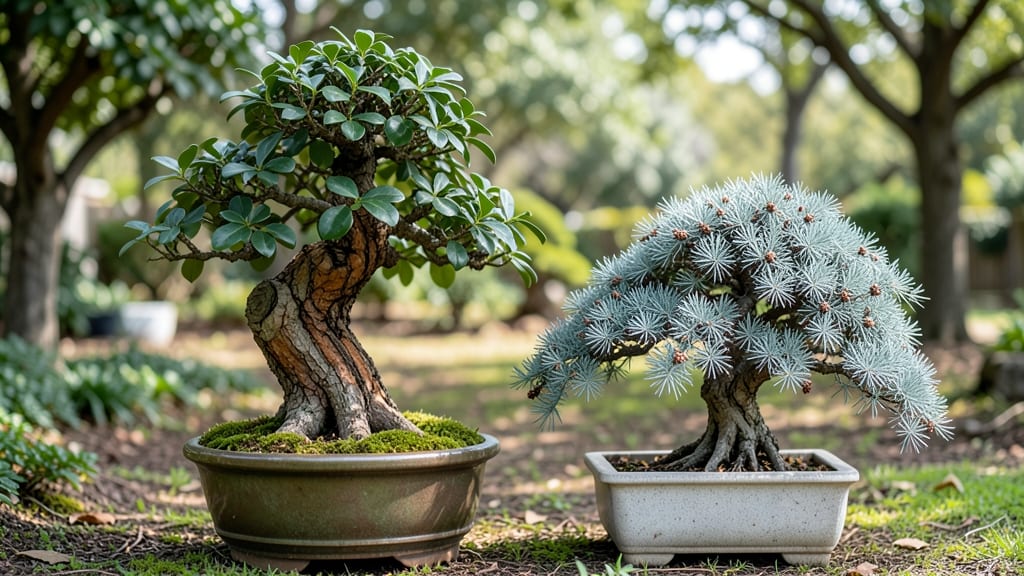
A bonsai tree grows anywhere from 1 to 3 feet tall, depending on the species and how you prune it—so no, they’re not all tiny by nature.
Picture this: your carefully cultivated 🌳 suddenly stretching toward the ceiling because you missed a pruning cycle. It happens more often than you’d think, especially with faster-growing varieties like ficus or elm.
But here’s the good news: with the right techniques—like root pruning, strategic wiring, and seasonal trimming—you can keep even the tallest species in check. I’ll break down the height ranges for popular bonsai varieties and share beginner-friendly tips to maintain that perfect miniature look.
Whether you’re starting with a 2-inch juniper or a 3-foot ficus, you’ll learn how to control growth, avoid common mistakes, and enjoy a bonsai that stays exactly the size you want.


Bonsai tree height limits by species: what to expect
When you bring a bonsai tree home, its miniature size might make you think it will stay that way forever—but that's not always true. Bonsai trees are cultivated versions of full-sized trees, and their natural growth potential varies dramatically by species.
Some varieties like juniper bonsai naturally stay under 2 feet, while others like ficus bonsai can reach nearly 3 feet if left unchecked. Understanding these species-specific limits helps you set realistic expectations and maintain your tree's ideal proportions.
The key to controlling height lies in pruning techniques and root restriction, but even with perfect care, some species simply grow taller than others. For example, a pine bonsai might naturally top out at 24 inches, while a maple bonsai could reach 36 inches in ideal conditions.
Below, we break down the height ranges for 10 popular bonsai varieties, comparing them to their full-sized counterparts to show just how dramatic the difference can be.
| Species | Natural Height Range (Bonsai) | Full-Sized Height | Growth Rate | Best For |
|---|---|---|---|---|
| Juniper | 12–24 inches | 30–50 feet | Slow to moderate | Beginners, outdoor display |
| Ficus (Fig) | 18–36 inches | 50–100 feet | Moderate to fast | Indoor growers, fast recovery |
| Azalea | 10–18 inches | 6–12 feet | Slow | Flowering displays, cooler climates |
| Pine (White or Black) | 20–36 inches | 60–100 feet | Slow | Outdoor landscapes, textured bark |
| Japanese Maple | 12–24 inches | 20–30 feet | Moderate | Colorful foliage, shade tolerance |
| Chinese Elm | 18–30 inches | 40–60 feet | Moderate | Durable, great for beginners |
| Serissa (Snow Rose) | 6–12 inches | 3–6 feet | Very slow | Miniature varieties, indoor use |
| Spruce | 15–24 inches | 40–60 feet | Slow | Evergreen displays, outdoor use |
| Olive | 24–48 inches | 30–50 feet | Slow to moderate | Drought-resistant, outdoor bonsai |
| Carmona (Fukien Tea) | 12–24 inches | 10–20 feet | Slow | Indoor/outdoor, small leaves |
As you can see, the ficus bonsai and olive bonsai have the highest potential height among common varieties, while serissa bonsai and azalea bonsai stay the smallest. If you're aiming for a tabletop bonsai, focus on species like serissa or azalea, which rarely exceed 18 inches.
For a statement piece that still fits on a shelf, junipers and pines are excellent choices, typically topping out around 24 inches with proper care.
One common misconception is that all bonsai trees are naturally miniature. In reality, bonsai are created through careful pruning, root restriction, and training—not because the species itself is inherently small. For instance, a full-sized fic
How pruning and training control bonsai tree height
Keeping your bonsai tree at the perfect miniature height requires a mix of pruning science and seasonal timing. Unlike full-sized trees, bonsai rely on human intervention to stay small—without it, even dwarf species can outgrow their pots in just a few years.
The key lies in balancing root pruning, branch trimming, and wiring techniques to guide growth naturally.
Most beginners focus only on top pruning, but the real secret to controlling height is root restriction. When roots grow unchecked, they signal the tree to produce more foliage—and height.
By pruning roots every 2-3 years during repotting, you create a feedback loop that keeps the canopy in check. Pair this with selective branch pruning to maintain the tree's proportions and prevent it from stretching upward for light.
Step-by-Step Bonsai Height Control Guide
- 1 Early Spring Pruning (March-April): Trim 1/3 of new growth using concave cuts to encourage branching. Focus on vertical shoots to prevent upward growth.
- 2 Root Pruning (Every 2-3 Years): Remove 1/3 of roots during repotting to restrict nutrient uptake. Use a sharp bonsai knife to avoid tearing roots.
- 3 Wiring for Trunk Shaping: Apply aluminum or copper wire to guide trunk curves. Leave wire on for 3-6 months max to avoid scarring.
-
4
Seasonal Adjustments:
- Spring: Prune new shoots to maintain shape.
- Summer: Monitor leaf growth—remove overcrowded foliage.
- Fall: Reduce watering to slow growth before dormancy.
-
5
Species-Specific Timing:
- Juniper: Prune after flowering (late spring).
- Ficus: Trim year-round (slow grower).
- Azalea: Prune immediately after blooming.
Timing your pruning is just as critical as the technique. For example, evergreen bonsai like junipers should be pruned after flowering to avoid removing next year's buds, while deciduous varieties like maples respond best to late-winter pruning before new growth begins.
Pro tip: Use sterilized tools to prevent disease, and always prune just above a leaf node or bud to encourage healthy regrowth.
Don't overlook the power of pot size in height control. A bonsai in a too-large pot will focus energy on root expansion rather than compact growth. Start with a pot that's 1/3 the height of your desired bonsai and upgrade gradually.
Combine this with regular repotting every 2-4 years to refresh the soil and maintain root health.
Even with perfect pruning, some bonsai species naturally grow taller than others. For instance, ficus bonsai can reach 3 feet if unchecked, while juniper bonsai typically max out at 2 feet.
Know your tree's growth tendencies and adjust your pruning schedule accordingly. With patience and precision, you'll keep your bonsai at the ideal height for decades.