
Pruning
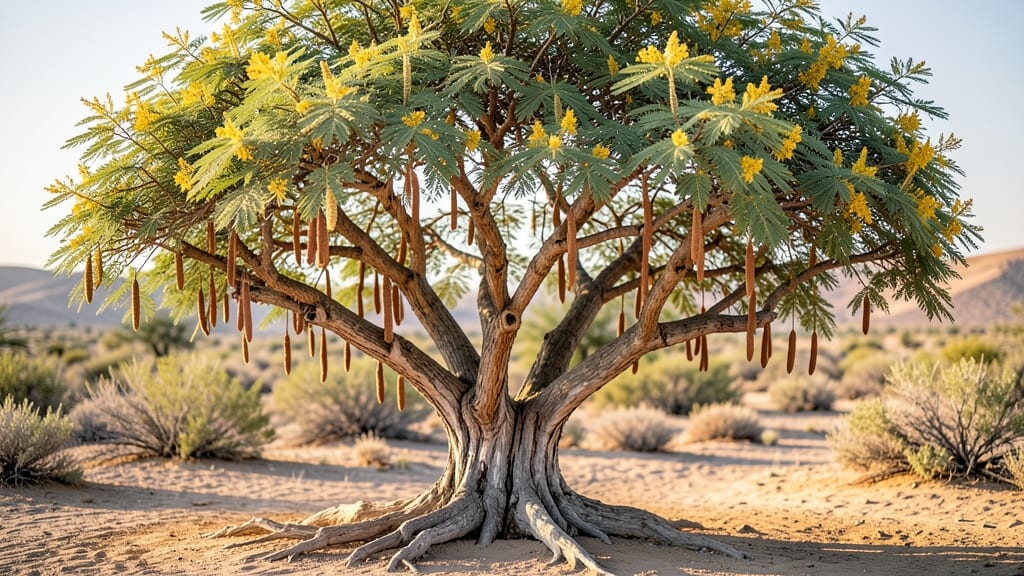
The Shami tree in English is known as the Indian Rose Chestnut or Chinaberry Tree (Schleichera oleosa), a hardy tropical species prized for its medicinal bark, dense shade, and ability to survive drought conditions.
The Shami tree—also called the Chinaberry—stands out for its adaptability in harsh climates, making it a favorite in tropical landscapes. 🌿 Its bark has been used for centuries in Ayurvedic medicine to treat skin conditions and digestive issues, while the tree's fast growth and deep roots help stabilize soil in erosion-prone areas.
Unlike many tropical species, it tolerates poor soil quality and minimal water, which explains why it thrives in regions like India, Southeast Asia, and parts of Africa.
What makes this tree especially fascinating is its dual role: it serves both ecological and practical purposes. The yellow-orange fruits contain seeds used in traditional remedies, while the wood is durable enough for furniture and tool handles.
Its cultural significance runs deep too—many communities plant it near temples or homes for protection and prosperity.
💡 In This Article
- Botanical Characteristics and Growth Habits of the Indian Rose Chestnut
- Traditional and Modern Uses of Shami Tree Bark and Leaves
Botanical characteristics and growth habits of the Indian Rose Chestnut
The Indian Rose Chestnut (Schleichera oleosa) boasts a distinctive leaf structure that sets it apart from other tropical trees. Its leaves are compound, with 5-11 oval-shaped leaflets arranged alternately along a central stem.
Each leaflet measures about 2-5 centimeters long and features a smooth, glossy surface that helps reduce water loss during dry seasons. This adaptation is crucial for its drought-resistant nature, allowing the tree to thrive in regions with minimal rainfall.
The tree's growth habit is equally remarkable. It typically reaches heights of 15-25 meters under ideal conditions, with a broad, rounded canopy that provides dense shade.
The bark is thick and corky, offering natural protection against pests and extreme temperatures. 🌳 The root system is deep and extensive, capable of penetrating up to 3 meters into the soil, which helps stabilize the ground and prevents erosion.
This makes the Shami tree particularly valuable in degraded or sandy soils where other species struggle to establish themselves.
Climate plays a pivotal role in its cultivation. The Indian Rose Chestnut flourishes in tropical and subtropical regions with temperatures ranging from 20°C to 40°C. It prefers well-drained soils but can tolerate poor, rocky, or saline conditions, making it versatile for various landscapes.
Humidity levels between 60-80% are ideal, though it can adapt to drier climates once established. Unlike many tropical trees, it doesn’t require high rainfall, which is why it’s often planted in arid or semi-arid zones.
One of the tree’s most striking features is its fruit—a small, round, yellow-orange drupe that ripens between September and November. Each fruit contains a single seed encased in a hard, glossy shell, which is often used in traditional medicine.
The fruits are also a food source for wildlife, including birds and small mammals, further enhancing the tree’s ecological value. The combination of its hardy growth habits and multifunctional uses makes it a standout species in tropical ecosystems.
The Shami tree’s ability to grow rapidly—up to 1 meter per year under optimal conditions—makes it an excellent choice for reforestation projects.
Its resilience to pests and diseases also reduces the need for chemical interventions, aligning with sustainable land management practices. 🌿 Whether planted for shade, soil stabilization, or medicinal purposes, its adaptability ensures long-term benefits for both the environment and local communities.