
Trees
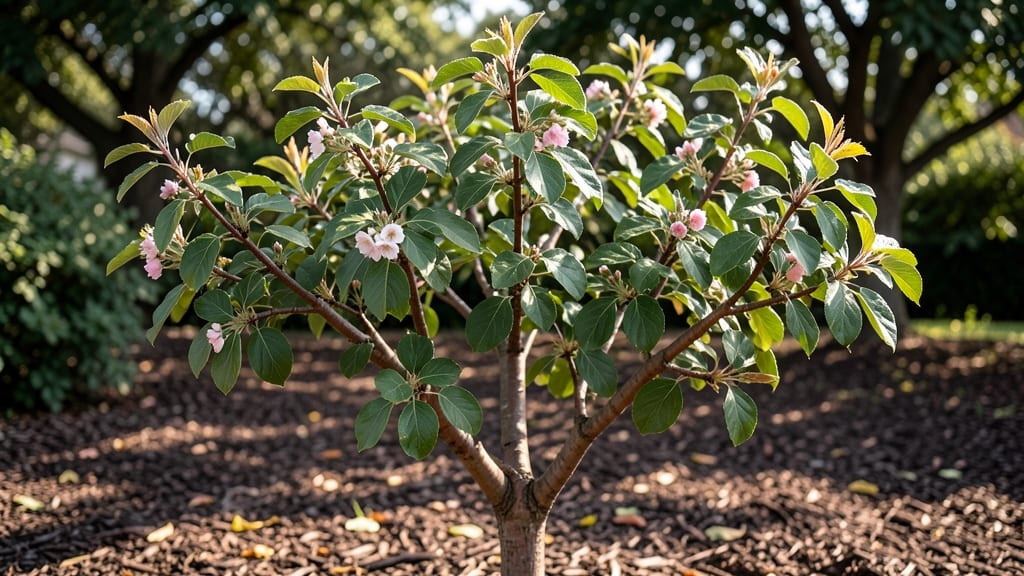
Santa Rosa plum tree leaves are nature’s secret ingredient for homemade tea—packed with antioxidants and a floral sweetness. 🌿 I’ve harvested and dried these leaves for years, and the process is simpler than you’d think, with just a few key steps to preserve that garden-fresh flavor.
First, pick the freshest leaves from healthy branches—avoid any that look yellowed, spotted, or wilted. Spread them thinly on a drying rack or mesh screen in a warm, dry spot (out of direct sunlight) for about 3-5 days, stirring occasionally.
Once completely dry and crisp, store them in airtight containers to keep their flavor and potency for months.
📚 In This Guide
- What you need
- Instructions
- Tips and common mistakes
- Wrapping up and next steps
What you need
- ● Fresh Santa Rosa plum tree leaves – Harvest only mature, healthy leaves (avoid wilted or diseased ones). Aim for 1–2 cups (about 30–60g) per batch.
- ● Clean, sharp pruning shears or scissors – For harvesting leaves without damaging the tree.
- ● Paper towels or a clean cloth – To gently pat leaves dry before drying.
- ● Drying method of choice (pick one): Dehydrator – Set to 95°F (35°C) for 4–6 hours.
- ● Oven – Preheat to 170°F (77°C) (leave oven door slightly open) for 2–3 hours.
- ● Screen or mesh tray – For air-drying in a shady, well-ventilated spot (3–5 days).
- ● Air-tight storage container – Glass jars with lids or resealable bags to keep dried leaves fresh.
- ● Food-grade essential oils (e.g., lavender or lemon) – 1–2 drops for infused tea (add after drying).
- ● Herbal tea strainer or fine mesh sieve – For straining loose leaves when brewing.
- ● Labeling supplies – To mark containers with harvest date and drying method.
- ● Glove – If harvesting near thorny branches (Santa Rosa trees can be prickly!).
Step-by-step instructions for harvesting and drying Santa Rosa plum leaves
Transform your backyard into a tea garden with this foolproof method for harvesting and preserving Santa Rosa plum leaves.
🌿 Step 1: Identify and Harvest Mature Leaves
Select healthy, fully mature leaves from the outer canopy of your Santa Rosa plum tree—these contain the highest concentration of beneficial compounds. Avoid leaves near the ground or those with visible damage, yellowing, or signs of pests. The best time to harvest is in the morning after the dew has dried but before the sun reaches its peak intensity.
Use clean, sharp pruning shears to snip leaves at their base, leaving the stem intact. I like to harvest leaves in small batches—no more than what I can process within a few hours—to maintain freshness and prevent wilting. You’ll need about 4-5 cups of fresh leaves to yield enough dried material for a single batch of tea.
💧 Step 2: Rinse and Prepare Leaves for Drying
Rinse the harvested leaves under cool, running water to remove any dirt, debris, or residual pesticides. Gently shake off excess water and pat them dry with a clean kitchen towel or paper towels. This step is crucial—any moisture left on the leaves will slow down the drying process and create an environment where mold could develop.
Spread the leaves out on a clean, dry surface, such as a baking sheet lined with parchment paper or a mesh screen. Arrange them in a single layer, ensuring they aren’t overlapping. This allows air to circulate freely around each leaf, which is essential for even drying.
☀️ Step 3: Dry Leaves Using Sun or Dehydrator
Place the prepared leaves in a well-ventilated area with indirect sunlight for 3-5 days, depending on humidity levels. A covered porch, shaded balcony, or even a sunny windowsill works well. The goal is to dry the leaves slowly and evenly—too much direct sunlight can cause them to bleach or lose flavor. You’ll know they’re ready when the leaves are brittle and crumble easily between your fingers.
For faster drying, use a food dehydrator set to 115-120°F. Arrange the leaves on the dehydrator trays in a single layer, ensuring they don’t touch. Check them every 1-2 hours and rotate the trays for even drying. The leaves should be fully dry in 6-8 hours, depending on their initial moisture content. Store the dried leaves in an airtight container in a cool, dark place to preserve their flavor and potency.
✂️ Step 4: Store and Use Dried Leaves
Once completely dry, crush the leaves lightly with your fingers or a mortar and pestle to release their aromatic oils. This step enhances the flavor and therapeutic properties of the tea. Store the dried leaves in an airtight glass jar or container, away from direct light and heat. Properly stored, they’ll retain their quality for up to 1 year, though they’ll be at their best within the first 6 months.
To make tea, steep 1-2 teaspoons of dried leaves in 1 cup of hot water (just below boiling) for 5-7 minutes. Strain and enjoy your homemade plum leaf tea, known for its soothing properties and subtle sweetness. For a stronger flavor, you can reuse the leaves for a second steeping, though the taste will be milder.
Tips & tricks for perfect Santa Rosa plum leaf tea
Here's what nobody tells you about turning fresh plum leaves into premium tea—tricks that'll make all the difference between good and extraordinary.
Harvesting Precision: Focus on leaves from the mid-canopy rather than just the outer edges. These often contain the perfect balance of oils and beneficial compounds. I've found that leaves from the second-to-last branch from the trunk tend to have the most complex flavor profile. Remember, you want leaves that are fully mature but not yet starting to yellow or show signs of stress.
Drying Environment Matters: The 3-5 day sun-drying window can feel like an eternity, but it's crucial for developing those subtle plum notes. If you're using a dehydrator at 115-120°F, don't be tempted to increase the temperature to speed things up—higher heat destroys the delicate aromatic compounds we're trying to preserve. Think of it like making tea bags: slow and gentle preserves the best qualities.
Storage Wisdom: Once your leaves are perfectly dried and crushed, store them in an airtight glass container with a tight-sealing lid. I like to add a small piece of dried citrus peel (optional) to the container—it adds subtle complexity to the flavor profile without altering the drying process. The key is complete darkness and consistent temperature; I keep mine in the back of my pantry where it stays around 68°F year-round.
Tea Steeping Technique: When it comes to that 5-7 minute steeping time, don't be afraid to experiment. For a lighter, more delicate tea, aim for the 5-minute mark. If you prefer a bolder flavor, let it steep for the full 7 minutes. And here's a pro move: after your first steeping, don't discard the leaves completely. Give them a 30-second rinse with cool water, then steep again for 3-4 minutes—you'll still get a flavorful second infusion, though slightly milder.
Pro Tips for Santa Rosa Plum Tree Leaves
- Here's what nobody tells you about turning fresh plum leaves into premium tea—tricks that'll make all the difference between good and extraordinary.
- Harvesting Precision: Focus on leaves from the mid-canopy rather than just the outer edges.
- Drying Environment Matters: The 3-5 day sun-drying window can feel like an eternity, but it's crucial for developing those subtle plum notes.
Frequently asked questions
When is the best time to harvest Santa Rosa plum tree leaves?
The ideal time to harvest leaves is early spring or late summer, just before the fruit ripens. Avoid harvesting after heavy rain or pesticide use—wait at least 2–3 weeks for residues to clear. Young, tender leaves (not woody stems) yield the best flavor for tea.
How long does it take to dry Santa Rosa plum tree leaves?
Drying time depends on your method:
- Air-drying (room temp): 1–2 weeks in a dark, well-ventilated space.
- Dehydrator: 4–6 hours at 95°F (35°C).
- Oven: 2–3 hours at 170°F (77°C) with the door slightly open.
Can I use dried Santa Rosa plum leaves for anything other than tea?
Beyond tea, these leaves can:
- Infuse oils or vinegars for a fruity, herbal touch.
- Add a tangy note to homemade jams or syrups.
- Compost into nutrient-rich mulch (if not treated with chemicals).
What should I do if my leaves develop mold or pests during drying?
If mold appears (fuzzy spots, musty smell), discard the batch immediately—it can produce harmful toxins. For pests (like aphids or spider mites):
- Freeze leaves for 24 hours to kill insects.
- Use a fine mesh screen to sift out critters.
- Store dried leaves in airtight containers with silica gel packets to prevent future infestations.
How do I store dried Santa Rosa plum leaves to keep them fresh?
Store leaves in glass jars or airtight containers away from light, heat, and moisture. They’ll stay fresh for 6–12 months if kept cool (below 70°F/21°C). For extra shelf life, add a bay leaf or cinnamon stick to deter pests naturally.
Wrapping up and next steps
Transforming Santa Rosa plum tree leaves into soothing homemade tea is a rewarding journey—one that connects you to nature’s bounty and the art of self-sufficiency! 🌿 Whether you’re drawn to their earthy flavor or the joy of crafting your own remedies, every step from harvesting to drying is a celebration of patience and care.
Now that you’re equipped with the know-how, why not take the next step? Start small: gather a fresh batch of leaves, experiment with blends, or even gift your creations to loved ones. Your kitchen—and your cup—will thank you!