
Pruning
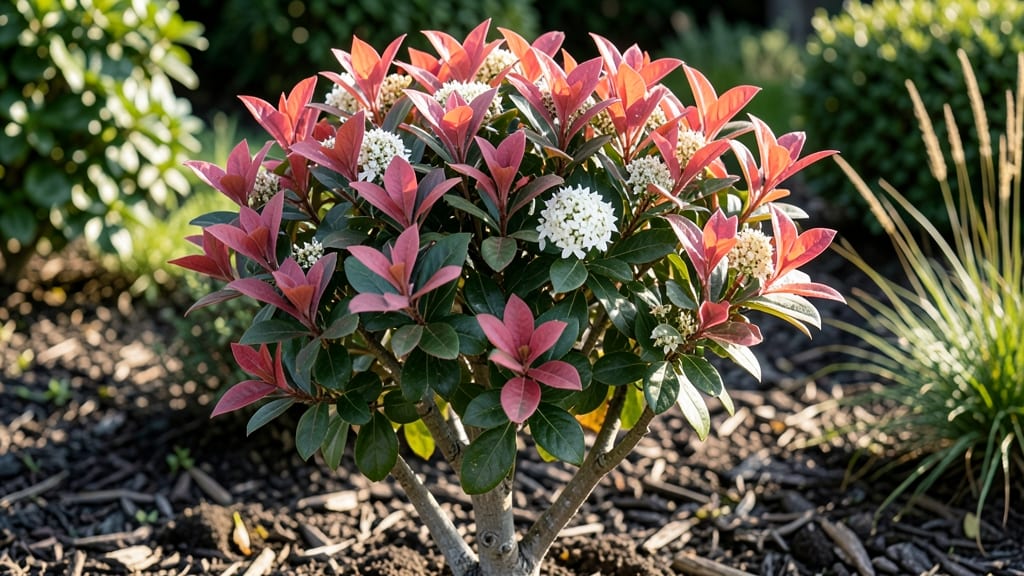
The Red Tip Photinia Tree can reach heights of 10 to 15 feet in ideal conditions, but its rapid growth means you’ll need a plan to keep it in check—especially if you’re working with limited space.
Picture this: a vibrant, glossy-green shrub with fiery red new growth, standing tall and proud in your landscape. But without the right approach, that same shrub can quickly outgrow its welcome, crowding out other plants or overshadowing your patio.
The key to managing its height lies in understanding its growth patterns and when to step in with pruning.
This fast-growing shrub can add 3 to 5 feet per year, making it a favorite for privacy screens—but that same speed means it demands attention.
Whether you’re aiming for a neat hedge or a controlled specimen plant, knowing the right techniques will save you time and frustration down the road.
In this guide, I’ll break down everything you need to know: from its mature size and growth rate to the best pruning schedule and tools for keeping it compact. By the end, you’ll have a clear strategy to enjoy its stunning foliage without the headache of unruly growth.

Red Tip Photinia tree height growth chart: how tall does it get?
The Red Tip Photinia is a showstopper in any landscape, thanks to its vibrant red new growth and glossy foliage. But before you plant, understanding its height progression is key—this fast-growing shrub can reach 15-25 feet if left unchecked.
Knowing its growth stages helps you plan spacing, pruning, and even whether it suits your yard's size.
In its first year, a Red Tip Photinia typically grows 3-5 feet tall, establishing roots quickly in well-drained soil. By year two, it can double in height, reaching 5-8 feet, making it a popular choice for privacy screens or hedges.
Without pruning, it matures between 10-25 feet, depending on growing conditions.
Here’s a detailed growth chart to visualize its height progression by age, along with factors that influence its size:
The Red Tip Photinia’s growth rate slows as it matures, but it can still add 1-2 feet per year in ideal conditions. If you’re planting near a fence or structure, account for its mature width (6-10 feet)—this shrub isn’t just tall; it’s wide too!
For smaller spaces, consider dwarf varieties like 'Little Red' or 'Compacta,' which max out at 6-8 feet.
Three key factors influence its height: sunlight exposure, soil quality, and climate conditions. In full sun (6+ hours daily), it grows faster and develops its signature red tips.
Poor soil or shade can stunt growth, while rich, well-draining soil fuels rapid expansion. In USDA Zones 7-10, it thrives year-round, but colder climates may slow its growth.
If you’re planting multiple Red Tip Photinia trees for a hedge, space them 4-6 feet apart to allow airflow and room to grow. Overcrowding leads to disease risks like entomosporium leaf spot, which can weaken the plant and reduce its vibrant color.
Always plant in spring or early fall to give roots time to establish before extreme temperatures.
To keep your Red Tip Photinia at a manageable height, prune in late winter or early spring before new growth appears. Cut back 1/3 of the oldest stems to encourage bushier growth and maintain its red foliage.
Avoid heavy pruning in summer, as it can stress the plant and reduce its winter hardiness.
One common mistake is assuming this shrub stays small—many gardeners underestimate its aggressive growth and end up with an unruly giant. If you’re unsure about its final size, opt for a container-grown specimen or a dwarf cultivar.
For large landscapes, its height makes it a privacy powerhouse, but in small yards, it’s better to prune aggressively or choose a smaller alternative.
Pro tip: Mulch around the base with 2-3 inches of organic mulch to retain moisture and regulate soil temperature. This simple step can boost growth by 20-30% in hot climates. Pair it with a balanced fertilizer (10-10-10) in spring to keep it lush and vibrant.
🌱
When and how to prune Red Tip Photinia trees for height control
Pruning your Red Tip Photinia is essential to maintain its vibrant foliage and control its rapid vertical growth. Without proper pruning, this fast-growing shrub can easily reach 15-25 feet tall, overshadowing your garden.
The key is timing—prune at the right season to encourage healthy growth while keeping your tree at your desired height.
Late winter or early spring, just before new growth begins, is the best time to prune. This timing helps you shape the tree while avoiding the risk of winter dieback or encouraging late-season growth that won’t harden off before cold weather.
For established trees, a second light pruning in mid-summer can help maintain shape and encourage bushier growth.
Gather sharp pruning shears for small branches, loppers for thicker stems, and gloves to protect your hands. Sterilize tools with rubbing alcohol to prevent disease spread.
Remove any dead wood, crossing branches, or those growing inward. Cut back to the collateral bud just below the problem area to encourage outward growth.
Use your shears to trim back overgrown branches to your desired height. Aim for a natural, tapered shape to mimic the tree’s natural form. Avoid cutting into old wood, as new growth won’t regenerate there.
For a fuller appearance, trim the top branches slightly shorter than the lower ones. This promotes growth at the base and prevents a lanky, leggy look.
Remove all clippings from the base to prevent disease. Apply a 2-3 inch layer of mulch around the tree to retain moisture and protect roots.
One common mistake is over-pruning in a single session, which can stress the tree and reduce its vibrant red tips. Another pitfall is pruning too late in the season, which can leave new growth vulnerable to frost damage.
Always step back and assess the tree’s shape before making final cuts.
For height control, limit pruning to removing no more than one-third of the tree’s height in a single year. This ensures the tree retains its energy for recovery and maintains its lush foliage.
With consistent pruning, you’ll enjoy a well-proportioned Red Tip Photinia that stays within your garden’s boundaries.
Regular pruning also helps prevent disease and pests by improving airflow through the tree. Keep an eye out for leaf spot or aphid infestations, which are more likely in dense, unpruned growth. A well-maintained Red Tip Photinia will reward you with year-round interest and a striking garden feature.