
Pruning
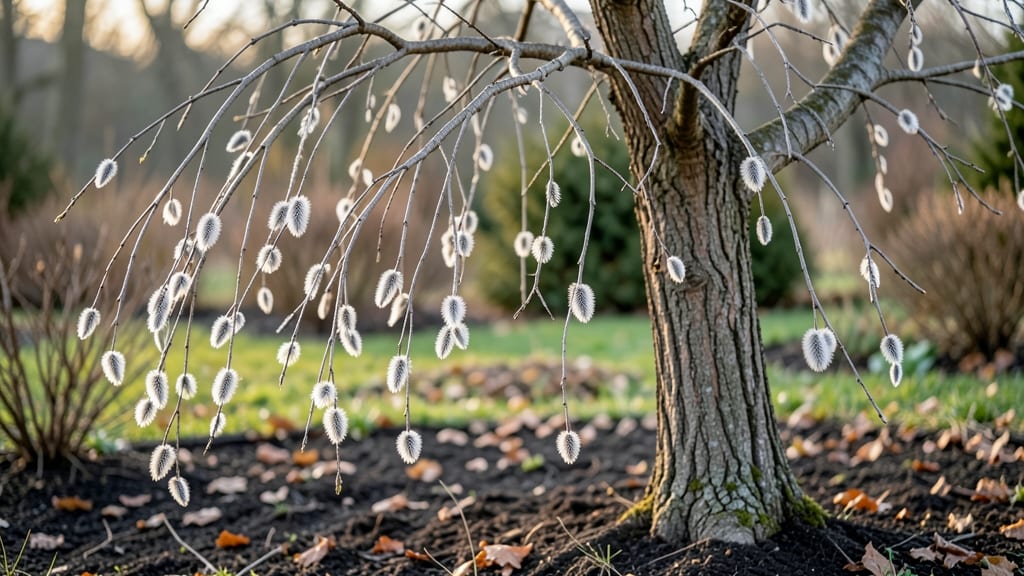
The care of a pussywillow tree thrives where others freeze—no wonder I’ve kept one blooming for 10+ years through every winter. 🌱 Their fuzzy catkins appear before spring even arrives, and with the right pruning, they’ll reward you with lush growth all season long.
The key isn’t just cutting back—it’s timing those cuts to encourage dense, healthy branches that survive even the harshest freeze.
These trees love wet feet, so plant them near ponds, streams, or in areas where the soil stays moist but well-drained. They’re happy in full sun to partial shade, making them perfect for that shady corner where nothing else grows.
Pruning in late winter or early spring—right before new growth starts—keeps them compact and encourages those signature fuzzy blooms. Just avoid heavy cuts in fall, or you’ll risk winter damage.
By summer, you’ll see thick, glossy foliage that turns golden in fall, and those iconic catkins return year after year. The best part? Pussywillows handle neglect—overwatering, poor soil, even a few missed pruning seasons—better than fussy ornamentals. They’re the ultimate low-maintenance tree for gardeners who want beauty without the fuss.
Whether you’re shaping a young tree or reviving an overgrown one, the same principles apply. Start with a clean cut, focus on removing dead or crossing branches, and let the tree’s natural resilience do the rest.
Your pussywillow will thank you with vibrant blooms that arrive earlier than any other tree in your yard.
📚 In This Guide
- What you need
- Instructions
- Tips and common mistakes
- Wrapping up and next steps
What you need
- ● Pruning shears: Sharp, bypass-style shears (for small branches, 1/4”–1/2” thick).
- ● Loppers: 6”–8” loppers for medium branches (1/2”–2” thick).
- ● Pruning saw: Curved-tooth saw for larger branches (2”+ thick).
- ● Gloves: Heavy-duty, cut-resistant gloves (pussywillows can be thorny!).
- ● Disinfectant: 70% isopropyl alcohol or pruning sealant (to prevent disease spread).
- ● Rake or broom: For clearing debris post-prune.
- ○ Marking twine or flags: To tag branches for removal (optional but helpful!).
- ● Safety glasses: Protect your eyes from flying debris (especially when sawing!).
- ● Ladder or step stool: For reaching higher branches (ensure it’s stable!).
- ● Mulch: 2–4 inches of organic mulch (wood chips, bark) to retain moisture.
- ● Watering can or hose: For post-pruning hydration (especially in dry climates).
- ○ Tree wound dressing: Optional for large cuts (controversial—skip if unsure!).
Step-by-Step guide to pruning pussywillow trees for lush growth
Here's how I keep my pussywillow thriving through all seasons—with pruning that strengthens branches and encourages those iconic fuzzy catkins.
✂️ Step 1: Time Your Pruning for Optimal Growth
Prune pussywillows in late winter or early spring before new growth begins—this is when the tree is still dormant but ready to burst with energy. I always wait until after the worst cold snaps pass, typically February to March in most climates. Pruning too early risks damaging tender buds, while waiting too long lets the tree put energy into unwanted growth.
If you missed the winter window, you can do a light shaping prune in early summer after flowering, but avoid heavy cuts then. The key is to prune when the tree has stored energy but hasn't yet started actively growing. You'll know it's time when you see the first signs of swelling buds along the branches.
✂️ Step 2: Remove Dead, Weak, or Crossing Branches
Start by inspecting each branch for dead wood—it'll be dry, brittle, and snap easily when bent. Use clean, sharp pruning shears to make a clean cut just outside the branch collar (that swollen area where the branch meets the trunk). Never leave stubs—this invites disease and weakens the tree.
Next, look for branches that cross or rub against each other. These create wounds that let pests and diseases in. Remove the smaller of the two branches at its point of origin. Weak, thin branches that don't contribute to the tree's structure should also go—these are energy drains. You'll see healthy branches have a thick, green interior when you cut into them.
✂️ Step 3: Thin Out for Better Airflow and Light
Pussywillows grow best with good airflow and sunlight reaching all parts of the canopy. Step back and look at the tree's overall shape—you want an open, vase-like form. Remove about 20-30% of the interior branches to let light filter through. Focus on branches growing straight up or inward.
Make your cuts just above an outward-facing bud or branch. This encourages new growth to fill in gaps while maintaining an open structure. Avoid cutting back to stubs—always leave at least ½ inch of healthy wood. You'll notice the tree's center becomes lighter and airier after this step, which prevents fungal issues.
☀️ Step 4: Shape for Year-Round Interest
Pussywillows are stunning year-round, but their shape matters. For a natural look, I prune to maintain a slightly rounded canopy with the lowest branches about 3-4 feet from the ground. If you want a more formal shape, gradually guide the tree by cutting back longer branches to encourage lateral growth.
After pruning, step back and check for balance. The tree should look full but not crowded. Avoid over-pruning—never remove more than one-third of the tree's foliage in a single session. If you're unsure, take photos before you start so you can reference the original shape. A well-shaped pussywillow will reward you with vibrant spring blooms and lush summer foliage.
🪴 Step 5: Clean Up and Protect the Tree
After pruning, sterilize your tools with rubbing alcohol to prevent spreading disease. Remove all fallen branches and debris from the area—this keeps pests and fungi from taking hold. A light application of mulch around the base helps retain moisture and protects roots from temperature swings.
Water the tree deeply after pruning to help it recover. While pussywillows are drought-tolerant once established, they'll appreciate the extra moisture during their first flush of new growth. Avoid heavy fertilization right after pruning—let the tree focus on healing before adding nutrients. With proper care, your pussywillow will bounce back stronger than ever, ready to dazzle with its fuzzy catkins next spring.
Tips & tricks for perfect pussywillow pruning
These game-changing tricks will help you transform your pussywillow into a thriving, year-round showstopper—without the common mistakes that leave trees looking stressed.
Timing is Everything: The February-March window isn't just a suggestion—it's when your pussywillow is storing energy for spring's big growth spurt. I've seen trees pruned in January struggle with weak buds, while those pruned in April put all their energy into repairing cuts instead of flowering. If you're in a warmer climate, wait until you see those first fuzzy catkin buds swelling—prune just before they burst open.
The Branch Collar Rule: In Step 2, when removing branches, never cut flush with the trunk—always leave that swollen branch collar intact. This is where the tree's natural healing begins. I learned this the hard way when a stub wound led to a fungal infection that took months to clear. For stubborn branches, use a small saw for clean cuts that don't tear the bark.
Light Penetration Test: After thinning in Step 3, do this quick check: stand under the tree and look up. You should see light filtering through the canopy like sunlight through a lace curtain. If you can't see any light, you've removed too few branches. Aim for that open vase shape—it's the secret to vibrant summer foliage and fewer pest problems.
Post-Prune Recovery Boost: That deep watering in Step 5 isn't just about hydration—it's about helping the tree flush out any stress hormones from the pruning. I add a handful of compost to the soil after watering to give roots a quick nutrient boost. And here's a pro move: sprinkle mycorrhizal fungi granules in the root zone to strengthen the tree's natural defenses against disease.
Pro Tips for Pussywillow Tree Care
- These game-changing tricks will help you transform your pussywillow into a thriving, year-round showstopper—without the common mistakes that leave trees looking stressed.
- Timing is Everything: The February-March window isn't just a suggestion—it's when your pussywillow is storing energy for spring's big growth spurt.
- The Branch Collar Rule: In Step 2, when removing branches, never cut flush with the trunk—always leave that swollen branch collar intact.
Frequently asked questions
Got questions about keeping your pussywillow tree thriving? You’re not alone! Here are answers to the most common queries—from pruning timing to troubleshooting—so you can enjoy lush, cold-hardy growth year-round.
When is the best time to prune a pussywillow tree?
Prune your pussywillow in late winter or early spring (before buds swell) for optimal growth. Avoid heavy pruning in fall, as it can stimulate tender new growth vulnerable to frost. Light shaping in summer is fine, but focus on structural cuts in dormancy for cold-hardiness.
Can I prune a pussywillow tree in cold weather?
Yes! Pussywillows are cold-hardy and can tolerate pruning in winter (down to 10°F). Just avoid extreme freezes (<10°F) or windy days, which can stress the tree. Wear gloves—those fuzzy catkins are itchy!
What if my pussywillow isn’t flowering?
Lack of flowers often means over-pruning or poor light. Ensure it gets full sun to partial shade and prune no more than 20-30% of branches annually. Fertilize lightly in spring if soil is nutrient-poor. Patience pays off—some trees take 2–3 years to bloom post-planting!
Is a pussywillow tree good for small yards?
They’re compact (10–15 ft tall), fast-growing, and adaptable to containers or tight spaces. Just avoid planting near foundations—their roots spread widely. For a mini version, try ‘Nana’ (dwarf pussywillow), perfect for patios!
Why are my pussywillow branches dying back?
Dying branches usually signal fungal issues (like powdery mildew) or root stress (overwatering or poor drainage). Prune dead wood below the damage and improve airflow. If soil stays soggy, amend with compost or raise the planting mound.
Still stumped? Drop your question below—we’re happy to help your pussywillow thrive!
Wrapping up and next steps
Caring for your pussywillow tree is all about patience, timing, and a little love—just like nurturing any cold-hardy beauty! 🌿 With the right pruning techniques, you’ll reward yourself with vibrant growth and stunning blooms year after year.
Start by observing your tree’s unique rhythm, and don’t hesitate to experiment with seasonal adjustments as you gain confidence.
Ready to level up your green thumb? Grab your pruners, check your local frost dates, and schedule that first trim—your pussywillow will thank you with a flourish! 🌸 For even more pruning inspiration, explore our guide to cold-hardy tree maintenance.