
Pruning
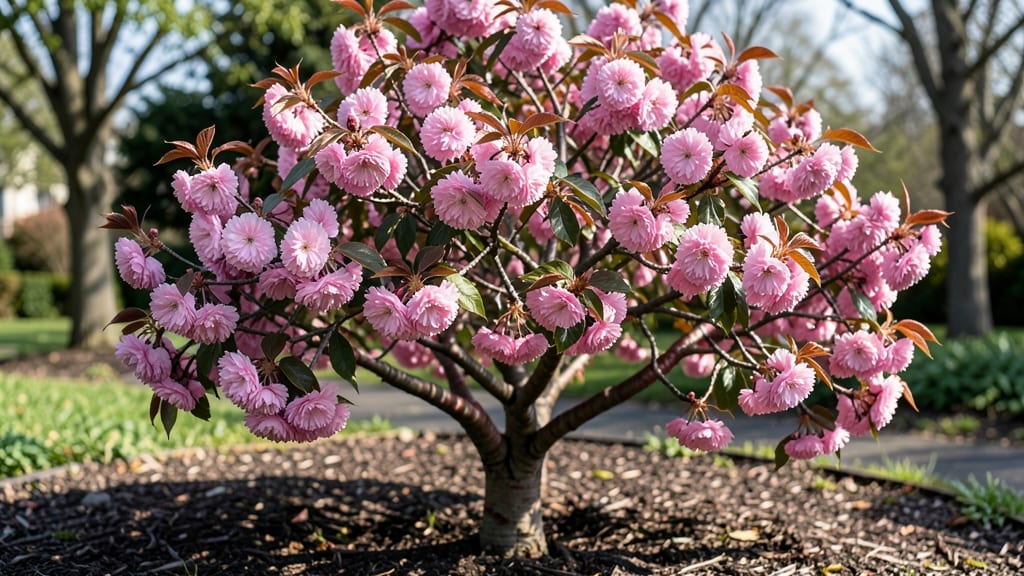
Kwanzan cherry tree care has been the secret to my yard’s springtime showstopper for years, and I’ve learned the hard way that pruning makes all the difference between a spectacular display and a sad, leggy mess. The secret to those famous pink blooms isn’t just about when you cut—it’s about how you shape the tree to balance beauty and strength. I’ll show you how to prune for year-round interest, not just spring blooms, and keep your tree healthy for decades.
You’ll need basic pruning tools—a sharp pair of bypass pruners, loppers for thicker branches, and maybe a small saw for stubborn limbs—and the right timing. Most people prune too late, after the flowers fade, which means missing the best window for encouraging next year’s blooms.
The real magic happens in late winter or early spring, right before buds swell but before leaves appear. This gives the tree time to heal before summer heat arrives.
What you end up with is a tree that bursts with blooms in spring, maintains decent foliage through summer, and even puts on a show in fall with its brilliant red leaves.
The structure stays strong enough to handle storms, and you avoid the common problem of overpruning that turns trees into weak, sprawling shadows of their former selves. I’ve seen Kwanzans that look like bonsai disasters after aggressive pruning—don’t let that be yours.
This method works for both young trees you’re training and mature specimens that need rejuvenation. The key is patience: you won’t see dramatic changes overnight, but after three years of proper pruning, your tree will look like it belongs in a botanical garden.
Let’s get started with the step-by-step approach that’s saved my tree from more than one pruning disaster.
📚 In This Guide
- What you need
- Instructions
- Tips and common mistakes
- Wrapping up and next steps
What you need
- ● Pruning shears: Bypass pruners (sharp, clean, and sterilized with rubbing alcohol or bleach to prevent disease). Recommended: Felco F-2 or Corona Tools.
- ● Loppers: For thicker branches (1–2 inches in diameter). Look for ratcheting or bypass-style loppers for precision.
- ● Pruning saw: A curved-tooth saw (like the Fiskars X27) for branches over 2 inches thick.
- ● Gloves: Heavy-duty, cut-resistant gloves (e.g., Mechanix Wear or Filon) to protect hands from thorns and sharp tools.
- ● Disposable pruning bags: 1–2 heavy-duty bags (20–30 gallon) for collecting debris and fallen blooms.
- ○ Pruning sealant: Optional but helpful for larger cuts (e.g., Tanglefoot Tree Wound Pruning Seal) to prevent disease entry.
- ● Ladder or step stool: Sturdy and tall enough to reach the tree’s canopy safely. Pro tip: Use a 3-point contact rule (hands + feet) when climbing!
- ● Hose or bucket: For rinsing tools and cleaning cuts mid-pruning.
- ● Weather check: Prune on a dry, overcast day to reduce stress on the tree. Avoid pruning during frost or extreme heat.
- ● Safety glasses: Protect your eyes from debris (e.g., Oakley or safety-rated goggles).
- ● Long sleeves/pants: Wear lightweight, breathable layers to shield against thorns and sun exposure.
- ● First-aid kit: Bandages, antiseptic wipes, and tweezers for minor cuts or splinters.
- ● Tree identification: Confirm it’s a Kwanzan cherry (Prunus serrulata ‘Kwanzan’)—look for its dark pink double blooms and horizontal branching.
- ● Extension pole: For high branches (e.g., telescoping pruners with a 6–10 ft reach).
- ● String or measuring tape: To mark branches for removal or assess growth patterns.
- ○ Tree growth regulator: Optional for post-pruning care (e.g., Sea90 or fish emulsion to boost recovery).
- ● Camera or phone: Document your pruning progress—before/after shots are satisfying!
Instructions for pruning your Kwanzan cherry tree
Here’s how to keep your tree blooming beautifully while maintaining its strength—no guesswork involved.
Time Your Pruning for Maximum Blooms
Prune your Kwanzan cherry tree right after flowering, typically in late spring (May or June). This timing ensures you don’t cut off next year’s flower buds, which form on old wood. If you prune too early, you risk removing potential blooms; too late, and you encourage weak growth before winter.
Watch for fully opened flowers to fade—this is your cue. Avoid pruning during dormancy (winter) or active growth (summer), as both can stress the tree. A sharp pair of bypass pruners (cleaned with rubbing alcohol) is essential—dull tools tear bark, inviting disease.
Remove Dead, Damaged, or Crossing Branches First
Start by thinning out dead, diseased, or weak branches—they’re easy to spot by their brown, brittle wood or lack of leaves. Cut these back to the main trunk or a healthy lateral branch, making clean cuts at a 45-degree angle just outside the branch collar (the swollen area where the branch meets the trunk).
Next, target crossing or rubbing branches—these compete for sunlight and can damage each other. Remove one of the two, always choosing the smaller or weaker branch to preserve the tree’s natural shape. Never leave stubs; prune back to a bud or lateral branch to encourage healthy regrowth.
Thin the Canopy for Airflow and Light
Kwanzan cherries bloom best with good airflow and sunlight reaching the inner branches. Step back and visualize the tree’s structure—aim to remove 20-30% of the canopy by selectively thinning branches from the inside outward. Focus on branches growing straight up or inward, which block light and crowd the center.
Cut branches back to a side branch or bud at a 45-degree angle, ensuring the cut faces away from the trunk. Avoid "heading back" (cutting back to a stub)—this encourages dense, weak growth. You’ll know you’ve done enough when sunlight filters through the canopy and you can see open spaces between branches.
Shape the Tree for Balance and Beauty
Now’s the time to refine the tree’s natural form. Kwanzan cherries have a weeping, layered habit, so avoid heavy pruning that flattens their graceful silhouette. Lightly trim overly long branches to maintain proportion, cutting just above a bud or lateral branch that faces outward.
Pay special attention to the lower branches—removing a few of the smallest ones near the base improves airflow and makes mowing easier. Never remove more than one-third of a branch’s length in a single cut, or you’ll stress the tree. Step back frequently to check your progress—your goal is a balanced, open canopy that still looks full and lush.
Clean Up and Protect the Tree
After pruning, sterilize your tools with rubbing alcohol to prevent spreading disease. Rake up and dispose of all clippings—never leave them on the ground, as they can harbor pests or fungi. If the tree has deep cuts (over ½ inch wide), apply pruning sealant to protect exposed wood from rot or insects.
Water the tree deeply after pruning to help it recover, especially if the weather is dry. Mulch around the base (but keep it 2-3 inches away from the trunk) to retain moisture and regulate soil temperature. Avoid heavy fertilization right after pruning—let the tree focus on healing before pushing new growth.
Tips & tricks for pruning your Kwanzan cherry tree
Let’s cut through the confusion—these are the practical tips that’ll help you prune like a pro while keeping your Kwanzan cherry tree thriving for years.
Timing is Everything: The late spring timing in Step 1 is non-negotiable for blooms. I’ve seen gardeners prune too early and end up with sparse flowers the next year—don’t make that mistake. If you miss the window, wait until after the blooms fade completely, but never prune during active growth in summer or dormancy in winter. The tree’s energy needs to focus on next year’s buds, not new leafy growth.
Tool Prep Prevents Problems: Before you start, spend five minutes sharpening your bypass pruners and cleaning them with rubbing alcohol. Dull blades tear bark and create wounds where diseases can enter. I keep a small bottle of alcohol in my gardening toolbox specifically for this purpose. Also, make sure your tools are clean before you begin—you don’t want to transfer pathogens from one branch to another.
Visualize Before You Cut: In Step 3, when you’re thinning the canopy, step back and imagine sunlight filtering through. The goal is to create an open, airy structure where every branch gets its share of light. I like to sketch a rough outline of what I want the tree to look like—this helps me avoid over-pruning. Remember, you’re aiming for 20-30% reduction, not a radical makeover.
Clean Cuts Create Healthy Growth: The 45-degree angle mentioned in Steps 2 and 3 isn’t just for looks—it helps water run off the cut and prevents rot. Always cut just outside the branch collar where the branch meets the trunk. I’ve seen too many gardeners leave stubs, which leads to weak regrowth. When in doubt, cut back to a lateral branch or bud that’s facing outward—this encourages healthy growth in the right direction.
Pro Tips for Kwanzan Cherry Tree Care
- Let’s cut through the confusion—these are the practical tips that’ll help you prune like a pro while keeping your Kwanzan cherry tree thriving for years.
- Timing is Everything: The late spring timing in Step 1 is non-negotiable for blooms.
- Tool Prep Prevents Problems: Before you start, spend five minutes sharpening your bypass pruners and cleaning them with rubbing alcohol.
Frequently asked questions
about Kwanzan cherry tree care—your go-to guide for keeping this stunning tree thriving!When is the best time to prune a Kwanzan cherry tree for blooms?
Prune your Kwanzan cherry tree immediately after flowering (late April to early May). This timing ensures you don’t cut off next year’s blossoms while promoting healthy growth. Avoid heavy pruning in late summer or fall, as it can stimulate weak growth susceptible to winter damage.
How much can I prune a Kwanzan cherry tree without harming it?
Limit pruning to no more than 25% of the tree’s canopy per year. Over-pruning stresses the tree and reduces flowering. Focus on removing dead, diseased, or crossing branches first. For structural shaping, thin out branches to improve airflow and light penetration.
Why aren’t my Kwanzan cherry tree blooms as vibrant as they used to be?
Dull blooms often signal over-fertilization, poor sunlight, or improper pruning. Ensure your tree gets 6+ hours of direct sunlight daily and use a balanced fertilizer (10-10-10) in early spring. Avoid heavy nitrogen, which promotes foliage over flowers. Check for pests like aphids or spider mites too!
Can I grow a Kwanzan cherry tree in a container?
While possible, Kwanzan cherries thrive best in the ground due to their size and root system. If container-grown, use a large (20+ gallon) pot with well-draining soil and repot every 2–3 years. Expect slower growth and fewer blooms compared to in-ground planting.
What should I do if my Kwanzan cherry tree’s branches are dying?
Start by pruning dead or dying branches back to healthy wood. Check for signs of canker disease, borers, or fungal infections. Sterilize pruning tools with rubbing alcohol between cuts. Improve air circulation by thinning dense areas, and avoid overhead watering to prevent fungal growth.
Wrapping up and next steps
Caring for your Kwanzan cherry tree is all about balancing pruning precision and seasonal timing—and the reward? A stunning, healthy tree that blooms beautifully year after year! 🌸 With the right tools, techniques, and patience, you’ll keep your tree thriving while shaping it to perfection.
Now that you’re armed with expert tips, roll up your sleeves and start pruning—your tree (and your neighbors!) will thank you.
Ready to take it further? Document your progress with photos or sketch a simple pruning map to track growth. Need more inspiration? Explore advanced pruning techniques or join a local gardening group for hands-on guidance!