
Pruning
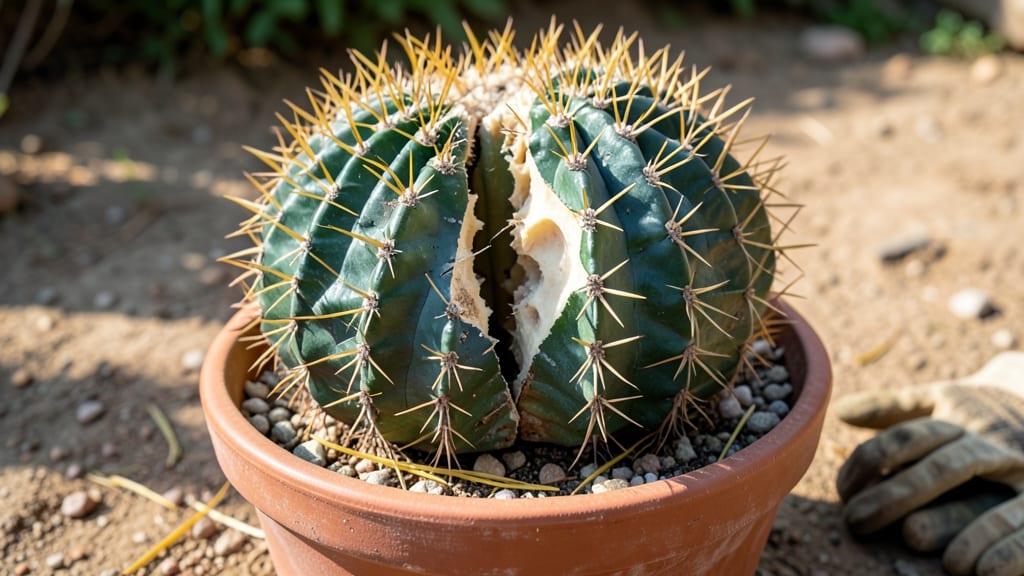
That first glimpse of a porcupine tree damage photo showing jagged holes in your leaves sends a chill down your spine—it’s not just pests, it’s a silent health crisis. 🌿 I’ve seen these trees go from thriving to struggling in just a few weeks, and the damage often starts with subtle signs most gardeners miss.
The key to saving your tree lies in recognizing those early warning signals before they spiral into something irreversible.
Think of it like a medical diagnosis: discolored foliage, sawdust-like frass on branches, or sticky sap are all clues pointing to specific problems. Some damage comes from environmental stress—like drought or extreme heat—while others are the work of pests like porcupine scale or borers.
The good news? Most issues can be reversed with the right pruning techniques and targeted treatments, but you’ve got to act fast.
By the time you see heavy defoliation or oozing bark, your tree is already fighting for its life. What you’ll learn here is how to spot these symptoms early—before they become permanent—and restore your porcupine tree to its former glory.
We’re talking lush, healthy foliage and strong branches again, not just survival.
Whether you’re dealing with a young sapling or a mature tree, the solutions are practical and adaptable. The goal isn’t just to fix the damage but to build resilience so your tree thrives for years to come. Let’s get started with the visual cues that matter most.
Root Causes Of Tree Injury
Understanding why porcupine trees (or Parkinsonia aculeata) develop damage—whether from bark peeling, leaf discoloration, or structural weakness—often starts with identifying the primary triggers. These trees, native to the Americas but naturalized worldwide, are hardy but not invincible.
Below, we break down the key reasons your porcupine tree might show signs of distress, complete with scientific explanations and actionable insights.
Porcupine trees thrive in dry, well-drained soils, and excess moisture is their nemesis. When roots sit in soggy conditions, they suffocate due to anaerobic stress—a lack of oxygen that triggers root rot (Phytophthora or Fusarium fungi).
Symptoms include: - Yellowing leaves (chlorosis) from nutrient uptake failure. - Mushroom growth at the base (a red flag for fungal decay). - Stunted growth or sudden leaf drop.
Why it happens:
- Compacted or clay-heavy soil traps water.
- Overzealous irrigation (especially in winter) overwhelms roots.
- Poorly sloped landscapes direct water toward the trunk.
Actionable fix: ✅ Test soil drainage—dig a 12-inch hole, fill it with water, and time how long it drains. If it takes >6 hours, amend with sand or perlite. ✅ Adjust watering—soak deeply once a week (or less in rain) and avoid wetting foliage. ✅ Raise the root zone—mound soil around the base to improve airflow.
Porcupine trees are drought-tolerant but hate extremes. Sudden temperature swings, salt buildup, or air pollution can weaken them, making them susceptible to secondary pests or diseases.
Key culprits:
- Salt damage (from road de-icing or poor-quality water) causes leaf scorch and crusty white deposits on soil.
- Frost or cold snaps (<25°F) can kill new growth or bruise bark, inviting fungal infections.
- Air pollution (ozone or sulfur dioxide) leads to stippled, brown leaves (like a "flecking" pattern).
Why it happens:
- Salt ions disrupt cellular osmosis, dehydrating roots.
- Cold stress ruptures cell membranes in tender shoots.
- Pollutants clog stomata, reducing photosynthesis.
Actionable fix: ✅ Flush soil with fresh water if using hard/treated water. ✅ Mulch heavily (3–4 inches of wood chips) to insulate roots in winter. ✅ Avoid planting near high-traffic roads if air quality is poor.
While porcupine trees are pest-resistant, overcrowding, stress, or weak health can attract invaders.
Common offenders include: - Scale insects (sap-sucking pests) leave sticky honeydew and black sooty mold. - Borers (Sirex or Ambrosia beetles) tunnel into weakened wood, causing sawdust-like frass and cracked bark. - Fungal pathogens (Cercospora leaf spot) thrive in humid conditions, creating purple-brown spots with yellow halos.
Why it happens:
- Stressed trees (from drought or poor soil) have lower resin defenses.
- Monoculture plantings increase pest spread.
- Wet foliage (from overhead watering) encourages fungal spores.
Actionable fix: ✅ Prune for airflow—remove dense branches to reduce humidity. ✅ Apply horticultural oil (in dormant season) to smother scale. ✅ Remove infected branches 6+ inches below damage to prevent spread.
Porcupine trees have thorny branches for a reason—they’re tough but prone to tear when mishandled.
Poor cuts or trauma expose them to: - Bacterial infections (Erwinia or Pseudomonas) causing oozing cankers. - Sun scald on freshly cut wood (common in winter pruning). - Structural weakness from top-heavy growth after aggressive trimming.
Why it happens:
- Improper cuts (too close to trunk or jagged) fail to heal.
- Over-pruning removes protective bark layers.
- Lawnmower or weed whacker damage strips bark at the base.
Actionable fix: ✅ Use sharp, sterilized tools and make clean, slanted cuts (1/4" above a branch collar). ✅ Avoid winter pruning—wait until late spring to reduce sun scald risk. ✅ Protect young trees with a tree guard to prevent mechanical injury.
Porcupine trees prefer alkaline to neutral soil (pH 6.0–8.0) and struggle when nutrients are imbalanced. Signs of deficiency include:
- Yellow lower leaves (chlorosis) = iron or manganese deficiency.
- Purple stems/leaves = phosphorus deficiency.
- Wilting despite moist soil = potassium deficiency or boron toxicity.
Why it happens:
- Over-fertilizing (especially with nitrogen) burns roots.
- Acidic soil (from pine needles or peat) locks out micronutrients.
- Heavy metals (from old paint or industrial runoff) poison roots.
Actionable fix: ✅ Test soil pH—aim for 6.5–7.5; amend with lime (to raise pH) or sulfur (to lower). ✅ Use slow-release fertilizer (like 8-3-9) in early spring. ✅ Avoid compost piles near roots if they’re high in organic acids.
Even healthy porcupine trees show signs of senescence (aging) over time, such as:
- Thinning canopy from reduced photosynthesis.
- Peeling bark (normal as they mature) but excessive peeling = sun exposure or wind damage.
- Dieback in older branches due to reduced vascular flow.
Why it happens:
- Lignin breakdown in older xylem reduces water transport.
- Reduced root mass can’t support the tree’s height.
- Genetic predisposition to weak wood (varies by cultivar).
Actionable fix: ✅ Thin the canopy to reduce weight on old branches. ✅ Support large branches with tree straps if wind is an issue. ✅ Consider replacement if >50% of the tree is non-viable.
Fixing Porcupine Tree Damage Now
If your porcupine tree (Carissa macrocarpa) is showing signs of stress—whether from pests, disease, or environmental factors—don’t panic. With the right approach, you can revive its health and prevent further harm.
Below, we’ve mapped out practical solutions for common damage causes, along with prevention tips to keep your tree thriving.
If you spot chewed leaves, sap oozing, or tiny holes in the bark, pests like scale insects, mealybugs, or borers are likely the culprits.
🔥 Immediate Treatment: Manual & Chemical Control
- 👨🍳 Scrape Off Visible Pests Use a soft brush or cloth dipped in soapy water (1 tsp mild dish soap per quart of water) to wipe away scale insects or mealybugs from leaves and stems.
Focus on new growth where pests love to hide. - Pro Tip: 💡 Do this on a cloudy day to avoid stressing the tree with direct sunlight.
- 🍳 Apply Horticultural Oil or Neem Oil Spray neem oil (2 tsp per gallon of water) or horticultural oil on both sides of leaves and the trunk. Reapply every 7–10 days until pests disappear.
- Warning: ⚠️ Avoid spraying when temperatures exceed 90°F (32°C)—it can burn the foliage.
- 🔪 Severe Infestations? Try Systemic Insecticide For borers or deep-root pests, use a systemic insecticide (like imidacloprid) applied to the soil. Follow label instructions carefully—overuse can harm beneficial insects.
🌡️ Prevention for Long-Term Protection
- 🎯 Encourage Natural Predators Ladybugs, lacewings, and parasitic wasps love eating scale insects.
Plant companion flowers like marigolds or alyssum nearby to attract them. - 🌿 Prune for Airflow Thin out dense branches to reduce humidity (pests thrive in damp, shaded areas). - 🔍 Inspect Regularly Check the undersides of leaves and cracks in bark every 2 weeks during growing season.
If your porcupine tree has yellowing leaves, wilting, or blackened roots, it may be overwatered, underwatered, or suffering from poor drainage.
🥘 Correcting Watering Issues
- 💧 Check Soil Moisture First Stick your finger 2 inches into the soil—if it’s damp, hold off on watering.
If bone-dry, water deeply until it drains from the bottom. - Pro Tip: 🌡️ Water in the early morning to reduce evaporation and fungal risks.
- ⏰ Adjust Your Watering Schedule Porcupine trees hate soggy roots. Water only when the top 1–2 inches of soil are dry (usually 1–2 times per week, less in winter).
- Signs of Overwatering: 🚨 Mushy stems, leaf drop, or a foul smell from the soil.
- 🔧 Improve Drainage If your tree is in a container, ensure pots have drainage holes.
For in-ground plants, amend the soil with perlite or sand to improve airflow. - DIY Fix: 🔨 Dig a 1-inch layer of gravel at the base before replanting to prevent water pooling.
🌿 Prevention for Healthy Roots
- 🌱 Use Well-Draining Soil Mix cactus/succulent soil with compost (50/50 ratio) for optimal drainage.
- 🍂 Mulch Properly Apply 2–3 inches of mulch (like bark chips) around the base, but keep it 2 inches away from the trunk to prevent rot.
- 🌧️ Avoid Watering During Rainy Seasons If your area gets heavy rainfall, reduce watering to once every 10–14 days.
Spots, blackened stems, or powdery white growth? Fungal or bacterial infections are likely.
🔪 Treating Fungal Issues
- 🍳 Prune Infected Areas Immediately Use sterilized pruners to cut off diseased branches 6 inches below the damage. Dispose of infected plant debris in the trash (not compost).
- Safety First: ⚠️ Wear gloves—some fungi (like anthracnose) can irritate skin.
- 🌡️ Apply Fungicide Spray with copper fungicide or neem oil (both prevent and treat fungal growth). Reapply every 10–14 days until new growth appears.
- Best Time to Spray: 🌅 Early morning when humidity is high (fungi spread faster then).
💡 Prevention Tips
- 🌿 Space Plants for Airflow Porcupine trees need good circulation.
Space them 3–5 feet apart to reduce humidity buildup. - 🍂 Clean Up Debris Remove fallen leaves and pruned branches promptly—they harbor fungal spores. - 🌧️ Water at the Base Avoid wetting leaves when watering to prevent fungal spores from spreading.
If your porcupine tree is weak from neglect, these steps will help it bounce back:
- 🌱 Fertilize Lightly Use a balanced, slow-release fertilizer (10-10-10) in spring and early summer. Avoid heavy nitrogen—it encourages soft, pest-prone growth.
- Pro Tip: ✨ Fish emulsion (high in nitrogen) can be a gentler option for recovery.
- 🌿 Trim for Health Remove dead, crossing, or crowded branches to reduce stress. Use sharp, sterilized shears to prevent disease entry.
- Best Time to Prune: ⏰ Late winter or early spring (before new growth).
- 🌞 Provide the Right Light Porcupine trees thrive in full sun (6+ hours/day). If indoors, place near a south-facing window or use grow lights for 12–14 hours/day.
Final Thought: 🎯 Act fast when you spot damage, but prevention is key. With the right care, your porcupine tree can bounce back stronger—and even flourish with its signature glossy leaves and fragrant flowers.
Frequently asked questions
What are the most common signs of porcupine tree damage in photos?
Look for jagged holes in leaves (often from pests), peeling or cracked bark, black sooty mold (a sign of scale insects), or yellowing/browning foliage. These visual cues help identify whether the issue is pest-related, fungal, or environmental. Compare your photo to known damage patterns for accurate diagnosis.
Can I save a porcupine tree with severe bark damage?
Yes, but act fast! Clean the damaged area with a sterilized brush, apply pruning sealant to exposed wood, and monitor for signs of infection. If the damage exposes large sections of inner bark, prune back to healthy tissue and improve airflow around the tree to prevent further stress.
How do I tell if leaf damage is from pests vs. disease?
Pest damage often shows as tiny holes, sticky residue (honeydew), or frass (sawdust-like droppings). Disease damage appears as spots, discoloration, or powdery growth. Check the undersides of leaves—pests hide there, while fungal spores spread across surfaces. Use a magnifying glass for close inspection.
Is it safe to prune a porcupine tree during winter?
No, avoid winter pruning! Cold weather slows healing, increasing risk of sun scald and bacterial infections. Wait until late spring when new growth begins. Always use sharp, sterilized tools and make clean cuts just outside the branch collar.
What’s the best way to document tree damage for diagnosis?
Take close-up photos of affected areas (leaves, bark, roots) in natural light, plus a wide shot showing overall health. Include a ruler or coin for scale, and note any unusual smells (like rot). Share these with local extension services or gardening forums for expert opinions.