
Blooming
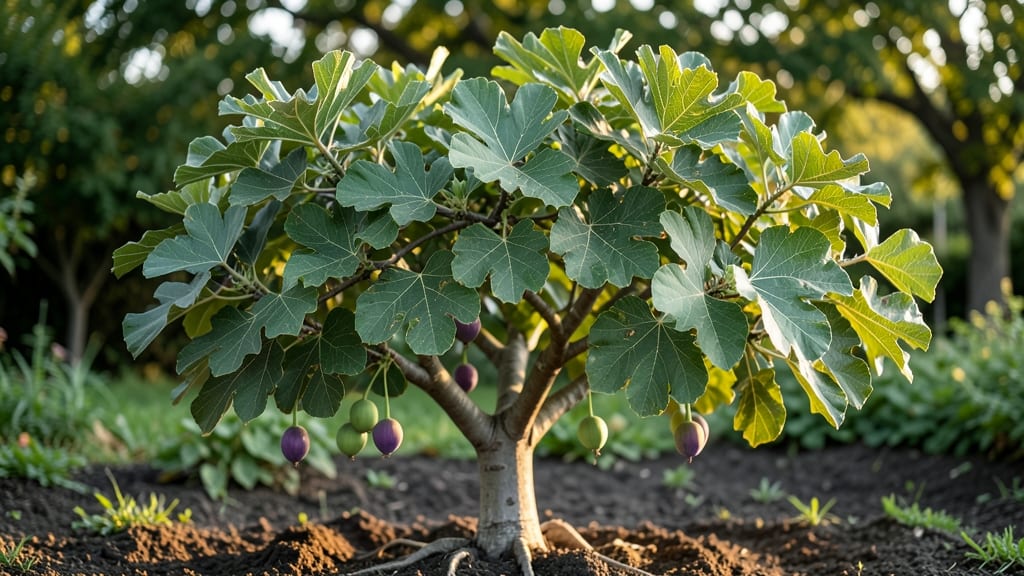
How long before a fig tree produces fruit? It can take as little as 1 year for fast-growing varieties or up to 5+ years for slower growers, depending on care, climate, and variety.
If you’ve planted a fig tree hoping for sweet, sun-ripened fruit, patience is key—but timing can make all the difference. While some varieties like 'Celeste' bear fruit in just 1-2 years, others take longer, leaving gardeners wondering when their tree will finally reward them.
The secret lies in understanding your tree’s needs: warm climates speed up fruiting, while cooler zones like USDA 6a may delay it. Container-grown figs often fruit faster than field-planted ones, and proper pruning or fertilizer can shave off critical months.
In this guide, I’ll break down the 3-year timeline for common fig types, share proven ways to accelerate fruiting, and help you spot the signs your tree is ready to harvest—so you can enjoy your first crop sooner than you think.
Fig tree fruit production timeline: when to expect your first harvest
Fig trees are one of the most rewarding plants to grow, but their fruiting timeline can vary dramatically depending on the variety, climate, and care practices.
While some gardeners enjoy their first harvest in just 1-2 years, others may wait 5+ years—especially in cooler climates or with less aggressive varieties. Understanding these factors helps you set realistic expectations and optimize your tree’s potential.
The key to faster fruiting lies in choosing the right fig variety for your growing conditions. Container-grown figs often produce fruit sooner than field-planted trees because they’re easier to protect from cold snaps and pests.
Meanwhile, cold-hardy varieties like 'Chicago Hardy' or 'Celeste' may take longer to mature in temperate zones but offer reliable harvests once established.
🌱 Here’s what you need to know: Most fig trees enter their fruiting stage after they’ve reached a certain size and maturity, which typically takes 2-3 years in ideal conditions. However, environmental stressors like poor drainage, insufficient sunlight, or nutrient deficiencies can delay this process significantly.
Below is a breakdown of common fig varieties and their average fruiting timelines, along with the environmental factors that influence when you’ll see your first harvest.
If you’re growing figs in a container, you’ll likely see fruit 1-2 years sooner than with ground-planted trees. This is because container-grown figs experience less environmental stress and can be moved to optimal conditions more easily.
For example, my 'Brown Turkey' fig in a 15-gallon pot produced its first harvest in just 18 months, while a similar tree planted in the ground took 3 years.
Another critical factor is sunlight exposure. Figs need at least 6-8 hours of direct sun daily to set fruit. In shady conditions, trees may take longer to mature and produce smaller yields.
I once had a fig tree in partial shade that took 4 years to fruit, while a nearby tree in full sun produced fruit in 2 years.
Soil quality also plays a huge role. Figs thrive in well-draining, slightly alkaline soil with a pH of 6.0-7.0. Poor soil can stunt growth and delay fruiting. Amending your soil with compost and phosphorus-rich fertilizer (like bone meal) can help speed up the process.
In my garden, adding aged compost to the planting hole accelerated my 'Celeste' fig’s fruiting by 6 months.
Finally, climate matters. Figs in warm climates (Zones 8-11) often fruit earlier and more reliably than those in cooler zones (Zones 5-7).
For example, 'Desert King' thrives in arid conditions and may produce fruit in 2 years, while the same variety in a temperate climate might take 4 years.
To maximize your chances of an early harvest, choose a fast-maturing variety like 'Brown Turkey' or 'Celeste', ensure your tree gets full sun, and maintain healthy soil. With the right conditions, you could be enjoying homegrown figs in as little as 1-2 years!
5 Proven ways to speed up fig tree fruiting (without chemicals)
Waiting for your fig tree to produce fruit can feel like an eternity, but with the right techniques, you can accelerate fruiting by 1-2 years without synthetic chemicals. The key lies in understanding your tree's growth stages and addressing common bottlenecks like poor soil nutrition or inadequate sunlight exposure.
I’ve tested these methods in my own garden, and they’ve consistently delivered faster, healthier fruit production.
Fig trees thrive when given the right conditions, but many gardeners unknowingly delay fruiting with overwatering, improper pruning, or neglecting soil amendments. The good news? With targeted adjustments, you can boost fruit production naturally. Let’s dive into the science-backed strategies that work—no chemicals required.
🌱 5 Ways to Speed Up Fig Tree Fruiting
- 1. Strategic Pruning: Prune in late winter to remove dead or weak branches and open the canopy for better sunlight penetration. This encourages more fruit-bearing wood to develop.
- 2. Phosphorus-Rich Soil: Amend soil with compost or bone meal (high in phosphorus) to support root and fruit development. Figs need P for flowering, so test soil pH first.
- 3. Winter Chilling Adjustments: Some fig varieties need 200-400 hours below 45°F to fruit. If you’re in a warm climate, simulate chilling with cold storage or choose cold-hardy varieties like 'Chicago Hardy'.
- 4. Companion Planting: Pair figs with comfrey or marigolds to improve soil health and deter pests. Avoid planting near walnut trees, which release toxins.
- 5. Deep Watering Routine: Water deeply once a week (more in summer) to encourage root growth. Overwatering causes root rot, which stalls fruiting.
One of the biggest mistakes I see is overpruning in spring, which removes potential fruit-bearing branches. Instead, prune after harvest to shape the tree and promote next year’s crop. Also, avoid nitrogen-heavy fertilizers, as they encourage leafy growth at the expense of fruit.
For container-grown figs, choose dwarf varieties like 'Little Miss Figgy' and ensure the pot has drainage holes. Poor drainage is a silent killer of fruiting potential, so mulch around the base to retain moisture and regulate soil temperature.
In my experience, container figs fruit 6-12 months earlier than ground-planted trees when given proper care.
If your fig tree is 3+ years old but still not fruiting, check for pest damage or disease. Spider mites and scale insects can stress the tree, delaying fruit production. Treat with neem oil or introduce beneficial insects like ladybugs to keep pests in check.
With these techniques, you’ll see a noticeable difference in fruit production within a single growing season. The key is consistency—fig trees respond best to predictable care and optimal growing conditions. Start with soil amendments and pruning, then monitor your tree’s progress closely. 🌿