
Pruning
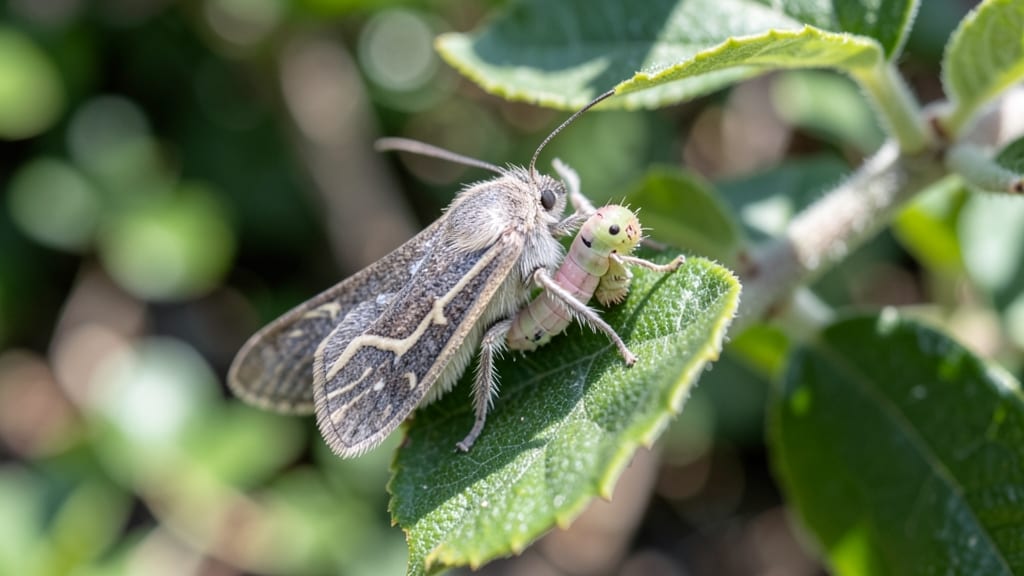
Spotting plum tree bugs in pictures can feel like a losing battle—until you know what you're really dealing with. 🌿 These common pests (aphids, borers, scale, and mites) each leave distinct clues: curled leaves, sticky residue, or webs between branches.
The key to saving your tree starts with matching the damage to the right bug, then acting fast before they spread.
I’ve spent years tracking these pests in my orchard, and the first step is always the same: examine the leaves, bark, and fruit for telltale signs. Aphids cluster in colonies, borers tunnel under bark, scale insects look like little bumps, and spider mites spin fine webs.
Once you spot these red flags, you can choose the right fix—whether it’s a strong spray, beneficial insects, or pruning out the worst-hit branches.
With the right approach, your tree can bounce back stronger. Healthy plum trees resist pests better, so focus on prevention: keep the area clear of debris, water deeply but less often, and watch for early signs of trouble.
The sooner you act, the less damage those bugs can do—and the sweeter your harvest will be next season.
This guide breaks down each pest with clear descriptions and photos so you can spot them instantly. No more guessing games—just practical steps to protect your tree and keep it thriving. Let’s get those pests identified and under control for good.
Root Causes Of Plum Tree Infestations
Understanding why bugs target your plum trees starts with recognizing their motivations—whether it's food, shelter, or reproduction. Here’s a breakdown of the key reasons these pests invade your trees, along with the science behind their behavior.
Plum trees, like all fruit-bearing plants, rely on a robust immune system to fend off pests. When this system weakens, bugs like aphids, scale insects, or Japanese beetles see an opportunity. Here’s why it happens:
- Nutrient Deficiencies 🌿 Trees deprived of essential nutrients (like nitrogen, potassium, or magnesium) produce weaker leaves, stems, and bark. Bugs detect these deficiencies through volatile organic compounds (VOCs) emitted by stressed plants.
For example, aphids are drawn to trees with high levels of sucrose in their sap—a sign of poor health.
- Water Stress 💧 Overwatering or drought can disrupt a tree’s natural defenses. Root rot from excess moisture or wilting from dehydration both create stress signals that attract pests. Japanese beetles, for instance, prefer trees already under water stress because their larvae thrive in moist soil.
- Physical Damage ⚔️ Broken branches, cracked bark, or wounds from pruning create entry points for pests. Bark beetles and borers exploit these openings to lay eggs. Even sunburnt bark (from improper pruning) can attract pests like spider mites, which thrive in dry, damaged areas.
Actionable Fix: Conduct a soil test to check nutrient levels and adjust fertilization. Monitor moisture levels—aim for 1–1.5 inches of water per week—and prune only during dormancy to minimize stress.
Many plum tree pests have life cycles that align with the tree’s growth stages. When conditions are ideal, they reproduce rapidly, leading to outbreaks.
- Timing of Emergence ⏳ Some bugs, like plum curculio weevils, emerge just as plum trees bloom (late spring). Their larvae then feed on developing fruit, causing calyx-end rot. Similarly, aphids reproduce exponentially in warm, humid weather (60–80°F), which coincides with new leaf growth.
- Host Plant Preference 🍑 Plum trees are preferred hosts for certain pests due to their soft, sugary sap and thin bark.
For example: - Scale insects feed on sap and excrete honeydew, which attracts ants (their protectors). - Codling moths target fruit because plums provide high moisture and sugar content for their larvae.
- Overwintering Habits ❄️ Many pests, like spider mites or borers, survive winter in egg or pupal stages on tree bark or in soil. When spring arrives, they synchronize their hatching with new leaf or fruit emergence, ensuring a ready food source.
Actionable Fix: Use seasonal monitoring—check for egg masses (e.g., codling moth eggs on fruit spurs) in early spring and late summer. Apply horticultural oil in dormant season to smother overwintering eggs.
Climate, landscape, and even nearby plants can create the perfect storm for plum tree pests.
- Microclimates 🌡️ Plum trees in sheltered, warm microclimates (e.g., near buildings or dense foliage) retain heat and humidity, accelerating pest reproduction. Japanese beetles and aphids thrive in these conditions because they cannot tolerate freezing temperatures.
- Nearby Host Plants 🌳 If your plum tree is surrounded by other fruit trees, roses, or weeds, pests have a buffer zone to multiply before attacking your plum.
For example: - Apple trees attract codling moths, which may later infest plums. - Dandelions host aphids, which then migrate to plum trees.
- Lack of Natural Predators 🦋 Healthy ecosystems have beneficial insects (like ladybugs, lacewings, or parasitic wasps) that keep pest populations in check. If your garden lacks diverse plantings or pollinator-friendly flowers, these predators disappear, allowing pests to explode in numbers.
Actionable Fix: Plant companion plants like marigolds, basil, or lavender to repel pests. Introduce birdhouses or bat boxes to encourage natural predators. Avoid broad-spectrum pesticides, which kill both pests and their predators.
Sometimes, well-meaning gardening practices unintentionally invite pests.
- Improper Pruning ✂️ Cutting too late in the season or using dull tools can spread diseases and create wounds where pests enter. Bacterial canker, spread by pruning tools, weakens trees and attracts sap-sucking insects.
- Over-Fertilization 🧪 Excess nitrogen promotes soft, tender new growth—a buffet for Japanese beetles and leafhoppers. These pests prefer young, succulent leaves over mature, tougher foliage.
- Ignoring Early Signs 🚨 Delaying treatment for small infestations (e.g., a few aphids) allows them to reproduce exponentially. A single aphid colony can grow to thousands in weeks if unchecked.
Actionable Fix: Prune only in late winter/early spring and sterilize tools with rubbing alcohol. Use slow-release, balanced fertilizers (e.g., 10-10-10) and inspect trees weekly for early signs of pests.
Quick Fixes for Plum Tree Pests
Plum trees are a treasure in any garden, but pests like aphids, scale insects, plum curculio, or spider mites can turn your harvest into a disappointment. 🐛🍑 The good news? Most issues have simple, effective solutions—whether you’re dealing with chewed leaves, sticky sap, or wilting branches.
Below, we break down cause-specific fixes to restore your tree’s health, plus prevention tips to keep pests at bay.
Signs: Sticky residue ("honeydew") on leaves, curled or yellowing foliage, tiny clusters of bugs on stems.
How to Fix It:
- 🚿 Blast Them Away (Mechanical Control) - Use a strong stream of water from a hose to dislodge aphids and scale.
Repeat every 3–4 days for 2 weeks. - For scale, scrub infested areas with a soft brush dipped in soapy water (1 tsp mild dish soap + 1 quart water).
- 🍃 Natural Sprays (Organic Solutions) - Neem oil spray: Mix 1 tbsp neem oil + 1 tsp mild soap in 1 quart water. Spray early morning or evening (avoid direct sun—it burns leaves).
Reapply every 7–10 days. - Insecticidal soap: Spray directly on bugs (test on a small leaf first). Best for aphids—avoid scale’s waxy armor by scrubbing first.
- 🐝 Friendly Predators (Eco-Friendly Boost)
- Attract ladybugs and lacewings by planting dill, fennel, or marigolds nearby. These bugs love aphids for breakfast!
💡 Prevention Tips:
- Prune regularly to improve airflow (pests thrive in dense foliage).
- Apply horticultural oil in late winter/early spring before bugs hatch.
- Reflective mulch (aluminum foil around the base) can deter aphids with light confusion.
Signs: Tiny holes in fruit, larvae inside plums, adult weevils (snout-nosed beetles) on branches.
How to Fix It:
- 🧹 Trap & Remove Adults (Early Season) - Wrap tree trunks with burlap bands (18" wide) in May/June—adults climb up to lay eggs.
Check daily and drown them in soapy water. - Pheromone traps (available at garden centers) mimic female curculio scent to lure males away.
- 🥘 Fruit Bagging (Protect Your Harvest)
- Cover newly formed fruit with paper bags or mesh bags (secured tightly). Remove bags when fruit is half-sized (weevils stop laying eggs).
- 🔪 Late-Season Cleanup
- Drop and destroy fallen fruit in late summer (weevils overwinter in debris).
- Till soil around the tree in fall to expose pupae to predators/birds.
💡 Prevention Tips:
- Plant trap crops like quince or pear trees 20 feet away—they attract curculios away from plums.
- Avoid over-fertilizing nitrogen—lush foliage attracts more weevils.
- Encourage birds (like robins) with a nearby birdbath—they devour curculio larvae.
Signs: Fine webbing on leaves, bronzed/yellow stippling, rapid leaf drop.
How to Fix It:
- 💦 Water Blast (First Line of Defense)
- Mites hate humidity! Spray leaves thoroughly every 2–3 days during dry spells. Use a gentle nozzle to avoid tearing foliage.
- 🌿 Predatory Mites & Sprays - Release predatory mites (Phytoseiulus persimilis)—they’re mite-munching machines! - Diatomaceous earth (DE): Dust leaves lightly (reapply after rain). Avoid breathing it in! - Neem oil or sulfur spray: Mix 1 tbsp neem oil + 1 tsp soap in 1 quart water.
Spray evenly, including undersides.
- 🌡️ Adjust the Environment
- Mulch heavily to retain soil moisture (mites thrive in drought).
- Prune for airflow—mites love crowded, dry conditions.
💡 Prevention Tips:
- Regularly mist leaves during hot, dry weather.
- Avoid broad-spectrum pesticides—they kill beneficial insects that eat mites.
- Plant mite-repelling companions like chives or garlic nearby.
| Step | Action | Best Time |
|---|---|---|
| Early Spring | Prune dead branches, apply dormant oil spray. | February–March |
| Late Spring | Install burlap bands, check for curculio adults. | May–June |
| Summer | Monitor daily, blast pests with water, use reflective mulch. | June–August |
| Fall | Drop fruit, till soil, remove all debris. | September–October |
| Winter | Inspect bark, apply horticultural oil if needed. | December–January |
Pro Tip: 🎯 **When in doubt, inspect the undersides of leaves—that’s where pests hide! A 10x magnifying glass helps spot early infestations.
By tackling pests early and combining mechanical, biological, and chemical-free methods, your plum tree will bounce back stronger—ready for a bountiful, bug-free harvest** next season. 🍑✨
Frequently asked questions
How can I tell if the bugs on my plum tree are harmful or just harmless visitors?
Look for damage signs like chewed leaves, sticky residue (honeydew), or webbing—these indicate harmful pests. Harmless visitors like bees or ladybugs won’t cause visible harm. Focus on clusters of tiny insects, curled leaves, or holes in fruit as red flags.
What’s the best time of day to inspect my plum tree for bugs?
Early morning or late afternoon works best—bugs are less active in direct sunlight. Check undersides of leaves and bark crevices, where pests hide. Avoid midday heat, as many insects retreat to shaded areas.
Can I use the same treatment for all plum tree bugs?
No—each pest needs a targeted approach. For example, aphids respond to water blasts or neem oil, while borers require trunk bands or fruit bagging. Always match the treatment to the specific pest you’ve identified.
How do I know if my plum tree is already too damaged to save?
Severe damage includes large holes in bark, wilted branches, or complete leaf loss. If the tree’s structure is compromised, consult an arborist. Early intervention (like pruning dead wood) can still save many trees—don’t give up until you’ve ruled out reversible issues.
Are there any DIY tools I can use to identify plum tree bugs?
Yes! A 10x magnifying glass helps spot tiny pests, while a white sheet (shaken over the tree) can reveal hidden insects. Use a phone app like iNaturalist to compare photos of bugs you find with known pests.