
Pruning
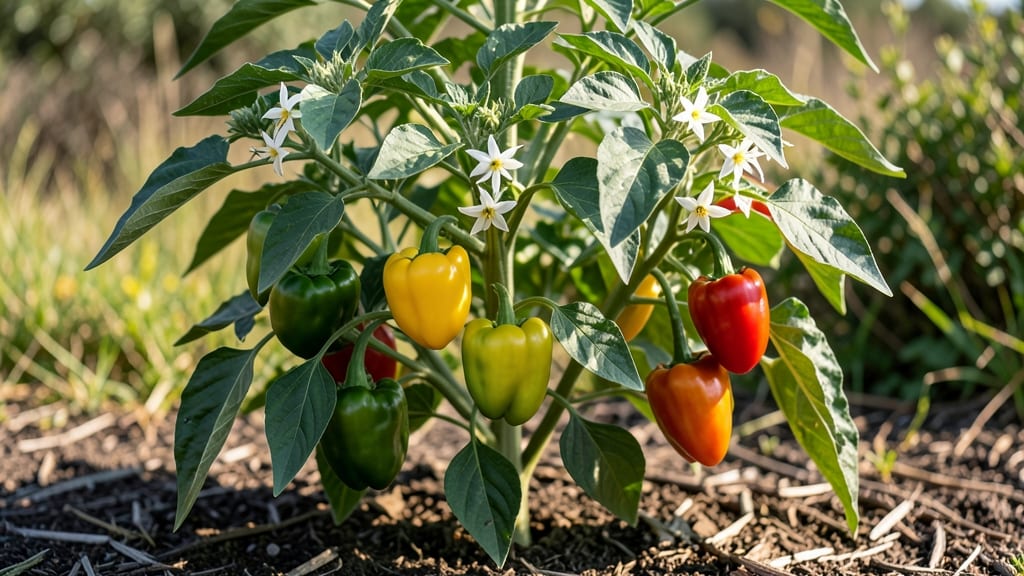
Planting a pepper tree (Schinus molle) turns your yard into a lush, fast-growing privacy screen that stays green all year—no more peeking neighbors or winter bareness. 🌿 I’ve watched mine grow 10+ feet in just five years, and the bright red berries in fall are a bonus.
The key? Planting it in the right spot with well-draining soil and full sun. This tree thrives in USDA zones 8-11, but even in cooler areas, it handles mild winters with proper care. Start with a 5-gallon container if planting young, or a 15-gallon for mature trees.
Dig a hole twice as wide as the root ball but no deeper—pepper trees hate soggy roots. Water deeply after planting, then let the soil dry slightly between waterings. Once established, it’s low-maintenance: water once a week in summer, fertilize lightly in spring, and prune only to shape.
The leaves stay glossy green, and those berries? They’re edible (though spicy!) and attract birds. Just watch for scale insects—spray with neem oil if you spot them. Perfect for hedges, windbreaks, or standalone privacy.
With the right care, your pepper tree will outpace weeds and outlast fences—year after year.
📚 In This Guide
- What you need
- Instructions
- Tips and common mistakes
- Wrapping up and next steps
What you need
- ● Pepper tree seedlings or saplings: 3–5 healthy plants (choose fast-growing varieties like Schinus molle or Schinus terebinthifolius for quick screening).
- ● High-quality potting soil: 1–2 bags (well-draining, organic mix).
- ● Garden gloves: 1 pair (nitrile or leather for durability).
- ● Pruning shears: 1 pair (bypass pruners, sharp and sanitized).
- ● Shovel or trowel: 1–2 (for planting and soil prep).
- ● Watering can or hose: With a gentle spray nozzle.
- ● Mulch: 1–2 bags (wood chips or straw to retain moisture).
- ○ Stakes (optional but recommended): 3–5 wooden or bamboo stakes + twine (for young trees).
- ● Fertilizer: Slow-release granular or liquid fertilizer (balanced 10-10-10 or citrus-specific).
- ● Tree guards: Protective mesh or plastic (to deter pests).
- ● Soil tester kit: To check pH (pepper trees prefer slightly acidic soil, 5.0–6.5).
- ● Post-hole digger: For deeper planting if needed.
- ● Pruning sealant: To coat cuts and prevent disease.
Step-by-step instructions for planting a pepper tree privacy barrier
Here's how to plant these fast-growing trees for a lush, year-round privacy screen.
🌱 Step 1: Choose Planting Locations and Dig Holes
Space your pepper trees 6-8 feet apart in rows 8-10 feet apart to allow for their mature width of 12-15 feet. Mark each spot with a stake to visualize the final barrier. Dig holes twice as wide as the root ball and as deep—this prevents root constriction that slows growth.
I like to loosen the sides of each hole with a shovel to encourage roots to spread outward. If your soil is heavy clay, mix in 2-3 inches of compost at the bottom of each hole. This improves drainage and gives roots a nutrient boost right away. Tap the tree slightly into the hole to check depth—roots should sit 1-2 inches above ground level for proper stability.
🪴 Step 2: Plant Trees and Backfill Soil
Remove each tree from its container and gently tease the roots outward if they're circling. Place the tree in the hole so the top of the root ball aligns with your marked ground level. Fill the hole one-third full with native soil, then water deeply to settle it around the roots.
Add another one-third of soil and water again, then finish filling the hole completely. Press soil firmly around the base to eliminate air pockets, but don't compact it heavily. This ensures roots make contact with soil for immediate nutrient uptake. I like to create a slight water well around each tree to direct irrigation directly to the roots.
☀️ Step 3: Water Thoroughly and Apply Mulch
After planting, water each tree with 5-10 gallons of water—enough to soak the entire root zone. You'll know you've watered deeply when water runs out the bottom of the hole. Pepper trees need 1-2 inches of water per week during their first year, so schedule weekly deep waterings rather than daily shallow ones.
Spread 2-3 inches of mulch in a 3-foot diameter circle around each tree, keeping it 6 inches away from the trunk to prevent rot. I prefer wood chips or pine straw because they break down slowly and improve soil structure over time. Mulch helps retain moisture and keeps roots cool during hot summer months when growth accelerates.
⏰ Step 4: Provide Support and Monitor Growth
If your pepper trees are young or leggy, install 3-4 stakes per tree to provide support while roots establish. Use soft tree ties to secure the trunk without girdling it. These trees grow 3-5 feet per year, so you'll see noticeable height gains within their first season.
Watch for new leaf growth in the first 4-6 weeks—this confirms roots have connected with the soil. If leaves yellow, it's usually too much water; if they brown at the edges, it's often dry conditions. I check soil moisture by sticking my finger 2 inches deep—if it feels dry, it's time to water. Within 2-3 years, your pepper trees will form a dense, evergreen screen that blocks both views and noise.
Tips & tricks for planting a pepper tree privacy barrier
These simple strategies ensure your privacy screen grows strong and fast—no green thumb required.
Root Ball Preparation: Before planting, soak the root ball in water for 15-20 minutes to hydrate the roots thoroughly. This helps reduce transplant shock and gets them established faster. I always do this step, especially during dry spells, because it makes a noticeable difference in how quickly new growth appears.
Soil Amendment Smart: If your soil is sandy or poor quality, mix 50% native soil with 50% compost when backfilling the hole. This creates an ideal growing medium right from the start. I've seen trees planted in amended soil grow 1 foot taller in their first season compared to those in unamended soil.
Watering Wisdom: The 5-10 gallons of water after planting isn't just about filling the hole—it's about settling the soil around roots. I like to water in 3 stages**: first when the hole is one-third full, again at two-thirds, and finally after complete backfilling. This prevents air pockets that can strangle new roots.
Mulch Matters: That 2-3 inches of mulch isn't just for looks—it's a moisture and temperature regulator. I apply mulch immediately after planting and always keep it 6 inches away from the trunk to prevent rot. In hot climates, mulch can reduce soil temperature by 10°F, which is crucial during those first critical weeks.
Pro Tips for Pepper Tree In
- These simple strategies ensure your privacy screen grows strong and fast—no green thumb required.
- Root Ball Preparation: Before planting, soak the root ball in water for 15-20 minutes to hydrate the roots thoroughly.
- Soil Amendment Smart: If your soil is sandy or poor quality, mix 50% native soil with 50% compost when backfilling the hole.
Frequently asked questions
Got questions about growing a pepper tree for privacy? We’ve got answers!
Whether you're curious about spacing, growth speed, or maintenance, here’s what you need to know before planting.
How close can I plant pepper trees for a fast privacy screen?
Plant pepper trees 10–15 feet apart for a dense, fast-growing screen. They grow 3–5 feet per year when young, so closer spacing (8–10 feet) speeds up coverage—just prune regularly to maintain shape. Avoid overcrowding; mature trees need 15–20 feet of space to thrive.
How long does it take for a pepper tree to provide full privacy?
With ideal conditions, a pepper tree can offer full privacy in 3–5 years. Fast growth in the first few years means you’ll see significant height and density quickly. Pro tip: Prune lower branches early to encourage upward growth and fill gaps faster.
Are pepper trees cold-hardy enough for my climate?
Pepper trees thrive in USDA Zones 9–11 and are not frost-tolerant. In colder areas, plant near a south-facing wall or use windbreaks. If temps drop below 25°F, protect young trees with burlap wraps or mulch. Consider alternatives like leyland cypress if you’re in Zone 8 or colder.
How often should I prune a pepper tree for a neat privacy barrier?
Prune 2–3 times a year: light shaping in spring, heavy trimming after summer growth, and final cleanup in late fall. Use sterilized tools to avoid disease, and remove no more than 25% of foliage per session to avoid stress. Pro tip: Thin out interior branches to improve airflow and reduce pests.
Do pepper trees attract pests or have invasive tendencies?
Pepper trees are low-maintenance but can attract aphids, scale, or spider mites if stressed. Prevent issues by keeping trees healthy (water deeply but infrequently) and pruning for airflow. They’re not invasive—unlike eucalyptus—but can spread via seed if not managed. Pro tip: Monitor for yellowing leaves (a sign of overwatering or pests).
What’s a good alternative if pepper trees aren’t right for my yard?
If you need a fast-growing, evergreen privacy screen but pepper trees aren’t ideal, consider:
- Leyland Cypress – Grows 3–4 ft/year, cold-hardy to Zone 6.
- Bamboo (clumping types) – Ultra-fast but needs containment barriers.
- Arborvitae – Slower (1–2 ft/year) but low-maintenance.
- Italian Cypress – Narrow and tall, great for tight spaces.
Choose based on your climate, space, and sunlight!
Wrapping up and next steps
Transforming your outdoor space with a pepper tree in as a fast-growing privacy barrier is a game-changer! 🌿 These trees offer year-round screening, low maintenance, and stunning foliage—making them a win-win for both aesthetics and functionality.
Whether you're shielding your yard from neighbors or creating a cozy retreat, the pepper tree delivers big results with minimal effort.
Ready to take the next step? Start by assessing your space—measure the area, check sunlight exposure, and gather your tools. Then, plant with confidence, knowing you’ve chosen a hardy, adaptable tree that grows quickly and thrives with care. Your private oasis is just a few seasons away!