
Pruning
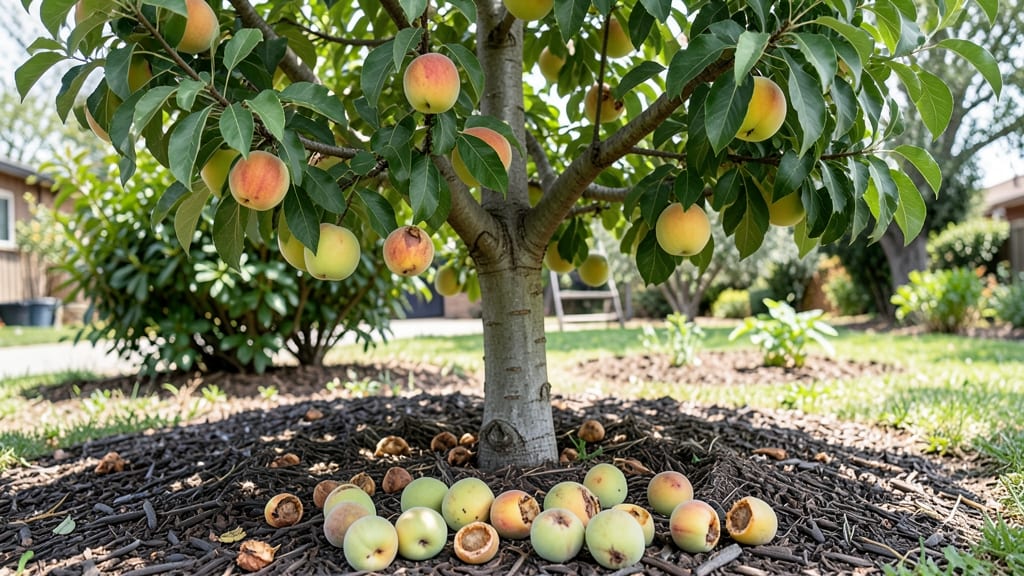
Peach tree fruit drop can turn your hopeful harvest into a frustrating mess. 🌿 I’ve seen entire crops fall just before ripening, and the culprit is almost always an imbalance between the tree’s roots, branches, and fruit load.
The good news? You can fix it with the right pruning and care—starting now.
Overloaded branches, weak roots, or sudden stress (like drought or pests) force trees to drop fruit as a survival tactic. My peach trees used to lose half their crop every summer until I learned to prune for structural balance—thinning heavy limbs, improving airflow, and feeding the roots properly.
The key is timing: prune in late winter or early spring before new growth starts.
With the right approach, you’ll see fewer dropped peaches and more fruit staying on the tree until harvest. The branches will support the weight better, the tree will stress less, and you’ll end up with a heavier, healthier crop—not to mention fewer bruised fruits on the ground.
Let’s get your tree back in balance.
This method works for young trees struggling with growth and mature ones carrying too much fruit. Whether your tree is in a backyard or orchard, the same principles apply. The difference between a disappointing harvest and a bounty comes down to how you prune and care for it this season.
Understanding root causes of premature fruit loss
Peach trees are stunning when laden with fruit, but when those sweet orbs start dropping too early, it’s often a sign of deeper issues.
Whether you’re dealing with a sudden shower of peaches or a gradual thinning of your harvest, the culprits are usually tied to the tree’s internal balance—or lack thereof. Let’s break down the key reasons why peaches fall prematurely, so you can address them before next season.
---
Peaches are sensitive to temperature swings, especially during bloom and early fruit set (late spring to early summer). When temperatures spike above 90°F (32°C) or drop below 50°F (10°C) during critical growth stages, the tree’s metabolic processes go haywire.
- Heat Stress: High temperatures disrupt pollination and fruit cell division, leading to weak fruit that detaches easily.
The tree may also transpire (lose water) too quickly, causing dehydration and premature drop. - Cold Snaps: Late frosts or cold nights can damage blossoms or shock the tree, halting fruit development.
Even if flowers survive, the resulting fruit may lack the energy to stay attached. - Solution: Monitor weather forecasts and use row covers during frost risks. For heat stress, mulch heavily and provide afternoon shade to reduce temperature spikes.
---
Peach trees need consistent moisture, but too little or too much water can trigger fruit drop. The tree’s roots struggle to supply nutrients and energy to developing fruit when water balance is off.
- Underwatering: Drought stress forces the tree to prioritize root and leaf growth over fruit retention. Small, weak peaches detach as the tree conserves energy. - Overwatering: Poor drainage or excessive water can drown roots, leading to root rot or nutrient deficiencies.
A waterlogged tree can’t support fruit properly. - Solution: Water deeply but infrequently (1–2 inches per week) and ensure well-draining soil. If your soil is heavy clay, amend it with compost or sand to improve aeration.
---
Peaches rely on specific nutrients to develop strong cell walls and stay attached. Deficiencies in calcium or boron are the most common triggers for premature drop.
- Calcium Deficiency: Calcium strengthens fruit cell walls. Without enough, peaches become soft, prone to cracking, and drop easily. This is often seen as "blossom end rot" in peaches. - Boron Deficiency: Boron helps pollination and fruit set.
A lack of it leads to small, deformed fruit that falls off before maturing. - Solution: - Foliar spray with calcium nitrate during bloom. - Apply boron supplements (like borax) early in the season. - Conduct a soil test to identify other deficiencies (e.g., zinc, magnesium).
---
Unseen invaders can sap the tree’s energy, leaving it too weak to hold onto fruit. Common culprits include:
- Peach Tree Borers: Larvae burrow into the trunk, disrupting nutrient flow and causing dieback. - Aphids & Scale Insects: These sap-sucking pests weaken the tree by reducing photosynthesis. - Brown Rot (Monilinia fructicola): A fungal disease that rots blossoms and fruit, causing premature drop. - Solution: - Prune out infected branches immediately. - Use neem oil or horticultural oil for pests. - Apply copper fungicide during rainy seasons to prevent brown rot.
---
Pruning is essential, but aggressive or improper cuts can stress the tree, leading to fruit loss.
- Late-Spring Pruning: Cutting too late in the season removes energy reserves the tree needs for fruit development. - Over-Pruning: Removing too many branches reduces leaf canopy, limiting the tree’s ability to photosynthesize and support fruit. - Solution: - Prune in late winter/early spring (before bloom). - Follow root-to-crown balance techniques to maintain structural integrity. - Avoid top-heavy pruning—keep the tree’s weight distribution even.
--- Peach trees have a weight limit—when branches sag under too much fruit, they break or abscise (shed) fruit to survive.
- Heavy Fruit Load: If the tree sets too many peaches (e.g., after a perfect pollination year), it may thin naturally to prevent branch damage. - Weak Branch Angles: Poor pruning can create narrow crotches, making branches prone to snapping under fruit weight. - Solution: - Thin fruit manually in early summer to reduce load. - Support weak branches with tree ties if needed. - Prune for strong branch angles (45° or wider) to improve stability.
--- Some peach varieties are prone to biennial bearing—alternating between heavy fruit years and light years. Others may drop fruit due to poor pollination or self-incompatibility.
- Biennial Bearing: The tree overproduces one year, then rests the next to recover. - Poor Pollination: If bees aren’t active (due to pesticides or weather), fruit may not set properly and drop early. - Solution: - Plant compatible pollinator varieties (e.g., ‘Redhaven’ + ‘Elberta’). - Avoid broad-spectrum pesticides that kill pollinators. - Thin fruit early in heavy-bearing years to encourage next year’s crop.
--- Many of these issues trace back to root health. A weak root system can’t support the tree’s needs, leading to fruit drop. That’s why structural pruning—balancing the crown with the root zone—is key.
By improving airflow, sunlight penetration, and nutrient flow, you help the tree retain fruit naturally.
Next, we’ll explore actionable pruning techniques to prevent future drops and keep your peach tree thriving!
Fixing Fruit Drop in Peach Trees
Peach trees can be finicky, and when they start dropping fruit prematurely, it’s frustrating—but not hopeless! The good news is that most causes of fruit drop have clear, actionable fixes.
Below, we’ll map the most common triggers to practical solutions, so you can save your harvest and keep your tree thriving. 🍑🌳
---
If your peach tree is dropping fruit due to poor nutrition, the fix starts with a balanced diet—just like for humans, a deficiency can cause big problems!
**🔥 How to Fix It 🔥 - Test Your Soil: Use a soil test kit (available at garden centers) to check pH and nutrient levels.
Peaches thrive in slightly acidic soil (pH 6.0–6.5). - Add Organic Matter: Mix in compost or well-rotted manure (chicken or cow) around the base of the tree.
This replenishes nitrogen, phosphorus, and potassium—key for fruit development. - Use a Balanced Fertilizer: Apply a 10-10-10 or 5-10-10 fertilizer in early spring (before buds swell) and again after harvest.
Avoid high-nitrogen fertilizers later in the season—they encourage leafy growth at the expense of fruit. - Micronutrient Boost: If magnesium or zinc are lacking (common in sandy soils), apply Epsom salt (magnesium sulfate) or a chelated zinc spray as directed.
💡 Prevention Tip 💡 - Mulch Properly: Spread 2–4 inches of organic mulch (straw, wood chips) around the tree (but not touching the trunk) to retain moisture and slowly release nutrients.
---
Peach trees hate inconsistency—too much or too little water stresses them, leading to fruit drop. Think of it like a plant’s version of dehydration or drowning!
🍳 How to Fix It 🍳 - Deep Watering: Water deeply 1–2 times per week (depending on climate) rather than shallow daily watering. Aim for 1–1.5 inches of water per week, including rainfall. - Drip Irrigation: Install a soaker hose or drip system near the tree’s drip line (outer edge of branches) to deliver water slowly at the roots. - Avoid Overhead Watering: Wet leaves can encourage fungal diseases (like brown rot), which weaken the tree and cause fruit to drop.
🌡️ Prevention Tip 🌡️ - Mulch to Retain Moisture: A thick layer of mulch (like straw or pine needles) helps soil hold water and regulates temperature.
---
Fruit drop can be a sign of hidden pests or diseases gnawing away at your peach tree’s health. Act fast—these invaders multiply quickly!
👨🍳 How to Fix It 👨🍳 - Identify the Culprit: Check for: - Peach Tree Borers: Look for sawdust-like frass near the trunk or wilted branches. - Aphids/Scale Insects: Tiny bugs on leaves or stems; leaves may curl or yellow. - Brown Rot (Fungal Disease): Dark, mushy spots on fruit or leaves. - Remove Infested Fruit: Pick up all dropped or diseased fruit from the ground and tree to prevent reinfection. - Apply Organic or Chemical Treatments: - For Borers: Scrape out larvae with a knife and apply beneficial nematodes or borer-specific sprays (like Bt for caterpillars). - For Aphids/Scale: Spray with neem oil or insecticidal soap (repeat every 5–7 days). - For Brown Rot: Use copper fungicide or baking soda spray (1 tbsp baking soda + 1 tsp dish soap + 1 gallon water). - Prune for Airflow: Thin out dense branches to improve circulation, reducing humidity where fungi thrive.
✨ Prevention Tip ✨ - Monitor Regularly: Inspect your tree weekly during peak pest seasons (spring/summer). Early detection = easier fixes!
---
Peach trees are sensitive to sudden temperature swings, drought, or wind—all of which can trigger fruit drop. Think of it like a tree having a panic attack!
🔪 How to Fix It 🔪 - Protect from Wind: If your tree is in a windy area, plant a windbreak (like a hedge or fence) or stake young trees to prevent branch damage. - Shade Cloth in Summer: In extreme heat (above 90°F), use 30% shade cloth to reduce stress on the tree. - Winter Protection: In cold climates, wrap the trunk with tree guard and mulch heavily to prevent frost cracks.
🎯 Prevention Tip 🎯 - Choose the Right Location: Plant peach trees in full sun (6+ hours/day) with well-draining soil and shelter from harsh winds.
---
If your peach tree is overloaded with fruit or has uneven growth, it’s like trying to carry too many bags of groceries—something’s gotta give!
⏰ How to Fix It ⏰ - Thin Fruit Early: In late spring, remove 10–20% of the smallest, least developed fruit to reduce stress on the tree. Use sterilized pruners to avoid spreading disease. - Prune for Structure: Focus on: - Removing suckers (shoots from the base). - Trimming dead, crossing, or crowded branches. - Opening the canopy for better airflow. - Root-to-Crown Pruning: As mentioned in the article title, lightly prune roots (if compacted) and crown (top branches) to rebalance the tree’s energy.
💡 Prevention Tip 💡 - Prune in Dormancy: Do most pruning in late winter/early spring (before buds swell) to minimize stress.
--- Final Note: Most fruit drop issues are reversible with the right care! Start with soil tests, consistent watering, and regular inspections. Your peach tree will thank you with a bountiful, drop-free harvest** next season. 🍑🌟
Frequently asked questions
Why do peaches drop when they're almost ripe?
Peaches often drop near ripeness due to branch weight stress or nutrient competition. The tree prioritizes energy to mature a few quality fruits over many weak ones. This is especially common in heavy-bearing varieties. Thin fruit early in summer to reduce load and improve size.
Can I save dropped peaches that are still firm?
Yes! Pick up dropped peaches immediately to prevent rot. Store them in a cool, shaded place for 1-2 days max—they won't ripen further off the tree. For best results, use them in recipes like jams or pies where texture doesn't matter.
How do I know if my tree's fruit drop is normal?
Light drop (5-10%) is normal during bloom and early summer. But if you're losing 30%+ of fruit, especially after 6 weeks of growth, it's likely a stress signal. Compare to last year's harvest—consistent heavy drop suggests an underlying issue.
Will fertilizing my peach tree prevent fruit drop?
Not always—it depends on what's missing. A balanced fertilizer (10-10-10) helps, but calcium and boron deficiencies specifically cause drop. Test your soil first! Over-fertilizing with nitrogen can actually worsen the problem by encouraging leafy growth over fruit.
How soon can I expect to see results after pruning?
With proper root-to-crown pruning, you may see 20-30% fewer drops in the same season. For full structural benefits, plan for 2-3 years of consistent pruning. Young trees respond faster than mature ones—focus on removing water sprouts and improving branch angles.