
Pruning
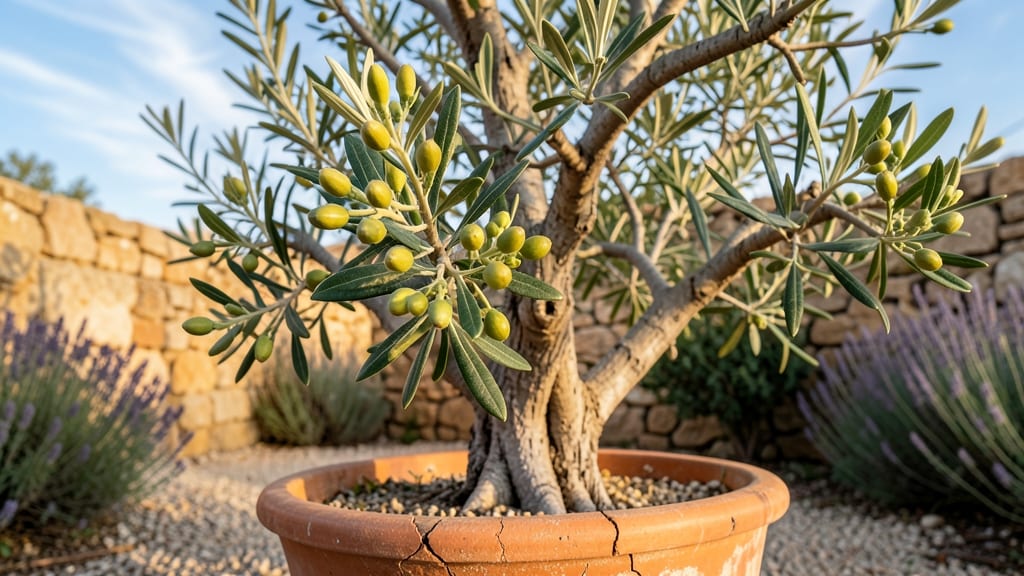
Those tiny olive tree flower buds are where all the magic happens—each one holds the promise of next year's harvest. 🌿 I've watched my own olive tree transform from a bare-limbed shrub to a fruit-bearing beauty by focusing on these buds, and the secret lies in understanding when and how to prune for maximum blooming potential.
Olive trees flower in late spring, but the buds form throughout winter. Pruning in late winter or early spring—just before buds swell—stimulates new growth and ensures those buds get the sunlight they need.
The key is removing only dead or crossing branches while keeping the tree open enough for air circulation.
With the right pruning, you'll see clusters of tiny white flowers by summer, followed by those glossy green olives by fall. The tree becomes a self-sustaining system where proper pruning leads to more buds, more flowers, and more fruit—year after year.
This method works for both container-grown olives and in-ground trees, though younger trees need more frequent pruning to establish their shape. The payoff? A tree that blooms reliably and produces fruit even in less-than-ideal conditions.
📚 In This Guide
- What you need
- Instructions
- Tips and common mistakes
- Wrapping up and next steps
What you need
- ● Pruning shears: Bypass pruners (sharp, clean, and sterilized with rubbing alcohol to prevent disease). Recommended: Felco F-2 or similar (for branches up to ½ inch thick).
- ● Loppers: For thicker branches (½–1½ inches). Example: Corona 44007 (ergonomic grip for comfort).
- ● Pruning saw: For branches over 1½ inches (folding saw with fine teeth for clean cuts). Example: Fiskars X27.
- ● Gloves: Heavy-duty, cut-resistant gloves (e.g., Mechanix Wear or gardening gloves with reinforced palms).
- ● Disinfectant: 70% isopropyl alcohol or a 10% bleach solution (1 part bleach to 9 parts water) for sterilizing tools.
- ○ Pruning sealant (optional): Tree wound paint or pruning wax (e.g., Tanglefoot Tree Wound Pruning Seal) to protect large cuts.
- ● Timing: Prune olive trees in late winter or early spring (before buds swell) or summer after harvest (avoid pruning during flowering or fruiting).
- ● Weather: Choose a dry, overcast day (humidity spreads disease). Avoid pruning if rain is forecasted within 24 hours.
- ● Safety gear: Safety glasses (to protect from debris) and long sleeves/pants (olive trees can have thorns!).
- ● Cleanup supplies: Heavy-duty trash bags (for debris) and a rake or broom (to clear pruned branches).
- ● ✨ Sharpen your tools: Dull blades tear bark—use a file or sharpening stone to keep edges crisp.
- ● 🌡️ Check for pests: Inspect branches for borers or scale before pruning; treat with neem oil if needed.
- ● 🎯 Map your tree: Sketch a rough outline of the tree’s shape before cutting to visualize your pruning goals.
How to prune olive trees for maximum flower buds and fruit
Here’s the pruning method I’ve used for years to keep my olive trees blooming reliably and producing fruit.
✂️ Step 1: Prune in Late Winter Before New Growth Begins
Timing matters most—wait until late winter when the tree is still dormant but just before buds swell. This is usually 4-6 weeks before your last frost date. Pruning too early risks frost damage to fresh cuts, while waiting too long encourages new growth that won’t fruit.
Start by removing dead, diseased, or crossing branches first. These compete with healthy growth and reduce fruit production. Cut back to the nearest outward-facing bud or branch collar. I always sterilize my pruners with rubbing alcohol between cuts to prevent bacterial spread.
✂️ Step 2: Thin Branches to Improve Airflow and Light Penetration
Olive trees fruit best when they receive full sun and good airflow. Selectively thin branches to create an open canopy—aim for 3-4 main branches spaced evenly around the trunk. Remove any branches growing inward or rubbing against others; these create weak points and block light.
Look for branches that are thinner than a pencil—these are often non-productive and can be pruned entirely. For thicker branches, cut back to a bud or lateral branch that faces outward. You’ll see new buds forming along these cuts in 2-3 weeks, signaling healthy regrowth.
☀️ Step 3: Encourage Flower Bud Formation with Strategic Cuts
Olive trees flower on new wood, so the goal is to stimulate fresh growth. Make heading cuts (cutting back to a bud or branch) on the outer third of the tree to promote outward growth. Avoid cutting into old wood unless it’s dead or diseased—this reduces flowering potential.
Focus cuts on the upper third of the tree first, then work your way down. This ensures light reaches the lower branches, encouraging bud formation there too. After pruning, water deeply to help the tree recover—you’ll notice new shoots emerging within 4-6 weeks if conditions are right.
🌿 Step 4: Light Pruning After Flowering to Maintain Shape
Once flowers appear in spring, do a light maintenance prune to shape the tree and remove any suckers (shoots growing from the base or trunk). These drain energy from fruit production. Trim back any branches that grew too long or crowded the center.
This second prune keeps the tree balanced and prevents overgrowth. Avoid heavy cuts now—focus on refining the shape and ensuring branches don’t shade each other. You’ll see more uniform flowering the following year if you keep this up.
⏰ Step 5: Monitor and Adjust Through the Growing Season
Check the tree monthly for signs of stress, like yellowing leaves or weak growth. If branches look leggy or sparse, they need more light—thin nearby foliage to open the canopy. Water deeply once a week during dry spells to support bud development.
By late summer, you’ll see fruit beginning to form. This is your cue to reduce watering slightly—olives need moderate drought stress to develop flavor. Prune lightly again in early fall to remove any dead wood or overcrowded branches before winter.
Tips & tricks for pruning olive trees for year-round blooms
Real talk: Pruning olive trees isn’t rocket science, but these small tweaks make all the difference between a few sad flowers and a tree bursting with buds.
Timing is Everything: That 4-6 week window before your last frost is critical—check your local frost dates and mark your calendar. I once pruned too early in a cold snap, and the fresh cuts froze solid. If you miss the window, don’t panic—just wait until buds start swelling and prune then, but expect slightly less vigorous regrowth.
Tool Prep Matters: Sterilizing your pruners between cuts isn’t just about preventing disease—it’s about keeping your tree healthy. I keep a small bottle of rubbing alcohol in my pruning kit and wipe blades after every 3-4 cuts. For larger branches, use sharp bypass pruners or a small handsaw, never dull tools that tear wood.
Visual Cues for Healthy Cuts: When making heading cuts in Step 3, look for outward-facing buds—they’re the ones that’ll grow into strong branches. If you’re unsure which direction a bud faces, run your thumb along the branch: the bud on the outside of the curve is your target. This simple trick prevents awkward growth patterns that block sunlight.
Seasonal Watering Strategy: After your late-winter prune, give the tree a deep watering to help it recover. Then, during the growing season, switch to weekly deep waterings—olives hate soggy roots but need consistent moisture. By late summer when fruit forms, reduce to every 10-14 days to encourage that flavor-developing drought stress mentioned in Step 5.
Pro Tips for Olive Tree Flower Buds
- Real talk: Pruning olive trees isn’t rocket science, but these small tweaks make all the difference between a few sad flowers and a tree bursting with buds.
- Timing is Everything: That 4-6 week window before your last frost is critical—check your local frost dates and mark your calendar.
- Tool Prep Matters: Sterilizing your pruners between cuts isn’t just about preventing disease—it’s about keeping your tree healthy.
Frequently asked questions
Got questions about olive tree flower buds?
You’re not alone! Here are some of the most common queries—plus quick, practical answers to help you nurture those blooms like a pro.
When is the best time to prune olive tree flower buds for optimal blooming?
Prune olive trees after harvest (late winter to early spring, zones 8–10) or right after flowering (spring to early summer, zones 7 and below). Avoid heavy pruning in fall—it can stress the tree and reduce next year’s blooms. Light shaping in late winter is ideal for Mediterranean climates.
How do I tell if my olive tree’s buds are healthy or diseased?
Healthy buds are firm, green, and plump before blooming. Look for no mold, wilting, or blackened tips—these signal fungal issues (like peacock spot) or bacterial infections. If buds drop prematurely or appear mushy, prune affected branches immediately and treat with copper fungicide.
Why aren’t my olive tree flower buds turning into fruit?
Several factors could be at play:
- Pollination issues: Hand-pollinate with a soft brush if bees are scarce.
- Stress: Check for over/under-watering, poor drainage, or nutrient deficiencies (add iron or zinc if leaves yellow).
- Young tree: Olive trees often take 3–5 years to bear fruit after planting.
Can I force olive tree flower buds to bloom indoors?
Olive trees are notoriously stubborn indoors—they need full sun, Mediterranean-like conditions, and dormancy cycles to bloom. However, you can prune lightly in spring to encourage new growth, then move the tree outside for summer. For indoor buds, ensure 60–70°F temps and high humidity.
Should I remove all dead buds, or leave some for regrowth?
Remove only the completely dead or diseased buds—healthy buds may still produce flowers or fruit. Prune 1/3 of the plant’s oldest growth annually to promote airflow and sunlight penetration. Use sterilized shears to avoid spreading pathogens.
Wrapping up and next steps
Mastering the art of pruning olive tree flower buds unlocks a bountiful harvest of vibrant blooms and delicious fruit year after year! 🌿 Whether you're a seasoned gardener or just starting, the key is patience, precision, and timing.
With the right tools, knowledge, and a little love, your olive tree will thrive—and reward you with lush greenery and abundant harvests.
Ready to take the next step? Start small:
- 📅 Schedule your first pruning session this season.
- 📖 Review your notes or bookmark this guide for future reference.
- 🤝 Connect with local olive growers for tips and inspiration!