
Pruning
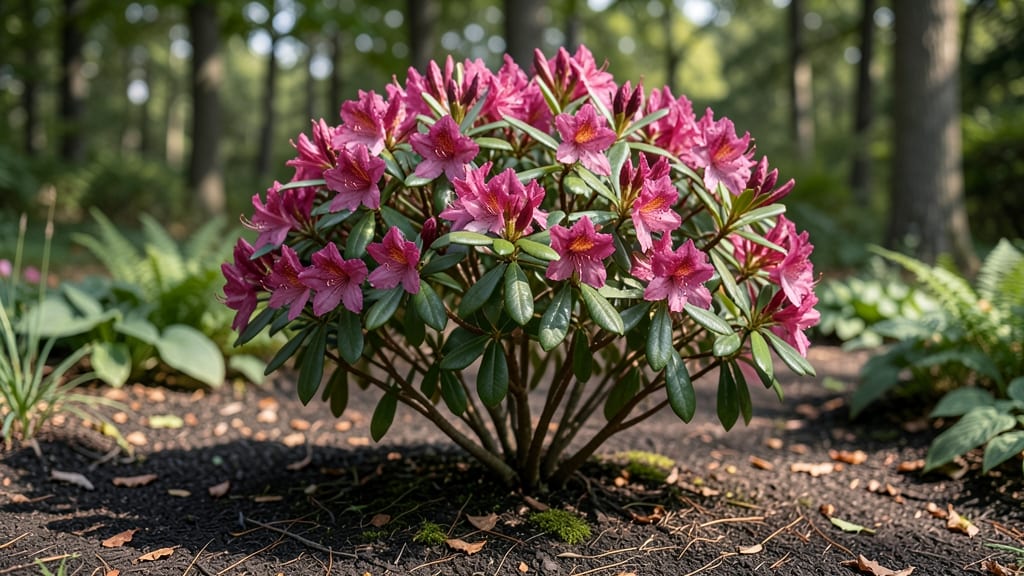
Pruning your azalea tree outside doesn't need to be intimidating—just a few strategic cuts keeps it blooming like a pro. ✨ I’ve turned my overgrown bush into a lush, flowering showpiece by focusing on three simple steps that work year-round, not just spring.
The key? Timing and technique that preserve those vibrant blooms while shaping the tree naturally.
Azaleas thrive with morning sun and afternoon shade, so prune after blooming (late spring) to avoid cutting off next year’s flowers. You’ll only need hand pruners, gloves, and a clear day—no fancy tools required.
The goal is to open the center for airflow and light, not to turn it into a topiary masterpiece. Even my first attempt left the tree looking healthier than before.
By following this method, you’ll see fewer leggy branches, more abundant blooms, and a shape that fits your landscape beautifully. The best part? You’ll spend less time struggling with dead wood and more time admiring those rosy clusters every spring. Let’s get those shears ready!
Works for both shrub and small tree azaleas, whether you’re dealing with a new plant or an established favorite. The same principles apply—just adjust the scale. Here’s how to make it effortless and effective, no green thumb required.
📚 In This Guide
- What you need
- Instructions
- Tips and common mistakes
- Wrapping up and next steps
What you need
- ● Pruning shears: Bypass pruners (sharp, clean, and sterilized with rubbing alcohol to prevent disease). Size: 6–8 inches for medium branches.
- ● Loppers: For thicker branches (½–1.5 inches). Quantity: 1 pair with bypass blades (avoid anvil types—they crush wood).
- ● Hand pruners: Small, precise shears for delicate trimming (e.g., shaping flowers or small stems). Quantity: 1 pair.
- ● Gloves: Heavy-duty, cut-resistant gloves (gardening or pruning-specific) to protect from thorns and sap.
- ● Disposable pruning bags: Quantity: 1–2 (for collecting clippings and debris).
- ● Ladder or step stool: Height: Extend to at least 6 feet (azaleas can grow 3–12 feet tall!). Safety note: Use a stable, three-legged stool if indoors.
- ● Rubbing alcohol (70% isopropyl): Quantity: Small bottle (for sterilizing tools between cuts).
- ○ Sharpie or permanent marker: Optional but handy for marking branches to remove.
- ● Hose or water spray bottle: To clean tools mid-pruning or rinse sap off hands.
- ● Tree wound dressing: Controversial but useful for large cuts (e.g., Tanglefoot Tree Wound Pruning Seal). Use sparingly!
- ● Notebook & pen: To jot down notes on growth patterns or pruning goals.
- ● Mulch: Shredded bark or pine straw (1–2 inches deep) to protect roots after pruning.
- ● Safety glasses: If your azalea is near power lines or has brittle branches.
- ● Know your azalea type: Deciduous vs. evergreen (pruning timing differs!). Pro tip: Evergreens bloom on old wood—wait until after flowering!
- ● Check the weather: Prune on a dry, overcast day (humidity slows healing).
- ● Gather inspiration: Sketch or take photos of your tree’s current shape to guide cuts.
- ● Sterilize tools: Wipe blades with rubbing alcohol before and after pruning to avoid spreading fungal diseases.
Step-by-step guide to pruning your outdoor azalea tree
Azaleas thrive with thoughtful pruning—just a few strategic cuts keep them lush and blooming for years.
✂️ Step 1: Prune Immediately After Flowering
Wait until your azalea has finished blooming completely before touching the shears. This ensures you don’t accidentally remove next year’s flower buds, which form on last year’s growth. Look for spent blooms that have turned brown and dropped—this signals it’s time to act.
Use clean, sharp pruners to make cuts just above a leaf node or bud, angled slightly downward to prevent water from pooling. Never leave stubs—this invites disease. Focus on removing only dead, diseased, or crossing branches first. I like to start at the outer edges and work inward, giving the tree a natural, rounded shape.
✂️ Step 2: Thin Out Overcrowded Branches
Azaleas grow best with good airflow, so thin out any branches that rub against each other or grow inward. Remove no more than 25% of the plant’s total growth in one season—this prevents stress. Look for branches that are thin, weak, or growing straight up rather than outward.
Make your cuts at the base of the branch, just outside the branch collar (the swollen area where the branch meets the trunk). This encourages faster healing. If a branch is thicker than ½ inch, use loppers instead of hand pruners to avoid crushing the wood.
✂️ Step 3: Shape and Maintain Year-Round
After the initial post-bloom pruning, lightly shape the tree in early summer if needed. Avoid heavy pruning during this time—it can stimulate tender new growth that may not harden off before winter. Instead, focus on removing any suckers (shoots growing from the base) and water sprouts (fast-growing vertical shoots).
In late winter (just before buds swell), give your azalea a final light trim to remove any dead or damaged wood. This keeps the tree looking tidy and prepares it for spring growth. I always step back to check the overall shape—azaleas naturally grow in a rounded form, so avoid cutting back too aggressively to maintain that silhouette.
💧 Step 4: Care for Your Azalea After Pruning
Water deeply right after pruning to help the tree recover. Azaleas prefer acidic, well-draining soil, so mulch around the base with 2-3 inches of pine bark or pine needles to retain moisture and mimic their natural forest floor habitat. Keep the mulch 6 inches away from the trunk to prevent rot.
Fertilize lightly in early spring with an acid-loving plant fertilizer (look for one with a high nitrogen ratio, like 10-10-10 or 12-4-8). Avoid heavy fertilizers—they can burn tender roots. Monitor for pests like lace bugs or spider mites, which thrive on stressed plants. A strong spray of water can often dislodge them before they become a problem.
Tips & tricks for pruning your azalea tree
Here's what nobody tells you about keeping your azalea looking its best with minimal effort.
Timing is Everything: The post-bloom window is your golden opportunity—wait until every last petal has fallen and the stems turn brown. I've learned this the hard way after accidentally pruning too early and losing next year's buds! The buds form on last year's growth, so timing matters more than you'd think. Mark your calendar after your azalea finishes blooming to avoid this common mistake.
Cutting Technique Matters: When making cuts in Step 1, angle them slightly downward just above a leaf node or bud. This simple angle prevents water from pooling at the cut, which could lead to rot. I always check my pruners are sharp before starting—dull blades crush stems instead of making clean cuts, causing unnecessary stress. For branches thicker than ½ inch, switch to loppers to avoid crushing the wood.
Maintain That Natural Shape: Azaleas naturally grow in a rounded form, so avoid cutting back too aggressively. In Step 3, when shaping your tree, work with its natural growth pattern rather than forcing it into a square or formal shape. I like to step back every few cuts to check the overall silhouette—this helps maintain that beautiful, lush appearance year after year.
Post-Pruning Care: After you've finished pruning, water deeply to help your azalea recover. The 2-3 inches of pine bark mulch mentioned in Step 4 is crucial—it mimics the acidic forest floor environment azaleas love. Keep that mulch 6 inches away from the trunk to prevent rot, and consider adding a light layer of pine needles for extra acidity. This simple step makes all the difference in keeping your azalea healthy.
Pro Tips for Azalea Tree Outside
- Here's what nobody tells you about keeping your azalea looking its best with minimal effort.
- Timing is Everything: The post-bloom window is your golden opportunity—wait until every last petal has fallen and the stems turn brown.
- Cutting Technique Matters: When making cuts in Step 1, angle them slightly downward just above a leaf node or bud.
Frequently asked questions
Got questions about keeping your azalea tree outside looking its best? You’re not alone!
Here are answers to the most common concerns—from pruning timing to troubleshooting—so you can enjoy year-round blooms with confidence.
When is the best time to prune my azalea tree outside?
The ideal time to prune azaleas is right after they finish blooming in late spring or early summer. This gives you a head start for the next season’s flowers! Avoid pruning in fall or winter, as it can damage buds forming for spring blooms. Pro tip: If you must prune in winter, do it very lightly—just to shape, not to cut back hard.
How much can I trim my azalea tree without harming it?
Azaleas are forgiving, but never remove more than 1/3 of the foliage at once. Heavy pruning can stress the tree and reduce next year’s blooms. Focus on dead, diseased, or overcrowded branches first, then lightly shape the rest. For a neat, bushy look, trim just outside the bud to encourage new growth.
Why aren’t my azalea flowers as vibrant as they used to be?
Dull or sparse blooms often mean over-fertilizing with high-nitrogen feed (which promotes leaves over flowers) or poor sunlight. Azaleas thrive in partial shade (4–6 hours of sun daily). Also, check for pH imbalance—they prefer acidic soil (pH 4.5–6.0). A light acid-loving plant fertilizer in early spring can help!
Can I prune azaleas in winter, or will it kill the tree?
Pruning azaleas in winter is risky but not deadly if done sparingly. Cold snaps can stress the tree, and buds may freeze if cut too late. If you must prune in winter, wait until late winter (just before buds swell) and keep cuts minimal. Best alternative: Wait until spring for a safer, more effective trim.
What’s a good alternative if I don’t want to deal with azalea pruning?
If azaleas seem high-maintenance, consider low-maintenance shrubs like hydrangeas, boxwoods, or pieris. These also offer year-round interest with minimal pruning. For colorful blooms, try butterfly bush or spirea—both are hardy and forgiving. Just ensure they fit your sunlight and soil conditions!
How do I fix overgrown azalea branches that look messy?
For wild, overgrown azaleas, prune in stages over 2–3 years to avoid shock. Start by removing dead wood and crossing branches, then thin out dense areas to improve airflow. Shape gradually—cut back 1/3 of the oldest branches first, then work inward. Water deeply after pruning to help recovery.
Wrapping up and next steps
Pruning your azalea tree outside doesn’t have to be a daunting task—just a mindful, seasonal ritual to keep it thriving and stunning! 🌸 With the right tools, timing, and techniques, you’ll unlock year-round beauty while preserving your tree’s natural charm.
Now that you’re armed with expert tips and answers to common questions, take the next step: grab your pruners and schedule that first trim. Your azalea will thank you with vibrant blooms and lush foliage for seasons to come!