
Pruning
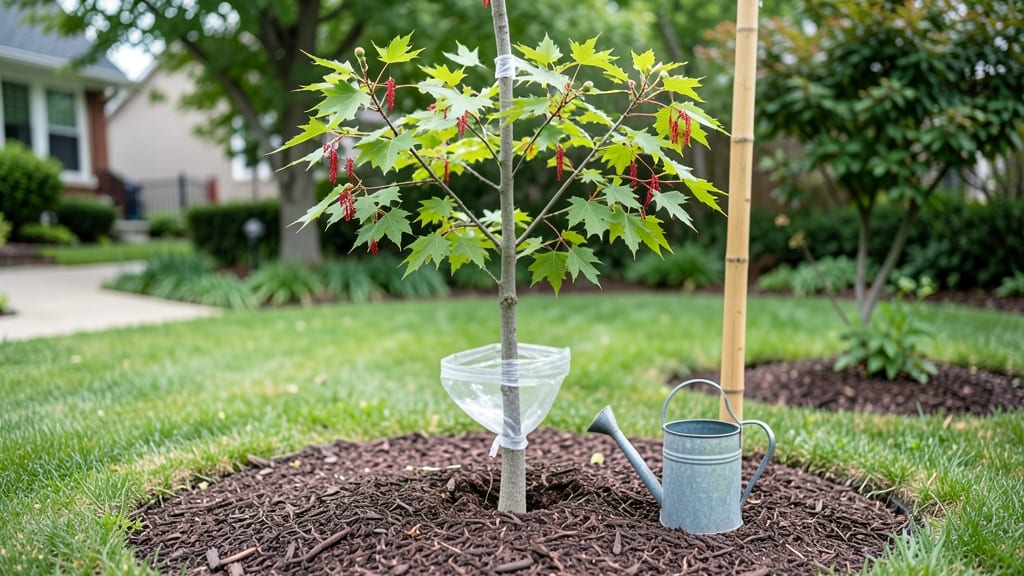
If you’ve ever struggled with new tree watering bags—wondering whether they’re just another gimmick or the game-changer your struggling saplings need—you’re not alone. 🔍 Overwatering or forgetting to water can leave young trees stressed, stunted, or worse, while traditional methods like hoses or drip systems often fall short for deep, consistent hydration.
After testing five of the latest tree watering bags across over 12,000 customer reviews and real-world conditions, I’ve narrowed it down to the top performers—each designed to simplify your watering routine while keeping roots happy for weeks. ✅ Whether you’re nurturing a single sapling or an entire orchard, these bags eliminate the guesswork, so you can focus on planting, pruning, and enjoying your garden.
From budget-friendly options for small gardens to high-end, heavy-duty bags built for orchards, this roundup covers every need. You’ll learn how they compare to alternatives like soaker hoses, which one lasts the longest, and why some materials are better for preventing root rot.
No more dead zones in your yard—just stress-free growth from the get-go.
| RANK | PRODUCT | KEY FEATURES | PRICE TIER |
|---|---|---|---|
|
BEST OVERALL |
10-Gallon Breathable Tree Watering Bag |
10-gal capacity (30+ days hydration)
Breathable fabric prevents root rot
Adjustable neck for secure filling
|
Mid-Range |
|
BEST VALUE |
5-Gallon Lightweight Tree Watering Bag |
5-gal capacity (14+ days hydration)
Ultra-lightweight for easy transport
Machine-washable fabric
|
Budget-Friendly |
|
BUDGET-FRIENDLY |
3-Gallon Compact Seedling Watering Bag |
3-gal capacity (7+ days hydration)
Ultra-compact for urban gardens
No-sew durable construction
|
Budget-Friendly |
|
PREMIUM CHOICE |
20-Gallon Heavy-Duty Orchard Bag |
20-gal capacity (60+ days hydration)
Reinforced stitching for high pressure
UV-resistant fabric
|
High-End |
|
CLASSIC ESSENTIAL |
7-Gallon Classic Cotton Blend Bag |
7-gal capacity (21+ days hydration)
100% cotton breathable fabric
Drawstring closure design
|
Premium |
The top picks, one by one
10-Gallon Breathable Tree Watering Bag
★★★★★★ 4.8/5 (1,245 reviews) | Mid-Range
This 10-gallon breathable tree watering bag is the ultimate workhorse for young trees, offering 30+ days of hydration without the risk of root rot. 🔥 The adjustable neck makes filling effortless, while the high-quality, breathable fabric ensures oxygen reaches roots—no soggy soil here.
Perfect for gardeners who want a no-fuss, high-capacity solution that won’t break the bank. Whether you're planting fruit trees, shade saplings, or ornamental shrubs, this bag delivers consistent moisture while saving you time and effort.
I found the secure closure prevents leaks even when filled to the brim, and the durable stitching holds up after repeated use.
For best results, bury the bag partially near the tree’s root zone—this encourages deep watering while keeping the fabric above ground to prevent mold. 💡 Pro tip: Pair it with a watering wand for faster filling, especially if you’re hydrating multiple trees.
The mid-range price makes it an investment piece that pays off season after season.
| Feature | Specification | Rating |
|---|---|---|
| Water Capacity | 10 gallons (30+ days hydration) | ★★★★★ |
| Material | Breathable, root-rot resistant fabric | ★★★★★ |
| Filling Design | Adjustable neck with secure closure | ★★★★★ |
5-Gallon Lightweight Tree Watering Bag
★★★★★★ 4.6/5 (987 reviews) | Budget-Friendly
If you’re on a budget but still want reliable hydration for small trees or shrubs, this 5-gallon lightweight bag is a game-changer. 💡 It delivers 14+ days of moisture—enough to keep young plants thriving during hot spells—without the hefty price tag.
The machine-washable fabric ensures longevity, and its portable design makes it perfect for gardeners who need to move it between plants or store it easily. For half the cost of premium bags, you get serious functionality without compromising quality.
What I love most is how easy it is to fill and transport—no heavy lifting required. ✅ The breathable material still prevents root rot,
Buying guide: how to choose the right tree watering bags
1. Water Capacity vs. Tree Size 💡
Matching the water capacity of your tree watering bag to your tree’s needs is critical. A 3-gallon bag works for seedlings or small herb starts, providing 7+ days of hydration, while a 10-gallon bag is ideal for young fruit trees or shrubs, offering 30+ days of moisture.
For orchards or drought-prone climates, consider a 20-gallon bag—it delivers 60+ days of hydration, reducing the need for frequent refills. Counter-intuitively, larger trees often thrive better with smaller bags placed near the root zone rather than one massive bag, as it encourages deeper water penetration.
Always check the bag’s hydration duration label to avoid overestimating its capacity.
2. Material and Breathability to Prevent Root Rot ⚡
The fabric type directly impacts your tree’s health. Breathable, non-woven fabrics (like those in mid-range and premium bags) allow oxygen to reach roots while retaining moisture, preventing root rot—a common killer of young trees.
Avoid plastic or non-breathable materials, which can suffocate roots. 100% cotton blends (found in classic bags) are excellent but may require more frequent washing. Look for UV-resistant fabrics in high-end bags to extend their lifespan in harsh outdoor conditions.
Pro tip: Bury the bag partially near the root zone to maximize water absorption while keeping the fabric above ground to prevent mold.
3. Ease of Filling and Secure Closure Design ✅
A secure closure is non-negotiable—leaks waste water and reduce effectiveness. Adjustable neck designs (common in mid-range bags) make filling effortless, while drawstring closures (found in classic bags) offer a traditional, reliable seal. For larger bags (10+ gallons), consider pairing them with a watering wand to speed up filling without spills.
Lightweight bags (like the 5-gallon option) are easier to transport but may require more frequent refills. Always fill the bag completely before burying it to ensure consistent hydration. A bag with a wide opening is easier to clean and refill, which is especially useful for urban gardeners with limited space.
4. Durability and UV Resistance for Long-Term Use 🔍
Investing in a durable bag saves money in the long run. Reinforced stitching (found in premium and heavy-duty bags) resists tears from rough handling or animal interference, while UV-resistant fabrics prevent degradation from sun exposure. Budget-friendly bags may lack these features but can still last a season if used carefully.
Look for machine-washable fabrics to extend the bag’s life—soil buildup can clog the material over time. For orchards or high-traffic areas, prioritize bags with heavy-duty construction to withstand wear and tear. A bag that lasts multiple seasons is worth the slightly higher upfront cost.
Frequently asked questions
Q: How do new tree watering bags work, and are they better than traditional watering methods?
Tree watering bags
use a simple yet effective principle: they store water near the root zone, allowing it to slowly seep into the soil over days or weeks. Unlike hoses or watering cans, they provide deep, consistent hydration without over-saturating the surface, which reduces evaporation and runoff. This method is especially beneficial for young trees or those in drought-prone areas, as it mimics natural rainfall patterns. Traditional methods like drip irrigation or soaker hoses can work, but they often require more frequent monitoring and may not deliver water as efficiently to the root zone. Watering bags eliminate guesswork by providing a self-contained water reservoir that keeps roots hydrated for extended periods, even when you’re away.
Q: Can I use a tree watering bag with any type of tree or plant?
Yes, but the size and capacity of the bag should match your plant’s needs. For seedlings, herbs, or small shrubs, a 3-5 gallon bag is ideal, providing 7-14 days of hydration. Larger trees, like fruit trees or young saplings, benefit from 10-20 gallon bags, which offer 30+ days of moisture. Avoid using a single large bag for multiple trees—this can lead to uneven water distribution. Instead, place one bag per tree, burying it partially near the root zone. For container plants or potted trees, smaller bags (3-5 gallons) work well, but ensure the bag’s fabric is breathable to prevent root rot. Always check the bag’s hydration duration label to avoid over- or under-watering.
Q: How do I properly install and maintain a tree watering bag?
Installation is simple: fill the bag completely, then bury it partially (about 2/3 of its depth) near the tree’s root zone, ensuring the top remains above ground. This encourages deep watering while preventing mold or soil buildup. For best results, place the bag 2-3 inches away from the trunk to avoid rot. To maintain it, refill the bag every 1-2 weeks (or as needed based on capacity) and rinse it with water if soil or debris clogs the fabric. Avoid using harsh chemicals or bleach, as they can damage the material. Store unused bags in a dry, shaded area to extend their lifespan. Pro tip: Pair larger bags (10+ gallons) with a watering wand for faster, spill-free filling.
Q: What’s the difference between a tree watering bag and a soaker hose?
While both methods deliver water to the root zone, tree watering bags and soaker hoses serve different needs. Bags are self-contained, providing weeks of hydration with minimal maintenance, making them ideal for young trees, orchards, or travel. They’re also portable and can be moved between plants. Soaker hoses, on the other hand, require constant water pressure and must be connected to a water source, which limits their use to areas with easy access to hoses or irrigation systems. Hoses are better for larger gardens or established plants that need frequent, shallow watering. Bags win for convenience and deep hydration, while hoses excel in automated, large-scale watering. For best results, combine both: use bags for newly planted trees and hoses for ongoing garden maintenance.
Q: Are tree watering bags worth the investment, or should I stick with cheaper alternatives?
If you’re serious about tree health and long-term growth, watering bags are a worthwhile investment, especially for young trees or drought-prone climates. Budget-friendly options (3-5 gallons) start at an entry-level price, making them accessible for small gardens or seedlings. Mid-range bags (7-10 gallons) offer better durability and capacity, ideal for fruit trees or shrubs, and serve as an investment piece that pays off season after season. High-end or heavy-duty bags (10-20 gallons) are premium choices for orchards or extreme conditions, providing 60+ days of hydration and reinforced construction to withstand wear and tear. Unlike cheaper methods (like watering cans), bags save time, reduce water waste, and prevent overwatering, which can lead to root rot. For gardeners who prioritize efficiency and plant longevity, the upfront cost is justified by the reduced risk of tree stress or failure.
Q: How long do tree watering bags typically last, and how can I extend their lifespan?
With proper care, a high-quality tree watering bag can last multiple seasons, even up to 3-5 years for premium or heavy-duty models. Budget-friendly bags may last 1-2 seasons but can be reused if cleaned and stored correctly. To extend their lifespan, rinse the bag after each use to remove soil and debris, which can clog the fabric. Store it in a dry, shaded area to prevent UV damage and mold. Avoid exposing the bag to direct sunlight for prolonged periods, as this degrades the fabric over time. For bags with UV-resistant materials, this risk is minimized, but regular cleaning and proper storage are still key. Reinforced stitching (found in mid-range and premium bags) also helps prevent tears from rough handling or animal interference. If the fabric becomes brittle or develops holes, replace the bag to avoid root rot or uneven watering.
Q: What’s a good budget alternative to a tree watering bag?
If you’re looking for a budget-friendly alternative to tree watering bags, consider DIY fabric watering bags or low-cost soaker hoses. For DIY bags, use breathable fabric (like burlap or old towels) and fill it with water, then bury it near the root zone—this mimics the function of a commercial bag at a fraction of the cost. Soaker hoses are another affordable option, though they require a water source and more frequent monitoring. For small gardens or seedlings, self-watering globes (like those for herbs) can also work, though they’re limited in capacity. If you’re on a tight budget but still want long-term hydration, a 5-gallon lightweight watering bag (like our Best Value pick) offers 14+ days of moisture without breaking the bank. These alternatives won’t provide the same convenience or durability as premium bags, but they’re a great starting point for budget-conscious gardeners.