
Pruning
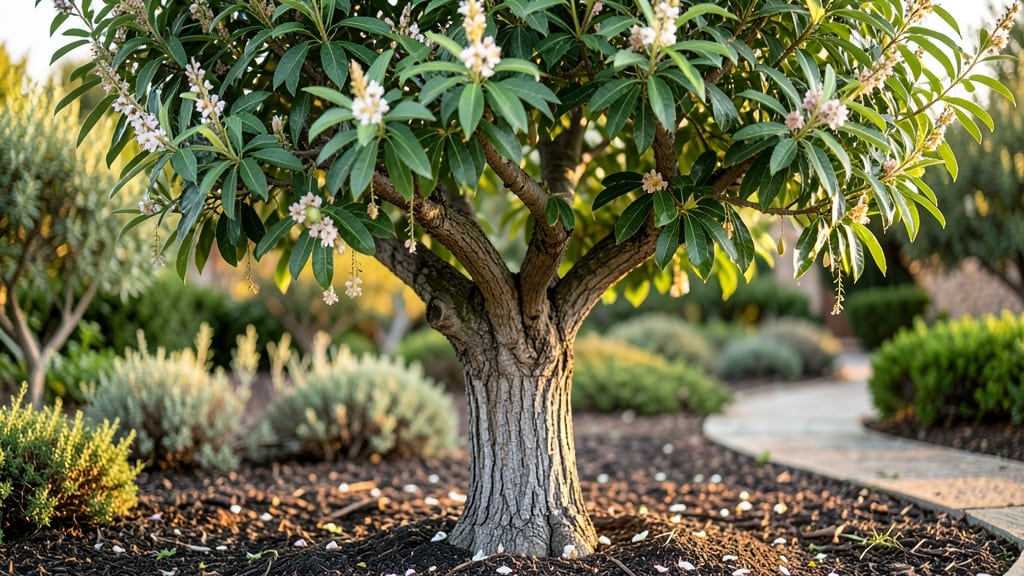
Creating the ideal almond tree environment means providing warm, dry conditions with well-drained soil and full sun exposure, which works best in USDA hardiness zones 5-9. These trees depend on cold winters for dormancy and hot, dry summers for optimal nut production and pollination.
Almond trees need specific growing conditions to produce their signature nuts, and the right climate plays a crucial role. 🌡️ The cold winters (with at least 400-700 chilling hours below 45°F) trigger dormancy and set the stage for spring blooms, while hot, dry summers (ideally 85-100°F) help develop the nuts.
Poor drainage or excessive humidity can lead to root rot or fungal diseases, so sandy loam soil with a pH between 6.0-8.0 works best. Many commercial growers in California and Spain rely on irrigation systems to maintain these conditions, especially during drought-prone seasons.
Beyond the basics, understanding your region's microclimate helps fine-tune care. For example, coastal areas may need windbreaks to prevent salt spray damage, while inland zones benefit from mulching to retain soil moisture.
If you're outside traditional growing areas, consider frost blankets or drip irrigation to mimic ideal conditions. The key is balancing these factors to ensure healthy tree development and a bountiful harvest.
💡 In This Article
- Climate and Soil Requirements for Almond Tree Growth
- Best Regions for Almond Tree Cultivation Worldwide
Climate and soil requirements for almond tree growth
Almond trees rely on a precise balance of temperature extremes to thrive. The 400-700 chilling hours below 45°F during winter trigger dormancy, a biological process where the tree's metabolic activity slows to prepare for spring growth.
Without adequate chilling, buds may fail to open properly, leading to poor flowering and reduced nut production. In contrast, summer temperatures ideally range between 85-100°F, creating the perfect environment for nut development and photosynthesis.
Too much heat above 105°F can stress the tree, while excessive cold below 20°F risks frost damage to blossoms and young nuts. 🌡️
The soil composition plays an equally critical role in nutrient absorption and root health. Almond trees prefer sandy loam soil with excellent drainage to prevent root rot, which thrives in waterlogged conditions.
The optimal pH range of 6.0-8.0 ensures the tree can access essential nutrients like nitrogen, phosphorus, and potassium—key for both vegetative growth and nut formation. Organic matter, such as compost or well-rotted manure, improves soil structure and microbial activity, which enhances nutrient availability.
For example, California's Central Valley, a top almond-growing region, relies on sandy soils that drain quickly, mimicking the Mediterranean climate where almonds originated.
Humidity levels also impact almond tree health, particularly during blooming and nut development. High humidity increases the risk of fungal diseases like brown rot or leaf spot, which can devastate yields.
In regions with high summer humidity, growers use fungicides and pruning techniques to improve air circulation around the canopy. Conversely, low humidity in arid climates reduces disease pressure but requires careful irrigation management to prevent drought stress.
Drip irrigation systems, which deliver water directly to the root zone, are commonly used to maintain soil moisture without oversaturating the soil. 💧
One often overlooked factor is the role of wind exposure. While almond trees need full sun, strong winds can desiccate leaves and damage blossoms, especially during the delicate pollination period. Coastal regions, for instance, may require windbreaks or strategic planting to shield trees from salt spray and gusts.
In contrast, inland areas benefit from natural wind patterns that help disperse pollen and reduce humidity. Understanding your local wind patterns can help you position trees for optimal growth and protection.
For home growers or those in non-traditional zones, adapting to these requirements might involve using frost blankets in early spring to protect blossoms or installing shade cloth during extreme heatwaves. These adjustments can mimic the ideal Mediterranean climate, where almond trees evolved.
For instance, in colder regions like zone 5, planting on a south-facing slope can provide additional warmth and sunlight, while mulching with straw helps retain soil moisture and regulate temperature fluctuations. 🌱
Finally, the interplay between climate and soil determines how efficiently the tree absorbs water and nutrients. In sandy soils, for example, water drains quickly, so frequent but shallow watering is essential, especially during the critical 60-90 days after full bloom when nuts are developing.
Conversely, clay soils retain moisture longer but can suffocate roots if not amended with organic matter. Testing your soil's texture, pH, and nutrient levels before planting can save time and ensure your almond tree gets the best possible start. 🔬