
Pruning
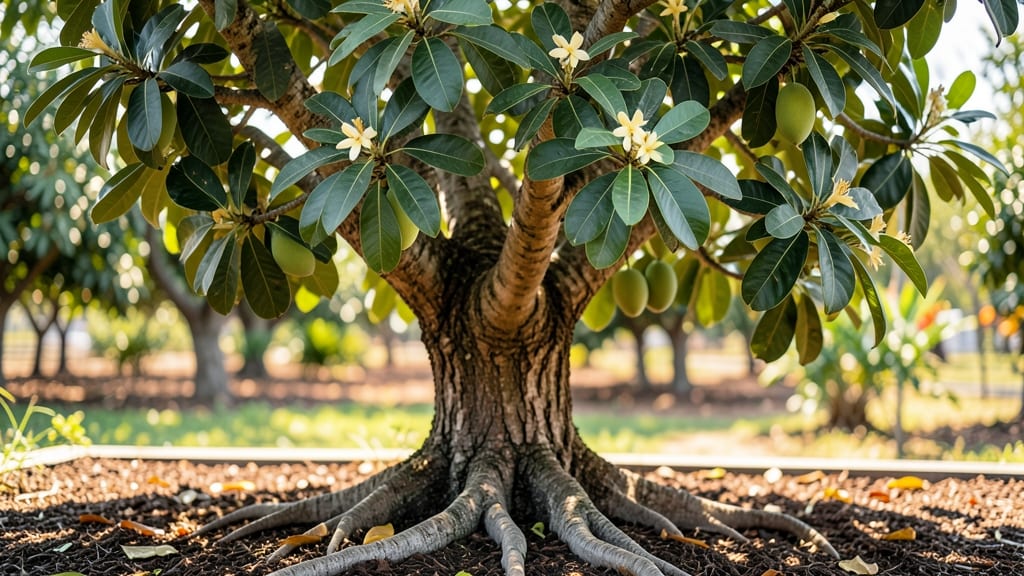
Summer pruning transforms your mango tree from a struggling bush to a fruit-loaded powerhouse. ✂️ I’ve watched my tree go from sparse branches to heavy with mangoes in just one season—the key is timing, technique, and avoiding common summer pitfalls like sunburn or overwatering.
The right cuts encourage airflow and sunlight penetration, which means fewer diseases and more fruit. You’ll focus on removing water sprouts (those fast-growing vertical shoots) and thinning crowded branches—never more than 20% of the tree at once.
Think of it as giving your mango tree a spa day: less stress, more energy for fruit. By late summer, you’ll see new growth where you pruned, and those branches will be bursting with blossoms for next year’s harvest.
The tree stays compact, the fruit ripens evenly, and you avoid the heartbreak of dropped mangoes from overloaded branches. Works for both tropical and subtropical climates—just adjust watering based on your heat levels. Here’s how to do it right without killing your tree’s productivity.
📚 In This Guide
- What you need
- Instructions
- Tips and common mistakes
- Wrapping up and next steps
What you need
- ● Pruning shears (bypass or anvil type) – Choose sharp, high-quality shears (8-10" blade length) for clean cuts on small branches.
- ● Loppers – 10-14" bypass loppers for thicker branches (up to 2" diameter). Opt for ratcheting loppers for extra leverage.
- ● Pruning saw – A curved-tooth pruning saw for branches larger than 2" in diameter. Look for a non-serrated edge to avoid tearing wood.
- ○ Extension pole saw – For high branches (optional but handy for tall mango trees). A 10-12 ft. telescopic pole with a sharp saw blade works best.
- ● Gloves – Heavy-duty, cut-resistant gloves (e.g., mechanics or pruning gloves) to protect against thorns and sharp tools.
- ● Disinfectant (70% isopropyl alcohol or bleach solution) – 1 part bleach to 9 parts water to sterilize tools between cuts and prevent disease spread.
- ○ Pruning sealant (optional) – Tree wound dressing (e.g., Tanglefoot Tree Wound Pruning Seal) for large cuts to reduce sap loss and infection risk.
- ● Safety glasses – Protect your eyes from debris and sap splashes.
- ● Long sleeves and pants – Lightweight, breathable fabric to shield against sun and thorns.
- ● Ladder or sturdy step stool – Ensure it’s stable and rated for your weight (e.g., fiberglass or aluminum ladder).
- ● Water and snacks – Summer pruning can be physically demanding—stay hydrated!
- ● Trash bags or bucket – For collecting pruned branches and debris.
- ● Pole pruners with a hook – For hard-to-reach branches without climbing.
- ● Tree bandage or tape – Soft, breathable wrap (e.g., Tanglefoot Tree Bandage) for large wounds.
- ● Garden hose with nozzle – To clean tools and rinse off sap after pruning.
- ● Notebook or app – For sketching a pruning map of your tree’s structure before and after trimming.
Step-by-Step guide to summer pruning for a productive mango tree
Summer is the perfect time to shape your mango tree without sacrificing next year's harvest.
🌿 Step 1: Identify and Remove Suckers and Water Sprouts
Start by scanning your tree for suckers—those vigorous shoots sprouting from the base or along the trunk. These steal energy from fruit production. Use sharp pruning shears to cut them at the base, making a clean slice just above the soil line. Water sprouts (thin shoots growing from branches) also need removal—they’re a sign of overcrowding.
I like to work on a dry morning when the tree is dormant. You’ll see these unwanted shoots most clearly when the tree is fully leafed out. Cutting them now prevents them from competing with your fruit-bearing branches later. Remember, a sucker removed now saves you from a tangled mess come winter.
✂️ Step 2: Thin Out Crowded Branches for Better Airflow
Mango trees thrive when sunlight and air circulate freely. Look for branches growing inward or crossing each other—these create shaded spots where fruit won’t ripen well. Use your pruners to remove the smaller of the two crossing branches, cutting back to the nearest outward-facing bud. This encourages stronger growth in the right direction.
If you’re unsure which branch to keep, imagine the tree’s natural shape. The branch that aligns with the tree’s overall form gets to stay. Avoid cutting more than 25% of the tree’s canopy in one session—this prevents stress. You’ll notice the tree’s structure opening up within weeks, with sunlight reaching all sides.
☀️ Step 3: Prune for Light Penetration and Fruit Load
Now focus on the tree’s interior. Remove any branches blocking sunlight from reaching the center. These shaded branches produce smaller, less flavorful fruit. Cut back to a healthy bud or lateral branch, ensuring the cut is just outside the branch collar (the swollen area where the branch meets the trunk).
This is also the time to thin out clusters of fruit. Leave 1-2 mangoes per cluster—overcrowded fruit stays small and underdeveloped. You’ll see the remaining fruit swell noticeably within a few weeks. Pruning now ensures your tree puts energy into quality over quantity.
💧 Step 4: Sterilize Tools and Monitor for Stress
After pruning, wipe your shears with rubbing alcohol to prevent disease spread. Mango trees are sensitive to bacterial infections, and dirty tools can introduce problems. I always sterilize mine between cuts, especially if the tree has any signs of discoloration or oozing sap.
Watch your tree closely after pruning. If leaves yellow or drop, it’s a sign of stress—water deeply to help recovery. A light application of balanced fertilizer (like 10-10-10) can also give it a boost. You’ll know you’ve done it right when new growth appears within 4-6 weeks, signaling the tree is healing and preparing for next season’s fruit.
Tips & tricks for perfect summer mango tree pruning
Summer pruning can transform your mango tree into a fruit-producing powerhouse—here's how to avoid common mistakes and maximize your harvest.
Timing is Everything: The key to successful summer pruning is working during the tree's dormant period in the morning. This is when the tree is least stressed and most receptive to shaping. I've found that pruning right after a light rain actually makes the cuts heal faster—just make sure the tree has time to dry before you start.
Branch Selection Strategy: When thinning crowded branches in Step 2, look for the branch that creates the most open V-shape with its neighbor. This isn't just about removing growth—it's about creating an architectural framework that allows sunlight to penetrate to the center of the tree. I like to visualize the tree's natural vase shape when making these decisions, which helps me maintain balance.
Fruit Load Management: In Step 3, the 1-2 mangoes per cluster rule might seem restrictive, but trust me—this is where quality over quantity really pays off. Overcrowded fruit competes for nutrients, resulting in smaller, less flavorful mangoes. You'll notice the remaining fruit developing a more vibrant color within just two weeks of thinning.
Aftercare Essentials: The 4-6 week recovery period mentioned in Step 4 is crucial. During this time, I've learned to monitor for new growth as a positive sign, but also watch for any signs of stress like yellowing leaves. A deep watering every 7-10 days during this period helps the tree establish new roots and recover from the pruning.
Pro Tips for Mango Tree In Summer
- Summer pruning can transform your mango tree into a fruit-producing powerhouse—here's how to avoid common mistakes an...
- Timing is Everything: The key to successful summer pruning is working during the tree's dormant period in the morning...
- Branch Selection Strategy: When thinning crowded branches in Step 2, look for the branch that creates the most open V...
Frequently asked questions
Got questions about keeping your mango tree thriving during summer? Here are some common concerns—and quick answers to help you prune like a pro!
When is the best time to prune a mango tree in summer?
Prune your mango tree early summer (before June) to avoid stressing the tree during peak heat. Focus on shaping, removing dead branches, and thinning fruit clusters to balance growth and fruit load. Avoid heavy pruning in late summer—wait until fall for major cuts.
Can I prune a mango tree in summer if it’s already fruiting?
Yes, but lightly! Summer is ideal for fruit thinning—remove excess mangoes to improve size and quality. Use sharp pruners to snip clusters down to 2-3 fruits per branch. Avoid heavy structural cuts, which can stress the tree when it’s already producing fruit.
What if my mango tree looks stressed after summer pruning?
Stress signs (yellow leaves, wilting) mean you pruned too much or too late. Fix it fast: Water deeply, apply a balanced fertilizer, and avoid pruning for 4-6 weeks. Mango trees recover, but heavy summer cuts can delay next year’s harvest.
Do I need to sterilize tools before pruning a mango tree in summer?
Absolutely!
Sterilize shears with rubbing alcohol or a 10% bleach solution to prevent fungal/bacterial spread (like anthracnose). Summer humidity worsens infections—clean tools before and after every use, especially if your tree has pests or diseases.
What’s the difference between summer pruning and winter pruning for mango trees?
Summer pruning focuses on fruit management and shaping, while winter (dormant season) is for major structural cuts. Summer: Thin fruit, remove weak growth. Winter: Prune dead wood, open the canopy for airflow. Both seasons matter—balance them for a healthy tree!
Wrapping up and next steps
Summer pruning your mango tree isn’t just about trimming—it’s about setting the stage for a bountiful harvest year-round while keeping your tree healthy and manageable. By focusing on selective cuts, removing dead wood, and balancing growth, you’ll encourage stronger branches, better airflow, and even sweeter fruit. 🌿✨
Ready to give your mango tree the care it deserves? Start small: grab your tools, pick a sunny day, and begin with just one branch. Over time, you’ll build confidence—and soon, you’ll be rewarded with a tree that thrives and produces! Check out our step-by-step guide to dive deeper.