
Trees
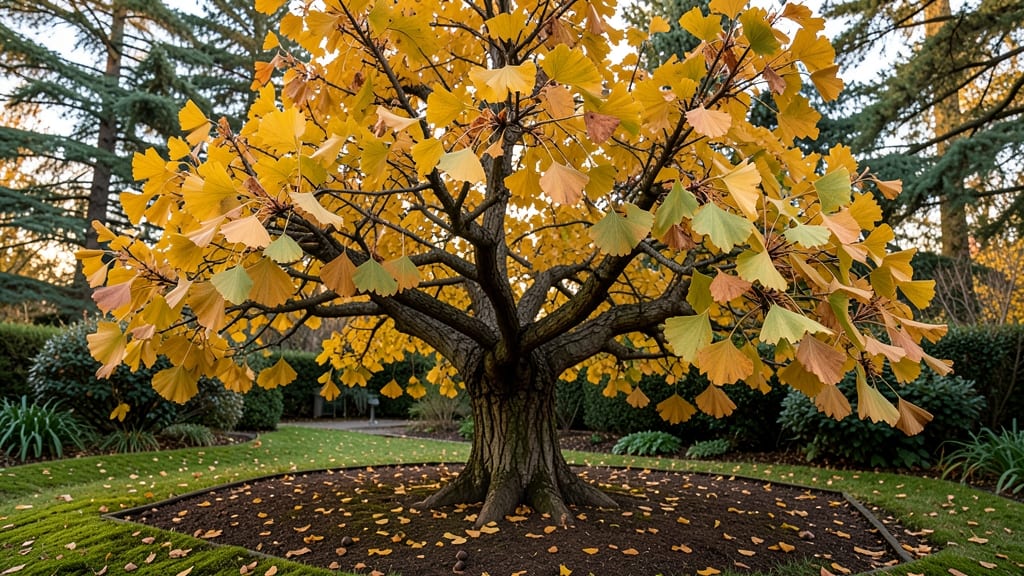
Your ginkgo tree’s fall gold is turning those ginkgo tree yellow leaves too early—and that’s not the stunning display you’re hoping for. 🌿 I’ve seen this happen when trees struggle with hidden issues, but the good news is most cases are simple to fix with the right care.
The key is figuring out whether it’s nutrient needs, pests, or something else causing the stress.
Yellow leaves often mean the tree isn’t getting enough iron or zinc, especially in alkaline soil. Fungal diseases like anthracnose or pests like ginkgo psyllids can also trigger this, but don’t panic—each has a foolproof solution.
Start by checking the soil pH and leaf texture for clues. A quick soil test or microscope check (yes, you can DIY this!) will point you in the right direction.
With the right approach, you’ll restore that rich golden hue and keep your ginkgo thriving for years. We’re talking healthy foliage, fewer pests, and a tree that stays vibrant well into winter.
The best part? Most fixes take less than an hour and cost under $20. Let’s bring back that fall glory.
Whether you’re dealing with a young tree or a mature giant, these steps work for any backyard ginkgo. The secret is consistency—just like with any garden project, a little attention now saves big headaches later. Ready to turn those ginkgo tree yellow leaves back into fall gold?
Understanding Leaf Color Shifts
Your ginkgo tree’s vibrant yellow leaves are a stunning autumn spectacle—but when they appear too early or unexpectedly, it’s often a sign of stress or imbalance. Below, we break down the most common reasons why ginkgo leaves turn yellow, from natural aging to hidden environmental threats.
Recognizing the cause is the first step to restoring your tree’s health and ensuring those golden hues arrive at the perfect time.
Ginkgo trees (Ginkgo biloba) are deciduous, meaning they shed leaves annually as part of their natural life cycle. However, their iconic golden-yellow fall foliage is triggered by a combination of shorter daylight hours, cooler temperatures, and hormonal shifts.
- Photoperiodism in action: As daylight shortens in late summer/early fall, the tree’s meristem (growth tissue) produces anthocyanins (red/purple pigments) and breaks down chlorophyll (the green pigment). This reveals the yellow xanthophylls and orange carotenoids hidden in the leaves.
- Timing matters: If leaves yellow before September, it’s likely premature senescence (aging). This can happen if the tree is stressed or if summer was unusually hot/dry.
- Pro tip: 🌡️ Monitor your local frost dates. Ginkgos need a frost trigger (temperatures below 40°F/4°C) to fully shift into fall color. Without it, leaves may yellow but lack the deep red/purple contrast.
Ginkgos are drought-tolerant once established, but poor watering habits—either too much or too little—are the #1 cause of premature yellowing. Unlike many trees, ginkgos cannot tolerate soggy roots, which leads to oxygen deprivation and nutrient starvation.
| Symptom | Cause | Fix It |
|---|---|---|
| Leaves yellow from the edges inward (scorched look) | Underwatering or osmotic stress (salt buildup from poor drainage) | 💦 Deep-water 2–3x/week in dry spells (1–1.5 inches per week). Test soil moisture 3" below the surface. |
| Yellowing paired with drooping or wilting | Overwatering or compacted soil (roots suffocate) | ⏰ Reduce watering; improve drainage with organic matter (compost or pine bark). |
| Yellow patches on lower leaves only | Root zone flooding (e.g., poor grading or clay soil) | 🔨 Raise the soil level around the trunk or install a French drain. |
Actionable tip: 🌡️ Check soil moisture with your finger—if it’s dry 2" down, water deeply. If it’s muddy, hold off until the top 3" dry out.
Ginkgos are light feeders, but yellow leaves often signal a lack of key nutrients. The most common deficiencies manifest in specific patterns:
- Nitrogen (N) deficiency:
- 🔹 Pale yellow leaves (uniform across the tree)
- 🔹 Slower growth or stunted new shoots
- 💡 Fix: Apply compost or a balanced 10-10-10 fertilizer in early spring. Avoid high-nitrogen lawn fertilizers—they burn roots.
- Iron (Fe) or Chlorosis:
- 🔹 Bright yellow leaves with green veins (classic "lime-induced chlorosis")
- 🔹 Common in alkaline soil (pH > 7.5)
- 💡 Fix: Lower pH with elemental sulfur (apply in fall) or use chelated iron (spray or soil drench).
- Magnesium (Mg) deficiency:
- 🔹 Yellowing between veins (starts on older leaves)
- 🔹 Often confused with nutrient lockout (too much calcium)
- 💡 Fix: Apply Epsom salt (magnesium sulfate)—1 tbsp per gallon of water, sprayed on leaves.
Soil test first! 📊 A local soil test ($15–$25) reveals exact deficiencies before guessing.
While ginkgos are highly resistant to pests, a few culprits can trigger yellowing if left unchecked:
- Ginkgo Psyllid (Psylla ginkgoensis):
- 🔹 Curled, yellowing leaves with sticky honeydew (ants may be present)
- 🔹 Fix: Spray with neem oil (1 tbsp/gal water) or insecticidal soap in early summer before eggs hatch.
- Fungal Leaf Spot (Phyllostica ginkgo):
- 🔹 Yellow/brown spots with dark borders (often in wet summers)
- 🔹 Fix: Prune infected leaves; apply copper fungicide in spring before rain.
- Root Rot (Phytophthora):
- 🔹 Yellowing + wilting even with water (soil smells sour)
- 🔹 Fix: Remove infected soil; replant with sand/perlite mix and avoid overwatering.
Prevention tip: ✨ Inspect leaves monthly—early intervention stops small issues from becoming tree-wide problems.
Ginkgos thrive in USDA Zones 3–8, but extreme conditions can force premature yellowing:
- Heat Stress:
- 🔹 Leaves yellow in midsummer (especially if >90°F for weeks)
- 💡 Fix: Provide afternoon shade (e.g., temporary shade cloth) or mulch to keep roots cool.
- Salt or Chemical Burn:
Revive Your Ginkgo’s Golden Glow
Yellow leaves on your ginkgo tree don’t always mean trouble—they could just be nature’s way of putting on a stunning fall show! But if the color shift feels premature, uneven, or accompanied by wilting, it’s time to take action.
Below, we break down practical fixes for the most common causes, plus prevention tips to keep your ginkgo thriving year-round. Let’s get your tree back to its vibrant best! 🌿✨
---
Signs: Yellowing leaves with soggy soil, root rot, or leaves that droop even when watered.
How to Fix It: 💧 Step 1: Check the Soil Moisture - Stick your finger 2–3 inches deep into the soil. If it’s damp (not soaked), hold off on watering. Ginkgo trees prefer well-drained soil and can’t handle soggy roots.
🌱 Step 2: Improve Drainage - If your tree is planted in heavy clay or compacted soil, amend the area with: - Compost (1 part compost to 3 parts native soil) - Perlite or coarse sand (for sandy soils) - Avoid mulch piles directly against the trunk—keep it 3–4 inches away to prevent rot.
🚰 Step 3: Adjust Watering Habits - Water deeply but infrequently—about 1–1.5 inches per week (including rain). Let the top 2 inches of soil dry out between waterings. - If root rot is suspected, trim affected roots (if accessible) and repot or transplant if necessary.
💡 Pro Tip: Plant ginkgo trees in mounds or raised beds if your yard has poor drainage—this helps excess water flow away naturally.
---
Signs: Yellowing leaves with green veins (iron deficiency) or pale, weak new growth (nitrogen deficiency).
How to Fix It: 🌱 Step 1: Test Your Soil - Grab a DIY soil test kit (or send a sample to your local extension office) to confirm deficiencies. Ginkgo trees thrive in slightly acidic to neutral soil (pH 6.5–7.5).
💊 Step 2: Apply the Right Fertilizer - For iron deficiency (chlorosis): - Sprinkle iron sulfate or chelated iron around the root zone in early spring. - Mix 1 tbsp of Epsom salt (magnesium sulfate) into 1 gallon of water and water the base (helps with iron uptake). - For nitrogen deficiency: - Use a balanced, slow-release fertilizer (like 10-10-10) in early spring or a high-nitrogen organic option (e.g., blood meal or fish emulsion). - Avoid over-fertilizing—too much nitrogen can burn roots!
🌧️ Step 3: Boost Microbial Activity - Add compost tea or mycorrhizal fungi to the soil to improve nutrient absorption. These natural helpers unlock nutrients trapped in the soil.
💡 Pro Tip: If your soil is too alkaline (pH >7.5), yellowing can worsen. Lower pH with sulfur or peat moss (follow package instructions).
---
Signs: Yellow spots with dark borders, fuzzy white coatings, or leaves that crinkle or drop early.
How to Fix It: 🧼 Step 1: Prune for Airflow - Remove infected leaves and branches (sterilize pruners with rubbing alcohol between cuts). - Thin out dense foliage to improve air circulation—fungi love humid, stagnant air!
🍄 Step 2: Apply Fungicide - Preventative spray: Use neem oil or copper fungicide (like Bordeaux mixture) every 2–3 weeks during wet seasons. - For severe cases: Try systemic fungicides (e.g., Propiconazole) as a last resort.
💦 Step 3: Adjust Watering & Mulching - Water early in the day so leaves dry quickly. - Avoid over-mulching—keep mulch 2–3 inches deep and away from the trunk.
💡 Pro Tip: Resistant varieties like Ginkgo biloba ‘Fastigiata’ (upright ginkgo) may handle humidity better. If fungal issues persist, consider relocating the tree to a sunnier, drier spot.
---
Signs: Sudden yellowing after extreme weather, wilted leaves, or leaf scorch (brown edges).
How to Fix It: 🌞 Step 1: Shield from Harsh Conditions - For heat stress: Provide afternoon shade (use shade cloth if needed) and mulch heavily to retain moisture. - For cold stress: Wrap the trunk in burlap in late fall if your area gets hard freezes (<10°F). Avoid winter watering—wet roots freeze easier.
🌱 Step 2: Help with Transplant Shock - If recently planted, water deeply every 2–3 days for the first month. - Apply root stimulator (like mycorrhizal powder) at planting to encourage growth.
💡 Pro Tip: Ginkgo trees are drought-tolerant once established—overwatering after transplant can be worse than underwatering!
---
Signs: Yellow stippling on leaves, sticky residue (honeydew), or chewed edges.
How to Fix It: 🕷️ Step 1: Identify the Pest - Spider mites: Tiny webs on undersides of leaves. - Scale insects: Bumpy, immobile spots on branches. - Japanese beetles: Skeletonized leaves with iridescent green beetles.
💦 Step 2: Treat Naturally - For mites: Spray with soapy water (1 tsp mild soap per quart of water) or neem oil. - For scale: Scrape off with a soft brush or use horticultural oil. - For beetles: Handpick or use pyrethrin-based sprays (follow label instructions).
🌿 Step 3: Encourage Beneficial Insects - Plant nearby companion plants like marigolds or lavender to attract ladybugs and lacewings, which eat pests.
💡 Pro Tip: Avoid broad-spectrum pesticides—they can kill beneficial insects too!
---
To keep your ginkgo’s leaves lush and golden (when it’s time for fall!), follow these long-term care tips:
✅ Plant in the Right Spot: - Full sun (6+ hours/day) and well-draining soil are non-negotiable. - Avoid low-lying areas where water pools.
✅ Mulch Like a Pro: - Use 2–3 inches of organic mulch (wood chips, bark) but keep it away from the trunk.
✅ Fertilize Smart: - Once a year in early spring with a balanced fertilizer (10-10-10 or similar). - Skip fall fertilization—it encourages late growth that can’t harden off for winter.
✅ Prune Strategically: - Remove dead/diseased branches in late winter or early spring. - Thin out crowded branches to improve airflow.
✅ Monitor Year-Round: - Check leaves monthly for early signs of stress, pests, or disease. - Adjust care based on seasonal changes (e.g., reduce watering in winter).
--- Final Thought: Most ginkgo yellowing issues are easily reversible with the right
Frequently asked questions about ginkgo tree yellow leaves
1Why do ginkgo leaves turn yellow before fall?
Premature yellowing often signals stress from nutrient deficiencies (like iron or magnesium), poor drainage, or pest damage. Unlike normal fall color, early yellowing appears uneven or paired with wilting. Check soil moisture and leaf patterns—yellowing with green veins suggests chlorosis (iron deficiency), while patchy yellow often means fungal issues or pests.
2Can overwatering cause yellow leaves on ginkgo trees?
Yes! Ginkgos hate soggy roots. Overwatering leads to oxygen deprivation, causing yellowing leaves paired with drooping or wilting. Test soil moisture: if it’s muddy 2" deep, reduce watering. Improve drainage by amending soil with compost or perlite, and avoid mulch piles against the trunk.
3How do I fix iron deficiency (yellow leaves with green veins)?
Iron deficiency (chlorosis) thrives in alkaline soil. First, test your soil pH—aim for 6.5–7.5. Apply chelated iron (spray or soil drench) in early spring, or sprinkle iron sulfate around the root zone. For extra help, mix 1 tbsp Epsom salt into a gallon of water and water the base monthly.
4Are ginkgo psyllids the only pests that cause yellow leaves?
No! While ginkgo psyllids (curled, sticky leaves) are common, scale insects (bumpy spots), spider mites (tiny webs), and Japanese beetles (chewed edges) also trigger yellowing. Treat mites with soapy water or neem oil; scrape off scale; and handpick beetles. Encourage ladybugs by planting marigolds nearby.
5Will pruning help yellow leaves caused by fungal disease?
Prune infected branches (sterilize tools with rubbing alcohol) to improve airflow and stop the spread. Thin dense foliage and apply copper fungicide every 2–3 weeks during wet seasons. For severe cases, consider relocating the tree to a sunnier, drier spot—fungi thrive in humid conditions.