
Light Requirements
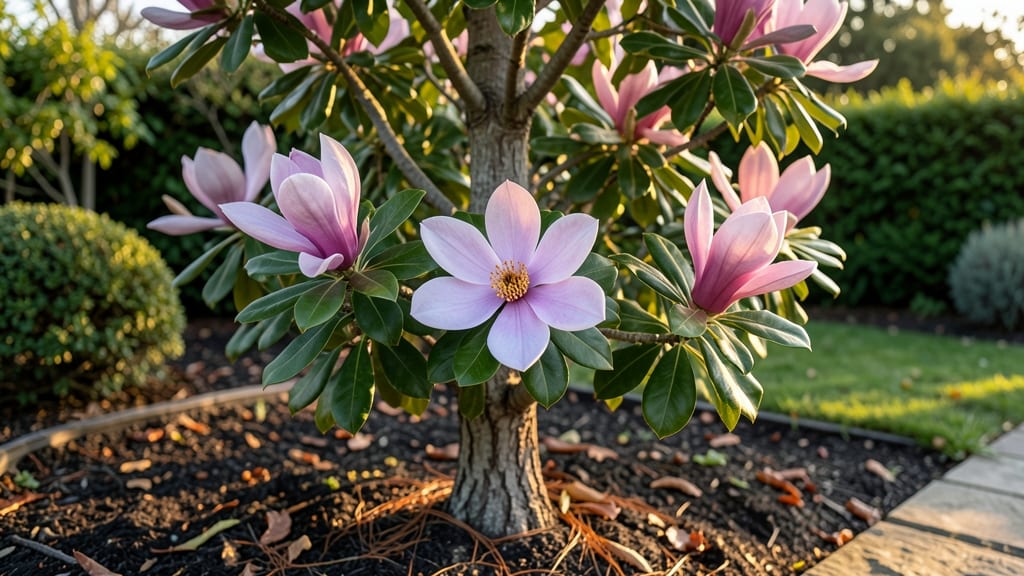
Magnolia trees in full sun aren't just possible—they're stunning when you get the care right. 🌞 I planted mine in a hot, west-facing spot last spring, and now it's thriving with glossy leaves and fragrant blooms that last all summer.
The key isn't avoiding sun—it's managing heat stress and soil moisture the smart way.
Your magnolia needs well-draining, slightly acidic soil (think 6.0-6.5 pH) mixed with compost to handle full sun's intensity. Water deeply once a week after establishment—never let the soil dry completely, but avoid soggy roots. Mulch with 2-3 inches of organic material to keep roots cool and retain moisture.
You'll see the payoff in bold new growth and longer bloom seasons than shade-grown trees. Prune only to shape (never after blooms) and watch for sunburn on young leaves—just give them a little afternoon shade until established.
Southern climates handle full sun best, but northern gardeners can try it in sheltered spots.
Heat tolerance comes with age—young trees need afternoon shade for the first year. Once established, your magnolia will reward you with vibrant blooms and minimal care compared to other shade-loving trees. The secret? Good soil prep and consistent watering—no fancy tricks needed.
📚 In This Guide
- What you need
- Instructions
- Tips and common mistakes
- Wrapping up and next steps
What you need
- ● Magnolia Tree: Choose a full-sun-tolerant variety like Magnolia grandiflora or Magnolia stellata (check local nurseries for hardiness zone compatibility).
- ● Well-draining soil: 5–10 cubic yards of a mix of topsoil (60%), compost (30%), and sand or perlite (10%) to prevent root rot.
- ● Shovel or spade: Medium-sized (18–24 inches) for digging the planting hole.
- ● Garden gloves: Heavy-duty to protect hands while handling soil and roots.
- ○ Mulch (optional but recommended): 2–3 inches of pine bark or shredded leaves to retain moisture and regulate soil temperature.
- ● Watering can or hose with adjustable nozzle: For deep, slow watering (5–10 gallons per tree initially).
- ● Pruning shears: Bypass pruners (sharp, 6–8 inch blades) for shaping and maintenance.
- ● Stakes and garden twine (if needed): 2–3 stakes (5–6 feet tall) for young trees in windy areas.
- ● Slow-release fertilizer: Balanced 10-10-10 or magnolia-specific fertilizer (apply in early spring).
- ● Tree guard or protective barrier: To shield from pets or wildlife.
- ● Soil pH test kit: Magnolias prefer acidic to slightly acidic soil (pH 5.0–6.5).
- ● Drip irrigation system: For consistent moisture in hot, dry climates.
- ● Fungicide (preventative): Copper-based spray for fungal disease-prone areas.
Step-by-step guide to planting and caring for magnolias in full sun
Here’s how to give your magnolia the bright, sunny conditions it craves while keeping it healthy and flourishing.
🌱 Step 1: Choose the Right Location and Planting Time
Magnolias thrive in full sun, so pick a spot that gets at least 6-8 hours of direct sunlight daily. I always check the site in late winter to assess sunlight patterns—morning sun is ideal, but avoid areas where afternoon heat scalds young leaves. The best planting window is late fall or early spring, when soil temperatures are cool but not frozen.
Dig a hole twice as wide as the root ball but no deeper—magnolias hate having their roots buried too deep, which can cause rot. Loosen the edges of the hole with a shovel to help roots spread naturally. If your soil drains poorly, mix in 1-2 inches of compost into the bottom of the hole to improve aeration.
🪴 Step 2: Plant with Proper Spacing and Soil Prep
Plant magnolias 15-20 feet apart for mature size, as they spread widely. Gently remove the tree from its container and tease the roots outward if they’re circling—this encourages outward growth instead of girdling. Place the root ball in the hole so the top sits 1-2 inches above ground level; settling soil will cover it later.
Backfill with native soil mixed with 1 part compost to improve fertility. Water deeply as you fill to eliminate air pockets, then tamp the soil lightly with your hands. Mulch around the base with 2-3 inches of organic mulch, keeping it 6 inches away from the trunk to prevent rot. This keeps roots cool and conserves moisture.
☀️ Step 3: Water Deeply and Establish a Routine
Water newly planted magnolias 2-3 times per week for the first month, giving 1-2 gallons per watering to encourage deep root growth. You’ll know it’s enough when water drains 6-8 inches into the soil. After that, water once a week in dry spells, but let the top 2 inches of soil dry out between waterings—overwatering is the fastest way to kill a magnolia.
Mature magnolias are drought-tolerant, but young trees need consistent moisture. I check soil moisture by sticking my finger 2 inches deep—if it feels dry, it’s time to water. Avoid wetting the leaves to prevent fungal diseases like powdery mildew, which thrives in humid, sunny conditions.
✂️ Step 4: Prune for Shape and Health in Late Winter
Prune magnolias right after flowering (late winter to early spring) to avoid cutting off next year’s blooms. Remove dead, diseased, or crossing branches first—these compete for nutrients and weaken the tree. Use clean, sharp pruners to make cuts just above a outward-facing bud, angled slightly away from the branch collar.
Shape the tree by thinning out crowded branches to improve airflow, but never remove more than 25% of the canopy at once. Magnolias bloom on old wood, so avoid heavy pruning—focus on light maintenance to keep the tree’s natural form. After pruning, apply a balanced fertilizer (10-10-10) to support new growth.
🌿 Step 5: Monitor for Pests and Seasonal Adjustments
Magnolias attract few pests, but watch for scale insects or spider mites—they thrive in dry, sunny conditions. Wipe leaves with a damp cloth monthly during summer to deter them. If you see webbing or sticky residue, spray with neem oil (mix 1 tbsp per gallon of water) for a natural remedy.
In winter, protect young trees from freezing winds by wrapping the trunk with burlap or using tree guards. Mature magnolias handle cold well, but their roots can still suffer in harsh winters. Apply a 3-inch layer of mulch in late fall to insulate the soil and retain warmth.
Tips & tricks for thriving magnolias in full sun
Here's what I've learned after years of helping these majestic trees flourish in sunny landscapes—simple secrets that make all the difference.
Sunlight Strategy: That 6-8 hours of direct sunlight is non-negotiable for full sun magnolias, but timing matters just as much. I've found that morning sun (6am-12pm) is ideal because it prevents afternoon heat stress on young leaves. If your location gets intense afternoon sun, consider planting near a structure that provides light shade during peak heat hours (2pm-5pm). The goal is to mimic their natural forest edge habitat where they get dappled sunlight.
Root Ball Revelation: The 1-2 inches of compost you mix into the planting hole isn't just about fertility—it's about creating the perfect air-to-soil ratio. I've seen magnolias struggle when planted in pure native soil because it compacts too easily. For clay-heavy soils, add an extra 1 inch of compost to improve drainage. Pro tip: If your soil drains poorly, create a small berm around the planting hole to prevent water pooling during heavy rains.
Watering Wisdom: Those 2-3 waterings per week for the first month aren't just about quantity—they're about establishing deep root systems. I've had clients overwater and create soggy conditions that lead to root rot. Here's my trick: Water slowly until you see drainage at the 6-8 inch mark, then wait until the top 2 inches feel dry before watering again. This encourages roots to grow downward where they'll find natural moisture during droughts.
Pruning Precision: The 25% canopy rule during pruning is crucial because magnolias bloom on old wood. I always make my cuts just above outward-facing buds—this ensures new growth will develop away from the trunk. For large branches, I recommend making a second cut about 6 inches out from the trunk to prevent bark tearing. And here's a secret: Prune on a cloudy day to reduce stress on the tree from sun exposure.
Pro Tips for Magnolia Tree Full Sun
- Here's what I've learned after years of helping these majestic trees flourish in sunny landscapes—simple secrets that make all the difference.
- Sunlight Strategy: That 6-8 hours of direct sunlight is non-negotiable for full sun magnolias, but timing matters just as much.
- Root Ball Revelation: The 1-2 inches of compost you mix into the planting hole isn't just about fertility—it's about creating the perfect air-to-soil ratio.
Frequently asked questions
Got questions about growing magnolias in full sun? You’re not alone! Here are some of the most common concerns—and straightforward answers—to help your magnolia thrive effortlessly.
Can magnolia trees really handle full sun?
While they prefer partial shade in hot climates, many magnolia varieties—like Southern Magnolia (Magnolia grandiflora) and Star Magnolia (Magnolia stellata)—tolerate (and even love!) 6+ hours of direct sun daily. Just ensure they’re planted in well-draining soil to avoid root stress. Pro tip: Young trees may need afternoon shade until established.
How fast do magnolias grow in full sun?
Growth speed varies by type, but full sun can accelerate it! Expect:
- Fast growers: Saucer Magnolia (Magnolia × soulangeana)—12–24" per year.
- Moderate: Southern Magnolia—12–18" annually.
- Slow but steady: Star Magnolia—6–12" per year.
With proper care, they’ll reach maturity (15–40 ft tall) in 5–15 years. Key: Prune in late winter to encourage bushier growth.
What if my magnolia’s leaves turn brown in full sun?
Brown, crispy leaves often signal heat stress or drought. Try these fixes:
- Water deeply 1–2x weekly (1–1.5" per week).
- Mulch (2–3" of organic mulch) to retain moisture.
- Provide afternoon shade with a temporary shade cloth (30–50%) if temps exceed 90°F.
If the issue persists, check for pests (spider mites) or fungal diseases (like powdery mildew).
Are there full-sun alternatives to magnolias?
If magnolias seem high-maintenance, try these low-care, sun-loving trees:
| Tree | Sun Tolerance | Bonus Traits |
|---|---|---|
| Crape Myrtle (Lagerstroemia) | Full sun (6+ hrs) | Drought-resistant, vibrant blooms, no messy fruit. |
| Japanese Zelkova (Zelkova serrata) | Full sun to partial shade | Tough bark, great for urban areas. |
| Fringe Tree (Chionanthus) | Full sun | Fragrant white flowers, compact size. |
All three require minimal pruning and handle heat like champs!
When is the best time to plant a magnolia in full sun?
Plant in early spring or fall (4–6 weeks before frost) for the best success. Why?
- Spring: Roots establish before summer heat.
- Fall: Cooler temps reduce transplant shock.
Avoid planting in peak summer—young roots can overheat. Timing hack: Water deeply 2–3x weekly for the first month post-planting.
Wrapping up and next steps
Growing a magnolia tree in full sun is a rewarding experience—these stunning plants thrive with minimal fuss while adding timeless beauty to your landscape. 🌿 With the right soil, spacing, and occasional care, you’ll enjoy fragrant blooms and lush foliage for years to come.
Now that you’re armed with the how-tos, why not take the next step? Pick your favorite variety, mark your sunny spot, and plant with confidence! Your future magnolia’s shade (and scent!) will thank you.
- Pro Tip: Snap a photo of your tree’s location—future you will love tracking its growth! 📸