
Pruning
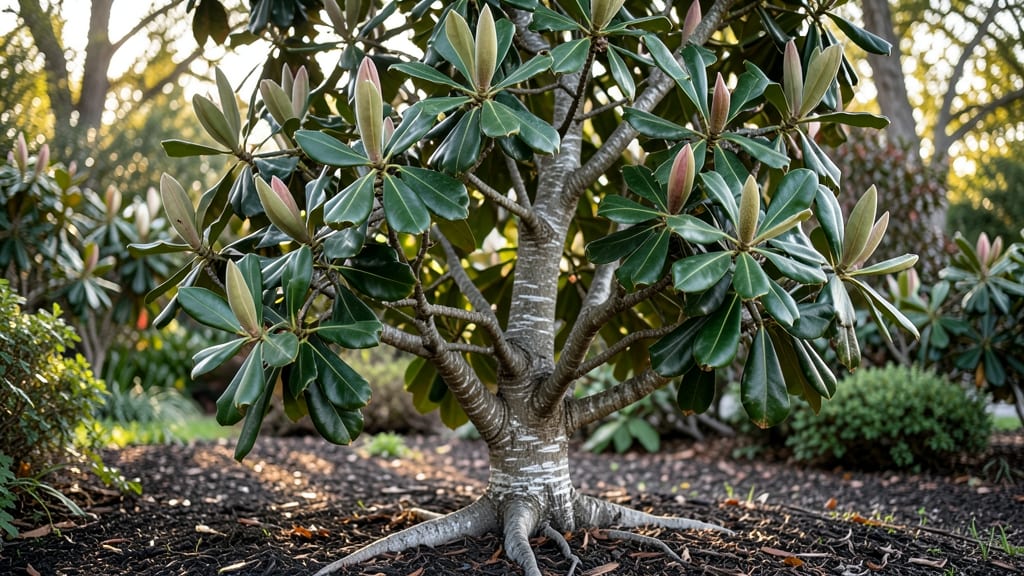
Those fuzzy pink buds on your Southern magnolia in late winter aren't just pretty—they're the promise of next summer's fragrant blooms. 🌸 I've learned the hard way that how you handle them now determines whether your tree puts on a show or just grows leaves.
The key is understanding when and how to prune during dormancy to encourage strong bud development.
Southern magnolias form flower buds on last year's growth, so pruning too late or too aggressively can rob you of blooms. The best time is late winter to early spring, right after the last frost but before new growth starts.
Focus on removing dead, crossing, or weak branches—never cut back more than 25% of the tree at once. This approach keeps the energy flowing to those delicate pink buds.
You'll know you're doing it right when you see fresh green growth by spring and those pink buds swelling into creamy-white, lemon-scented blooms by late spring. The tree rewards careful pruning with years of reliable flowering, and the fragrance alone makes it worth the effort.
Just avoid pruning in fall—those buds need to set without interference.
For those who worry about bud drop, the fix is simple: make sure your tree gets at least 6 hours of sunlight daily and consistent moisture during dry spells.
Southern magnolias are tough, but they do best when you give them the right conditions to focus on blooms instead of stress. A little attention now means a spectacular show come summer.
📚 In This Guide
- What you need
- Instructions
- Tips and common mistakes
- Wrapping up and next steps
What you need
- ● Pruning shears: Bypass pruners (sharp, clean, and rated for branches up to ½ inch thick). Pro tip: Sanitize with rubbing alcohol before and after use! 💡
- ● Loppers: For branches ½ to 1½ inches thick (look for bypass or anvil types—bypass is gentler on wood).
- ● Pruning saw: Curved-tooth saw for branches over 1½ inches (avoid rust—sterilize with bleach solution if reused!).
- ● Gloves: Heavy-duty, cut-resistant gloves (magnolia thorns are no joke!).
- ● Disinfectant: 1-part bleach to 9-parts water (for cleaning tools between cuts).
- ● Ladder or step stool: Sturdy, non-slip (20+ feet tall if your tree is mature).
- ● Heavy-duty trash bags: 2–3 (for debris—magnolia leaves are heavy!).
- ○ Permanent marker: For marking cuts (optional but helpful for complex pruning).
- ● Pruning sealant: (e.g., tree wound dressing) for large cuts over 2 inches—controversial but some swear by it! ✨
- ● Extension pole saw: For high branches (saves ladder time!).
- ● Work gloves with grip: For extra comfort during long sessions.
- ● First-aid kit: Just in case those thorns get the best of you!
- ● Timing: Prune during dormant season (late winter/early spring, before buds swell—typically January–February in most Southern climates).
- ● Weather: Choose a dry, calm day (no rain forecast for 24+ hours).
- ● Safety check: Ensure the area below is clear of foot traffic and pets.
- ● Tree health: Avoid pruning if your magnolia shows signs of disease (e.g., fungal spots, oozing sap).
Step-by-step instructions for pruning Southern magnolia tree buds
Here's how to prune your magnolia for vibrant blooms—timing and technique matter most.
☀️ Step 1: Prune During Late Winter or Early Spring
Wait until late winter (just before buds swell) or early spring (after last frost but before leaves emerge) for best results. This timing lets the tree heal before summer heat arrives. I always check the buds first—they should look plump but still firm, not starting to open. If you prune too early, you risk encouraging new growth that frost can damage.
Use sharp pruning shears (cleaned with rubbing alcohol) to make cuts at a 45-degree angle, about ¼ inch above an outward-facing bud. This angle helps water run off the cut and encourages upward growth. If you see any dead or diseased branches, remove those first—they’ll steal energy from healthy blooms.
✂️ Step 2: Remove Dead, Weak, or Crossing Branches
Start by scanning the tree for dead branches (no leaves, brittle wood) or weak growth (thin, spindly stems). These should go first—they won’t contribute to blooms and can harbor pests. Next, look for crossing branches rubbing against each other. These create wounds where disease enters, so cut one of the two, always keeping the stronger branch.
For thick branches over ½ inch in diameter, make the cut just outside the branch collar (the swollen area where the branch meets the trunk). Never leave stubs—this invites rot. If a branch is too large for hand shears, use a pruning saw and seal the cut with pruning sealant (optional for magnolias, but helpful in wet climates).
🌿 Step 3: Thin the Canopy for Better Airflow and Light
Magnolias bloom on old wood, so avoid heavy pruning—focus on selective thinning to open the canopy. Remove 10-20% of the branches to let sunlight reach the center. Start at the outer edges and work inward, cutting back branches that block light from the interior. You’ll see the difference in 2-3 years with fuller, healthier blooms.
Watch for water sprouts (fast-growing, vertical shoots) and suckers (shoots at the base). These steal energy from blooms—cut them at the base with clean shears. If you’re unsure which branch to remove, step back and imagine the tree without it. The goal is to keep the natural shape while improving structure.
💧 Step 4: Clean Up and Monitor Recovery
After pruning, sterilize your tools again with rubbing alcohol to prevent spreading disease. Rake up and dispose of all clippings—don’t compost them if they’re diseased. Water the base of the tree deeply (about 1 inch of water) to help it recover, but avoid overwatering, which can drown roots.
In the weeks after pruning, check for new buds forming on the remaining branches. Healthy buds should be firm, green, and plump. If you see yellowing leaves or wilting, it’s a sign of stress—reduce watering slightly and avoid fertilizing until the tree shows new growth. By late spring, you should see stronger branches and more bloom potential for next season.
Tips & tricks for pruning Southern magnolia buds
Timing and precision make all the difference when pruning magnolias—here’s how to avoid common pitfalls and get the best results.
Timing is Everything: The late winter to early spring window (just before buds swell) is non-negotiable. I’ve seen gardeners prune too early and end up with frost-damaged new growth. Check your local frost dates—wait until after the last frost but before leaves emerge. A simple trick? Look for buds that are plump but still firm—they should feel like a ripe peach, not soft like an overripe tomato.
Cutting Technique Matters: That 45-degree angle above the outward-facing bud isn’t just for looks—it directs water runoff and prevents rot. For branches over ½ inch thick, make your cut just outside the branch collar (that swollen area where the branch meets the trunk). I learned this the hard way after seeing rot develop on a stubborn stub I left behind. And always sterilize your tools between cuts—rubbing alcohol works perfectly to prevent spreading disease from one branch to another.
Selective Pruning Pays Off: Magnolias bloom on old wood, so resist the urge to go heavy. Focus on removing only 10-20% of branches to open the canopy—this lets sunlight reach the center where new buds form. I’ve seen gardeners over-prune and end up with sparse blooms the following year. Start at the outer edges and work inward, always keeping the tree’s natural shape in mind. Think of it like editing a photo—you’re removing distractions, not changing the core composition.
Recovery Checklist: After pruning, monitor your tree closely. Water deeply (about 1 inch) to help recovery, but avoid overwatering—the roots need time to adjust. In the weeks after, check for new buds that should be firm and green. If you see yellowing leaves, that’s a sign of stress—reduce watering slightly and hold off on fertilizing until new growth appears. By late spring, you should see stronger branches and more bloom potential for next season.
Pro Tips for Southern Magnolia Tree Buds
- Timing and precision make all the difference when pruning magnolias—here’s how to avoid common pitfalls and get the best results.
- Timing is Everything: The late winter to early spring window (just before buds swell) is non-negotiable.
- Cutting Technique Matters: That 45-degree angle above the outward-facing bud isn’t just for looks—it directs water runoff and prevents rot.
Frequently asked questions
Got questions about pruning your Southern magnolia tree buds? You’re not alone! Here are answers to the most common concerns—from timing tricks to troubleshooting tips—so you can prune with confidence.
When is the best time to prune Southern magnolia buds?
Prune after the tree blooms (late spring to early summer) to avoid cutting off next year’s flower buds. Never prune in fall or winter—this can stimulate weak growth or harm buds forming for spring blooms. Aim for dormant-season pruning only for structural shaping, but focus on post-bloom maintenance for bud health.
Can I prune Southern magnolia buds in winter?
Winter pruning is a no-go for Southern magnolias! Their buds form in late summer/fall, so cutting in winter risks removing next year’s flowers. If you must prune for safety (e.g., storm damage), do it immediately—but prioritize post-bloom pruning for bud preservation. Pro tip: Mark branches to prune after blooms!
How do I know if I’ve pruned too much?
Watch for these red flags:
- No new leaves after pruning = over-pruned.
- Stunted growth or sparse buds next season.
- Exposed bare branches where foliage should be.
What if my magnolia buds aren’t opening in spring?
Bud failure often stems from over-pruning, disease, or environmental stress. Check for:
- Fungal spots (like anthracnose) on buds—treat with fungicide.
- Drought stress (buds shrivel if roots are dry).
- Improper pruning cuts (ragged edges invite pests).
Are there alternatives to pruning for shaping my magnolia?
Try these low-stress alternatives:
- Topiary training: Guide growth with stakes while young (best for <5-year-old trees).
- Selective thinning: Remove only crossing or dead branches instead of heavy pruning.
- Natural shaping: Let the tree grow mostly wild—magnolias thrive with minimal intervention!
Wrapping up and next steps
Pruning your southern magnolia tree buds during dormancy isn’t just about shaping—it’s about setting the stage for stunning, abundant blooms next season! 🌸 By following the right techniques, you’ll boost airflow, reduce disease risk, and encourage healthier growth.
Now that you’re armed with the know-how, there’s no better time to grab those pruners and give your magnolia the care it deserves.
Next steps:
- 📅 Mark your calendar for late winter or early spring—ideal timing for pruning.
- 🌿 Inspect your tree and start with dead or crossing branches for the cleanest cut.
- ✨ Celebrate the process! Each snip is an investment in next year’s breathtaking blossoms.