
Pruning
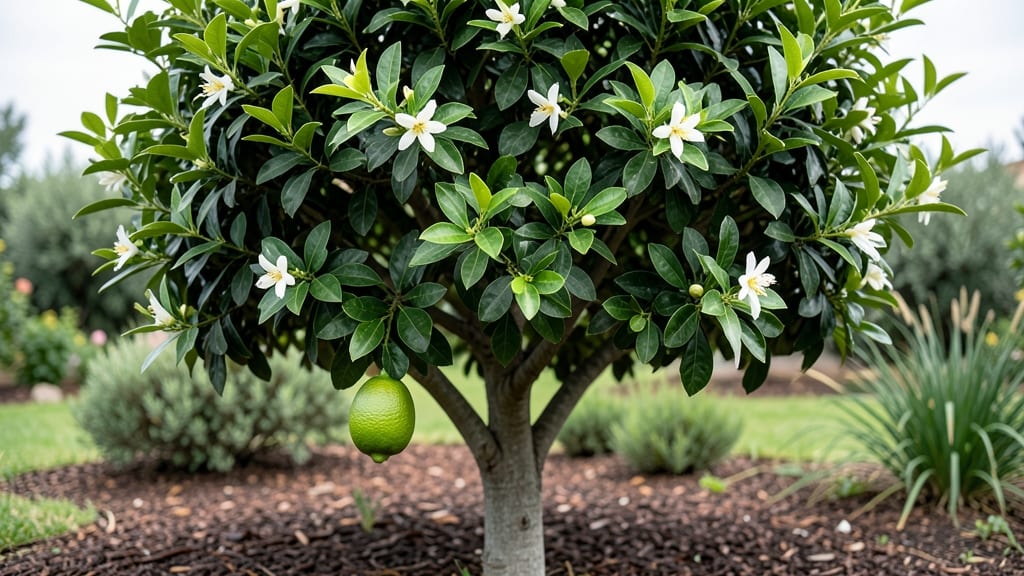
Growing lime trees thrives best in USDA zones 9-11, where warm winters keep their delicate leaves happy. 🌿 I learned the hard way—my first attempt in zone 8 ended with frost-nipped branches, but I’ve since mastered protecting them through colder months.
The key lies in choosing the right variety and giving them the right care for their zone.
Tropical lime trees like Key lime need year-round warmth, while hardier varieties like Mexican lime can handle brief dips below freezing. In colder zones, plant near a south-facing wall or use frost cloths to shield young trees.
They crave full sun (6+ hours daily) and well-draining soil—sandy loam works best, but avoid heavy clay.
Pruning in late winter (before new growth) keeps your tree shapely and productive, while regular watering—deep but infrequent—prevents root rot. A mature tree can produce hundreds of limes when happy, and the scent of blossoms in spring? Pure magic. Just don’t over-prune—these trees reward patience.
For zones 8 and below, container growing with winter protection is your best bet. Move pots indoors or wrap the trunk in bubble wrap when temps drop below 30°F. With the right approach, even cold-climate gardeners can enjoy homegrown limes—just give them a little extra love.
📚 In This Guide
- What you need
- Instructions
- Tips and common mistakes
- Wrapping up and next steps
What you need
- ● Pruning shears: Bypass pruners (sharp, 6–8" blades) for small branches (1–2 inches in diameter).
- ● Loppers: 1 pair (8–10" blades) for medium branches (2–3 inches in diameter).
- ● Pruning saw: 1 handheld saw (for thick branches 3+ inches).
- ● Disinfectant: 70% isopropyl alcohol or bleach solution (1 part bleach : 9 parts water) to sterilize tools.
- ● Gloves: Heavy-duty work gloves (cut-resistant, gardening-grade).
- ○ Pruning sealant: Optional but recommended (e.g., Tanglefoot Tree Wound Pruning Seal) for large cuts.
- ● 5-gallon bucket: 1 (for collecting debris).
- ● Ladder: Extendable or sturdy step ladder (if tree is 6+ feet tall).
- ● Pole saw: For high branches without climbing.
- ● Extension cord + electric pruner: For large-scale pruning (if available).
- ● Marking spray: Fluorescent paint to tag branches for removal.
- ● Safety glasses: To protect from debris.
- ● Compost bin: For recycling pruned branches.
Instructions for pruning lime trees like a pro
Here's how I transform wild, overgrown lime trees into productive, fruit-bearing powerhouses—no guesswork involved.
✂️ Step 1: Time Your Pruning for Maximum Fruit Production
Prune your lime tree during its dormant season—late winter or early spring, just before new growth begins. This is when the tree is resting but about to burst into action. I always aim for 4-6 weeks before the last frost in my zone, typically February or early March. Avoid pruning during flowering or fruiting periods—you'll sacrifice next year's harvest.
Watch for the first signs of bud swell on the branches. That's your cue that the tree is waking up. Pruning too late in spring risks stressing the tree as it puts energy into new growth instead of establishing roots. If you missed the dormant window, wait until late summer after the main harvest, but expect fewer fruit buds next season.
🌿 Step 2: Remove Dead, Diseased, or Crossing Branches First
Start by eliminating any branches that are dead, diseased, or broken—these are your tree's energy vampires. Use clean, sharp pruners to make cuts just outside the branch collar (that swollen area where the branch meets the trunk). I always disinfect my tools with rubbing alcohol between cuts to prevent spreading any fungal spores hiding in the wood.
Next, target branches that cross or rub against each other. These create wounds that invite pests and disease. Look for branches growing inward toward the center of the tree—these compete with each other for sunlight and resources. Remove about ⅓ of the crossing branch, cutting it back to a healthy side shoot or bud. You'll see the tree's natural open canopy emerge as you work.
✂️ Step 3: Thin the Canopy for Better Airflow and Light Penetration
Step back and visualize your tree's shape. You want a balanced, open center that lets sunlight reach all branches. Start at the bottom and work your way up, removing branches that grow straight upward (called "water sprouts")—these steal energy from fruit production. Cut these back to a lateral branch or bud that grows outward.
For mature trees, aim to remove about 20-25% of the total foliage. You'll know you're on track when you can see light filtering through the canopy. Avoid "heading back" (cutting back to a specific number of leaves)—lime trees respond best to selective thinning. Watch for new growth emerging from the pruning cuts within 3-4 weeks—that's your confirmation the tree is healing properly.
☀️ Step 4: Shape the Tree for Optimal Fruit Production
Lime trees thrive with an open vase shape that encourages airflow and sunlight exposure. Start by selecting 3-5 main scaffold branches (the largest, sturdiest branches) spaced evenly around the trunk. These will form the tree's primary structure. Remove any competing branches that grow too close to these main branches.
For younger trees, I prune to encourage a central leader (a single dominant trunk). Make your cuts just above an outward-facing bud to guide new growth in the right direction. Mature trees may develop multiple trunks—let them be, but continue thinning to maintain an open center. After pruning, step back and admire your tree's newfound balance—it's like giving it a spa day for better fruit production.
🪴 Step 5: Clean Up and Monitor for Recovery
After pruning, gather all the debris and dispose of it properly—don't leave it under the tree. This prevents pests and diseases from taking hold. I always rake up the clippings and either compost them (if disease-free) or dispose of them in the trash. Now's also the time to apply a balanced fertilizer (like 6-6-6) to support new growth.
Monitor your tree closely for the next 4-6 weeks. Look for signs of stress like yellowing leaves or oozing sap at pruning cuts. If you see these, the cuts may be too large or made in the wrong place. Healthy new growth should appear within 3-4 weeks, and you'll notice more sunlight reaching the inner branches. This is your reward for a job well done—your lime tree is now set up for a bountiful harvest.
Tips & tricks for perfect lime tree pruning
Transforming your overgrown lime tree into a fruit-bearing machine takes precision—here's how to elevate your pruning game beyond basic cuts.
Timing is Everything: The 4-6 weeks before last frost window is non-negotiable for citrus pruning. I've learned this the hard way after seeing trees stressed from spring pruning. Check your local frost dates and mark your calendar—this timing jumpstarts fruit production for next season. For those who missed the dormant window, late summer pruning works but expect 30% fewer fruit buds.
Tool Sanitation Secret: That rubbing alcohol between cuts isn't just for show—it's your first line of defense against fungal spread. I keep a small spray bottle of 70% isopropyl alcohol in my pruning kit. After each cut, especially on diseased branches, give your tools a quick wipe. This simple step prevents turning your pruning session into a disease introduction party for your tree.
Canopy Thinning Strategy: When aiming for that 20-25% foliage reduction in Step 3, focus on creating vertical layers rather than just removing branches. Start with the lowest branches first—they're often the oldest and least productive. This creates space for sunlight to reach lower branches while maintaining the tree's structural integrity. Think of it as giving your tree a natural air conditioning system.
Recovery Monitoring: Those 3-4 weeks for new growth appearance are your quality control window. If you don't see fresh green shoots emerging within this timeframe, your cuts might be too severe. Look for tiny leaf buds forming at the cut sites—these are your confirmation the tree is healing properly. I keep a small notebook to track which cuts produced the most vigorous new growth each year.
Pro Tips for Lime Tree Zone
- Transforming your overgrown lime tree into a fruit-bearing machine takes precision—here's how to elevate your pruning game beyond basic cuts.
- Timing is Everything: The 4-6 weeks before last frost window is non-negotiable for citrus pruning.
- Tool Sanitation Secret: That rubbing alcohol between cuts isn't just for show—it's your first line of defense against fungal spread.
Frequently asked questions
What’s the best time of year to prune a lime tree?
The ideal time to prune is late winter or early spring (before new growth starts) in USDA Zones 8-11. Avoid heavy pruning in summer or fall—it can stress the tree and reduce fruit production. For container-grown lime trees, prune lightly year-round to control size.
How much can I trim without harming my lime tree?
Remove no more than 20-30% of the foliage in a single session. Focus on dead, diseased, or crossing branches first. Over-pruning can weaken the tree, reduce flowering, and lower fruit yield. If your tree is young or recovering, trim even more conservatively (10-15%).
Will pruning my lime tree increase fruit production?
Yes—but only if done correctly! Pruning improves airflow and sunlight penetration, which boosts flowering and fruiting. However, over-pruning can backfire by reducing energy for fruit development. Balance is key: prioritize structural shaping over aggressive cuts.
Can I prune a lime tree in cold climates (Zone 7 or below)?
In colder zones, prune minimally in late winter (after frost risk passes) to avoid damaging tender wood. If your lime tree is potted, move it indoors or to a sheltered spot before winter. Hardy varieties like ‘Meyer’ limes tolerate cooler temps better but still need winter protection.
What should I do if my lime tree isn’t fruiting after pruning?
Check these fixes:
- Light/Water: Ensure it gets 6+ hours of sun and consistent moisture (but no soggy soil).
- Age: Young trees (under 3 years) focus on growth—be patient!
- Fertilizer: Use a citrus-specific fertilizer (high in nitrogen early, then potassium/phosphorus for flowering).
- Pests/Disease: Inspect for aphids, scale, or fungal spots—these can stress the tree.
Wrapping up and next steps
Mastering the art of pruning your lime tree in Zone 8-10 isn’t just about trimming—it’s about unlocking its full potential! 🌿 With the right tools, timing, and techniques, you’ll encourage lush foliage, bountiful fruit, and a thriving tree for years to come.
Remember, patience and consistency are key, so don’t rush the process.
Ready to take action? Start by scheduling your next pruning session—whether it’s shaping young branches or maintaining an established tree. Grab your pruners, review your notes, and give your lime tree the care it deserves. Happy pruning! 🌱✨