
Pruning
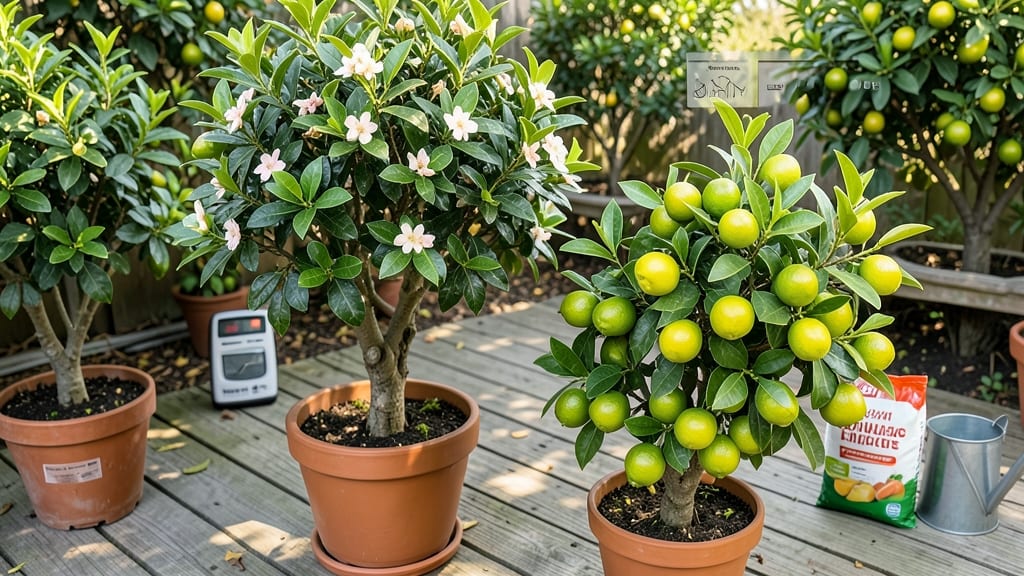
A lime tree not producing limes often boils down to one hidden factor: what’s happening below the soil. 🌱 I’ve seen healthy-looking trees with no fruit because their roots weren’t getting the right support—whether from nutrients, water, or even sunlight access.
The fix isn’t complicated, but it starts with understanding the unseen work your tree’s roots are (or aren’t) doing.
Most lime trees need 3-5 years to mature before bearing fruit, but even older trees can struggle if they’re not getting enough phosphorus (the "fruit production" nutrient) or if their roots are stressed.
Overwatering, poor drainage, or compacted soil can suffocate roots, while underwatering sends the tree into survival mode—both kill fruit potential. The good news? Adjusting these factors can trigger blooms within a single growing season.
You’ll start by giving roots the right conditions: a well-draining, slightly acidic soil mix (pH 6.0-7.0), consistent moisture (but no soggy soil), and a balanced fertilizer high in phosphorus. Prune strategically to improve airflow and sunlight penetration—this alone can double flower production.
Within 6-8 weeks, you’ll see new growth and the first signs of those coveted lime blossoms.
This works for Citrus aurantifolia (key limes) and Citrus × latifolia (Persian limes) alike, whether you’re growing in pots or in-ground. The key is patience—lime trees reward consistent care with years of harvests, not just one season. Let’s get those roots working for you.
Root Causes Behind Barren Lime Trees
Lime trees are known for their vibrant foliage and fragrant blossoms, but when they fail to bear fruit, it’s often due to underlying issues that disrupt their natural growth cycle. Understanding these causes is the first step toward reviving your tree’s productivity.
Below, we break down the most common reasons why your lime tree might be skipping its lime-making duties—along with the science behind each.
---
Lime trees (especially self-pollinating varieties like Key Lime or Bearss Lime) rely on either wind, bees, or cross-pollination to trigger fruit development. If your tree isn’t producing flowers—or if those flowers aren’t being pollinated—no limes will follow.
Why it happens: - Poor flower development: Lime trees need full sun (6–8 hours daily), proper watering, and nutrient balance to bloom. Stress from drought, overwatering, or nutrient deficiencies (like low nitrogen or boron) can stunt flower production. - Lack of pollinators: Bees and other insects are essential for transferring pollen. If your tree is isolated or blooms in cool weather (when pollinators are less active), fertilization fails. - Improper pruning: Over-pruning in late winter/early spring (when buds form) can remove potential flower sites.
Actionable fix: ✅ Hand-pollinate with a small brush if bees are scarce. ✅ Plant companion flowers (like jasmine or citrus-friendly herbs) to attract pollinators. ✅ Avoid heavy pruning during bloom season (typically late winter to early spring).
---
Lime trees thrive in USDA Zones 9–11, but cold snaps, heatwaves, or frost can shock the tree into a survival mode—prioritizing leaves over fruit.
Why it happens: - Frost damage: Temperatures below 28°F (-2°C) can kill flower buds, halting fruit set. Even light frost can reduce lime production by 50–90%. - Heat stress: Prolonged temperatures above 95°F (35°C) can cause flower drop or poor fruit development. - Windburn: Strong winds dry out blossoms, preventing pollination.
Actionable fix: 🌡️ Protect from frost with frost cloth or row covers in winter. 💧 Mulch heavily to regulate soil temperature. 🌿 Choose cold-hardy varieties (like ‘Meyer Lime’ hybrids) if you’re in a marginal zone.
---
Lime trees are heavy feeders and require a balanced diet of nitrogen (N), phosphorus (P), potassium (K), and micronutrients like boron and zinc for fruit development.
Why it happens: - Nitrogen deficiency: Leads to yellowing leaves (chlorosis) and stunted growth, reducing energy for fruit production. - Boron deficiency: Critical for cell wall formation—without it, flowers drop, and limes fail to develop. - Compacted or poor soil: Roots struggle to absorb nutrients, leading to weak flowering and fruit set. - Over-fertilizing with nitrogen: Encourages leafy growth at the expense of fruit.
Actionable fix: 📊 Test soil pH (ideal: 6.0–7.0)—lime trees prefer slightly acidic to neutral soil. 🌱 Amend soil with compost, citrus-specific fertilizer (high in P & K), and boron supplements (follow label rates). 💡 Avoid synthetic nitrogen spikes—opt for slow-release organic fertilizers (like fish emulsion or worm castings).
---
Water stress—whether from drought or soggy roots—disrupts the tree’s ability to produce fruit.
Why it happens: - Underwatering: Causes wilting, leaf drop, and flower abortion. Lime trees need deep, consistent watering (1–1.5 inches per week). - Overwatering: Leads to root rot (Phytophthora), which starves the tree of nutrients and energy for fruit. - Inconsistent moisture: Fluctuations confuse the tree, leading to poor flowering and fruit drop.
Actionable fix: 💧 Water deeply but infrequently—aim for moist (not soggy) soil. 🌱 Improve drainage with gravel or sand if planting in heavy clay. ⏰ Water in the morning to reduce evaporation and fungal risks.
--- Pests like aphids, scale insects, and citrus leaf miners sap the tree’s energy, while diseases (citrus greening, root rot) weaken its ability to produce fruit.
Why it happens: - Sap-sucking pests (e.g., aphids, mealybugs) inject toxins, causing leaf curl and flower drop. - Fungal diseases (e.g., anthracnose) rot blossoms before they can set fruit. - Citrus greening (HLB): A bacterial disease spread by psyllids that stunts growth and kills fruit—once infected, trees rarely recover.
Actionable fix: 🔍 Inspect leaves regularly for sticky residue (honeydew), holes, or yellowing. 💦 Spray neem oil or insecticidal soap for pests (apply early morning or evening). 🌿 Remove infected branches and sterilize pruners to prevent spread.
--- Young lime trees (under 3–5 years) focus on root and canopy growth before producing fruit.
Why it happens: - Dwarf varieties (like ‘Improved Meyer Lime’) may take 2–3 years to bear fruit. - Over-pruning or transplant shock delays maturity. - Male vs. female trees: Some lime varieties require cross-pollination—if you have only one tree, it may not fruit.
Actionable fix: ⏳ Be patient—give young trees time to establish. 🌿 Plant a second lime tree (different variety) if cross-pollination is needed. 🔪 Avoid heavy pruning in the first 2 years to encourage root growth.
--- Herbicides, salt buildup (from poor irrigation), or air pollution can stunt fruit production.
Why it happens: - Glyphosate (Roundup) drift: Even trace amounts can kill citrus trees. - Salt accumulation: From tap water, fertilizers, or coastal wind, it burns roots and reduces nutrient uptake. - Air pollution (ozone, sulfur dioxide): Damages stomata (leaf pores), impairing photosynthesis and fruit development.
Actionable fix: 💧 Use rainwater or filtered water to avoid salt buildup. 🚫 Avoid herbicides—opt for vinegar or manual weeding near the tree. 🌿 Move potted trees away from high-traffic roads if air pollution is suspected.
--- Most lime trees can produce fruit with the right care—but stress, poor pollination, or nutrient gaps often stand in the way. By addressing these root causes, you’ll give your tree the best shot at bursting with juicy, homegrown limes next season. 🍋✨
Revive your lime tree’s fruitfulness
Now that you know why your lime tree might be skipping fruit production, let’s roll up our sleeves and get it back on track! 🌱🍋 The good news? Most issues are fixable with patience, the right care, and a few targeted tweaks.
Below are practical, step-by-step solutions tailored to the most common causes—plus pro tips to keep your tree thriving long-term.
---
If your lime tree lacks fruit due to insufficient pollination (especially in greenhouses or windless climates), manual intervention is key.
How to do it: 🔹 🐝 Use a soft paintbrush or cotton swab – Gently transfer pollen from one flower’s stamens to another’s stigma. Do this in the morning when flowers are fresh and sticky with pollen. 🔹 🕰️ Time it right – Pollinate for 3–5 days during peak bloom (usually spring). Avoid rainy days—pollen washes away! 🔹 🌞 Boost bee activity – Plant bee-friendly flowers (like lavender or marigolds) nearby to attract natural pollinators.
Prevention tip: 💡 If growing indoors, consider a small fan on low speed to mimic wind pollination.
---
Lime trees are tropical divas—they need warmth and light to set fruit. If your tree is struggling in cool or shady spots, it’s time to create the perfect microclimate.
How to do it: 🔹 ☀️ Move to full sun – Lime trees thrive in 6+ hours of direct sunlight daily. If outdoors, place them in the southernmost spot in your yard. For containers, use a sunny patio or balcony. 🔹 🔥 Warm it up – If temps drop below 50°F (10°C), protect your tree with: - A frost cloth (lightweight, breathable fabric). - A greenhouse or cold frame (for potted trees). - Heat lamps (for indoor trees in winter). 🔹 🌡️ Avoid sudden temperature swings – Lime trees hate drafts or cold winds. Use windbreaks or move potted trees indoors before frost.
Prevention tip: 🌡️ Monitor soil temperature—if it’s below 60°F (15°C), roots struggle to absorb nutrients. Use black plastic mulch to warm the soil faster in spring.
---
Drought stress or nutrient deficiencies halt fruit development. Let’s give your tree the H₂O and vitamins it craves.
How to do it: 🔹 💦 Deep water weekly – Lime trees need 1–1.5 inches of water per week (more in extreme heat). Water deeply at the base (not just a quick sprinkle) to encourage deep root growth. 🔹 🌱 Use a moisture meter – Stick it in the soil; if it reads dry below 2 inches, it’s time to water. 🔹 🍽️ Feed with citrus-specific fertilizer – Use a balanced citrus fertilizer (like 6-6-6 or 8-3-9) every 4–6 weeks during growing season (spring–fall). Look for magnesium (Epsom salt) to prevent blossom end rot. 🔹 🍄 Boost organic matter – Mix compost or worm castings into the top 6 inches of soil to improve drainage and nutrient uptake.
Prevention tip: ⏳ Avoid over-fertilizing—too much nitrogen = leafy growth, no fruit. Follow package instructions!
---
Overgrown or poorly pruned trees waste energy on dense foliage instead of fruit. A little strategic trimming can make a big difference.
How to do it: 🔹 🌿 Prune in late winter/early spring – Remove: - Dead or diseased branches (cut back to healthy wood). - Crossing or rubbing branches (these create wounds and block sunlight). - Suckers (shoots growing from the base or trunk). 🔹 🌞 Open the canopy – Aim for a vase-like shape with good airflow. Thin out branches to let sunlight reach the inner fruit-bearing areas. 🔹 🍋 Encourage fruiting wood – Lime trees produce fruit on new growth. Lightly prune to stimulate fresh shoots in spring.
Prevention tip: ✨ Never prune in fall—it encourages late-season growth that’s vulnerable to frost.
---
If your lime tree is root-bound, overcrowded, or in poor soil, it won’t have the energy to produce fruit.
How to do it: 🔹 🏺 Check for root-bound trees – Gently remove the tree from its pot. If roots are circling the bottom or tightly packed, it’s time to upgrade. 🔹 🌿 Repot in spring – Choose a container 2–4 inches larger with drainage holes. Use well-draining citrus soil mix (50% potting soil, 30% perlite, 20% compost). 🔹 🌳 Transplant outdoors? – Pick a permanent spot with full sun and good drainage. Dig a hole twice as wide as the root ball but no deeper. Water thoroughly after planting. 🔹 🚫 Avoid soggy soil – Lime trees hate wet feet. If your yard has poor drainage, raise the planting bed or add gravel at the bottom of the hole.
Prevention tip: 💡 Mulch around the base (but not touching the trunk) to retain moisture and regulate soil temp.
---
Pests like aphids, scale, or citrus leaf miners sap your tree’s energy, leading to no fruit. Act fast!
How to do it: 🔹 🐜 Inspect regularly – Check undersides of leaves and new growth for sticky residue (honeydew), tiny bugs, or chewed leaves. 🔹 🧼 Treat with neem oil or insecticidal soap – Spray early morning or evening (avoid direct sun). Repeat every 7–10 days until pests are gone. 🔹 🍄 Prevent fungal issues – If leaves yellow or drop, it could be citrus greening (HLB) or root rot. Improve drainage and sterilize pruners with rubbing alcohol. 🔹 🐝 Encourage beneficial insects – Ladybugs and lacewings eat pests naturally. Plant dill, fennel, or alyssum nearby to attract them.
Prevention tip: 🌡️ Avoid overwatering—this invites fungal diseases. Let the top 1–2 inches of soil dry out between waterings.
--- - 📅 Track your tree’s progress – Keep a simple log of watering, fertilizing, and fruit set to spot patterns. - 🍋 Be patient – Some lime trees take 2–3 years to bear fruit after transplanting or major pruning. - 🌍 Choose the right variety – Mexican lime (Key lime) is easier to grow than Persian limes in cooler climates. - 🚜 Test your soil – A pH of 6.0–7.0 is ideal.
Adjust with lime (to raise pH) or sulfur (to lower it) if needed.
--- Your lime tree’s comeback starts now! With these fixes, you’ll be harvesting juicy limes in no time—whether for margaritas, key lime pie, or just the joy of watching it thrive. 🍹✨
Frequently asked questions
How long does it take for a lime tree to start producing fruit?
Most lime trees need 3-5 years to mature enough for fruit production, though dwarf varieties like 'Improved Meyer Lime' may bear fruit in 2-3 years. Young trees focus on root and leaf growth first—patience is key!
Why does my lime tree have flowers but no fruit?
This usually means poor pollination—lime trees rely on bees, wind, or cross-pollination. Try hand-pollinating with a soft brush in the morning, or plant bee-friendly flowers nearby. Cold weather can also cause flower drop.
Can I force my lime tree to produce fruit faster?
Not reliably, but you can optimize conditions: use citrus-specific fertilizer (high in phosphorus), ensure 6+ hours of sunlight daily, and maintain consistent moisture. Avoid heavy pruning during bloom season (late winter/early spring).
What should I do if my lime tree has yellow leaves but no fruit?
Yellow leaves often signal nutrient deficiencies (like nitrogen or magnesium) or overwatering. Test your soil (ideal pH: 6.0-7.0) and amend with compost. Reduce watering if soil stays soggy, and fertilize with Epsom salt for magnesium.
Are there lime tree varieties that fruit more reliably?
Yes! 'Meyer Lime' hybrids are cold-hardier and produce fruit more consistently than true Key Limes. For containers, dwarf varieties like 'Improved Meyer' are excellent choices—just ensure they get enough sunlight.