
Diseases
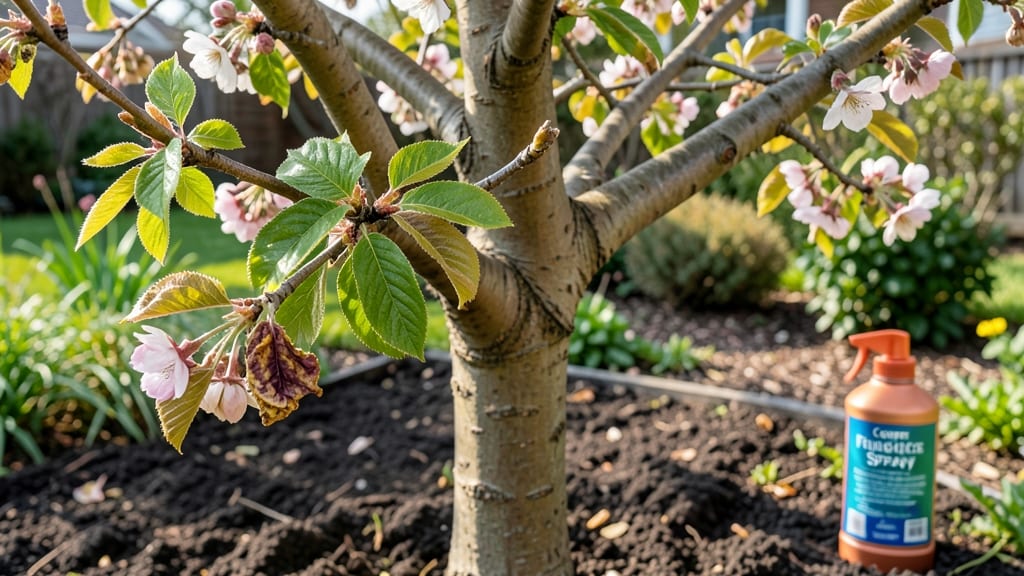
Peach tree leaf curl turns your springtime promise of juicy fruit into a crinkled mess of curled, puckered leaves. 🌿 I’ve watched this stubborn fungal disease ruin what should be the most exciting time of year—when buds swell and branches fill with potential.
The good news? Spotting it early and acting fast can save your tree, even if it means a few tough pruning days and some organic sprays.
This isn’t just about hacking off infected branches (though that’s part of it). The real secret lies in understanding why leaf curl strikes—too much winter moisture, weak tree health, or last year’s missed treatments.
Once you recognize the symptoms (thick, red, curled leaves in spring), you can outsmart the fungus with copper sprays, neem oil, and a few other organic tricks that actually work. No more helplessly watching your tree struggle.
By summer, your peach tree could be back to its normal self—stronger, healthier, and ready to produce fruit that tastes like the orchards of your childhood. The key is acting before the disease spreads beyond the leaves, because once it’s in the wood, the battle gets a lot harder.
Think of this as your tree’s second chance at a great season.
We’ll cover the exact organic treatments that stop leaf curl in its tracks, plus how to prevent it from coming back next year. No complicated chemistry—just practical steps that actually move the needle. Let’s get your tree back on track.
Underlying Triggers Of Leaf Curl
Leaf curl in peach trees isn’t just a random misfortune—it’s a direct response to specific environmental and biological stressors. Understanding these triggers is the first step toward prevention and treatment. Here’s why your peach tree might be developing this frustrating condition:
---
The primary culprit behind peach tree leaf curl is the fungus Taphrina deformans. This microscopic invader thrives in moist, mild conditions and infects young, tender leaves as they emerge in spring. Here’s how it works:
- Spores Spread Easily: The fungus overwinters on infected buds or fallen leaves. When spring arrives, warm temperatures (50–70°F) and damp conditions trigger spores to release, infecting new growth. - Weakened Tree Defense: Trees under stress (from poor nutrition, drought, or injury) are more susceptible.
The fungus exploits these vulnerabilities, causing leaves to thicken, curl, and distort. - No Leaf Penetration Needed: Unlike some fungi, Taphrina deformans doesn’t need to break through the leaf surface—it infects through natural openings like stomata (pores) or wounds.
Pro Tip: 💡 Prune and remove infected leaves before bud break in late winter to reduce spore sources.
---
Leaf curl outbreaks aren’t random—they’re weather-dependent. These conditions create the perfect storm for fungal growth:
| Factor | Why It Matters | Actionable Fix | |---------------------|-----------------------------------------------------------------------------------|---------------------------------------------| | Cool, Wet Springs | Spores germinate best in temperatures between 50–65°F with high humidity. | Monitor forecasts; apply preventive sprays if rain is forecasted. | | Slow Drying Leaves | Leaves that stay damp for >12 hours provide ideal fungal growth conditions. | Improve airflow with proper spacing or pruning. | | Late-Freezing Winters | Mild winters allow fungi to survive longer on buds/leaves. | Prune infected branches in dormant season. |
Pro Tip: 🌡️ If your region has a history of wet springs, schedule a preventive copper fungicide spray in early spring (before buds swell).
---
A healthy peach tree can resist fungal infections, but stress weakens its defenses. Common stressors include:
- Nutrient Deficiencies: Low nitrogen or zinc levels stunt growth, making leaves less resilient. Yellowing or stunted leaves are red flags. - Water Issues: Overwatering or drought stress both create entry points for fungi.
Roots struggling to absorb water leave the tree vulnerable. - Physical Damage: Hail, frost, or improper pruning create wounds where spores can invade. Even insect damage (like from peach tree borers) opens the door.
Pro Tip: 💪 Boost tree health with a balanced organic fertilizer (like 10-10-10) in early spring and maintain consistent moisture (1–1.5 inches per week).
--- Sometimes, leaf curl sneaks in due to overlooked practices:
- Poor Air Circulation: Dense canopies or trees planted too closely trap moisture, prolonging fungal activity. Aim for 15–20 feet between trees. - Infected Tools or Clothing: Fungal spores can hitch a ride on pruners or gardening gloves.
Always sterilize tools with rubbing alcohol between uses. - Old or Infected Plant Material: Leaving infected leaves, twigs, or mulch near the tree provides a reservoir for spores. Clean up thoroughly in fall.
Pro Tip: ✨ Rotate tools between trees and avoid working with peach trees when they’re wet to minimize spore spread.
Quick Fixes for Peach Tree Leaf Curl
Peach tree leaf curl may feel like a daunting challenge, but with the right approach, you can restore your tree’s health—naturally and effectively. Below, we’ve mapped out targeted solutions for each cause, from pruning to organic treatments, so you can act fast and prevent future outbreaks.
Let’s get your tree thriving again!
---
If fungal infections like Taphrina deformans are to blame, your first line of defense is removal and prevention.
#### 🔪 Step 1: Prune Infected Branches - When: Late winter or early spring (before buds swell). - How: Cut out all curled, distorted, or discolored leaves and branches—at least 6 inches below the infected area to ensure the fungus doesn’t linger. - Tool Tip: Sterilize pruners with 70% rubbing alcohol or a 10% bleach solution (1 part bleach to 9 parts water) to avoid spreading spores.
#### 🌿 Step 2: Apply Organic Fungicides Once pruned, treat the tree with copper-based sprays or neem oil—both are effective against fungal leaf curl. - Copper Fungicide (Bordeaux Mix or Copper Soap): - Mix 1 tbsp copper sulfate + 1 tbsp hydrated lime + 1 gallon water (or use a pre-made organic spray). - Spray thoroughly (top and bottom of leaves) every 10–14 days until new leaves emerge. - ⚠️ Warning: Apply on cool, cloudy days to avoid leaf burn. - Neem Oil Solution: - Combine 1 tsp neem oil + 1 tsp mild soap + 1 quart water. - Spray early morning or evening to prevent UV damage. - Reapply every 7–10 days during active growth.
#### 🌡️ Step 3: Boost Tree Resilience - Mulch Properly: Apply 2–3 inches of organic mulch (wood chips, straw) around the base to improve soil health and reduce fungal spores. - Water at the Base: Avoid wetting leaves—water early in the day so foliage dries quickly.
---
Bacterial leaf curl (often from Xanthomonas or Pseudomonas) requires aggressive sanitation and preventive measures.
#### 🧹 Step 1: Remove and Destroy Infected Parts - Burn or bag all pruned infected leaves/branches immediately—do not compost them. - Disinfect tools between cuts (bleach solution or alcohol).
#### 💦 Step 2: Adjust Watering Practices - Avoid overhead watering—use drip irrigation to keep leaves dry. - Improve drainage by amending soil with compost or perlite to prevent waterlogging.
#### 🌿 Step 3: Use Bacterial-Fighting Sprays - Copper-based sprays (same as above) can help suppress bacterial growth. - Baking Soda Spray (for mild cases): - Mix 1 tbsp baking soda + 1 tsp vegetable oil + 1 quart water. - Spray every 7–10 days—works best in humid conditions.
#### 🔄 Step 4: Replace or Revitalize Soil - Test soil pH—bacterial curl thrives in alkaline soil (pH >7). Aim for 6.0–6.8. - Add compost to improve microbial balance and tree resistance.
---
If leaf curl stems from zinc, magnesium, or nitrogen deficiency, correct the imbalance with targeted fertilizing.
#### 📊 Step 1: Soil Test First - Send a soil sample to a local extension office for a nutrient analysis (costs ~$20–$50). - Look for low zinc, magnesium, or nitrogen—these are common triggers.
#### 💪 Step 2: Apply the Right Fertilizer | Deficiency | Solution | How to Apply | |----------------------|-----------------------------------------------------------------------------|-------------------------------------------| | Zinc Deficiency | Zinc sulfate (0.25 lbs per 100 sq ft) or chelated zinc fertilizer | Sprinkle around root zone, water deeply. | | Magnesium Deficiency | Epsom salt (1 tbsp per gallon of water) | Spray on leaves or pour at base. | | Nitrogen Deficiency | Organic nitrogen (fish emulsion, composted manure, or blood meal) | Apply early spring before bud break. |
#### 🌱 Step 3: Improve Soil Health Long-Term - Add compost (2–3 inches annually) to replenish nutrients. - Mulch with leaf mold (decomposed leaves) for slow-release magnesium. - Avoid over-fertilizing—too much nitrogen can weaken tree defenses.
---
Once your tree recovers, keep leaf curl at bay with these proactive steps:
- 🌡️ Monitor Humidity: Leaf curl thrives in wet, humid conditions.
Improve airflow with proper spacing between trees. - 🍂 Clean Up Debris: Remove fallen leaves and fruit from the base—these harbor fungal/bacterial spores. - 🌿 Choose Resistant Varieties: If replanting, opt for leaf curl-resistant peach cultivars like ‘Redhaven’ or ‘Elberta’. - 🔄 Rotate Sprays: Alternate between copper, neem, and baking soda sprays to prevent pesticide resistance. - 🌱 Plant Companion Plants: Interplant with garlic, marigolds, or thyme—their antifungal properties deter pathogens.
--- 💡 Pro Tip: The earlier you act, the better! If you catch leaf curl in late winter/early spring, your tree has the best chance of a full recovery before the growing season peaks.
Stay vigilant, and your peach tree will be back to producing sweet, healthy fruit in no time!
Frequently asked questions about peach tree leaf curl
What do peach tree leaf curl symptoms look like exactly?
Leaf curl starts with small, thickened leaves that pucker and curl upward at the edges, often turning reddish-purple. In severe cases, the leaves may appear leathery and stunted. Look for these signs in spring when new growth emerges—this is when the fungal spores are most active.
Can I still get fruit from a peach tree with leaf curl?
Yes, but the quality may suffer. While leaf curl primarily affects leaves, severe infections can reduce fruit size or quality. The key is treating the disease early—once you see symptoms, act fast with copper sprays and pruning to protect next year’s harvest.
How often should I spray copper fungicide for prevention?
For best results, apply copper fungicide every 10–14 days starting in late winter (before buds swell) and continuing through spring. Use it on cool, cloudy days to avoid leaf burn, and always spray both leaf surfaces thoroughly.
Will pruning alone cure peach tree leaf curl?
No, pruning removes infected parts but doesn’t eliminate the fungus. You must combine it with fungicidal sprays (copper or neem oil) and proper sanitation. Remove all infected branches 6 inches below the curl, sterilize tools, and dispose of debris properly.
Are there any chemical-free ways to prevent leaf curl?
Improve airflow with proper spacing, water at the base (not overhead), and apply organic mulch. Plant companion plants like garlic or thyme near your peach tree—their natural antifungal properties help deter fungal spores.