
Pruning
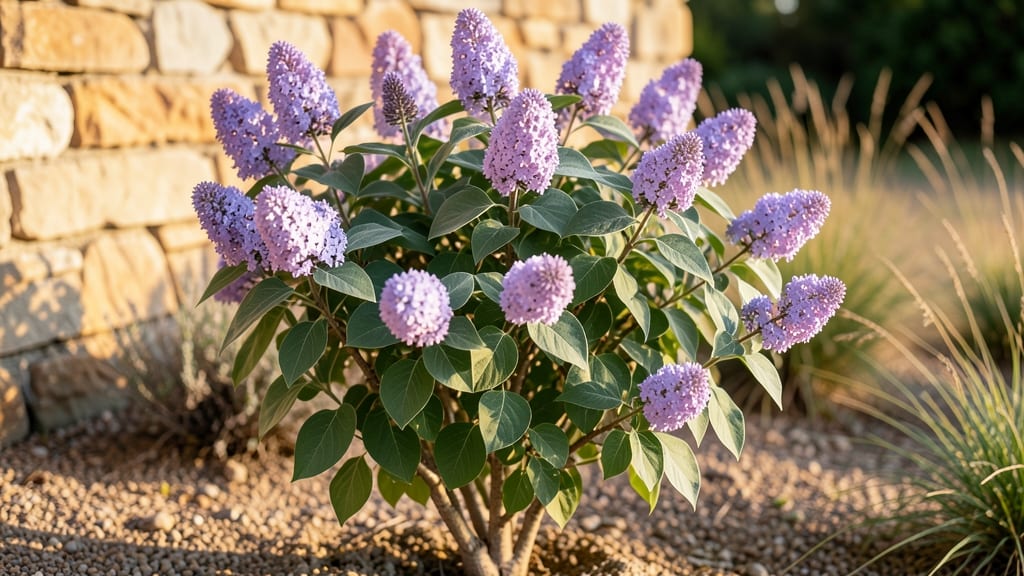
Growing lilac trees in Arizona requires selecting heat-resistant varieties like 'Miss Kim' or 'Dwarf French,' which handle the desert climate with minimal water and partial shade. These plants thrive in well-draining soil and should be pruned after blooming while using mulch to preserve moisture.
Lilacs in Arizona face unique challenges like intense sun and dry winds, but the right varieties—such as 'Miss Kim' or 'Dwarf French'—are bred to handle these conditions. 🌵 These compact shrubs develop deeper root systems that access moisture efficiently, reducing their need for frequent watering.
The key is mimicking their natural Mediterranean habitat by providing afternoon shade and avoiding heavy, water-retentive soils that lead to root rot.
For best results, plant lilacs in late fall or early winter when temperatures are cooler, giving roots time to establish before summer heat arrives.
Amend native soil with coarse sand or gravel to improve drainage, and water deeply but infrequently—once every 7-10 days during the first growing season, then tapering off as the plant matures. Pruning after blooms encourages stronger growth for next year's flowers while maintaining the shrub's natural shape.
💡 In This Article
- Heat-Tolerant Lilac Varieties for Arizona Climates
- Planting and Maintaining Lilacs in Arizona’s Desert Soil
Heat-tolerant lilac varieties for Arizona climates
Arizona's intense sun and dry heat demand lilac varieties with specific genetic adaptations. The 'Miss Kim' (Syringa pubescens 'Miss Kim') stands out because its smaller leaves reduce water loss through transpiration by up to 30% compared to traditional lilacs.
Its compact growth habit (typically 3-5 feet tall) also creates a more efficient canopy that shades its own roots, maintaining cooler soil temperatures. 🌿 This variety's origins in Korea and China mean it's already accustomed to hot summers and cold winters, making it far more resilient than European lilacs (Syringa vulgaris) which often suffer leaf scorch in Phoenix's 110°F+ temperatures.
Another excellent choice is the 'Dwarf French' (Syringa vulgaris 'Little Richard'), a dwarf version of the classic French lilac. Its dense, rounded shape provides natural protection against desert winds that can dry out leaves.
What makes this variety particularly well-suited is its ability to produce flowers on both old and new wood, giving it a second blooming cycle in late summer when most lilacs have finished.
The flowers also have a slightly stronger fragrance than other varieties, compensating for the shorter blooming season in Arizona's heat. For those seeking a different color palette, 'Katherine Havemeyer' offers soft pink blooms that thrive in the desert with minimal care.
The key to these varieties' success lies in their root systems. Heat-tolerant lilacs develop deeper, more extensive root networks that can access moisture 3-4 feet below the surface, where temperatures remain more stable. This adaptation allows them to survive on 50-75% less water than traditional lilacs.
In contrast, standard lilacs often develop shallow roots that dry out quickly in Arizona's alkaline soils. The result is plants that look lush and healthy even during drought conditions, with fewer signs of stress like yellowing leaves or wilting. 💧
When selecting a variety, consider your specific microclimate. In Tucson's slightly cooler high desert, 'Palibin' (Syringa meyeri 'Palibin') performs exceptionally well due to its cold hardiness (down to -20°F) combined with heat tolerance.
Meanwhile, in Phoenix's lower elevations, 'Miss Kim' often outperforms others because it blooms earlier in the season, avoiding the peak summer heat when most lilacs would struggle.
The timing of blooming is crucial in Arizona—earlier varieties produce flowers when daytime temperatures are still moderate (85-95°F), while late bloomers risk wilting before they can fully open.
One often-overlooked factor is the lilac's ability to handle temperature fluctuations. Arizona's desert climate features dramatic daily shifts—20-30°F differences between day and night—which can stress many plants.
Heat-tolerant varieties like 'Dwarf French' have developed thicker cuticles on their leaves, reducing water loss during the day while allowing them to recover overnight. This physiological adaptation explains why these varieties maintain their vibrant foliage even when traditional lilacs appear scorched. The trade-off?
They may produce slightly smaller flowers, but the overall plant health and longevity make them worth the choice for Arizona gardeners. 🌵
For those considering multiple varieties, plant them with 3-5 feet spacing to allow airflow, which reduces humidity around the leaves and minimizes fungal diseases common in Arizona's monsoon season.
Grouping heat-tolerant varieties together creates a microclimate where each plant benefits from the others' shade, further improving their chances of thriving in the desert environment. This clustering effect can reduce water needs by an additional 15-20% compared to isolated plants.