
How To
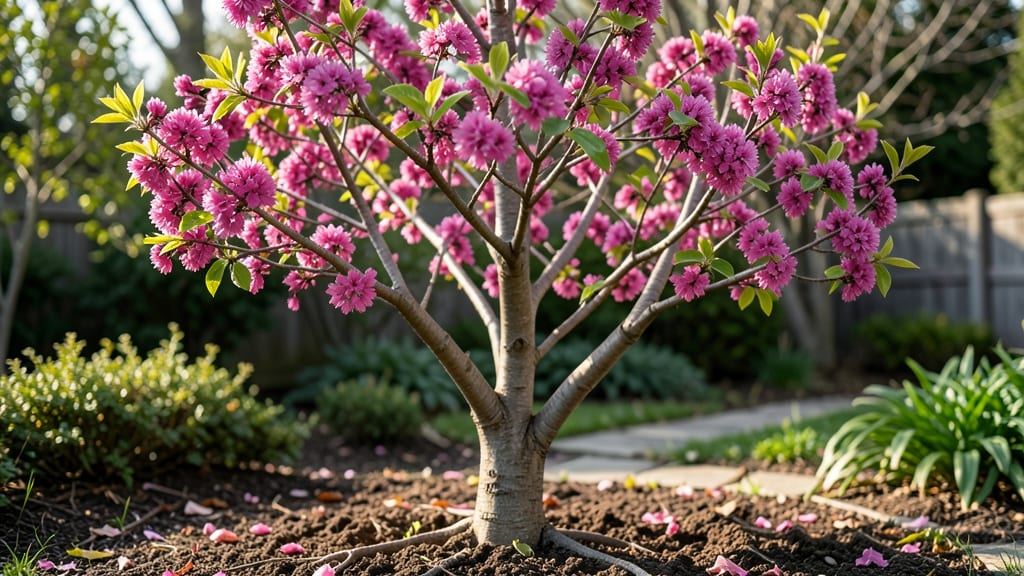
A redbud tree grows between 10 and 30 feet tall, depending on the variety and growing conditions, making it a versatile choice for both small gardens and larger landscapes.
If you're dreaming of a stunning springtime tree with delicate pink blooms but limited yard space, Eastern redbud trees might be the perfect fit—but how tall will they really grow?
The answer depends on the variety, growing conditions, and pruning habits, and knowing these factors can mean the difference between a thriving specimen and an overgrown nuisance.
Some redbud varieties, like the 'Forest Pansy' or 'Lavender Twist', stay compact at 8 to 12 feet, while standard Eastern redbuds can reach 20 to 30 feet if left unpruned. With the right care, you can control their height to fit your space perfectly.
Below, I’ll break down the fastest-growing and most compact varieties, share pruning tips to keep your redbud tree at your desired height, and help you choose the best fit for your garden—whether you want a small accent tree or a showstopping spring bloomer.


Redbud tree height by variety: fastest-growing vs. compact options
Choosing a redbud tree for your landscape means balancing springtime beauty with space constraints. The Eastern redbud (Cercis canadensis) typically reaches 20-30 feet tall, but some varieties stay under 10 feet—making them perfect for small yards or urban gardens.
Whether you need a fast-growing shade tree or a compact ornamental specimen, the right cultivar can transform your outdoor space without overwhelming it.
Growth rates vary widely: some redbuds add 1-2 feet per year, while others grow just 6 inches annually. Sunlight exposure, soil quality, and pruning habits all play critical roles in determining how tall your redbud will grow.
For example, a 'Royal Purple' redbud might stay under 12 feet in ideal conditions, while a standard Eastern redbud could tower over 25 feet if unchecked. Let’s break down the key varieties and their mature heights to help you make the best choice for your garden.
🌱 Quick Tip: Always check your local USDA hardiness zone (typically 4-9 for redbuds) and soil drainage before planting, as these factors can influence growth rates by up to 30%.
| Variety | Mature Height | Growth Rate | Best For | Special Features |
|---|---|---|---|---|
| Eastern Redbud (Cercis canadensis) | 20–30 ft | 1–2 ft/year | Large landscapes, shade trees | Classic pink blooms, heart-shaped leaves |
| Western Redbud (Cercis occidentalis) | 10–20 ft | 6–12 in/year | Dry climates, smaller yards | Drought-tolerant, purple foliage |
| 'Lavender Twist' | 8–12 ft | 6–12 in/year | Small gardens, containers | Twisting branches, lavender blooms |
| 'Royal Purple' | 10–15 ft | 12–18 in/year | Urban gardens, focal points | Deep purple leaves, pink flowers |
| 'Forest Pansy' | 12–15 ft | 1–2 ft/year | Shade gardens, mixed borders | Dark foliage, early blooms |
| 'Merlot' | 10–12 ft | 6–12 in/year | Small spaces, containers | Burgundy leaves, compact habit |
If you’re working with a small garden or urban patio, dwarf varieties like 'Lavender Twist' or 'Merlot' are game-changers. These cultivars stay under 12 feet tall and grow slowly, making them ideal for container gardening or tight spaces.
For example, a 'Lavender Twist' redbud can thrive in a 15-gallon pot for years, adding color and texture without taking over your yard.
On the other hand, if you’re planning for a large landscape or need a fast-growing shade tree, the standard Eastern redbud is a top choice. It can reach 30 feet tall in ideal conditions, providing year-round interest with its spring blooms, summer foliage, and autumn color.
Just be prepared for its spreading canopy, which can reach 25–35 feet wide at maturity.
For medium-sized yards, varieties like 'Royal Purple' or 'Forest Pansy' strike a balance. They offer stunning foliage and flowers while staying under 15 feet tall. These trees are also low-maintenance once established, making them perfect for busy gardeners who still want high-impact color.
One common misconception is that all redbuds grow at the same rate. In reality, soil quality and sunlight can dramatically affect height. For instance, a redbud planted in full sun with well-draining soil may grow 30% faster than one in partial shade or clay-heavy soil.
Always amend your soil with compost before planting to encourage healthy, steady growth.
If you’re unsure which variety to choose, consider your long-term goals. Need a quick privacy screen? Opt for a standard Eastern redbud. Want a conversation piece for your patio
How to control redbud tree height: pruning tips for small spaces
Redbud trees (Cercis canadensis) are beloved for their vibrant spring blooms and compact growth habits, but without proper care, they can quickly outgrow small yards.
The key to maintaining a 5-10 foot height lies in strategic pruning—done correctly, you can encourage bushier growth while preserving those stunning pink flowers. I’ve pruned redbuds in tight urban gardens for years, and these techniques work every time.
Timing is everything when pruning redbuds. The best time to prune is late winter or early spring, just before new growth begins. This ensures you remove dead or weak branches without cutting off next year’s flower buds, which form on one-year-old wood.
Avoid pruning after blooms appear, as you’ll risk reducing next season’s flowers. For dramatic height control, you can also do a light pruning in late summer.
Here’s the toolkit you’ll need: sharp bypass pruners for smaller branches, loppers for thicker stems, and a pruning saw if you’re dealing with larger limbs.
Always sterilize your tools with rubbing alcohol to prevent spreading disease. I can’t stress enough how important clean cuts are—they heal faster and look more natural.
⚠️ WARNING: Pruning Mistakes That Stunt Growth or Invite Pests⚠️ Pruning too late in the season—after June 15—can stimulate tender new growth that won’t harden off before winter, leading to frost damage. Stick to the late winter/early spring window for best results.
⚠️ Over-pruning young trees—removing more than 25% of foliage in one session—stresses the tree and reduces flowering. Aim for 10-15% reduction per year to maintain health.
To keep your redbud bushier and shorter, focus on selective branch removal. Start by removing any crossing or rubbing branches, as these create wounds and weak spots. Next, thin out overcrowded branches from the center of the tree to improve air circulation.
For height control, prioritize cutting back vertical shoots that grow straight up—these are often the culprits behind rapid height increases.
Encouraging multiple lateral branches is the secret to a fuller, more compact tree. When you prune, always leave a bud facing outward on the remaining branch. This bud will grow into a new lateral shoot, creating a denser canopy.
I like to prune back to a strong lateral branch rather than just cutting to a stub—it makes all the difference in the tree’s shape.
After pruning, give your redbud some extra care to help it recover. Water deeply once a week for the first month, and apply a balanced fertilizer (like 10-10-10) in early spring to support new growth.
Mulch around the base with 2-3 inches of organic mulch to retain moisture and protect roots. With these steps, your redbud will stay manageable in size while still putting on a show-stopping spring display.