
Container Gardens
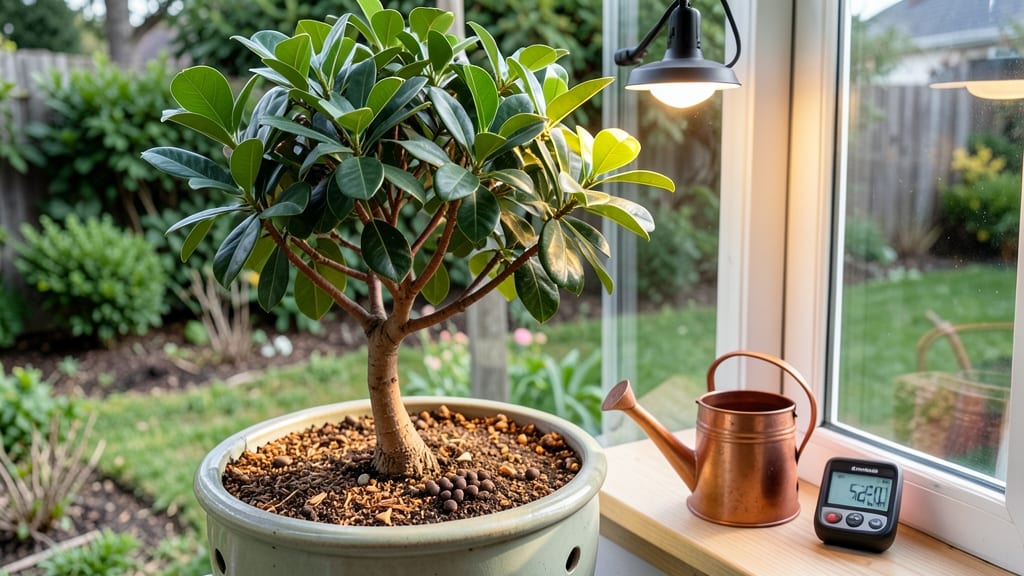
Growing a mango tree in a pot is absolutely possible with the right dwarf varieties, such as 'Cogshall' or 'Julie,' which adapt well to container life when given well-draining soil, full sunlight exposure, and consistent pruning. Always use pots with drainage holes and repot every 2-3 years to support healthy growth.
Dwarf mango trees are specifically bred to thrive in containers, making them perfect for patios, balconies, or small yards. 🌱 The key to success lies in replicating their tropical climate needs—warmth, humidity, and bright light—while preventing root-bound stress.
I've found that adding a layer of organic matter like coconut coir to the potting mix helps retain moisture without suffocating roots, which is crucial during dry spells.
These varieties may take 3-5 years to bear fruit, but their compact size makes them ideal for urban gardeners who want tropical flavors without the space commitment.
Regular pruning isn't just about size control—it also encourages stronger branching and better air circulation, which reduces disease risk. I recommend using sharp, sterilized shears to make clean cuts just above leaf nodes.
For best results, fertilize monthly during growing seasons with a balanced citrus-specific formula, and overwinter the pot in a garage or sheltered area if temperatures drop below 50°F. With these adjustments, you can enjoy homegrown mangoes year after year, even in limited spaces.
💡 In This Article
- Best Dwarf Mango Tree Varieties for Container Gardening
- Container Gardening Essentials for Potted Mango Trees
Best dwarf mango tree varieties for container gardening
Dwarf mango varieties are specifically bred to thrive in containers, but their success depends on matching the right cultivar to your climate and space. The 'Cogshall' variety stands out for its exceptional cold hardiness, tolerating brief dips to 20°F—far more resilient than most tropical trees.
Its compact growth habit reaches about 10-12 feet at maturity, making it ideal for 24-inch diameter pots with proper drainage. The fruit ripens in late summer, offering a sweet, fibrous texture perfect for fresh eating or smoothies.
Another top performer is 'Julie,' which produces abundant fruit on a tree that stays under 8-10 feet tall. This variety thrives in 18-inch diameter pots and prefers slightly warmer climates, needing protection from temperatures below 40°F.
What makes 'Julie' unique is its disease resistance—it rarely suffers from common mango ailments like anthracnose or powdery mildew, which plague many container-grown specimens. The fruit has a rich, creamy flesh that's especially prized for desserts and preserves.
The key difference between these varieties lies in their fruiting cycles and maintenance needs. 'Cogshall' produces fruit every other year but requires less frequent pruning, while 'Julie' bears fruit annually but needs more aggressive pruning to maintain shape.
Both varieties benefit from being planted in pots with 3-4 inches of drainage material at the bottom to prevent root rot—a common issue when roots sit in soggy soil. 🌿
For those in cooler climates, consider 'Ice Cream' mango, which handles 28°F temperatures and grows well in 20-inch pots. Its fruit has a distinctive sweet-tart flavor that's less prone to mealiness, a common problem in container-grown mangoes.
The trade-off is slightly smaller fruit, typically 6-8 ounces compared to 12-16 ounces for 'Cogshall' or 'Julie.' This variety also benefits from being overwintered indoors where humidity can be controlled, preventing the leaf drop that often occurs when container-grown mangoes experience sudden temperature shifts.
When selecting a variety, consider your local frost dates and how long you can keep the tree in containers before transplanting. Most dwarf mangoes can stay in pots for 3-5 years before needing repotting, but their fruiting potential declines if roots become severely root-bound.
The 'Cogshall' and 'Julie' varieties are particularly forgiving, making them the best choices for beginners who want reliable results with minimal fuss.