
Pruning
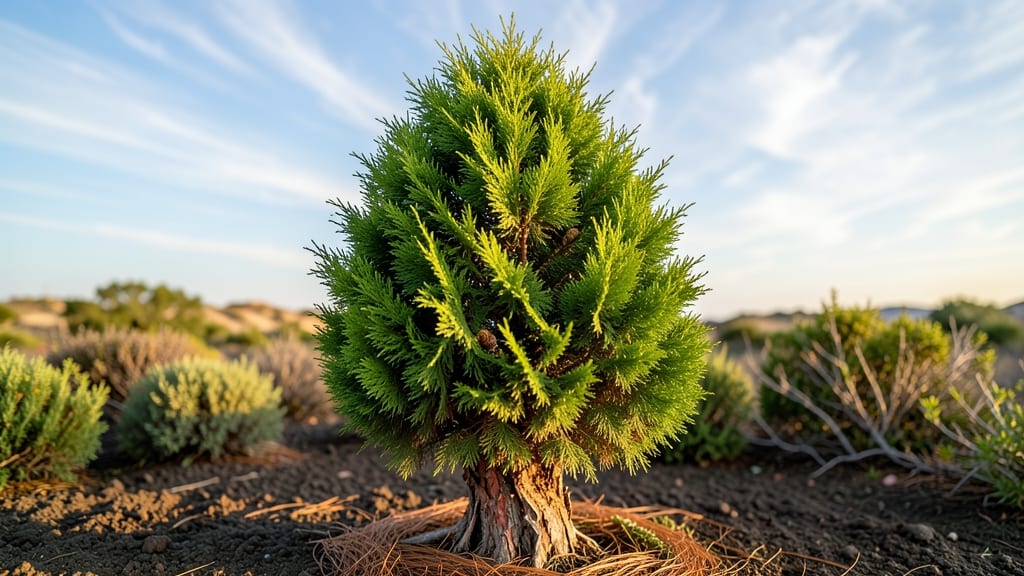
Your cypress tree’s health isn’t doomed by those yellowing leaves—just a signal it’s fighting back. 🌿 I’ve nursed more than a few struggling cypresses, and the fix often starts with pruning the right way. What looks like overgrowth is usually the tree’s last-ditch effort to stay alive.
The real culprits? Fungal diseases like Seiridium canker, root rot, or even bagworms sucking the life out of branches. But here’s the game-changer: targeted pruning removes infected areas before they spread, while improving airflow to prevent future outbreaks.
You’ll see fresh green growth within 6-8 weeks if you act fast.
We’re talking 3 simple cuts—not a wild hack-job—that save the tree’s structure while encouraging new, healthy foliage. The key is timing: prune in late winter or early spring when the tree’s defenses are strongest.
This works for both Arizona cypress and Leyland cypress, whether you’re dealing with yellowing, browning, or mysterious dieback. Let’s bring your tree back to life—without losing it to disease.
Root Causes of Cypress Tree Struggles
Cypress trees—whether the stately Bald Cypress or the fragrant Monterey Cypress—can develop yellowing leaves, browning tips, or stunted growth due to a mix of environmental, biological, and human-induced factors.
Understanding why these issues arise is the first step to revival. Below, we break down the key culprits behind declining cypress tree health, backed by science and actionable insights.
---
Cypress trees thrive in wet or swampy conditions, but too much water—especially in poorly draining soil—can drown their roots. Here’s how it happens:
- Oxygen Deprivation: Roots need aeration to respire. Waterlogged soil displaces oxygen, suffocating fine root hairs responsible for nutrient uptake.
Over time, this leads to anaerobic conditions, where harmful bacteria (like Pseudomonas spp.) thrive and release toxins. - Fungal Invaders: Excess moisture creates the perfect breeding ground for root-rotting fungi (e.g., Phytophthora, Pythium).
These pathogens clog root cells with mycelial mats, blocking water and nutrient flow, which manifests as yellowing foliage or sudden dieback. - Soil Chemistry Shift: Waterlogging leaches essential nutrients (like nitrogen and potassium) while increasing salt buildup in the root zone, further stressing the tree.
💡 Pro Tip: If your cypress sits in a low-lying area, amend soil with compost or sand to improve drainage. For container-grown trees, ensure pots have drainage holes and use a well-draining mix (e.g., 60% peat, 30% perlite, 10% sand).
---
Cypress trees are adaptable, but intense sunlight combined with dry conditions can trigger chlorosis (yellowing between leaf veins). Here’s the science:
- Photosynthesis Overload: Direct afternoon sun (especially in hot, dry climates) causes excessive transpiration, where leaves lose water faster than roots can replenish it.
This leads to cell membrane damage in leaf tissues, turning them yellow or brown. - Salt Accumulation: In coastal areas, salt spray (from ocean mist or wind) deposits sodium chloride on leaves, disrupting stomatal function (the pores that regulate gas exchange).
Over time, this causes leaf burn and premature drop. - Temperature Fluctuations: Sudden swings (e.g., freezing nights followed by scorching days) stress the tree, leading to cellular dehydration and chlorophyll breakdown.
🌡️ Quick Fix: Provide light shade (30–50% coverage) during peak afternoon hours. For coastal cypress, rinse leaves with fresh water 2–3 times a month to remove salt buildup.
---
Cypress trees are susceptible to pathogens that thrive in moist, warm conditions. The most common offenders:
| Pathogen | Symptoms | Why It Spreads | |-----------------------|---------------------------------------|-----------------------------------------------------------------------------------| | Cypress Canker (Seiridium cardinale) | Sunken, oily cankers on branches; yellowing leaves | Spreads via wounded bark (e.g., from pruning cuts) and splashing rain. | | Root Rot (Phytophthora) | Wilting, yellowing, sudden dieback | Thrives in waterlogged, compacted soil; spores survive in soil for years. | | Needle Blight (Lophodermium seditiosum) | Brown, blighted needles (common in Monterey Cypress) | Fungal spores overwinter in old needles, reinfecting in spring. |
✨ Prevention: Avoid overhead watering; instead, use drip irrigation. Sterilize pruning tools with 70% isopropyl alcohol to prevent canker spread. For blight, remove and destroy infected needles in fall.
---
Cypress trees are light feeders, but imbalanced soil can starve them of critical nutrients:
- Iron Chlorosis: Yellowing between veins (while veins stay green) signals low iron availability, often in alkaline soils (pH > 7.0).
Iron becomes unavailable when soil pH is high, even if it’s present. - Nitrogen Starvation: Pale yellow leaves (especially on new growth) indicate nitrogen deficiency, common in sandy or overly drained soils where organic matter decomposes too quickly. - Potassium Deficiency: Brown scorched tips or weak stems suggest low potassium, which regulates water balance and disease resistance.
📊 Soil Test Solution: Conduct a soil pH test (ideal range: 5.0–7.0 for cypress). For chlorosis, apply chelated iron (e.g., iron sulfate) in early spring. Use a slow-release fertilizer (10-10-10) in early spring if nitrogen is lacking.
--- Aggressive or incorrect pruning can weaken cypress trees, making them vulnerable to disease and stress:
- Over-Pruning: Removing >25% of foliage in one season disrupts the tree’s photosynthetic balance, leading to carbohydrate starvation and yellowing. - Wrong Cuts: Pruning too close to the trunk (within 1/4 inch) creates entry points for pathogens like canker. Topping (cutting back to a stub) promotes weak, disease-prone regrowth. - Mechanical Injury: Lawnmower or string trimmer damage to the trunk or roots compromises the bark, inviting fungal infections.
🔪 Best Practices: Prune only in late winter/early spring (dormant season). Use clean, sharp tools and make cuts just outside the branch collar (the swollen area where the branch meets the trunk). Never remove more than 20% of foliage in one year.
--- While cypress trees are relatively pest-resistant, sap-sucking insects can drain their vitality:
- Spider Mites (Tetranychus spp.): Tiny pests that pierce leaves, causing stippling and yellowing.
They thrive in dry, hot conditions and multiply rapidly on stressed trees. - Scale Insects (Chionaspis spp.): These armored pests attach to branches, sucking sap and excreting honeydew (which attracts sooty mold).
Infested areas turn yellow and brittle. - Bagworms (Thyridopteryx ephemeraeformis): Larvae spin silk bags on branches, defoliating the tree and leaving it weak and prone to disease.
🕷️ Pest Control: For mites, spray with horticultural oil in early spring. Scale insects respond to dormant oil applications (fall/winter). Handpick bagworms or use Bt (Bacillus thuringiensis) for organic control.
--- Even with perfect care, cypress trees may naturally decline due to:
- Old Age: Mature cypress trees (30+ years) may slow their growth, leading to thinning foliage and yellowing as resources shift to root maintenance. - Variety Limitations: Some cultivars (e.g., ‘Tall Ttor’ Monterey Cypress) are prone to inherited weaknesses, like poor cold hardiness or susceptibility to blight. - Dormancy Stress: In cooler climates, cypress may yellow in winter as a natural response to reduced light and temperature—not a disease, but a survival mechanism.
✨ Long-Term Care: If the tree is otherwise healthy, focus on maintenance pruning to remove dead wood and improve air circulation. For aging trees, consider root aeration to stimulate new growth.
Revive Your Cypress Tree Now
A yellowing cypress tree doesn’t have to be a lost cause—with the right care, you can restore its lush green glory. Below are practical, step-by-step solutions tailored to common issues like nutrient deficiencies, pests, disease, and environmental stress. Each fix includes prevention tips to keep your tree thriving long-term.
---
Signs: Soggy soil, wilting branches, or leaves turning yellow and mushy.
How to Fix It: 🔥 Adjust Your Watering Routine - Let the top 2–3 inches of soil dry out between waterings. Cypress trees prefer moderate moisture but hate soggy roots. - Water deeply but infrequently—aim for 1–1.5 inches per week (adjust for rain).
🍳 Improve Soil Drainage - Amend heavy or clay soil with sand, perlite, or compost to loosen it. - If planting a new cypress, raise the root ball slightly above ground level to prevent water pooling.
👨🍳 Check for Root Rot - If roots smell foul or look black/mushy, prune affected roots (sterilize tools with rubbing alcohol). - Apply fungicide (copper-based or systemic) to stop spread.
💡 Prevention Tip: ✨ Use a moisture meter to track soil conditions—overwatering is the #1 killer of cypress trees!
---
Signs: Pale yellow leaves (especially new growth), stunted growth, or brown leaf tips.
How to Fix It: 🔥 Test Your Soil - Use a DIY soil test kit (or send a sample to a local extension office) to check pH and nutrient levels. - Cypress trees thrive in slightly acidic soil (pH 5.0–7.0).
🍳 Apply the Right Fertilizer - For iron deficiency (yellowing between veins): - Sprinkle iron sulfate or chelated iron around the base (follow package rates). - Avoid high-nitrogen fertilizers—they can worsen iron uptake issues. - For general growth (yellowing with weak stems): - Use a balanced, slow-release fertilizer (10-10-10 or 12-4-8) in early spring.
👨🍳 Boost Organic Matter - Mix compost or well-rotted manure into the top 6 inches of soil to improve nutrient availability.
💡 Prevention Tip: 🌡️ Mulch properly—keep mulch 2–3 inches deep and 6 inches away from the trunk to prevent root suffocation.
---
Signs: Webbing, tiny bugs on leaves/stems, or sticky residue (honeydew).
How to Fix It: 🔥 Spot-Treat Infestations Early - Bagworms: Handpick bags (wear gloves!) or spray with Bt (Bacillus thuringiensis)—a natural bacteria that kills caterpillars. - Spider mites/scale: Blast off with a strong water spray, then apply neem oil or insecticidal soap.
🍳 Encourage Natural Predators - Ladybugs, lacewings, and birds eat pests—plant companion flowers (like marigolds) to attract them.
👨🍳 Prevent Future Outbreaks - Prune and dispose of heavily infested branches (don’t compost them!). - Install sticky traps near the tree to monitor pest activity.
💡 Prevention Tip: 🎯 Inspect your tree every 2 weeks during growing season—catch pests before they spread!
---
Signs: Crispy yellow edges, leaf drop, or stunted new growth.
How to Fix It: 🔥 Provide Shade & Windbreaks - Plant fast-growing shrubs (like boxwoods) on the sunny side to reduce direct exposure. - Use lightweight shade cloth (30–50%) if transplanting in hot climates.
🍳 Flush Out Salt Buildup - If near roads or coastal areas, deep-water the tree monthly to leach out salt. - Apply gypsum (calcium sulfate) to improve soil structure and reduce salt damage.
👨🍳 Adjust Watering for Heatwaves - Water early morning or late evening to reduce evaporation. - Mulch heavily (3–4 inches) to retain moisture.
💡 Prevention Tip: ✨ Choose salt-tolerant varieties (like Leyland cypress hybrids) if you’re in a high-salt area.
--- Signs: Dense, crowded branches, fungal spots, or uneven growth.
How to Fix It: 🔥 Thin Out the Canopy - Remove 10–20% of the thickest branches to improve airflow (use clean, sharp pruners). - Avoid "topping"—cutting back to stubs stresses the tree.
🍳 Prune at the Right Time - Best time: Late winter or early spring (before new growth). - Avoid pruning in fall—it invites fungal infections.
👨🍳 Seal Cuts Properly - Use pruning sealant (or a mix of beeswax and turpentine) on cuts 1 inch or larger to prevent disease.
💡 Prevention Tip: 🔪 Sterilize tools between cuts with rubbing alcohol to stop fungal spread!
--- - Check your tree weekly for new yellowing or pests. - Keep a garden journal to track watering, fertilizing, and pruning—what worked (or didn’t!) last year? - When in doubt, consult a local arborist—some issues (like fungal diseases) need professional treatment.
With these fixes, your cypress tree should bounce back to vibrant green in just a few weeks. 🌲💚 Your turn—pick the issue that matches your tree and get pruning!
Frequently asked questions
Why are my cypress tree needles turning yellow in patches?
Patchy yellowing often signals nutrient deficiencies (like iron or nitrogen) or pest damage. Check for spider mites or scale insects first—these tiny pests suck sap and leave yellow spots. If no pests, test your soil pH (ideal: 5.0–7.0) and apply chelated iron if the yellowing appears between veins.
Can I prune a cypress tree in summer to fix yellowing?
No—summer pruning stresses the tree and invites fungal infections. Wait until late winter or early spring (dormant season) to prune. Remove only 10–20% of foliage at a time, and always cut just outside the branch collar (the swollen area where branches meet the trunk).
How do I know if my cypress has root rot or just needs more water?
Root rot causes mushy, black roots that smell foul, while thirsty trees have dry soil and crispy leaf edges. Stick your finger 2–3 inches deep—if dry, water deeply. If roots are mushy, prune affected areas and apply a copper-based fungicide to prevent spread. Improve drainage by amending soil with sand or perlite.
Why does my cypress look healthy but still has brown tips?
Brown tips often mean salt buildup (common near coasts) or underwatering. Rinse leaves with fresh water 2–3 times/month if near salt air, or check soil moisture—cypress trees prefer moderate moisture (never soggy). For extreme cases, apply gypsum to improve soil structure and reduce salt damage.