
Pruning
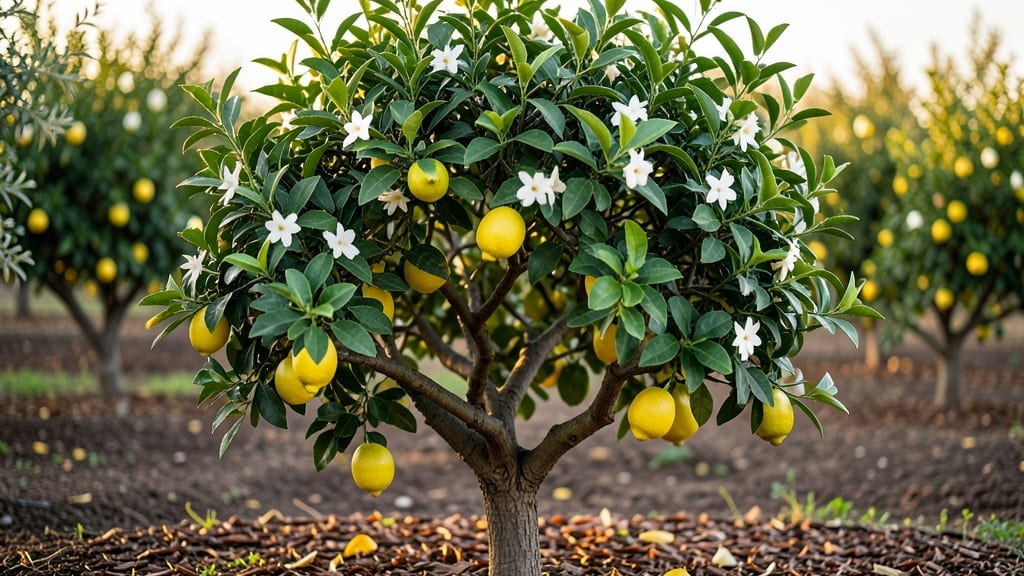
Growing a lemon tree in North Carolina works best with cold-resistant varieties like 'Meyer' or 'Eureka,' planted in containers for winter mobility, and protected from frost. The state's southern exposure and well-draining soil create ideal conditions for thriving citrus.
North Carolina's USDA zones 6b-8a present unique challenges for citrus growers, but the right approach makes it entirely possible. 🌳 The key is choosing varieties that can tolerate brief cold snaps—'Meyer' lemons, for example, handle temperatures down to 15°F when properly protected, while 'Eureka' needs 25°F minimum.
Container growing gives you flexibility to move trees indoors during winter months, while in-ground plantings require strategic placement against cold winds. The humid subtropical climate actually works to your advantage once established, as long as you prevent fungal diseases with proper airflow and occasional fungicide treatments.
What sets North Carolina apart is the extended growing season in southern regions, where trees can produce fruit year-round with proper care. The biggest hurdle isn't the heat—it's the winter chill that can damage tender citrus.
I've found that wrapping young trees in burlap and using row covers during hard freezes makes all the difference. Even in colder zones, with these protections, you can still enjoy fresh lemons by late summer or early fall.
💡 In This Article
- Best Lemon Tree Varieties for North Carolina’s Climate
- Step-by-Step Guide to Planting Lemon Trees in NC
Best lemon tree varieties for North Carolina’s climate
North Carolina's USDA zones 6b-8a demand citrus varieties that can handle occasional dips below freezing. The 'Meyer' lemon stands out as the most cold-hardy option, withstanding temperatures down to 15°F when properly protected.
This hybrid between a true lemon and mandarin produces smaller, sweeter fruit that ripens in 9-12 months—perfect for North Carolina's shorter growing seasons. The 'Eureka' variety, while more productive (yielding 50-100 lemons per year once mature), requires 25°F protection and produces classic tart lemons better suited for cooking.
The 'Lisbon' lemon, another popular choice, falls between these extremes with 20°F tolerance and a balance of sweetness and tartness. However, its larger size (reaching 12-15 feet tall) makes it less practical for container growing.
What all these varieties share is their evergreen nature—the glossy dark green leaves help regulate temperature fluctuations, a crucial adaptation for North Carolina's hot summers (90°F+) and cold winters. The trade-off? These trees need full sun exposure (6-8 hours daily) to compensate for the state's shorter winter days.
Here's what actually happens when you choose the wrong variety: 'Villafranca' or 'Bearss' lemons, common in warmer climates, simply won't survive North Carolina winters without extreme protection.
Their thin bark and tropical origins make them vulnerable to cold damage that causes blackened leaves and stunted growth. 🌱 The key factor is bark thickness—'Meyer' lemons develop thicker bark faster than other varieties, giving them a survival advantage.
This is why nursery experts recommend starting with 1-2 year old trees that already have established bark protection.
North Carolina's humid subtropical climate also affects variety performance. The high humidity increases fungal risks, so varieties with natural disease resistance like 'Meyer' thrive better. Their smaller leaves reduce surface area for fungal spores to attach.
What most people don't realize is that rootstock matters—grafting onto 'Swingle' citrumelo rootstock (common in commercial citrus) adds 10°F of cold tolerance while improving drought resistance, crucial for North Carolina's variable rainfall patterns.
Consider these growth habit differences when selecting: 'Meyer' lemons typically reach 6-10 feet tall, making them ideal for containers (where you can move them indoors winter). 'Eureka' varieties grow 8-12 feet and produce fruit more consistently but need permanent protection.
The maturity timeline varies too—'Meyer' trees bear fruit in 2-3 years while 'Eureka' may take 4-5 years. This delayed production is why many North Carolina growers start with 2-3 trees to ensure consistent harvests.
For visual reference, imagine a 'Meyer' lemon tree in your backyard: its oval-shaped leaves (2-4 inches long) create a dense canopy that provides shade in summer while allowing sunlight penetration. The bright yellow fruit appears in clusters, each about 2-3 inches in diameter—perfect for snacking or making fresh lemonade.
The aroma alone, with its zesty citrus scent, makes the effort worthwhile. 🌿