
Pruning
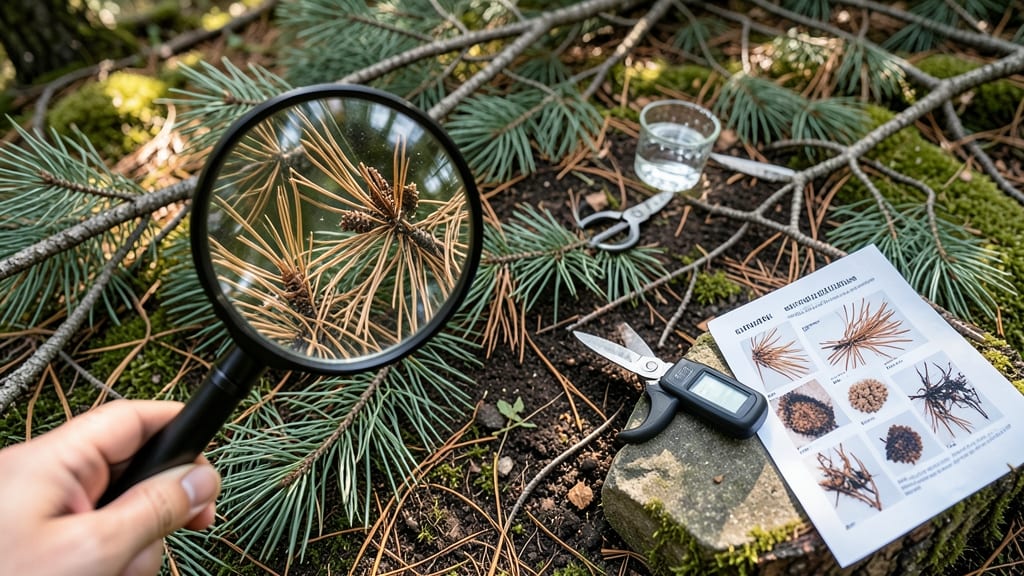
Your pine tree’s dying branches could mean a fight with drought, disease, or pests—not just age. 🌲 I’ve nursed back half-dead pines by identifying the root cause first, and the fix often starts with a sharp pair of pruners and a closer look at the needles.
Brown needles? That’s usually drought or needle blight. Yellowing? Could be bark beetles or poor soil. The key is checking for sawdust-like frass (beetle droppings) or blackened needles (fungus).
Prune dead branches in late winter or early spring when the tree’s dormant—never remove more than 25% of the canopy at once.
Once you’ve cut out the deadwood, focus on the soil. A thick layer of mulch retains moisture, and a balanced fertilizer (like 10-10-10) gives struggling pines a boost. For fungal issues, a copper fungicide spray in early spring can save the day.
With the right cuts and care, your pine can bounce back—even if it looks like it’s on its last legs. The worst mistake? Waiting too long to act. Start now, and you’ll see fresh green growth by next summer.
Root Causes Behind Dying Pine Branches
Pine trees are hardy, but even they can suffer from browning, thinning, or dead branches—and the culprits often lie in a mix of environmental stress, pests, and poor health. Understanding the why behind dying branches is the first step to saving your tree.
Below, we break down the most common causes, backed by science, so you can diagnose the issue and take action.
---
Pine trees are resilient, but prolonged drought, freezing temps, or scorching heat can push them past their limits. Here’s how each factor damages branches:
- Drought Stress Pines rely on deep root systems to access water, but shallow roots (from compacted soil or poor drainage) can’t reach moisture during dry spells.
When roots struggle, the tree prioritizes water to the trunk and new growth, leaving older branches dry, brittle, and brown—a condition called hydraulic failure. - Signs: Needle browning starting at branch tips, bark splitting, or soil pulling away from the trunk. - Fix: Deep watering (1–2 inches per week) and mulching to retain moisture.
Avoid over-watering, which can suffocate roots.
- Winter Burn & Freeze Damage Pines can handle cold, but sudden temperature swings (like warm winter days followed by hard freezes) cause desiccation.
Needles lose moisture faster than roots can replace it, leading to brown, crispy branches. - Signs: Needles turn tan or straw-like in patches, often on the south or west sides of the tree. - Fix: Water deeply before winter to build root reserves.
Use anti-desiccant sprays (like Wilt-Pruf) in late fall for high-risk trees.
- Heat & Sun Scorch While pines love sunlight, intense afternoon sun + dry winds can cook branches, especially on the exposed sides of the tree. - Signs: Needles turn yellow or red before browning, often on the southwest side. - Fix: Provide light shade (e.g., nearby shrubs) during peak sun hours. Mulch heavily to cool root zones.
---
Pine trees are a buffet for insects and fungi, which can chew, bore, or infect branches, cutting off nutrients and water flow. Here’s what to watch for:
- Bark Beetles (Most Common Culprit!) These tiny invaders tunnel under bark, disrupting the tree’s vascular system (the "plumbing" that moves water and nutrients).
Infested branches often die from the top down. - Signs: - Sawdust-like frass (beetle poop) at the base of branches. - Pitch tubes (sticky sap oozing from holes). - Crown thinning (top of the tree looks bare). - Fix: - Remove and destroy heavily infested branches (don’t compost!). - Prune in late winter to reduce stress (beetles are most active in warm weather). - Attract predators: Birds like woodpeckers and nuthatches eat beetles—install a woodpecker box nearby.
- Sphaeropsis Tip Blight (Fungal Infection) This fungus targets branch tips, causing black, shriveled needles and dieback.
It thrives in wet, humid conditions and spreads via contaminated pruning tools. - Signs: - Blackened, mummified needles at branch ends. - Cankers (sunken, discolored patches on branches). - Fix: - Prune infected branches 6–12 inches below the damage (fungus hides there). - Sterilize tools with 70% isopropyl alcohol between cuts. - Improve airflow by thinning the canopy.
- Spider Mites & Pine Needle Scale These sap-sucking pests weaken branches by starving them of nutrients.
Heavy infestations cause yellowing, then browning, of needles. - Signs: - Fine webbing on branches (mites). - White, waxy bumps (scale insects). - Fix: - Blast off pests with a strong hose spray (disrupts their life cycle). - Apply horticultural oil (like Neem oil) in early spring or fall.
---
Even well-meaning pruning can stress a pine tree, leading to dead branches if done incorrectly. Other physical injuries—like lawnmower strikes or hitting branches with tools—can also trigger dieback.
- Over-Pruning or Improper Cuts Pines don’t heal like deciduous trees.
If you: - Remove too much foliage at once (more than 25% of the canopy in a year). - Make jagged or torn cuts (instead of clean, angled cuts). - Prune during active growth (spring/summer), stressing the tree. - The tree can’t support remaining branches, leading to sunscald, wind damage, or fungal entry points.
- Fix: - Prune in late winter/early spring (before new growth starts). - Use sharp, sterilized tools to make clean cuts just outside the branch collar. - Avoid topping (cutting back to a stub)—this invites disease.
- Mechanical Injuries - Lawnmower or weed whacker damage can girdle (strip) the bark, killing the branch below. - String trimmers or car scrapes can tear bark, creating wounds for pests/disease. - Fix: - Create a "wound dressing" for small tears: Apply pruning sealant (like Tanglefoot Tree Wound Pruning Seal) to prevent infection. - Adjust mowing patterns to avoid hitting the trunk.
---
Pines prefer acidic, well-draining soil rich in nitrogen, phosphorus, and micronutrients. If the soil is compacted, alkaline, or depleted, branches suffer.
- Nitrogen Deficiency (Most Common) Nitrogen fuels needle growth.
Without enough, branches produce small, pale, or yellowing needles before dying back. - Signs: - Yellowing needles (chlorosis) starting at the base of the tree. - Stunted new growth. - Fix: - Test soil pH (ideal: 4.5–6.0 for pines).
If too high, add sulfur or peat moss. - Apply a slow-release nitrogen fertilizer (like 10-10-10) in early spring.
- Micronutrient Deficiencies (Iron, Zinc, Manganese) These trace minerals are crucial for chlorophyll production.
Deficiencies cause interveinal chlorosis (yellowing between needle veins). - Signs: - Yellowing between veins (like a "tie-dye" pattern). - Twisted or stunted needles. - Fix: - Use a chelated micronutrient spray (like Ironite). - Add compost or pine-specific fertilizer (like Espoma Pine-Tone).
- Root Compaction or Poor Drainage Compacted soil restricts root growth, while waterlogged roots suffocate.
Both lead to reduced nutrient uptake and branch dieback. - Signs: - Slow growth despite proper watering. - Mushrooms or mold at the base (sign of poor drainage). - Fix: - Aerate the soil with a manual aerator or gypsum amendments. - Improve drainage by raising beds or adding sand/perlite.
--- Pro Tip: 💡 Diagnose like a pro—start with the tips of branches (often the first to show stress) and work inward. If multiple branches are dying in the same area, check for pests or disease. If it’s patchy, suspect environmental stress or pruning issues.
Reviving Your Pine’s Health Step-by-Step
Seeing brown, brittle branches on your pine tree can be heartbreaking, but the good news is that most issues are fixable with the right approach. Below, we’ve matched common causes to targeted solutions—plus prevention tips to keep your tree thriving for years.
Let’s get your pine back to its lush, green glory!
If your pine’s roots are drowning in soggy soil, the first step is to improve drainage. Waterlogged roots can’t absorb oxygen, leading to root rot and branch dieback.
🔥 Step 1: Test Your Soil’s Drainage
Dig a small hole (6–12 inches deep) near the tree’s drip line. Fill it with water and observe:
- ⏰ If water drains in 4+ hours: Your soil is too compacted or clay-heavy.
- ⏰ If water drains in <30 minutes: Good drainage—focus on other issues.
🍳 Step 2: Amend the Soil
Mix in organic matter to loosen heavy soil:
- Add 3–4 inches of compost or well-rotted pine bark to the top 12 inches of soil.
- For sandy soil, blend in peat moss or coconut coir to retain moisture without suffocating roots.
👨🍳 Step 3: Adjust Your Watering Routine
Pines hate “wet feet.” Switch to:
- Deep, infrequent watering: Water only when the top 2–3 inches of soil are dry (check with your finger!).
- Avoid overhead sprinklers: Water at the base of the tree to prevent fungal growth.
💡 Prevention Tip:
Plant pines on mounds or slopes to encourage natural drainage. If your yard floods often, consider raising the soil level around the tree’s root zone.
Dry, crispy branches often signal thirsty roots. Pines are drought-tolerant but still need consistent moisture, especially in their first few years.
🥘 Step 1: Water Deeply and Slowly
Use a soaker hose or drip irrigation to deliver water directly to the root zone (12–18 inches from the trunk). Aim for:
- 1–2 inches of water per week (including rainfall).
- Morning watering (before 10 AM) to reduce evaporation.
🔪 Step 2: Mulch Like a Pro
Spread 3–4 inches of organic mulch (pine straw, wood chips, or shredded bark) around the base, keeping it 3–6 inches away from the trunk. Mulch:
- ✅ Retains moisture
- ✅ Regulates soil temperature
- ✅ Prevents weed competition
🌡️ Step 3: Monitor for Recovery Signs
Healthy new growth should appear within 4–8 weeks of consistent watering. If branches remain brown:
- They may be permanently dead—prune them out (see below).
- Consider a root drench with a fungal inhibitor (like Mycorrhizal fungi) to boost root health.
🎯 Prevention Tip:
Group pines with other drought-tolerant plants to create a microclimate that retains moisture. Avoid planting them in full sun without shade in hot climates.
Removing dead or dying branches is crucial—but doing it wrong can harm your pine. Follow these steps to prune safely and effectively.
🔪 Step 1: Identify Dead vs. Dormant Branches
Not all brown branches are dead! Test with:
- Scratch test: Scrape the bark with your fingernail. If it’s green underneath, the branch is alive but dormant (common in winter).
- Bend test: Snap a small twig. If it’s brittle and dry, it’s dead.
👨🍳 Step 2: Use the Right Tools
Grab:
- A sharp bypass pruner for small branches (<1 inch thick).
- A pruning saw for thicker branches.
- Rubbing alcohol or bleach to sterilize tools between cuts (prevents disease spread).
🥘 Step 3: Make Clean Cuts
For each branch:
- Locate the branch collar (the swollen area where the branch meets the trunk).
- Cut just outside the collar at a 45-degree angle (for branches >1 inch thick).
- Avoid leaving stubs—they invite pests and disease.
✨ Pro Tip:
Prune during late winter or early spring (just before new growth starts). Avoid pruning in fall, as it can stress the tree before winter.
If bugs like pine beetles or fungi like Diplodia tip blight are to blame, act fast with these targeted fixes.
💡 For Pine Beetles & Borers
These pests tunnel into branches, killing them from the inside out.
- 🔥 Remove infested branches immediately and burn or dispose of them off-site (don’t compost!).
- 🌡️ Apply horticultural oil or insecticidal soap (like Neem oil) in early spring to smother eggs/larvae.
- 🎯 Attract predators: Plant lavender or yarrow nearby to draw beneficial wasps and birds.
🍎 For Fungal Infections (e.g., Tip Blight)
Fungi thrive in wet conditions and cause brown, blighted tips.
- 🔪 Prune infected tips back to healthy green tissue (sterilize tools between cuts!).
- 🌱 Improve airflow by thinning dense foliage.
- 💪 Apply a copper fungicide (like Copper Sulfate) in spring and fall.
💡 Prevention Tip:
Keep your pine stress-free—healthy trees resist pests better! Ensure it gets full sun (6+ hours/day), proper water, and balanced fertilizer
Frequently asked questions
Why are my pine tree branches dying from the top down?
This is often a sign of bark beetle infestation, where pests tunnel into the trunk and disrupt the tree's nutrient flow. Look for sawdust-like frass or pitch tubes (sticky sap). Remove heavily infested branches immediately and prune in late winter to reduce stress.
Can I save my pine tree if half the branches are dead?
Yes! Prune only dead branches (never more than 25% of the canopy at once) and focus on soil health. Test pH (ideal: 4.5–6.0) and amend with compost or sulfur if needed. Deep watering (1–2 inches/week) and mulching can revive roots within 4–8 weeks.
What’s the difference between dead branches and winter dormancy?
Use the scratch test: Scrape the bark—if it’s green underneath, the branch is dormant. If it’s brown and dry, it’s dead. Also check flexibility: Dormant branches bend slightly, while dead ones snap easily. Prune dead branches in late winter.
Will fertilizing help my dying pine tree?
Only if the issue is nutrient deficiency! Use a slow-release pine fertilizer (like 10-10-10) in early spring. Avoid over-fertilizing—too much nitrogen can burn roots. First, address water, soil pH, and pests, as these are usually the root causes.
How do I know if my pine tree is beyond saving?
If 50%+ of the canopy is dead, the trunk is soft or oozing sap, or you see large holes from borers, the tree may be too far gone. However, even severely damaged pines can regrow if you prune aggressively and improve care. Consult an arborist for severe cases.