
Blooming
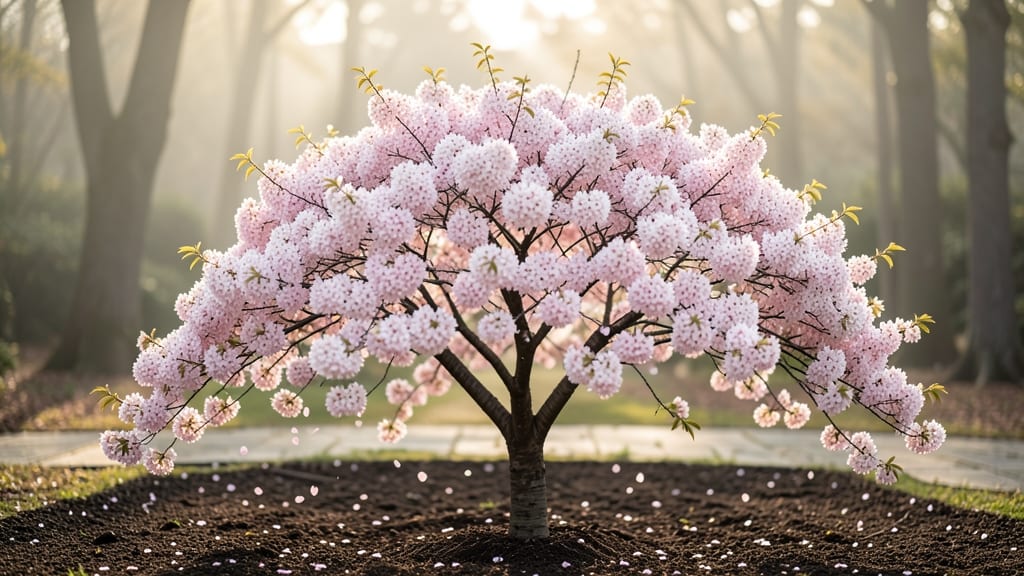
Finding a Japanese cherry blossom tree nearby turns your yard into a seasonal masterpiece. 🌸 These trees aren’t just beautiful—they create an atmosphere that feels like stepping into a Japanese garden, complete with delicate pink blooms that last just a few weeks but leave a lasting impression.
The best spots for these trees are open areas with full sun, where their branches can spread wide and their petals can drift gently to the ground. Many local nurseries carry them, and some even offer potted specimens ready for spring planting.
If you can’t plant one yourself, nearby parks often feature them, making them perfect for weekend strolls during bloom season.
When planted near patios or walkways, their fragrance fills the air, and their shade becomes a cool retreat in summer. Pair them with hostas, azaleas, or boxwoods to create a layered, textured garden that feels both elegant and effortless.
Timing is everything—plant in early spring or fall, and expect blooms in late winter to early spring, depending on your climate. With proper care, your cherry blossom tree will reward you with decades of seasonal beauty, becoming the centerpiece of your outdoor space.
📚 In This Guide
- What you need
- Instructions
- Tips and common mistakes
- Wrapping up and next steps
What you need
- ● Japanese Cherry Blossom Tree (e.g., Prunus serrulata or Prunus yedoensis) 1–3 trees (for optimal blooming and pollination)
- ● Choose a dwarf variety (6–10 ft) for small yards or a standard variety (20–30 ft) for full impact
- ● High-quality potting soil (or native soil amended with compost)
- ● Organic mulch (2–3 inches; wood chips or shredded bark)
- ● Slow-release fertilizer (balanced 10-10-10 or acid-loving plant formula)
- ● Drip irrigation system or soaker hose (for consistent moisture)
- ● Shovel or spade (for digging planting holes)
- ● Garden gloves (to protect hands)
- ● Pruning shears (for shaping and trimming)
- ● Watering can or hose (for initial watering)
- ○ pH testing kit (optional; ideal soil pH: 5.5–6.5)
- ● Sunlight: Full sun (6+ hours daily) for vibrant blooms
- ● Space: Minimum 10 ft from structures (avoid overhead power lines!)
- ● Climate: Hardy in USDA Zones 5–8 (check local frost dates)
- ● Patience: Trees take 3–5 years to bloom fully!
How to enjoy and care for a Japanese cherry blossom tree in your yard
Here's how to make the most of seasonal blooms while keeping your tree healthy and thriving.
🌱 Step 1: Understand Your Tree's Seasonal Needs
Japanese cherry blossoms (Prunus serrulata) bloom spectacularly in spring but require year-round care. Their delicate flowers appear when daytime temperatures reach 50-60°F consistently, usually between late March and April depending on your climate zone. This is the moment they transform your yard into a soft pink dream.
Watch for bud swell—tiny green bumps on branches—about 2-3 weeks before blooming. This is your cue to reduce fertilizer applications, as new growth diverts energy from flower production. The tree's leaves emerge after blooms fall, so don't be alarmed if branches look bare after the petals drop.
☀️ Step 2: Position for Optimal Sun and Airflow
Plant your cherry blossom in full sun—at least 6-8 hours of direct sunlight daily. The best spots have morning sun and afternoon shade in hotter climates, which prevents leaf scorch. I've found that south-facing locations work perfectly in most regions.
Ensure 3-4 feet of clearance around the tree for airflow, which prevents fungal diseases like powdery mildew. The tree's natural shape creates a graceful canopy, but crowded conditions lead to weak branches that can't support heavy blossoms. You'll notice healthier blooms and fewer fallen petals when spacing is right.
💧 Step 3: Water Deeply During Critical Growth Phases
Water deeply once weekly during the first 2 years after planting, soaking the soil to 12-18 inches deep. The tree's roots spread widely but shallowly, so surface watering won't reach them. You'll know you've watered enough when soil 1 foot down feels evenly moist.
During bloom season, increase to twice weekly watering if temperatures exceed 80°F. The blossoms themselves don't need extra water, but the tree's energy reserves must stay full to support both flowers and new leaves. Reduce watering to once every 2 weeks once established, as these trees are surprisingly drought-tolerant once mature.
✂️ Step 4: Prune Strategically After Flowering
Prune immediately after blooms fall (late April-May) while leaves are still new. Remove dead, crossing, or weak branches first—they compete with healthy growth. I like to make cuts just outside the branch collar where it meets the trunk, which promotes faster healing.
Thin out 10-20% of the canopy to improve airflow, focusing on branches that grow inward. Never prune more than this in one season, or you'll shock the tree and reduce next year's blossoms. You'll see stronger branches and more abundant flowers within 2-3 years of proper pruning.
🌿 Step 5: Fertilize Lightly for Long-Term Health
Apply a balanced 10-10-10 fertilizer in early spring (before buds swell) and again in late summer (after leaves harden). Use only half the recommended dose—cherry blossoms are sensitive to excess nutrients, which can lead to leaf burn or fewer flowers.
Work the fertilizer into the top 6 inches of soil around the drip line (where branches extend). Avoid granular fertilizers near the trunk, as they can cause root burn. You'll notice deeper green leaves and more vigorous blooming within a season of proper feeding.
⏰ Step 6: Plan for Seasonal Changes
In fall, reduce watering as temperatures drop below 50°F. The tree enters dormancy, and overwatering can cause root rot. Mulch with 2-3 inches of organic mulch (like shredded bark) to protect roots from freezing temperatures.
Winter care is minimal—just avoid heavy snow buildup on branches, which can break them. I gently shake off accumulated snow with a broom when storms pass. In late winter, check for bud swell again—this is your final reminder that spring (and those stunning blossoms) are just around the corner.
Tips & tricks for perfect Japanese cherry blossom tree care
Here's what nobody tells you about keeping your cherry blossom thriving—and how to avoid common pitfalls that ruin the magic.
Seasonal Timing Matters: That 2-3 week window before blooming when you see bud swell is your golden opportunity. I've seen people over-fertilize right before this stage, thinking they're helping—but it actually diverts energy away from flower production. The key is to stop fertilizing completely once buds appear, and focus on watering instead. This ensures all the tree's energy goes into those spectacular pink blooms.
Sunlight Strategy: The 6-8 hours of sunlight requirement is non-negotiable, but here's the trick: if you're in a hot climate, I recommend planting on the east or west side of your yard to get morning sun and afternoon shade. This prevents leaf scorch while still giving you those perfect blooms. You'll know you've got it right when you see vibrant green leaves without any brown edges.
Watering Wisdom: When you're watering those first 2 years, don't just pour water on top—you need to soak down to 12-18 inches deep. I use a long screwdriver to check moisture at that depth. In hot weather, the twice weekly watering becomes crucial, but don't drown the tree! The soil should feel moist but not soggy. Overwatering is the #1 cause of root rot in these delicate trees.
Pruning Precision: That 10-20% canopy thinning in Step 4 might sound vague, but here's how I do it: I look for branches that cross each other or grow inward, and remove about 1 in 5 branches in that category. The goal is to create a balanced shape that lets sunlight penetrate to the center. I've seen trees with too much pruning shock and produce fewer blooms the next year—so don't be aggressive!
Pro Tips for Japanese Cherry Blossom Tree Nearby
- Here's what nobody tells you about keeping your cherry blossom thriving—and how to avoid common pitfalls that ruin the magic.
- Seasonal Timing Matters: That 2-3 week window before blooming when you see bud swell is your golden opportunity.
- This prevents leaf scorch while still giving you those perfect blooms.
Frequently asked questions
Got questions about adding a Japanese cherry blossom tree to your yard? Here are some of the most common ones—and their answers—to help you make the best choice for your space!
When is the best time to plant a Japanese cherry blossom tree?
The ideal time to plant is late fall to early spring, when the tree is dormant. This gives the roots time to establish before the growing season begins. Avoid planting in extreme heat or cold—think of it as giving your tree a cozy, stress-free start! Pro tip: If you’re in a warmer climate, plant in winter to avoid summer drought stress.
How long does it take for a Japanese cherry blossom tree to bloom?
Most Japanese cherry blossom trees (like Prunus serrulata) take about 3 to 5 years to produce their first blooms, depending on care, climate, and variety. Dwarf varieties may bloom slightly sooner (2–3 years), while larger species could take a bit longer. Patience pays off—those delicate pink flowers are worth the wait! Pro tip: Choose a grafted tree for faster blooming.
Can I grow a Japanese cherry blossom tree in a small yard or container?
If space is limited, opt for a dwarf variety (like ‘Kwanzan’ or ‘Shirotae’) or a semi-dwarf. These grow 15–25 feet tall and fit well in medium-sized yards. For containers, use a large pot (at least 18 inches wide) with well-draining soil and ensure it gets full sun. Just remember: even dwarf trees need room to spread their roots—so check the mature size before planting!
Are Japanese cherry blossom trees cold-hardy? What if I live in a warm climate?
Most Japanese cherry blossoms thrive in USDA Zones 5–8, handling winters down to -15°F. For warmer climates (Zones 9–10), choose heat-tolerant varieties like Prunus ‘Okame’ or plant in a spot with afternoon shade to prevent leaf scorch. If you’re in a tropical area, consider a non-hardy variety or a similar blooming tree like a crabapple for year-round interest.
Do Japanese cherry blossom trees attract pests or diseases? How do I prevent issues?
These trees are generally low-maintenance, but they can attract aphids, borers, or fungal diseases like powdery mildew if stressed. To keep them healthy:
- Prune in late winter to improve airflow.
- Water deeply but avoid soggy soil.
- Apply neem oil or insecticidal soap if pests appear.
- Choose disease-resistant varieties like ‘Fugenzo’.
What’s the best way to enjoy cherry blossoms if I don’t have a tree yet?
No tree? No problem! Visit local parks or botanical gardens during peak bloom (usually March–April, depending on your region). Many cities host hanami (flower-viewing) festivals with picnics, music, and strolls under the blossoms. Plus, you can buy potted bonsai or dwarf varieties to enjoy on patios or balconies—just bring them indoors after the blooms fall!
Wrapping up and next steps
Discovering a Japanese cherry blossom tree nearby isn’t just about adding beauty to your yard—it’s about embracing a fleeting, magical moment that connects you to nature’s rhythm. These trees offer hanami (flower-viewing) joy, cultural richness, and a serene atmosphere that transforms any space into a tranquil escape.
Whether you’re planting one or simply admiring the blossoms, take the time to savor the experience—it’s a reminder of life’s delicate, ephemeral wonders.
Ready to bring this seasonal magic closer to home? Start by exploring local nurseries or botanical gardens to find the perfect tree—or plan a visit to a nearby cherry blossom grove. Your yard (or your heart) will thank you! 🌸✨