
Pruning
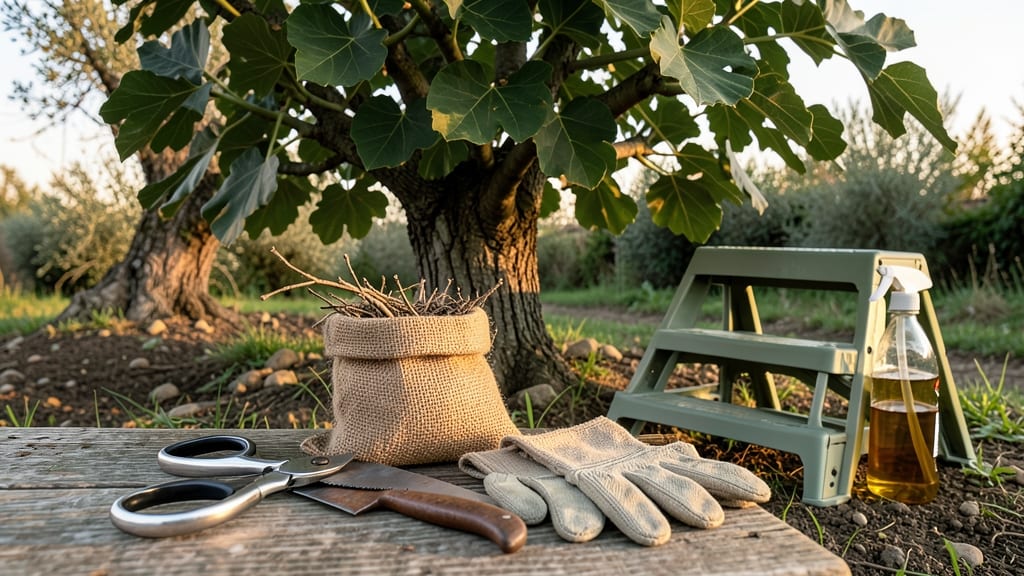
The right fall trim turns your fig tree into a winter warrior. ✂️ I learned the hard way that skipping this step means brittle branches and fewer figs next season—here’s how to do it right after harvest but before frost hits.
You’ll need sharp pruners, rubbing alcohol for sterilization, and a ladder if your tree’s over 6 feet. The goal? Remove dead wood first, then thin out crowded branches to let sunlight and air circulate—this prevents fungal diseases that love damp winter conditions.
After trimming, you’ll see a tree that looks cleaner and stronger, with energy focused on next year’s growth. Hardy varieties like ‘Chicago Hardy’ need less aggressive cuts, while tender types like ‘Brown Turkey’ should be pruned back just enough to protect them from light frosts.
Common mistakes? Cutting too late in the season or shaping like an ornamental tree instead of encouraging fruit production. Timing is everything—do this in late fall, and you’ll thank yourself when spring buds start forming.
📚 In This Guide
- What you need
- Instructions
- Tips and common mistakes
- Wrapping up and next steps
What you need
- ● Pruning shears or lopers: Sharp, high-quality bypass pruners (for cuts up to ½ inch thick) or lopers (for thicker branches). Quantity: 1-2 pairs (keep a backup!).
- ● Hand pruners: For smaller branches (under ¼ inch). Quantity: 1 pair.
- ○ Saw (optional but helpful): A pruning saw for thick, woody branches (over 1 inch). Quantity: 1.
- ● Disinfectant (70% isopropyl alcohol or bleach solution): To clean tools between cuts and prevent disease spread. Quantity: Small bottle or spray.
- ● Gloves: Heavy-duty gardening gloves (protect against thorns and sap). Quantity: 1 pair.
- ● Rag or paper towels: For wiping tools and hands. Quantity: 2-3.
- ● Ladder or step stool: For reaching higher branches safely. Note: Use a stable, non-slip model.
- ● Marking twine or tape: To flag branches for removal (helpful for complex pruning).
- ○ Plant sealant (optional): Pruning sealant to coat large cuts (controversial—skip if your tree is healthy!).
- ● Trash bags or bucket: For collecting pruned branches and debris.
- ● Check the weather: Trim on a dry, cool day (avoid frost or rain within 24 hours).
- ● Know your fig tree’s variety (e.g., common, Brown Turkey, Chicago Hardy)—some respond better to heavy pruning than others.
- ● Have a clear plan: Sketch or mentally map out which branches to remove (aim for 20-30% of the canopy max).
Step-by-step guide to trimming your fig tree in fall
Here’s how I prepare my fig trees for winter—keeping them healthy and setting them up for a stronger spring.
🌿 Step 1: Assess the Tree’s Health and Structure
Start by examining your fig tree for any obvious issues. Look for dead, diseased, or crossing branches—these are your first targets. I run my hands along the branches to check for soft, mushy spots (a sign of rot) or brittle wood (a sign of dead growth). Healthy branches should feel firm and have a consistent color.
Next, identify any branches that are rubbing against each other or growing inward. These will compete for space and energy, making the tree weaker. I also check for suckers—those low-growing shoots at the base—that can drain resources from the main tree. Mark these with a small piece of twine or a flag so you don’t miss them during trimming.
✂️ Step 2: Remove Dead, Diseased, and Problematic Branches
Use clean, sharp pruners to make your first cuts. Start with the dead or diseased branches—these are the easiest to spot and should be removed first to prevent the spread of disease. Cut just outside the branch collar, the swollen area where the branch meets the trunk. This ensures the tree can seal the wound properly and heal faster.
For crossing or inward-growing branches, remove the weaker of the two. If they’re roughly equal in size, cut the one that’s growing at a sharper angle. Always cut back to a outward-facing bud or branch to encourage healthy growth. I like to step back every few cuts to visualize the tree’s shape—this helps me avoid over-pruning.
🌱 Step 3: Thin Out the Canopy for Better Airflow
Figs need good airflow to stay healthy, especially in humid climates. Focus on thinning the canopy by removing about 20-30% of the total branches. Start from the inside of the tree and work your way out, removing branches that are too dense or crowded. This opens up the center, allowing sunlight and air to reach all parts of the tree.
Pay special attention to the outer edges—these branches often grow too long and become leggy. Trim back the tips of these branches by about one-third to encourage bushier growth. Avoid cutting into old wood; figs don’t regenerate well from old branches, so focus on younger growth. After thinning, the tree should look balanced and open, like a well-ventilated umbrella.
⏰ Step 4: Lightly Prune for Winter Resilience
In late fall, after the first frost but before the ground freezes, give your fig tree a light pruning to prepare it for winter. Remove any remaining weak or spindly growth that didn’t get addressed earlier. Figs are sensitive to cold, so avoid heavy pruning—this can stress the tree and make it more vulnerable to winter damage.
If your fig tree is in a colder climate, consider wrapping the trunk with burlap or insulating it with mulch. This protects it from temperature swings and frost. I also avoid pruning figs in zones with harsh winters—wait until early spring instead. After pruning, clean up all the debris from the ground to reduce the risk of disease and pests overwintering in your garden.
☀️ Step 5: Monitor and Plan for Spring Growth
Once you’ve finished trimming, take a moment to observe the tree’s new shape. Notice how sunlight will hit it in the coming months—this will help you plan for spring growth. Figs are fast growers, so they’ll bounce back quickly with the right care. Keep an eye out for any new suckers or weak branches that might need attention in early spring.
Water the tree deeply after pruning to help it recover. Figs are drought-tolerant but still need consistent moisture, especially after a major trim. In early spring, you can do a little more aggressive pruning to shape the tree further and encourage fruit production. The key is patience—figs reward careful, thoughtful pruning with stronger growth and better harvests.
Tips & tricks for perfect fall fig tree trimming
Here's what I've learned after years of trial and error with my own fig trees—these tricks will help you avoid common mistakes and get the best results.
Branch Collar Matters: When you're cutting branches in Step 2, pay close attention to the branch collar—the swollen area where the branch meets the trunk. Cutting just outside this collar (about 1/4 inch) is crucial because it helps the tree seal the wound properly. I've seen too many trees develop infections from cuts made too close or too far from the collar. This small detail makes all the difference in how quickly your tree recovers.
Visualize Your Cuts: Before you make any cuts, step back and visualize how your tree will look after trimming. In Step 3, when you're thinning the canopy, imagine sunlight filtering through the branches. You want to create an open, airy structure that resembles an umbrella. This isn't just about aesthetics—proper airflow prevents fungal diseases and helps the tree dry out after rain. I like to sketch a rough outline on paper first to plan my cuts.
Timing is Everything: The instructions mention pruning after the first frost but before the ground freezes, and that's not just a suggestion—it's critical. Figs are sensitive to cold, and pruning too early can stimulate new growth that won't harden off before winter. Wait until you've had a light frost, then give your tree about 2-3 weeks before ground freeze to allow for healing. In my zone 8 garden, this usually means pruning in mid-to-late November. If you're in a colder climate, consider waiting until early spring instead.
Cleanup Prevents Problems: After you've finished pruning, don't just leave the debris on the ground. Rake up all the clippings and remove them from the area. In Step 4, the instructions mention this, but I can't emphasize enough how important it is. Fig debris can harbor fungal spores and pests that will overwinter and attack your tree next season. I collect the clippings and either compost them (if they're disease-free) or dispose of them in yard waste. This simple step has saved my trees from multiple infections over the years.
Pro Tips for Trim A Fig Tree In The Fall
- Here's what I've learned after years of trial and error with my own fig trees—these tricks will help you avoid common mistakes and get the best results.
- Branch Collar Matters: When you're cutting branches in Step 2, pay close attention to the branch collar—the swollen area where the branch meets the trunk.
- Visualize Your Cuts: Before you make any cuts, step back and visualize how your tree will look after trimming.
Frequently asked questions
Got questions about trimming your fig tree in the fall?
You’re not alone! Here are answers to the most common concerns—from timing to tool choices—to help you prune with confidence.
When is the exact best time to trim a fig tree in fall?
Trim your fig tree after the first hard frost (when leaves drop) but before winter’s deep freeze. Aim for late October to early November in most U.S. zones (5–9). This gives the tree time to heal before dormancy. Pro tip: If your region has unpredictable frost, wait until after the last frost date for your area!
Will trimming in fall harm my fig tree if I do it too early?
Yes! Trimming before the first frost can stimulate new growth, which won’t harden off for winter and may die back. Early pruning also exposes cuts to fungal risks. Stick to the post-frost, pre-freeze window to avoid stressing your tree. Think of it like tucking your tree in for a long nap—no sudden wake-ups!
Do I need special tools for fall fig tree pruning?
Not necessarily! Use clean, sharp bypass pruners for small branches and a pruning saw for thicker stems. Sterilize tools with rubbing alcohol to prevent disease spread. Skip hedge trimmers—they tear wood instead of making clean cuts. Bonus: A glove with grip will save your hands from thorns!
Can I prune a fig tree in fall if it didn’t produce fruit this year?
Even unfruited figs benefit from fall pruning to remove dead/diseased wood, improve airflow, and encourage next year’s growth. Focus on open-center shaping to let sunlight reach the center. Just avoid heavy cuts—save aggressive pruning for spring if the tree looks weak.
What if I miss fall pruning? Can I still trim in winter or spring?
You can, but timing matters! Winter (dormant season): Light pruning is fine, but avoid heavy cuts in extreme cold. Spring (before buds swell): Ideal for major shaping, but you’ll miss the fall window for disease prevention. Best practice: If you skip fall, prioritize spring—but don’t wait until summer!
| Quick Fixes | When to Use |
|---|---|
| Sterilize tools with rubbing alcohol | Before/after pruning to prevent disease |
| Apply pruning sealant (optional) | Only for large cuts (>1 inch) in cold climates |
| Mulch around the base | After pruning to protect roots |
Still unsure?
Snap a photo of your tree’s current shape and compare it to these pruning guides for a side-by-side visual. Happy trimming!
Wrapping up and next steps
Trimming your fig tree in the fall is a game-changer—it boosts winter resilience, encourages vibrant spring growth, and keeps your tree healthy and productive. By following these steps, you’ll shape your tree with confidence while avoiding common mistakes.
Now that you’re armed with the know-how, grab those pruners and get pruning! 🌿✂️
Ready to see your fig tree thrive next season? Start with a quick inspection—check for dead branches, pests, or signs of disease before diving in. Happy trimming!