
Trees
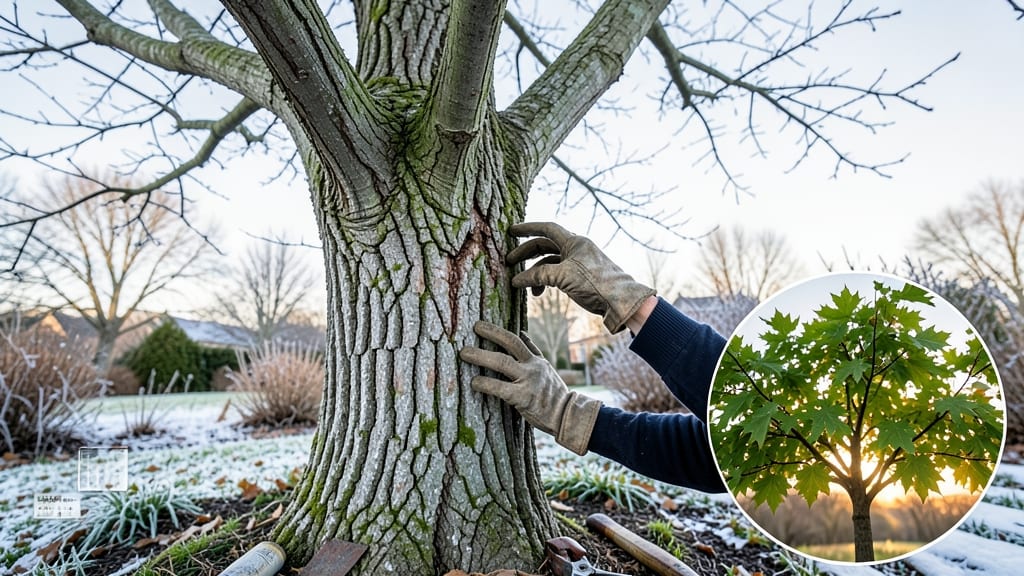
A tree with no leaves isn’t always dead—is a tree dead if it has no leaves?
It might just be taking a seasonal nap. 🌿 I’ve seen oak trees stand bare all winter only to burst into green by spring, and the same goes for maples, birches, and even evergreens that shed needles in drought.
The key is telling dormancy from decline, and the difference can mean the difference between patience and panic.
First, check the bark for cracks or oozing sap—those are red flags. Then, scratch a small section: healthy bark stays green underneath, while dead wood reveals brown or black. If branches snap like dry twigs when bent, that’s another sign of trouble.
But if the trunk feels firm and buds form in spring, your tree’s just conserving energy until warmer days arrive.
You’ll breathe easier knowing how to assess your tree’s health without jumping to conclusions. A little research now means you can give it the right care—whether that’s mulching for moisture, pruning dead limbs, or simply waiting out the winter. Most trees bounce back stronger than you’d expect.
This works for backyard trees, park specimens, or even potted trees on your patio. The same principles apply whether you’re dealing with a young sapling or a century-old giant. Let’s figure out what your bare branches are really saying.
Natural Triggers Behind Leaf Loss
When a tree sheds its leaves, it’s rarely a random act—it’s a carefully orchestrated survival strategy. Understanding the why behind leaf loss helps distinguish between a tree’s seasonal hibernation and a serious health crisis. Here’s what’s really going on under the bark.
Most trees are masters of timing, and their leaf cycles follow a strict internal schedule tied to temperature, daylight, and hormonal shifts. During autumn, shorter days trigger the production of abscisic acid, a plant hormone that signals leaves to detach.
This isn’t laziness—it’s a water-conservation tactic. Bare branches reduce moisture loss in freezing temperatures, protecting the tree’s core until spring.
💡 Pro Tip: Evergreens like pines and spruces keep their needles year-round because their waxy coating resists freezing. But even they drop old needles in cycles—look for fresh green growth in spring to confirm they’re alive.
Extreme weather—drought, heatwaves, or flooding—can force a tree into premature dormancy. Without enough water, leaves wilting or yellowing (a condition called chlorosis) is the tree’s way of saying, “I’m conserving energy.” Roots may struggle to absorb moisture, leading to:
- Leaf scorch: Brown, crispy edges from dehydration (common in oaks and maples).
- Early leaf drop: Trees like birches or cherries may shed leaves in midsummer if stressed.
- Stunted growth: New leaves appear small or curled, signaling poor nutrient uptake.
🔥 Actionable Fix: Deep watering (1–2 inches per week) and mulching can help trees recover. If the ground stays bone-dry for months, the tree may be in true decline.
Not all leaf loss is seasonal—some invaders actively strip trees bare. Here’s how to spot the culprits:
| Pest/Disease | Signs | Why It Happens |
|---|---|---|
| Spider mites | Tiny webs on undersides of leaves; leaves turn yellow/bronze. | These microscopic pests suck sap, causing leaves to wither and drop prematurely. |
| Gypsy moth caterpillars | Skeletonized leaves (chewed edges); defoliation in patches. | Caterpillars devour foliage, forcing trees to allocate energy to regrowth instead of survival. |
| Fungal infections (e.g., anthracnose) | Dark spots on leaves; leaves drop early or with black lesions. | Fungi clog leaf veins, blocking nutrient flow and causing premature abscission (leaf drop). |
| Bacterial leaf scorch | Leaf edges curl and die back; wilting despite moist soil. | Bacteria disrupt water transport, leading to rapid desiccation. |
✨ Early Intervention: Prune infected branches, apply neem oil for pests, or consult an arborist for fungal/bacterial treatments. If the tree’s canopy is <50% bare by mid-summer, it’s likely fighting a serious infestation.
A tree with no leaves might be starving—not from lack of sunlight, but from poor root health. Common causes include:
- Compacted soil: Roots can’t breathe, limiting water/nutrient uptake. Look for yellowing leaves even with regular watering.
- Nutrient imbalances: Too much nitrogen = lush growth but weak leaves; too little iron/magnesium = chlorosis (yellowing between veins).
- Root rot: Overwatered or poorly drained soil suffocates roots, causing leaves to drop even in warm months.
🎯 Diagnostic Test: Gently scratch the bark—if it’s moist and smells sour, root rot may be the issue. Healthy bark should be dry and firm.
Leaf loss isn’t always a death sentence, but it’s a warning sign. By pinpointing the cause—whether seasonal, environmental, biological, or nutritional—you can help your tree bounce back or take action before it’s too late.
Reviving Or Removing A Leafless Tree
A tree without leaves can sometimes be saved—or sometimes it’s better to let it go. The solution depends on the root cause (pun intended!). Below are practical, step-by-step fixes for common reasons behind leafless trees, plus prevention tips to keep your greenery thriving.
---
Fix: Wait and Observe Many trees naturally drop leaves in winter or early spring as part of their survival strategy. Don’t panic! Follow these steps instead:
- 📅 Monitor the Timeline – Most deciduous trees (like oaks, maples, and birches) shed leaves in late fall to early winter and regrow them by late spring (March–May).
If it’s still winter, patience is key—new leaves will appear soon. - 🌡️ Check for Buds – Look for swollen buds on branches. If they’re plump and green, the tree is alive and preparing to leaf out.
If buds are dry or shriveled, the tree may be struggling. - 💧 Provide Gentle Watering – Even in dormancy, trees need moderate moisture.
Water deeply once a month (unless it’s been unusually dry) to prevent stress. - ❄️ Protect from Frost – If an early frost is forecasted after buds form, cover young trees with burlap or frost cloth to prevent damage.
💡 Pro Tip: If your tree is evergreen (like pine, spruce, or fir) but has lost needles, it’s likely stressed or diseased—skip to the next section.
---
Fix: Adjust Care & Conditions Stress from drought, poor soil, or extreme weather can cause premature leaf drop. Here’s how to help:
- 💧 Deep Watering Schedule - How: Water slowly and deeply (1–2 inches per week) to reach roots. - When: Early morning or late evening to reduce evaporation. - How often? Once a week in dry spells (check soil moisture—if the top 2 inches are dry, it’s time to water).
- 🌿 Improve Soil Health - Test soil pH (ideal range: 6.0–7.0 for most trees).
Use a DIY test kit or send a sample to a local extension office. - Amend soil with compost or organic matter if it’s too sandy or clay-heavy. - Mulch properly – Apply 2–4 inches of mulch (wood chips, bark) 3 inches away from the trunk to retain moisture and regulate temperature.
- ☀️ Shield from Harsh Conditions - Too much sun? Plant shade-loving trees (like dogwoods) in partial shade. - Too much wind? Install a windbreak (like a fence or hedge) or stake young trees for support. - Extreme heat? Water more frequently and avoid fertilizing during droughts (it burns roots).
✨ Prevention Tip: Group trees with similar needs (sun/water) together in your landscape to reduce stress.
---
Fix: Treat Early, Act Decisively Pests (like spider mites, aphids, or borers) or diseases (such as fungal infections or canker) can kill a tree if untreated. Act fast!
#### 🐜 Common Pests & Fixes | Pest | Signs | Solution | |-------------------|------------------------------------|--------------| | Aphids | Sticky residue, curled leaves | Spray with soapy water or neem oil | | Spider Mites | Yellowing leaves, fine webbing | Hose off or use miticide spray | | Borers | Sawdust-like frass, holes in bark | Prune infected branches, apply borer-specific insecticide | | Scale Insects | White/brown bumps on bark | Scrape off manually or use horticultural oil |
#### 🍄 Fungal Diseases & Fixes - Powdery Mildew (white powder on leaves) → Remove infected leaves, improve airflow, spray baking soda mix (1 tsp baking soda + 1 quart water + a drop of soap). - Root Rot (mushrooms at base, soft bark) → Stop watering immediately, improve drainage, consider fungicide treatment. - Canker (sunken, oozing sores on bark) → Prune infected areas, sterilize tools, apply copper-based fungicide.
🔥 Emergency Action: If 50%+ of the tree is dead (bark peeling, no buds, oozing sap), removal may be necessary to prevent spreading disease to other plants.
--- Fix: Remove Safely & Replace Sometimes, a tree is beyond saving. Here’s how to remove it properly and plant a new one:
- 🪓 DIY Removal (Small Trees <6 inches in diameter) - Tools needed: Handsaw, pruning shears, rope, gloves. - Steps: 1. Cut branches in sections (work from top down). 2. Dig around roots with a shovel, lifting in chunks.
3. Grind stumps with a stump grinder or dig out roots manually. - ⚠️ Warning: If the tree is large or near power lines, hire a professional arborist.
- 🌳 Planting a Replacement - Choose a native species (better adapted to your climate). - Dig a hole twice as wide as the root ball but no deeper. - Water deeply after planting and mulch to retain moisture. - Stake only if necessary (young trees in windy areas).
💡 Pro Tip: Compost dead tree wood (if no disease) or repurpose it into mulch or garden art!
--- Keep your trees healthy with these simple habits: ✅ Water deeply but infrequently (encourages deep root growth). ✅ Mulch annually (replenish mulch every 6–12 months). ✅ Fertilize in early spring (use slow-release, organic fertilizer). ✅ Prune in late winter/early spring (remove dead, crossing, or diseased branches). ✅ Monitor for pests/disease (check leaves monthly during growing season). ✅ Avoid soil compaction (don’t park or walk heavily near tree roots).
--- Final Thought: A leafless tree isn’t always a dead tree—it could just be resting, recovering, or fighting back. By identifying the cause and taking targeted action, you can bring it back to life—or give it a dignified farewell to make room for new growth! 🌿🔄
Frequently asked questions
Can a tree survive without leaves for years?
Most deciduous trees can't survive completely leafless for years—it's a sign of serious trouble. However, some trees like oaks, maples, or birches can survive one winter without leaves if healthy, especially in colder climates. If a tree stays bare for two winters in a row or shows no signs of budding in spring, it's likely dead or severely declining.
What's the difference between winter dormancy and a dying tree?
The key difference is the bark and buds. A dormant tree has firm bark and swollen buds ready to leaf out in spring. A dying tree often shows cracked, peeling, or oozing bark, no buds, and branches that snap easily. Also check for moss growing on the trunk—this can indicate poor health.
Why do some evergreens lose their needles?
Evergreens like pines and spruces naturally shed old needles, but sudden needle loss usually signals stress. Common causes include drought, root damage, or pest infestations (like spider mites). If the tree has new green needles growing, it's likely just shedding old ones. If it's completely bare with no new growth, the tree may be dead.
How can I tell if a tree is dead but still standing?
Perform this simple test: scratch the bark with your fingernail. If you see green under the bark, the tree is alive. If it's brown or black, the tree is dead. Also check for sap oozing (a sign of decay) or branches that crumble when touched. A completely hollow trunk is another red flag.
Will a leafless tree grow leaves back if I water it more?
Extra water might help if the tree is suffering from drought stress, but it won't revive a dead tree. For deciduous trees, focus on deep watering in early spring when buds start forming. If the tree has been bare for months with no bud activity, watering alone won't bring back leaves—you'll need to address the root cause (like disease or pest damage).