
Propagation
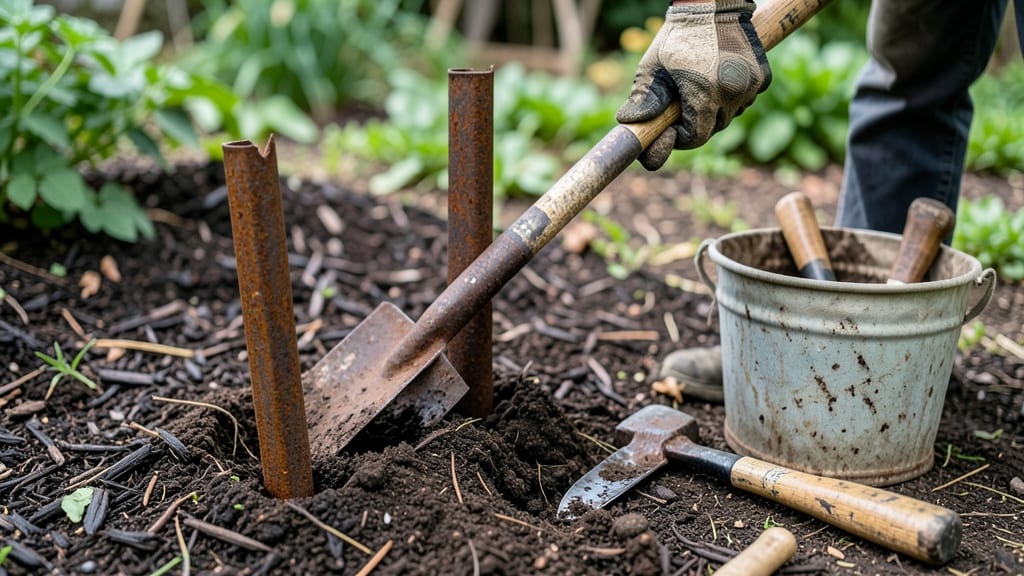
Metal tree stakes get buried, then forgotten—until you need to remove them without wrecking your soil or roots. 🌱 I’ve wrestled with rusted stakes stuck in compacted ground, and the right technique makes all the difference.
A pry bar, some elbow grease, and a few smart moves keep your garden intact while freeing those stubborn stakes.
You’ll need basic tools: a sturdy pry bar (or flathead screwdriver in a pinch), heavy-duty gloves, and maybe a mallet if the soil’s tough. For rusted stakes, a wire brush or vinegar soak helps later—no need to scrub while digging.
The key? Work slowly near the roots; a little wiggle here and there prevents tearing delicate fibers.
Once loose, pull straight up to avoid bending stakes (they’ll reuse better that way). If soil resists, loosen it first with a shovel or trowel—no brute force. A 10-minute job done right saves you from replanting or patching disturbed soil.
The stakes? Clean them up for next year or recycle them if they’re too corroded.
Pro tip: Mark stake locations when planting—future you will thank you. And if you’re reusing them, coat with paint or oil to prevent rust before the next growing season. Now go reclaim that garden space without the headache!
📚 In This Guide
- What you need
- Instructions
- Tips and common mistakes
- Wrapping up and next steps
What you need
- ● Heavy-duty gloves (1 pair) – Protect your hands from sharp edges and rust.
- ● Safety goggles (1 pair) – Shields your eyes from debris or flying particles.
- ● Work boots or sturdy shoes – Keeps your feet safe from accidental kicks or sharp objects.
- ● Adjustable wrench (1, 8–12" range) – Helps loosen rusted or stuck stakes.
- ● Hammer (1, 16–20 oz) – For tapping or prying if stakes are deeply embedded.
- ● Pry bar (1, 12–18") – Essential for leveraging stubborn stakes out of the ground.
- ● Rust converter or WD-40 (small bottle) – Breaks down rust for easier removal.
- ● Shovel or garden fork (1) – Helps loosen soil around the stake before pulling.
- ○ Rubber mallet (optional) – Softer alternative to a hammer for delicate areas.
- ● Wire brush or sandpaper (medium-grit, 80–120) – Cleans rust off stakes before reuse or disposal.
- ○ Plastic sheeting or tarp (optional) – Covers the area to catch debris and make cleanup easier.
- ● Knee pads – For comfort if you’ll be kneeling or working on hard ground.
- ● Rope or bungee cords – Secures stakes temporarily if you’re moving them to a disposal bin.
- ● Rust-resistant paint or spray – If repurposing stakes, prevents future corrosion.
- ● Garden hose – Sprays away loose dirt and rust particles for a cleaner workspace.
Step-by-step guide to extracting metal tree stakes safely
Here's how I remove stakes without bending them, breaking roots, or leaving rust behind.
✂️ Step 1: Gather the Right Tools for the Job
Start with a sturdy pair of locking pliers or channel locks—they grip metal better than regular pliers and give you the leverage you need. A flathead screwdriver or pry bar comes next, but only if the stake is buried deep or rusted in place. I also keep a wire brush handy to clean off rust before storage, and gloves to protect my hands from sharp edges.
If the stake is particularly stubborn, a hacksaw might be necessary, but I only break it out as a last resort. The key is to avoid excessive force—you don’t want to snap the stake off underground. A small garden fork can also help loosen compacted soil around the base before pulling.
🪴 Step 2: Loosen the Soil Around the Stake
Use the garden fork to gently work the soil away from the stake’s sides, creating a 2-3 inch gap all around. This reduces resistance when pulling and prevents roots from tearing. I dig in a star-shaped pattern around the stake, about 6 inches out from the trunk, to avoid damaging the root flare.
If the soil is hard or clay-heavy, a few taps with the fork’s tines will help break it up. Stop when the stake moves slightly—this means you’ve loosened it enough for extraction. Avoid prying directly on the stake itself; instead, focus on freeing the soil first.
💧 Step 3: Pull the Stake at the Right Angle
Grab the stake with your pliers about 3-4 inches above the soil line, where it’s widest for better grip. Pull slowly and steadily at a 45-degree angle—this prevents the stake from bending or snapping. If it resists, wiggle it side to side slightly to break suction from the soil.
Watch for roots clinging to the stake. If you see any, don’t yank—use the pry bar to gently tease them free. I’ve learned the hard way that forcing a stake out with roots still attached can uproot young trees. A little patience here saves a lot of cleanup later.
🌱 Step 4: Clean and Store for Reuse
Once the stake is out, scrub off rust with the wire brush while the metal is still dry. A quick wipe with mineral oil (if storing long-term) prevents future corrosion. I organize stakes by size in a 5-gallon bucket with a lid to keep them rust-free and easy to find next season.
If a stake is bent or too rusted to reuse, recycle it—many hardware stores accept old metal for scrap. But most stakes last years if cleaned properly. The goal is to make removal as easy as installation, so you’re not struggling with rusted, stuck stakes later.
⏰ Step 5: Check for Root or Trunk Damage
After removal, inspect the trunk and roots for any tears or bruising. If you see minor damage, gently pat the soil back into place. For deeper wounds, apply root-pruning paste to protect the tree. I also check for any remaining stake fragments underground—leftovers can girdle roots over time.
If the tree seems unstable after stake removal, it might need temporary support with a tree tie and sling until it regains strength. Most trees adjust within a few weeks, but young or newly planted ones may need extra care. This step ensures your tree stays healthy long after the stakes are gone.
Tips & tricks for safe tree stake removal
Real talk: I've pulled more tree stakes than I can count, and these tricks save my back—and my trees—every time.
Tool Selection Matters: That 3-4 inch grip point on your stake is your sweet spot for leverage. I've ruined perfectly good stakes by gripping too high—it bends them like a pretzel. For stubborn stakes, try a hacksaw only as a last resort, but mark where you cut so you can find any fragments later. A small garden fork is your secret weapon for loosening compacted soil before pulling.
Soil Strategy: The 2-3 inch gap around the stake isn't just about making room—it's about giving roots breathing room. I dig that star-shaped pattern about 6 inches out because it creates leverage points. If the soil resists, tap the fork tines gently rather than forcing it. Think of it like loosening a stubborn jar lid—patience prevents damage.
Root Rescue: When you see roots clinging to the stake, here's what I do: stop pulling immediately. Use the pry bar to gently work the root away from the stake, almost like unzipping a jacket. I've seen trees uproot completely when someone yanks too hard—trust me, it's not worth the cleanup. A little wiggle at a 45-degree angle often releases the stake without touching the roots.
Rust Prevention: Mineral oil isn't just for engines—it's the best friend of reused stakes. After scrubbing with the wire brush, I give each stake a quick wipe with mineral oil before storing. For long-term storage, I keep them in a 5-gallon bucket with a lid to prevent moisture buildup. This simple step keeps stakes ready for next season without the rust battle.
Pro Tips for Remove Metal Tree Stakes From Ground
- Real talk: I've pulled more tree stakes than I can count, and these tricks save my back—and my trees—every time.
- Tool Selection Matters: That 3-4 inch grip point on your stake is your sweet spot for leverage.
- Soil Strategy: The 2-3 inch gap around the stake isn't just about making room—it's about giving roots breathing room.
Frequently asked questions
Got questions about safely removing metal tree stakes without a fuss? Here are some of the most common concerns—and their answers—to help you tackle the job like a pro!
Can I remove metal tree stakes in winter or rainy weather?
While winter or damp conditions can make the ground softer (easing extraction), rusty stakes are trickier to handle when wet or frozen. If possible, aim for dry, mild weather—this reduces rust exposure and makes cleanup easier. If you must remove stakes in winter, wear gloves and work quickly to avoid frostbite!
Will pulling out metal stakes hurt my tree’s roots?
If done carefully, no! Use a pry bar or crowbar to loosen the stake gently and wiggle it free instead of yanking. Avoid twisting or jerking motions—these can tear delicate roots. For stubborn stakes, water the soil first to soften it and reduce resistance.
What’s the best tool to use if I don’t have a stake puller?
A heavy-duty pry bar, crowbar, or even a sturdy screwdriver works in a pinch. For rusted stakes, WD-40 or penetrating oil can help loosen them before prying. If the stake is bent or broken, cut it at ground level with bolt cutters and remove the remaining piece with pliers.
How do I prevent rust from staining my hands or tools?
Rust is annoying, but you can minimize it! Wear nitrile gloves and keep a rag soaked in vinegar or lemon juice nearby to wipe down tools mid-task. After removal, clean tools with steel wool or a wire brush and coat them with motor oil or WD-40 to prevent future rust.
What should I do with old metal stakes after removal?
Recycle them if possible—many scrap metal centers accept rusty stakes! If they’re too corroded, cut them into smaller pieces for easier disposal. For creative reuse, bend them into garden art or plant markers (just clean them first!). Never leave them in the ground—they can rust and harm future plants.
Wrapping up and next steps
Removing metal tree stakes without rust or root damage is totally doable—just follow the right steps! Whether you’re using a pry bar, digging fork, or vinegar-soaked rag, patience and the right tools make all the difference. 🌱✨
Now that you’re equipped with these tips, take action—grab your gear and tackle those stakes like a pro! Once they’re out, consider repurposing them (or recycling them) to keep your garden space clean and ready for your next project. Happy digging! 🛠️