
Pruning
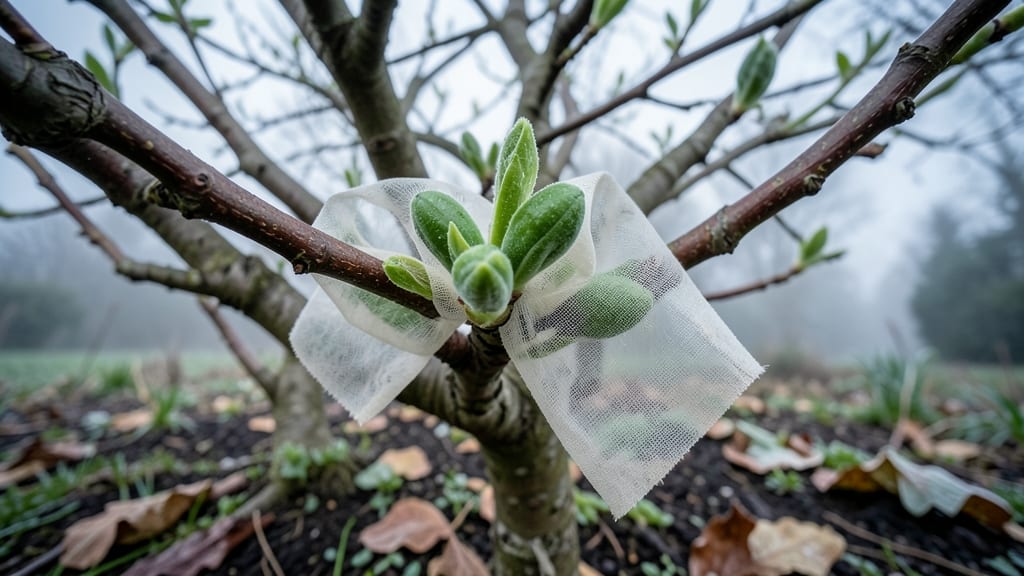
Winter can devastate fig trees if not prepared properly—but with the right techniques, you can protect your tree and ensure a bountiful harvest next season. These 10 proven strategies will help you shield your fig tree from cold damage while maintaining its health and productivity.
Choosing Cold-Hardy Fig Varieties for Your Zone
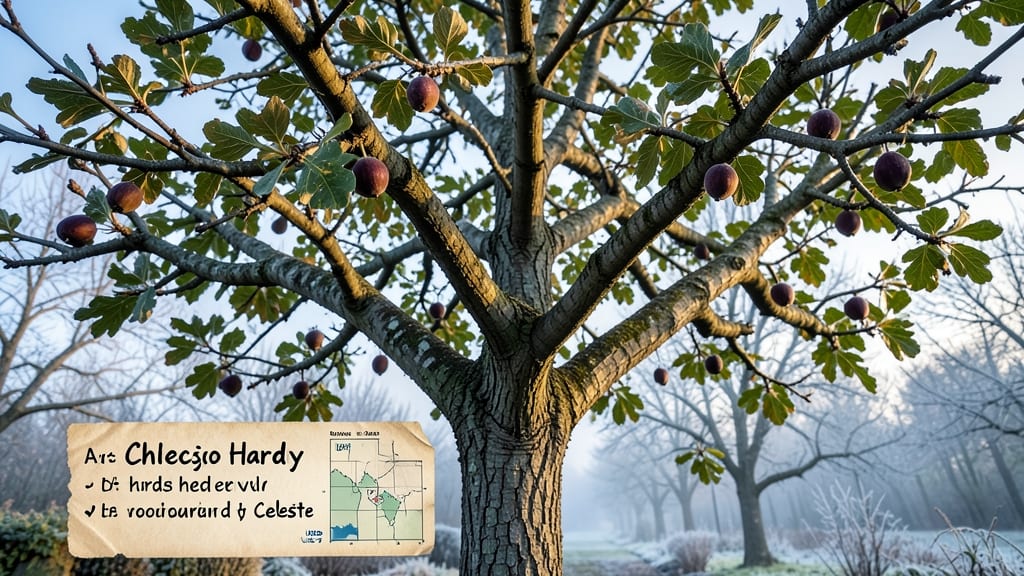
If you live in USDA Zones 5-7, your fig tree’s survival depends on choosing the right variety—skipping this step could mean losing your tree to winter. Varieties like ‘Chicago Hardy’ and ‘Celeste’ thrive in colder climates, producing sweet fruit even after frost exposure, while others like ‘Brown Turkey’ struggle below Zone 8.
Look for hardy figs labeled for your zone, which typically have thicker bark and smaller leaves to reduce moisture loss. ‘Celeste’, for example, handles temperatures down to 10°F, while ‘Osborn Prolific’ (a classic) tolerates 15°F with proper protection. Avoid tropical varieties like ‘Black Mission’, which rarely survive winter outdoors in cold regions.
For gardeners in transitional zones, these cold-tolerant varieties give you the best chance of year-round fruit production with minimal winter care. Planting the right fig now means fewer headaches—and more harvests—come spring. 🌟
Mulching Deeply Around the Tree Base
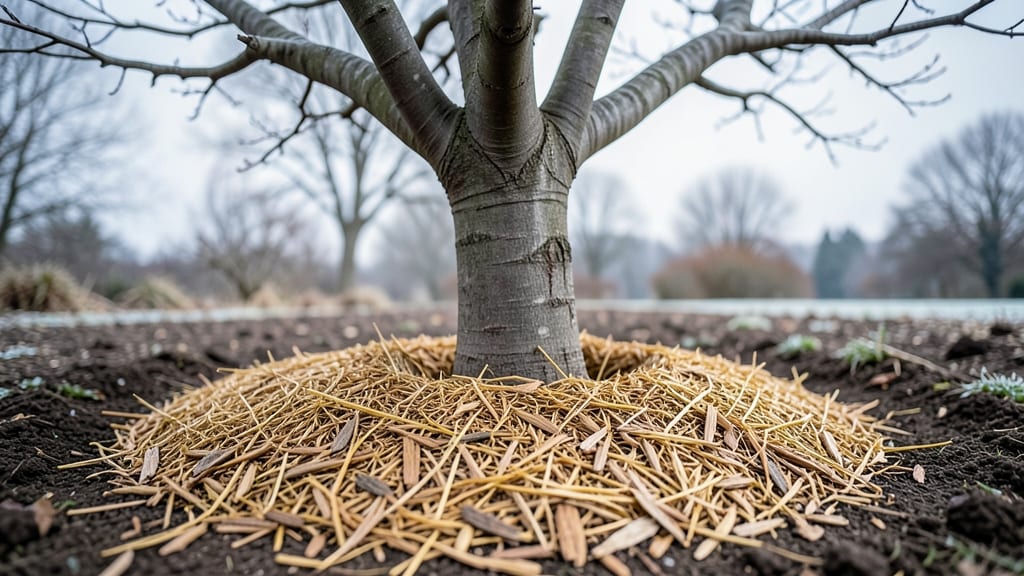
Cold snaps can turn your fig tree’s roots into a frozen disaster—unless you mulch deeply to create a protective barrier. A 6-inch layer of straw or wood chips acts like a cozy blanket, shielding roots from temperature swings that cause heaving or cracking.
Spread the mulch in a donut shape around the tree base (avoid piling against the trunk) to prevent rot. Organic mulches like straw break down slowly, adding nutrients, while wood chips provide long-term insulation. Replenish annually in late fall to maintain that warmth buffer through winter’s harshest months.
This method is a game-changer for gardeners in USDA Zones 6-8, where fig trees teeter on the edge of survival. With proper mulching, your tree’s roots stay resilient, setting the stage for a stronger spring. 🌱
Wrapping the Trunk with Burlap or Insulation
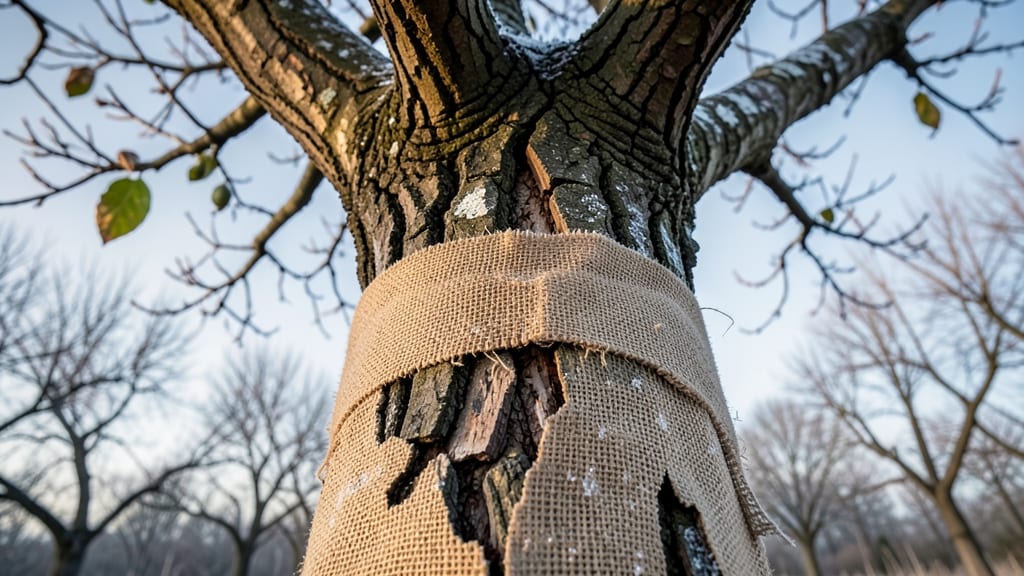
Cold snaps can turn a fig tree’s trunk into a brittle, cracking disaster—but a simple burlap wrap or insulation barrier acts like a thermal blanket, shielding the bark from extreme temperature swings. This is especially critical for young fig trees or those planted in exposed areas where wind and frost meet.
Start by wrapping the trunk loosely with burlap or tree-specific insulation, securing it with twine or staples (avoid tight wraps that restrict growth). For extra protection, add a layer of air bubble wrap over the burlap—this creates an insulating pocket that traps warmth. Focus on the lower 6-12 inches of the trunk, where cold damage is most likely to occur. Reapply or adjust the wrap if it shifts during storms.
This method is a game-changer for gardeners in USDA Zones 6-8, where winter temps can fluctuate wildly. Even a single night of sub-freezing temperatures can cause irreversible sap loss—so don’t skip this step if your fig tree is still establishing its roots. 🌟
Building a Protective Cage for Small Trees
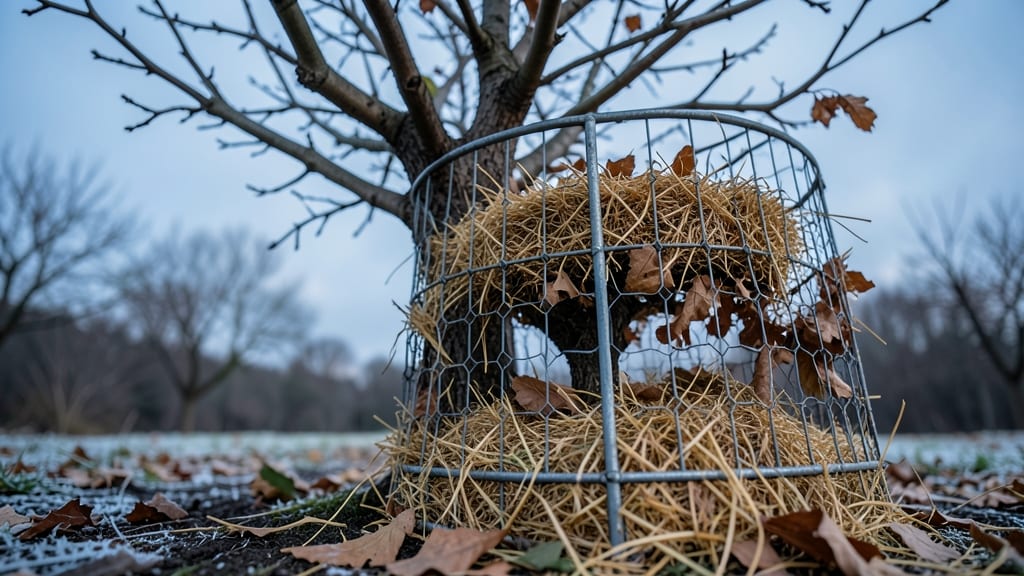
If your fig tree is small or growing in a pot, a protective wire cage stuffed with leaves or straw can create a cozy microclimate that shields it from harsh winter winds and frost. This method is especially effective for dwarf varieties or container-grown figs that are more vulnerable to temperature swings.
Start by constructing a cage using chicken wire or hardware cloth, large enough to fully encase the tree and extend slightly above the canopy. Fill the cage with dry leaves, straw, or even shredded paper to trap heat and insulate the foliage. Secure the cage with stakes or twine to prevent it from collapsing under snow or wind. For potted figs, this technique works wonders in protecting both the leaves and the pot from freezing.
This low-cost, DIY solution is ideal for urban gardeners with limited space or those with delicate fig varieties. It’s also a great way to repurpose fallen leaves from your garden, making it both practical and sustainable. 🌱
Pruning to Remove Weak or Damaged Branches
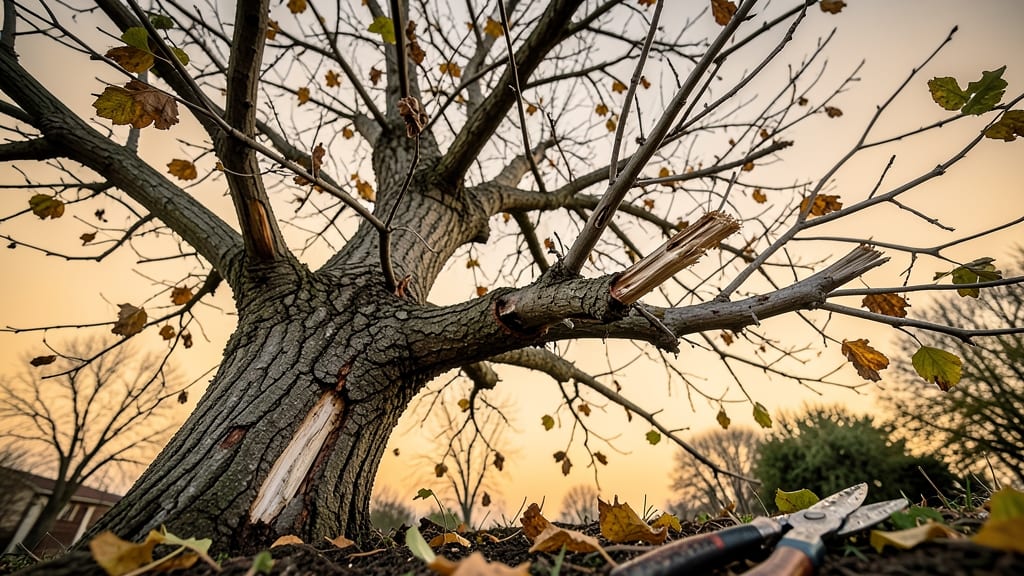
Before winter’s chill sets in, your fig tree’s weak or damaged branches become prime targets for cold stress—removing them now isn’t just cleanup, it’s strategic survival prep. Weak growth drains energy your tree needs to survive dormancy, while damaged branches create entry points for pests and disease during the off-season.
Focus on dead, diseased, or crossing branches—cut them back to healthy wood using clean, sharp pruners and seal larger cuts with pruning paste. This improves airflow around the canopy, reducing moisture retention that leads to fungal issues. Aim to prune in late fall (October-November), just before the first hard freeze, to give the tree time to heal before winter sets in.
This step is especially valuable for young fig trees or those in exposed locations, where cold damage can be more severe. A well-pruned tree enters dormancy stronger, ready to rebound faster in spring. 💪
Using Row Covers for Added Insulation
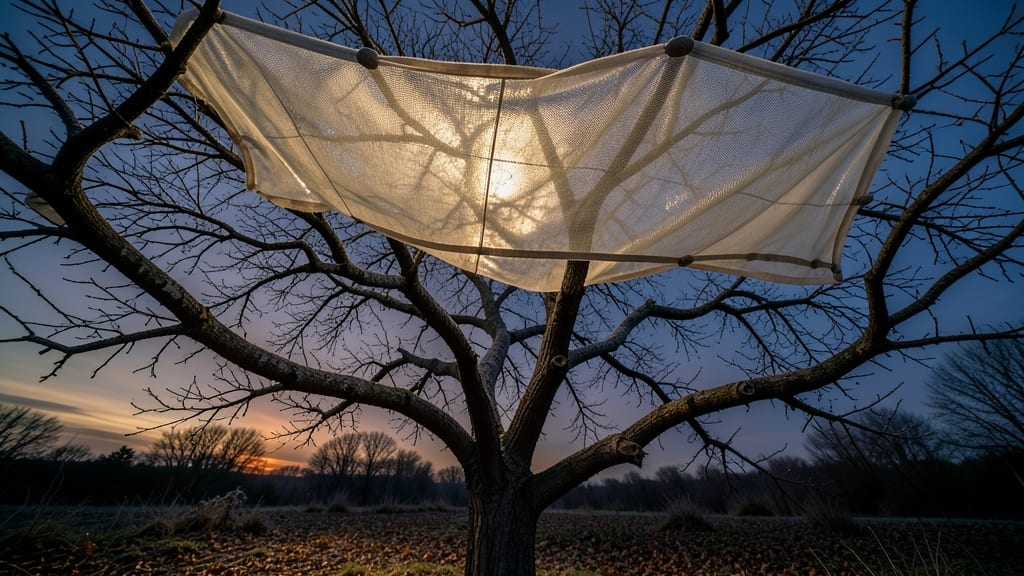
When a late-season freeze sneaks in after your fig tree has already settled into dormancy, lightweight row covers become your secret weapon. These frost blankets create a mini greenhouse effect, trapping radiant heat from the ground and shielding tender branches from sudden temperature swings—often the difference between survival and loss.
Drape a breathable frost cloth (not plastic) over the tree, securing edges with bricks or landscape pins to allow airflow while blocking wind. For extra insulation, add a layer of straw mulch around the base before covering. Remove covers during the day if temperatures rise above 40°F (4°C) to prevent overheating. This method works best for young trees or container figs in exposed areas.
Row covers are especially valuable for gardeners in USDA Zones 7-9, where unpredictable cold snaps can still damage semi-hardy varieties. They’re quick to deploy, reusable, and won’t smother your tree like heavy plastic wraps. 💡
Moving Potted Figs to Sheltered Locations
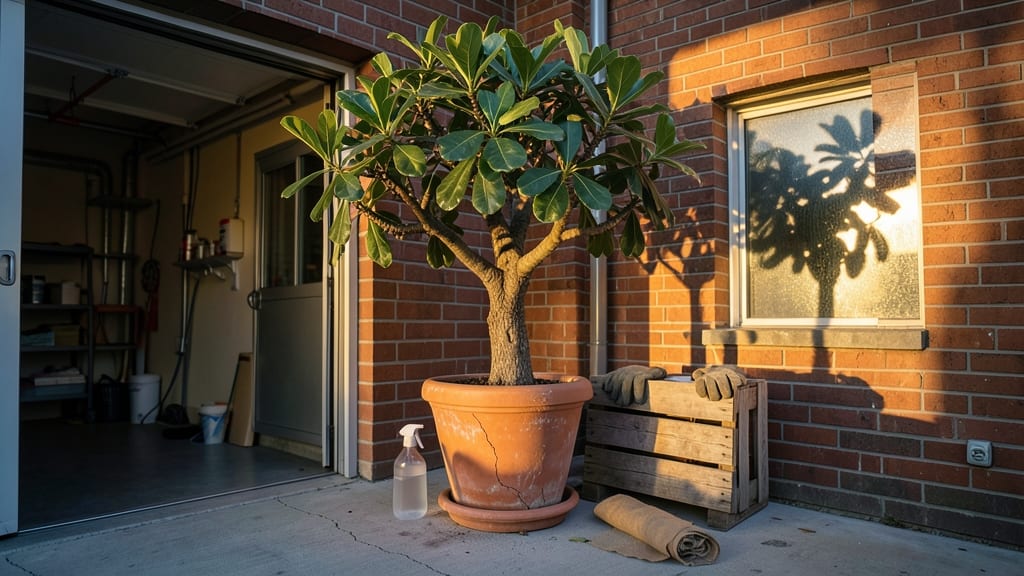
Urban gardeners with limited outdoor space can still grow figs—by moving potted trees to garages, patios, or south-facing walls before winter. This simple relocation creates a microclimate that shields roots and foliage from harsh freezes while keeping the tree accessible for care.
Place your container near a heat source (like a garage door or sunroom window) to maintain temperatures above 20°F. Wrap the pot in bubble wrap or insulation to prevent heat loss, and avoid moving it back outside until spring’s last frost—sudden temperature swings can shock dormant trees. This method works especially well for dwarf varieties like 'Little Miss Figgy' or 'Brown Turkey'.
Perfect for balcony gardeners or those with small yards, this approach ensures your fig thrives year-round without sacrificing space. 💚
Applying Anti-Desiccant Sprays to Leaves
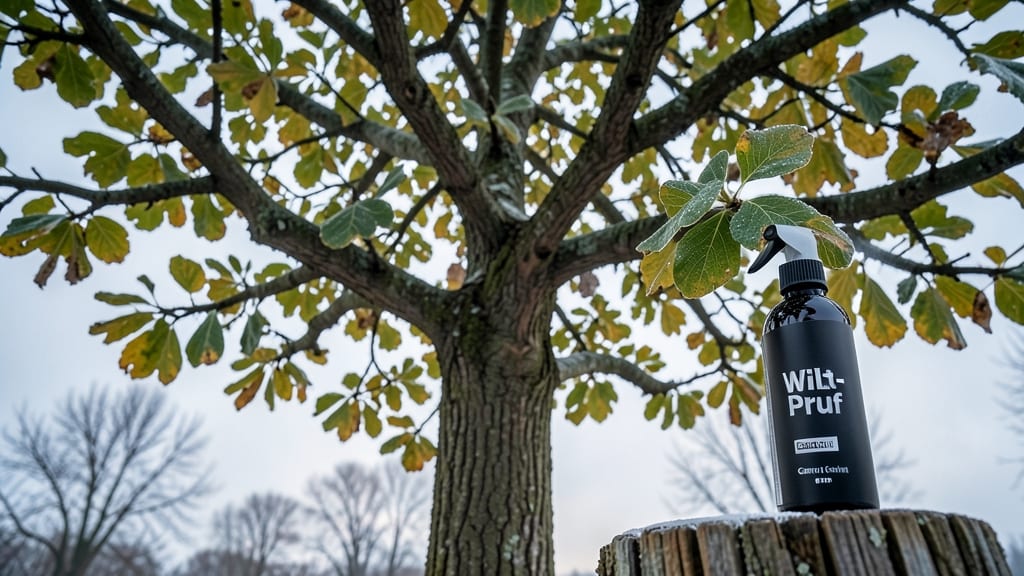
If your fig tree stands in a windy spot where winter winds dry out leaves faster than you can say "frost," an anti-desiccant spray like Wilt-Pruf is your secret weapon. These sprays form a temporary, breathable film that locks in moisture, preventing leaves from crisping up or falling off prematurely—critical for exposed trees.
Apply the spray in late fall (after the first frost but before hard freezes) when temperatures hover between 40-60°F. Focus on the outer leaves where wind exposure is worst, and avoid oversaturating—just a light mist is enough. Reapply every 4-6 weeks during dry spells, and always check the label for your specific product’s instructions. This simple step can mean the difference between a brown, brittle tree and one that stays lush through winter.
Gardeners in USDA Zones 7-9 with exposed yard conditions will see the most benefit, but even sheltered trees can use this extra protection during drought-like winters. 💚
Monitoring Soil Moisture During Dormancy
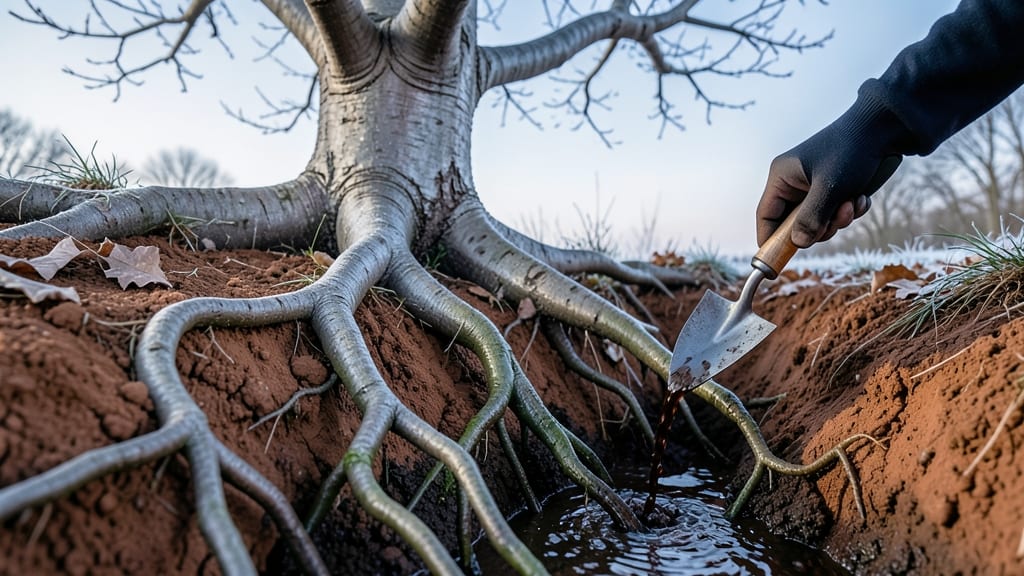
Think winter means your fig tree can "sleep" without water? Think again—consistent soil moisture during dormancy is the secret to keeping roots resilient against freezing temperatures. Unlike summer watering, winter moisture helps prevent root desiccation and reduces stress that makes trees more vulnerable to cold damage.
Check soil moisture every 2-3 weeks by inserting your finger 2-3 inches deep—if it feels dry, give a light watering (about 10% of summer amounts). Avoid soggy soil, which can rot roots, and mulch 3-4 inches deep to retain moisture. Container-grown figs dry out faster, so monitor them more frequently.
This step is especially critical for gardeners in USDA Zones 7-9, where winter temperatures fluctuate. By keeping roots hydrated but not waterlogged, you’ll help your fig tree bounce back stronger in spring. 💡
Planning Early-Spring Protection Strategies

Late frosts can still strike after your fig tree has started budding—leaving you with no fruit at all. But with a few simple early-spring protection strategies, you can shield those delicate buds and ensure a full harvest next season.
Start by wrapping emerging buds with lightweight cheesecloth or frost cloth as soon as you see signs of new growth. This creates a mini microclimate that traps warmth and prevents frost damage. For extra protection, consider installing a small heat source like a string light or heat lamp near the tree during cold snaps. Even a drip irrigation system running overnight can add a few critical degrees of warmth.
This approach is especially valuable for gardeners in USDA Zones 7-9, where late frosts are common. By planning ahead, you’ll give your fig tree the best chance to develop strong fruit without winter setbacks. 🌱