
Pruning
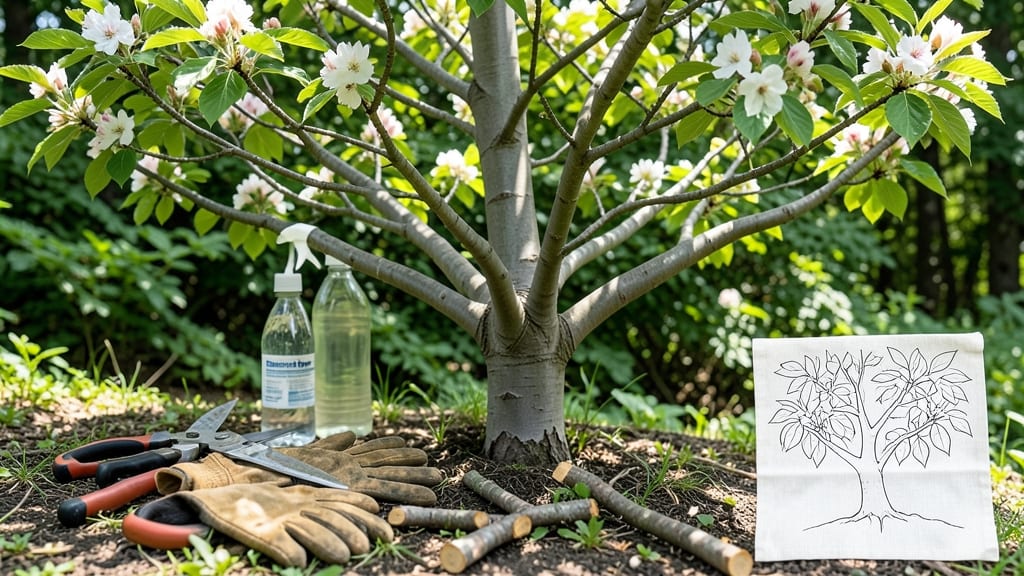
Learn how to prune a dogwood tree in this video—late winter is the perfect time to unlock a summer of showstopping blooms, and I’ve learned the hard way what happens when you skip this step. 🌸 The key is timing: prune right after flowering (or in late winter) to avoid cutting off next year’s buds, and you’ll see your tree reward you with lush, vibrant foliage and clusters of pink or white flowers that last for weeks.
You’ll need just four essential tools: sharp pruners for small branches, loppers for thicker stems, rubber gloves to protect your hands, and a bottle of rubbing alcohol to sanitize cuts. The goal is simple—remove dead, crossing, or crowded branches while keeping the tree’s natural shape.
Think of it like giving your dogwood a fresh haircut: you want to highlight its best features, not turn it into a top-heavy mess.
Start by cutting out any branches that rub against each other or grow inward—they’ll only cause wounds and weak spots. Then, thin out the canopy by removing about 20-30% of the smallest branches to improve airflow and sunlight penetration.
Avoid heavy pruning in one season, or you’ll stress the tree and risk losing those prized blooms. With each cut, imagine the tree’s future: every snip should serve a purpose.
After pruning, give your dogwood a deep watering and a fresh layer of mulch to help it recover. Keep an eye out for signs of stress—yellowing leaves or oozing sap—and address them quickly.
The result? A tree that looks like it belongs in a botanical garden, not just your backyard. Ready to transform your dogwood into a standout star? Let’s get started.
📚 In This Guide
- What you need
- Instructions
- Tips and common mistakes
- Wrapping up and next steps
What you need
- ● Pruning shears (bypass pruners) – Sharp, clean, and with a 6-8 inch blade for cutting small branches (up to ½ inch thick). Example: Fiskars or Felco pruners.
- ● Loppers – Long-handled (20-24 inches) for branches ½ to 1½ inches thick. Look for ratcheting or bypass styles for precision.
- ● Pruning saw – For thicker branches (1½+ inches). A curved-tooth saw prevents tearing the bark.
- ● Gloves – Heavy-duty, cut-resistant gloves to protect your hands from thorns and rough bark.
- ● Ladder or step stool – Sturdy and tall enough to reach branches safely. Extendable ladders work well for taller trees.
- ● Disinfectant (70% isopropyl alcohol or bleach solution) – 1 part bleach to 9 parts water to sterilize tools between cuts and prevent disease spread.
- ● Heavy-duty trash bags or bucket – For collecting pruned branches and debris.
- ● Safety glasses or goggles – To shield your eyes from debris and sap.
- ● Pole pruner – For high branches without a ladder.
- ● Rubbing alcohol wipes – Quick cleanup for tools mid-pruning.
- ○ Tree wound dressing (optional) – Only use if the tree has large cuts. Avoid overuse—healthy trees heal best without it.
- ● Notebook & pen – To sketch the tree’s structure before pruning.
- ● Work boots or closed-toe shoes – For extra foot protection.
Step-by-step guide for pruning a dogwood tree
Here's how I prune dogwoods to keep them blooming beautifully for years—no video needed.
✂️ Step 1: Time Your Prune for Maximum Health
Prune your dogwood right after flowering but before new growth appears. For most varieties, this means late spring to early summer. Pruning too early cuts off next year's flower buds, while waiting too long stresses the tree. You'll know you've timed it right when you see fresh, green leaves but no new flower buds forming.
I always wait until at least 2 weeks after blooms fade—this gives the tree time to redirect energy from flowers to leaf production. Dogwoods are sensitive, so rushing this step often leads to weak growth or no blooms the following year.
✂️ Step 2: Remove Dead, Diseased, or Crossing Branches First
Start by cutting out any dead, broken, or diseased branches—these are easy to spot as they're brown, brittle, or oozing sap. Use clean, sharp pruners to make 45-degree cuts just outside the branch collar (the swollen area where the branch meets the trunk). Cutting too close can damage the tree's healing tissue.
Next, remove branches that cross or rub against others. These create wounds that invite disease. Look for branches growing inward or upward—these compete for energy and should go first. I like to step back every few cuts to visualize the tree's structure and ensure I'm not over-thinning.
☀️ Step 3: Thin the Canopy for Better Airflow and Light
Dogwoods need good airflow to prevent fungal diseases like powdery mildew. Aim to remove no more than 25% of the canopy in one season—this keeps the tree healthy without shocking it. Focus on branches that block light from reaching the interior. You'll see these as dense clusters where sunlight barely penetrates.
Cut branches back to a healthy lateral branch or bud, always making clean cuts. Avoid leaving stubs—these trap moisture and rot. If a branch is too thick for hand pruners, use a pruning saw and make the cut just outside the branch collar. Step back after each cut to check for balance.
✂️ Step 4: Shape the Tree for Strong Structure
Dogwoods naturally grow with a single trunk and layered branches, so avoid heavy shaping. Instead, focus on opening the center to improve airflow and sunlight. Remove any "water sprouts"—those fast-growing, vertical shoots that pop up along the trunk or branches. These drain energy from the tree.
For mature trees, you can lightly shape the outer edges to encourage a fuller look, but never remove more than 1/3 of any branch in one cut. If a branch is too large, make the cut in stages over two years. After pruning, rake up and dispose of all debris—never leave clippings on the ground, as they can harbor pests.
💧 Step 5: Clean Up and Care for the Tree Post-Prune
After pruning, disinfect your tools with a 10% bleach solution to prevent spreading disease. Water the tree deeply to help it recover, especially if you've made large cuts. Dogwoods are shallow-rooted, so focus on keeping the soil moist but not soggy for the first 2-3 weeks after pruning.
Apply a balanced, slow-release fertilizer around the drip line (the edge of the tree's canopy) to support new growth. Avoid heavy fertilizers—they can stress a freshly pruned tree. Mulch lightly with 2-3 inches of organic mulch, keeping it 3 inches away from the trunk to prevent rot.
Tips & tricks for pruning a dogwood tree
These simple tricks will help you prune your dogwood like a pro—keeping it healthy and blooming beautifully for years.
Timing is Everything: The two-week window after blooms fade but before new growth appears is critical. I've seen dogwoods lose their next year's flowers when pruned too early, so mark your calendar once the blooms start fading. Look for fresh green leaves without any new flower buds forming—the perfect sign you're ready to prune. This timing ensures your tree has time to redirect energy from flowers to leaf production, setting it up for strong growth next season.
Clean Cuts Make All the Difference: When removing branches in Step 2, always make your cuts just outside the branch collar at a 45-degree angle. I learned this the hard way—cutting too close to the trunk can damage the tree's healing tissue and create entry points for disease. Use sharp pruners to make clean cuts, and always disinfect your tools with a 10% bleach solution before and after pruning to prevent spreading any potential pathogens between cuts.
Visualize Your Work: After each cut, step back and visualize the tree's structure. This helps you avoid over-thinning, which can stress the tree. Dogwoods naturally grow with a single trunk and layered branches, so focus on opening the center to improve airflow and sunlight penetration. I like to imagine the tree as an umbrella—you want the "spokes" (branches) to spread evenly without crowding each other. This approach keeps the tree healthy and encourages better blooming.
Post-Prune Care is Key: After you've finished pruning, don't forget the post-care steps. Watering deeply for the first 2-3 weeks helps the tree recover, especially if you've made large cuts. Apply a balanced, slow-release fertilizer around the drip line to support new growth, and mulch lightly with 2-3 inches of organic mulch—just keep it 3 inches away from the trunk to prevent rot. This care routine ensures your dogwood stays healthy and vibrant for years to come.
Pro Tips for Prune A Dogwood Tree Video
- These simple tricks will help you prune your dogwood like a pro—keeping it healthy and blooming beautifully for years.
- Timing is Everything: The two-week window after blooms fade but before new growth appears is critical.
- Clean Cuts Make All the Difference: When removing branches in Step 2, always make your cuts just outside the branch collar at a 45-degree angle.
Frequently asked questions
Got questions about pruning your dogwood tree? You’re not alone! Here are answers to the most common concerns—so you can prune with confidence and keep your tree thriving.
When is the best time to prune a dogwood tree?
The ideal time is right after flowering (late spring) or in early summer. Avoid pruning in late summer or fall, as this can stimulate new growth that won’t harden off before winter. If you must prune in winter, do so sparingly—dogwoods are susceptible to borers when stressed.
Can I prune a dogwood tree in winter?
While you can prune in late winter (before buds swell), it’s riskier. Winter pruning can expose the tree to borer infestations and frost damage. If you spot dead or diseased branches in winter, remove them immediately—but limit other cuts. Spring is always safer!
Will pruning my dogwood reduce next year’s flowers?
Pruning correctly won’t hurt blooms—in fact, it enhances them! Dogwoods flower on old wood, so avoid heavy cuts that remove last year’s growth. Focus on shaping, removing dead wood, and thinning crowded branches. Less aggressive = more flowers!
What if I accidentally prune too much?
Don’t panic! If you’ve removed more than 25% of the canopy, your dogwood may struggle. Stop pruning immediately and focus on care: water deeply, mulch well, and avoid fertilizing. New growth should recover in 1–2 seasons. For severe over-pruning, consult a local arborist.
Can I prune a young dogwood tree the same way?
Young dogwoods (under 3 years old) need minimal pruning—just remove dead, crossing, or rubbing branches. Avoid shaping until the tree is established. Once mature, follow the same steps as older trees, but keep cuts small to encourage strong growth.
Wrapping up and next steps
Pruning your dogwood tree doesn’t have to be intimidating—with the right tools, timing, and technique, you’ll help it thrive and burst into stunning blooms year after year. 🌸 Remember to prioritize safety, remove dead or crossing branches, and shape with care for that picturesque silhouette.
Now that you’re armed with knowledge, grab those shears and give your dogwood the TLC it deserves!
Ready to take action? Watch our step-by-step video guide for a visual walkthrough, or bookmark this article for your next pruning session. Happy gardening! 🌿