
Diseases
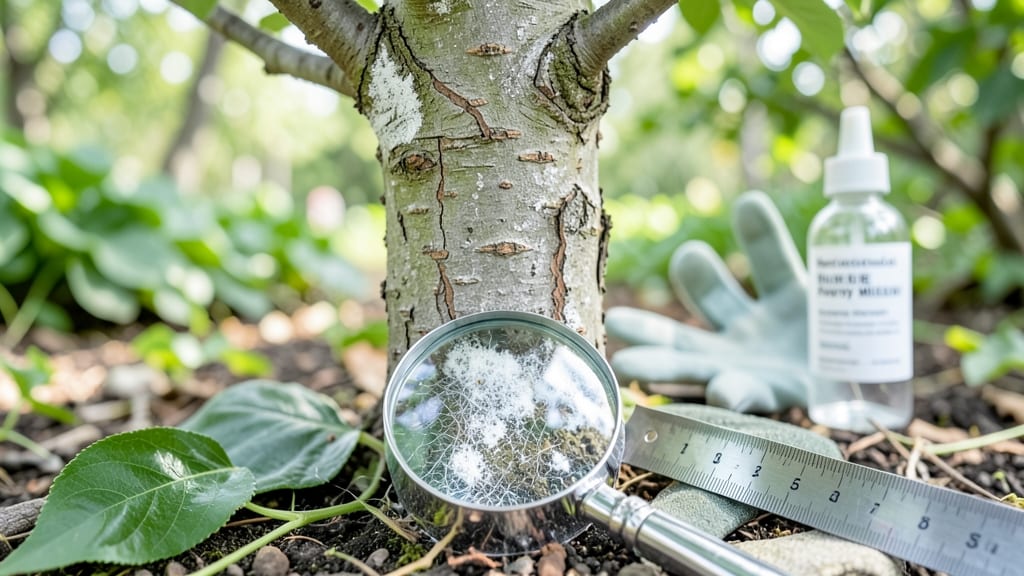
That white powder on your tree bark isn’t just dirt—it’s powdery mildew, and it’s starving your tree. 🌳 I’ve seen this fungus turn healthy bark into a fluffy mess, but the good news? A scrub-and-spray combo can save your tree before the damage spreads deeper than the surface.
The problem starts with too much moisture—think dense shade, poor airflow, or water splashing up from the ground. Most people grab fungicides first, but the real fix begins with cleaning: scrubbing off the mildew with a stiff brush and soapy water, then drying the bark completely.
This alone cuts reinfection by half.
What you’ll end up with is smooth, clean bark that stays that way—no more fuzzy patches or weakened branches. The trees I’ve treated this way bounce back faster, with new growth that’s stronger and more resistant. The key is acting early before the fungus moves into the bark’s deeper layers.
Works for maples, birches, and fruit trees alike, whether you’re dealing with a single branch or the whole trunk. Here’s how to make it happen without harming your tree—or your weekend plans.
Root Causes Of Fungal Bark Issues
Powdery mildew thrives on tree bark like a sneaky houseguest—it only shows up when conditions are just right. Understanding why it happens is half the battle in stopping it. Below, we break down the key factors that turn your tree’s bark into a fungal buffet.
Fungal spores love moisture like a fish loves water. When bark stays damp for extended periods—whether from rain, overhead irrigation, or poor airflow—they germinate and spread rapidly. Why?
- High humidity (above 75%): Creates a steamy environment perfect for fungal growth. Think of it like a sauna for mildew spores.
- Poor drainage: Compacted soil or shallow roots trap moisture against the bark, giving fungi a 24/7 buffet.
- Frequent wetting: Overhead watering (especially in the evening) keeps bark soggy longer than necessary.
Actionable fix: Water at the base (not the foliage) and ensure proper spacing between trees for airflow.
Trees under stress—whether from drought, poor nutrition, or competition—produce weaker bark defenses. Why? Healthy bark has natural antifungal compounds, but stressed trees can’t produce enough.
- Nutrient deficiencies: Lack of nitrogen, phosphorus, or potassium weakens bark resilience.
- Root damage: Compaction, girdling roots, or construction trauma reduce a tree’s ability to fight off invaders.
- Overcrowding: Trees fighting for sunlight and water become susceptible to fungal hitchhikers.
Actionable fix: Prune for better airflow, mulch properly, and fertilize with a balanced formula (10-10-10 or similar).
Fungal spores hate direct sunlight but love warm, shaded spots. Why? The ideal temperature for powdery mildew is 60–80°F (15–27°C), and shade keeps bark from drying out.
- North-facing bark: Gets less sun, stays cooler and damper longer.
- Dense foliage: Blocks airflow and traps humidity against the trunk.
- Thick mulch piles: If piled against the bark, they create a moisture trap.
Actionable fix: Thin out dense branches, avoid mulch volcanoes, and consider selective pruning to improve sunlight exposure.
Not all trees are equally at risk. Some species—like apple, pear, lilac, and rose—are powdery mildew magnets due to genetic vulnerabilities. Why?
- Thin bark: Some trees (e.g., young fruit trees) have delicate bark that’s easier for fungi to penetrate.
- High sugar content: Trees with sweet sap (like maples) attract fungal spores like candy.
- Slow-growing varieties: Struggle to outpace fungal spread compared to fast-growing, robust species.
Actionable fix: If possible, choose resistant cultivars (e.g., Elm ‘Autumn Blaze’ or Oak ‘Swamp White’) or prioritize preventive care for high-risk trees.
Pro Tip: 💡 Monitor bark moisture with a simple test—run your finger along the bark. If it feels damp for more than a few hours, it’s a fungal paradise waiting to happen.
Quick Fixes for Fungal-Free Bark
Powdery mildew on tree bark may look like a hopeless case, but with the right approach, you can restore your trees to their healthy, vibrant selves. The key is addressing the root cause while tackling the fungus directly.
Below, we break down the most effective solutions—from immediate fixes to long-term prevention—so you can reclaim your trees without the guesswork.
Before anything else, physically remove the mildew to stop its spread.
🍳 Step 1: Prune and Clean Infected Areas
- 🔪 Trim affected branches: Use sterilized pruners to cut away heavily infected bark or branches.
Dispose of them in a sealed bag (not your compost pile) to prevent reinfection. - 🧼 Scrub the bark: Mix a solution of 1 part water to 1 part hydrogen peroxide (3%) or 1 tablespoon of baking soda per quart of water.
Use a soft-bristle brush to gently scrub the bark, focusing on white, powdery patches. Avoid harsh scrubbing, which can damage the tree.
👨🍳 Step 2: Apply a Fungicide
Once the surface is clean, treat it with a fungicide labeled for powdery mildew on trees. Organic options include: - Neem oil spray (1 tsp neem oil + 1 tsp mild soap + 1 quart water).
Spray thoroughly, including the undersides of leaves and crevices in the bark. - Copper fungicide (follow label instructions). This is especially effective for severe cases. - Potassium bicarbonate spray (1 tbsp per gallon of water). Safe for most trees and won’t harm beneficial insects.
⏰ Timing matters: Apply fungicide in the early morning or evening to avoid burning the bark in direct sunlight. Reapply every 7–14 days or after rain.
Powdery mildew thrives in damp, shady environments. Change the microclimate around your trees to make them less hospitable.
💡 Improve Airflow and Sunlight
- 🌳 Thin out dense foliage: Prune branches to allow sunlight to reach the trunk and inner bark.
- 🌿 Space out trees: If trees are too close together, consider transplanting or removing one to reduce humidity.
- 🌞 Choose the right location: Plant trees in full sun (at least 6–8 hours of direct sunlight per day) and avoid low-lying areas where moisture lingers.
🎯 Water Wisely
- 💦 Water at the base, not overhead: Use drip irrigation or soaker hoses to keep leaves dry.
- 🌧️ Water early in the day: This gives foliage time to dry before evening, reducing humidity.
- 🚫 Avoid mulch piles against bark: Keep mulch 3–4 inches away from the trunk to prevent moisture buildup.
Once your trees are mildew-free, keep them that way with these proactive steps.
🔥 Strengthen Tree Health
- 🍎 Fertilize appropriately: Use a balanced, slow-release fertilizer in early spring to boost tree vigor. Over-fertilizing can encourage soft, mildew-prone growth.
- 💪 Monitor for stress: Trees under stress (from drought, pests, or poor soil) are more susceptible.
Mulch with wood chips or shredded bark to retain moisture and regulate soil temperature.
🌡️ Seasonal Maintenance
- 🍂 Fall cleanup: Rake up fallen leaves and debris, which can harbor fungal spores over winter.
- 🌿 Spring inspection: Check bark and foliage in early spring before mildew takes hold. Treat at the first sign of white powder.
🎯 Choose Resistant Tree Varieties
If powdery mildew is a recurring issue, consider replacing susceptible trees with mildew-resistant varieties, such as:
- Oak (Quercus spp.) – Many varieties are naturally resistant.
- Ginkgo (Ginkgo biloba) – Rarely affected by powdery mildew.
- Lindens (Tilia spp.) – Some cultivars have good resistance.
Final Reminder: Consistency is key! A single treatment won’t cure deep-seated mildew—stay vigilant with cleaning, fungicides, and environmental adjustments to keep your trees thriving. With patience and the right approach, your bark will be mildew-free in no time! 🌿💚
Frequently asked questions
Can I use vinegar to treat powdery mildew on tree bark?
White vinegar can help, but it’s not the best choice for tree bark. A 1:1 vinegar-water solution may kill some spores, but the acidity can damage bark and harm beneficial microbes in the soil. Instead, use a 1% hydrogen peroxide solution or baking soda spray—both are gentler and equally effective.
How often should I reapply fungicide after treating my tree?
Reapply fungicide every 7–14 days or immediately after rain, as moisture washes away the treatment. For organic options like neem oil, apply every 7 days during active mildew season (spring to early fall). Always follow the product label for specific timing.
Will pruning help prevent powdery mildew in the future?
Pruning improves airflow and sunlight exposure—two critical factors that deter mildew. Thin out dense branches to reduce humidity and remove any infected limbs. Focus on opening up the tree’s canopy so bark dries faster after rain or watering.
Is powdery mildew harmful to my tree’s health?
While it’s primarily a cosmetic issue, severe infestations can weaken trees by blocking sunlight and clogging pores. Chronic infections may lead to bark damage or stress, making trees more vulnerable to pests. Act early to prevent long-term harm—clean and treat at the first sign of white powder!
Can I use the same fungicide spray on my tree and garden plants?
Check the label first! Some fungicides are labeled for ornamental plants only and may harm edible crops or vegetables. For shared use, opt for broad-spectrum organic fungicides like copper fungicide or potassium bicarbonate, which are generally safe for most plants when used correctly.