
How To
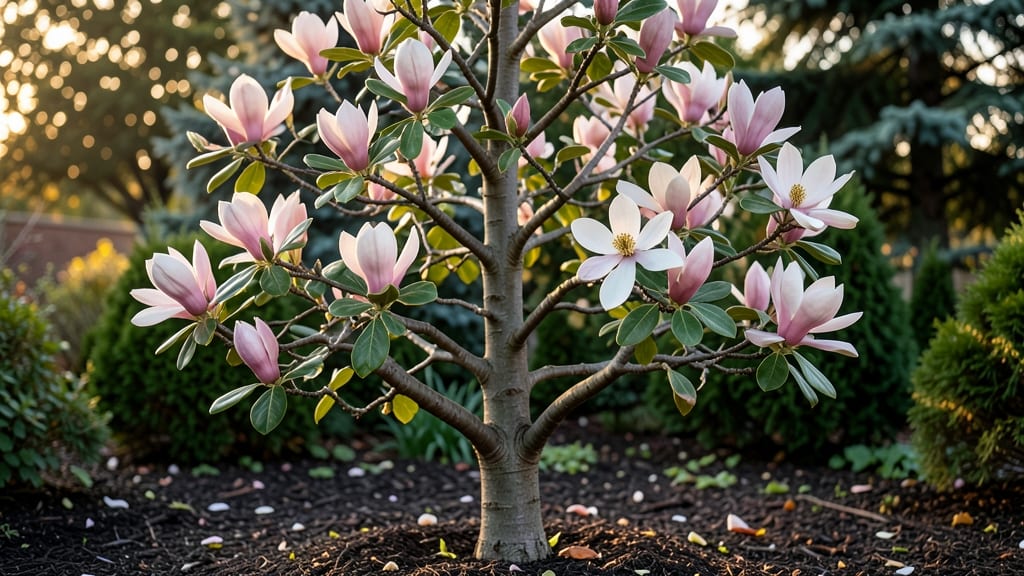
A magnolia tree can grow how tall it does—from a compact shrub under 10 feet to a towering giant over 80 feet, depending on the variety and care you give it.
Dreaming of a fragrant magnolia in your small yard but worried about space? The right variety can grow from a compact shrub to a towering giant—without sacrificing beauty or scent. Some stay under 15 feet, while others reach heights that dwarf your house.
This isn’t just about choosing a tree that fits your yard—it’s about picking one that thrives there. The wrong spot can stunt growth, while the right conditions (sunlight, soil, and pruning) can help even a giant magnolia stay manageable.
Below, I’ll break down the height ranges for popular varieties, how to control growth naturally, and which space-saving options are perfect for tight spaces. Let’s get started!


Magnolia tree height guide: from dwarf to giant varieties
If you're wondering how tall magnolia trees grow, the answer depends entirely on the variety you choose. Magnolias range from compact shrubs under 10 feet to towering giants over 100 feet, making them perfect for any space—whether you have a cozy courtyard or sprawling acreage.
The key is selecting the right species for your yard's size and your landscaping goals.
For example, Magnolia stellata stays a manageable 10–15 feet tall, while Magnolia grandiflora can reach 80–100 feet in ideal conditions. Understanding these differences helps you plan for proper spacing, pruning needs, and long-term growth without overcrowding your garden. Let's break down the most popular varieties and their mature heights.
When choosing a magnolia, consider not just height at maturity but also its spread and growth rate. For instance, Magnolia 'Little Gem' stays narrow (only 10–12 feet wide), making it ideal for tight spaces, while Magnolia grandiflora can spread 30–40 feet wide, requiring ample room.
Always check the
Best space-saving Magnolia trees for small yards (under 15 feet)
If you love the idea of magnolias but have limited space, don’t worry—there are stunning compact varieties that thrive in small yards. These space-saving magnolias grow under 15 feet tall while still delivering fragrant blooms and lush foliage.
The key is choosing the right variety for your yard’s size and sunlight conditions.
For example, Magnolia 'Jane' stays under 10 feet and blooms early, while Magnolia 'Black Tulip' reaches 12 feet with dramatic dark flowers. Both are perfect for tight spaces but still make a bold statement. Let’s explore the best options for your small yard.
- Magnolia 'Jane' – 8-10 ft tall, early blooms, thrives in partial shade (ideal for small yards).
- Magnolia 'Black Tulip' – 12 ft max, dark purple blooms, loves morning sun and afternoon shade.
- Magnolia 'Little Gem' – 10-12 ft, evergreen, drought-tolerant, perfect for urban gardens.
- Magnolia 'St. Mary' – 10-12 ft, fragrant white blooms, thrives in USDA Zones 5-9.
- Magnolia 'Ann'® – 8-10 ft, compact, blooms late spring, great for containers.
- Magnolia 'Teddy Bear' – 6-8 ft, dwarf variety, ideal for foundation plantings or small patios.
When planting these compact magnolias, prioritize well-draining soil and partial shade to keep them healthy. Most varieties bloom best when planted in spring, giving roots time to establish before summer heat. For example, Magnolia 'Jane' thrives in USDA Zones 5-9 and loves morning sunlight.
To maximize blooms in tight spaces, prune lightly after flowering to maintain shape. Avoid heavy pruning, as it can reduce next year’s blooms. A mulch layer around the base helps retain moisture and keeps roots cool. With the right care, even small yards can showcase a stunning magnolia display.
For extra impact, pair compact magnolias with low-growing perennials like heuchera or hostas. This creates a layered look without overwhelming your space.
Whether you choose Magnolia 'Little Gem' for its evergreen foliage or Magnolia 'Teddy Bear' for a dwarf option, these varieties prove that big beauty fits in small spaces.
Ready to transform your yard? Pick a variety that fits your space and enjoy years of fragrant blooms—without the towering height of traditional magnolias! 🌷