
How To
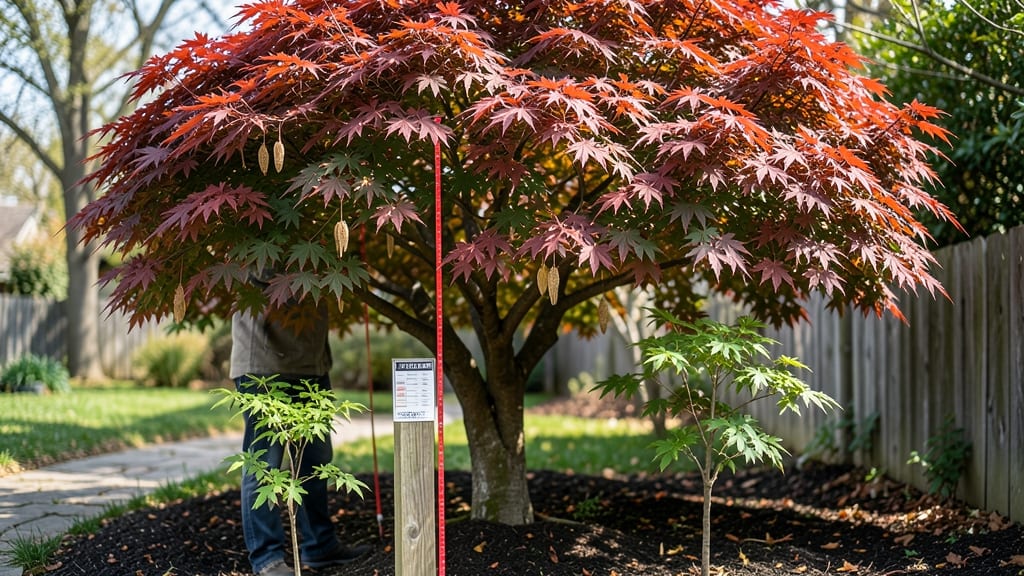
A red maple tree grows how tall does a red maple tree grow at maturity between 40 and 70 feet, depending on the variety and growing conditions — but the real surprise is how fast it gets there.
If you're dreaming of a striking red maple tree 🌳 for your yard but wondering whether it’ll tower over your home or stay manageable, the answer depends on the variety—and it might surprise you.
Some dwarf cultivars top out at 30 feet, while standard types can reach three stories tall in just 20 years.
This isn’t just about space—it’s about timing. The fastest-growing red maples add 2 to 3 feet per year in ideal conditions, meaning a 60-foot tree could be mature in your lifetime. But soil, sunlight, and pruning play huge roles in whether it stretches skyward or stays compact.
Below, I’ll break down the height ranges by variety, share the fastest-growing cultivars, and show you how to control its size with simple pruning tips—so you can plan for the perfect fit in your landscape.


Red maple tree height by mature variety: from dwarf to giant
Choosing a red maple tree for your landscape means balancing stunning fall foliage with space considerations. The mature height of Acer rubrum varies dramatically by cultivar—from compact dwarf varieties perfect for small yards to towering giants that dominate the skyline.
Understanding these differences helps you select the ideal tree for your property's scale and sunlight conditions.
Most red maples reach their full height between 20–30 years, though growth rates differ by variety. Some cultivars gain 2–3 feet annually in ideal conditions, while others grow just 6–12 inches per year.
The key is matching your yard's dimensions to the tree's mature size range, which can span from 15 feet to over 60 feet.
Comparison Table: Red Maple Tree Heights by Variety
| Variety | Mature Height (ft) | Growth Rate (ft/year) | Best For |
|---|---|---|---|
| 'Autumn Flame' | 40-50 ft | 1.5-2 ft | Medium yards, specimen planting |
| 'Armstrong' | 20-25 ft | 1-1.5 ft | Small spaces, urban planting |
| 'Red Sunset' | 35-45 ft | 2-3 ft | Large properties, shade trees |
| 'Black Tower' | 15-20 ft | 0.5-1 ft | Dwarf landscapes, containers |
| 'October Glory' | 50-60 ft | 2-3 ft | Woodland edges, large estates |
The 'Black Tower' cultivar stands out as the most compact option, ideal for small yards or container growing. Its slow growth rate makes it perfect for urban landscapes where space is limited.
In contrast, 'October Glory' becomes a statement tree, reaching heights comparable to a 5-story building—best suited for rural properties or park settings.
For medium-sized yards, 'Autumn Flame' offers a balanced choice with vibrant fall color and manageable dimensions. Its 1.5–2 foot annual growth means it won’t overwhelm your space while still providing shade. Plant this variety 30–40 feet from structures to allow for future growth and proper air circulation.
Soil quality and sunlight exposure significantly impact growth rates. Red maples thrive in well-draining soil with full sun exposure (6+ hours daily). In shady conditions, growth slows by 30–50%, while poor soil can reduce mature height by 10–20 feet.
Always amend planting holes with compost to ensure optimal development.
When planting near power lines or sidewalks, prioritize dwarf varieties like 'Armstrong'. Its 20–25 foot mature height keeps it well below overhead wires while still providing year-round interest. For fastest growth, pair these cultivars with regular watering (deep soaks weekly) and balanced fertilizer applied in early spring.
Remember: Pruning young trees can influence final height. Removing leader branches early encourages a fuller canopy rather than a single tall trunk. However, avoid heavy pruning after summer solstice, as this can stimulate late-season growth vulnerable to frost damage.
If you're unsure which variety fits your space, start with 'Autumn Flame'—its versatile height and disease resistance make it a reliable choice for most landscapes. For maximum height control, consider 'Black Tower', though it requires more patience due to its slower growth rate.
🌳
Fastest-growing red maple cultivars: how quickly they reach mature height
If you're eager to enjoy the vibrant foliage of a red maple without waiting decades, some cultivars grow 2-3 times faster than average. The annual height gain can vary dramatically—from just 6 inches per year to a stunning 3 feet or more—depending on the variety and growing conditions.
Let’s explore the fastest-growing red maples and how to maximize their speed.
For rapid growth, prioritize full sun exposure (6+ hours daily), well-draining soil, and regular pruning to remove dead branches. These factors can shave off 5-10 years from reaching maturity. Below, I’ve ranked the top fastest-growing red maple cultivars based on documented growth rates and gardener feedback.
The Autumn Flame cultivar leads the pack with an annual growth rate of 2-3 feet, reaching 30-40 feet in just 10-12 years under ideal conditions. This variety thrives in full sun and moist, well-drained soil, making it perfect for landscapes where you want quick shade and color.
Plant it 15-20 feet from structures to avoid future root conflicts.
For slightly slower but still rapid growth, the Red Sunset cultivar gains 1.5-2.5 feet per year, maturing in 12-15 years. It’s prized for its brilliant red fall foliage and tolerance of urban pollution, making it ideal for city gardens.
Mulch around the base annually to retain moisture and encourage root expansion.
If you’re working with limited space, the Armstrong red maple offers a balance—growing 1.5-2 feet annually while staying slightly more compact. It’s also drought-tolerant once established, reducing watering demands. Prune in late winter to shape the canopy and remove any crossing branches that could slow growth.
Even the slower-growing varieties like October Glory (1-1.5 ft/year) can reach maturity in 15-20 years with proper care. Focus on consistent watering during dry spells and avoid over-fertilizing, which can lead to weak, leggy growth. Test your soil’s pH (ideal range: 4.5-6.0) to ensure optimal nutrient uptake.
To accelerate growth further, consider deep-root fertilization in early spring and regular pruning to remove deadwood. Avoid heavy pruning in late summer, as this can stress the tree and slow its growth. With these strategies, even slower varieties can reach their full potential 5-10 years sooner than average.