
How To
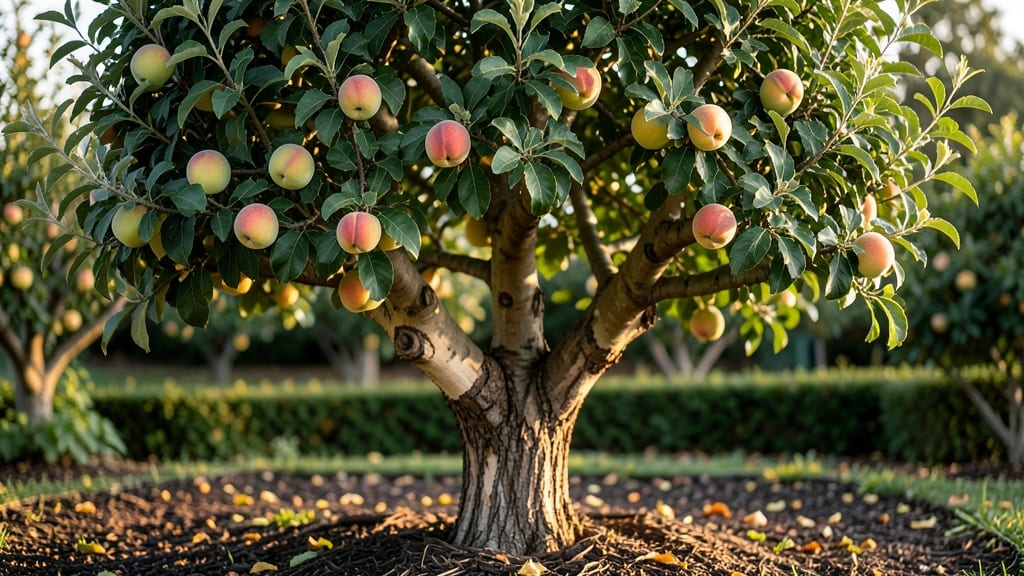
A peach tree can grow anywhere from 8 feet to towering 25 feet tall, depending on the variety and care you give it 🍑.
Wondering if your backyard can accommodate a peach tree? The height of your tree can drastically impact your harvest—and your landscape design. From towering standard varieties to compact dwarf options, understanding peach tree growth potential is key to planning the perfect orchard or home garden.
Standard peach trees often reach 20-30 feet at maturity, while dwarf varieties stay between 6-10 feet, making them ideal for small spaces. The right choice depends on your garden size, sunlight, and how much maintenance you're willing to handle.
In this guide, I’ll break down the differences between dwarf, semi-dwarf, and standard peach trees, how to control their height through pruning, and which variety fits your space best for a bountiful harvest.


Standard peach tree heights: how big can they really get?
If you're dreaming of a backyard peach tree, you're probably wondering just how tall these fruit-bearing giants can grow. Standard peach trees typically reach heights between 15 to 25 feet at maturity, with some varieties stretching even taller under ideal conditions.
This makes them a stunning focal point—but also a commitment to long-term space planning. Unlike their dwarf cousins, these trees need room to thrive, both above and below ground.
The mature height of a peach tree depends heavily on its rootstock and cultivar. For example, the popular 'Elberta' variety can easily top 20 feet, while 'Redhaven' usually maxes out around 18 feet.
These heights are what you'd expect after 5 to 7 years of growth, assuming proper care. Many gardeners are surprised to learn that peach trees grow 2 to 4 feet per year in their early years, then slow to about 1 foot annually once mature.
Here’s a quick look at what influences your peach tree’s final height:
One common misconception is that peach trees can grow 50 feet or more like some old orchard specimens. While it's true that century-old trees in ideal climates may reach these heights, your average backyard peach tree will stay well within the 15 to 25-foot range with proper care.
The key is choosing the right cultivar for your space—some varieties like 'Contender' max out around 12 feet, making them perfect for smaller yards.
Environmental factors play a huge role in determining how tall your peach tree will grow. Full sun exposure is non-negotiable—peach trees need at least 6 to 8 hours of direct sunlight daily to reach their full potential height.
In partial shade, growth can be stunted by up to 30%, resulting in a shorter but potentially bushier tree. Similarly, well-draining soil rich in organic matter encourages robust root development, which directly supports vertical growth.
Pruning is another critical factor in controlling height. Regular pruning during the dormant season (late winter or early spring) can keep your peach tree at a manageable height while improving fruit production. I recommend removing 15-20% of the tree's canopy annually to maintain airflow and sunlight penetration.
Without pruning, peach trees can become overgrown and unmanageable, with dense canopies that make fruit harvesting difficult.
Don't forget about the lifespan of your standard peach tree—properly cared-for trees can live for 20 to 30 years, producing fruit for decades. However, their peak productivity typically occurs between years 5 and 15.
After that, while they may still bear fruit, their overall vigor and height growth will slow significantly. This long-term perspective is important when planning where to plant your tree in your landscape.
If you're concerned about height, consider planting your peach tree near a fence or trellis to contain its growth naturally. Some gardeners also use espalier techniques to train the tree along a wall or structure, reducing its footprint while maintaining productivity.
Just remember, even with these methods, your standard peach tree will still need adequate space for its roots—typically 15 to 20 feet in diameter for mature trees.
For those with limited space, I always recommend starting with a semi-dwarf variety (which typically reaches 12 to 18 feet) as a middle ground between standard and dwarf trees. Varieties like 'Sanguinelle' or 'Reliance' offer excellent fruit quality while staying more manageable in size.
The right choice depends on your garden layout, maintenance preferences, and how much you're willing to invest in pruning and training.
No matter which variety you choose, understanding your peach tree's growth potential will help you plan for years of abundant harvests and beautiful landscaping. With the right care, your tree can become a centerpiece of your garden while providing fresh, homegrown peaches for your family to enjoy. 🍑
Dwarf peach tree heights: the compact solution for small gardens
If you love the idea of growing peaches but have limited space, dwarf peach trees are your perfect solution. These compact varieties reach just 6-10 feet tall, making them ideal for urban gardens, patios, and even large containers.
Unlike their towering standard counterparts, dwarf peaches mature quickly—often bearing fruit within 2-3 years—while still producing high-quality fruit. The key to their manageable size lies in their rootstock, which controls growth without sacrificing productivity.
Choosing the right dwarf peach rootstock is critical. Popular options like Lovell and Nemaguard offer disease resistance and consistent sizing. Lovell, for example, produces trees that stay around 8-10 feet tall, while Nemaguard varieties often max out at 6-8 feet.
Both rootstocks thrive in containers, making them perfect for balconies or small yards. With proper care, you can enjoy abundant harvests without the maintenance headaches of larger trees.
| Variety | Rootstock | Mature Height | Yield Potential | Best For |
|---|---|---|---|---|
| Bonanza | Lovell | 8-10 ft | High | Containers, small yards |
| Redhaven | Nemaguard | 6-8 ft | Moderate-High | Urban gardens, patios |
| Suncrest | Lovell | 7-9 ft | High | Balconies, small spaces |
| Contender | Nemaguard | 6-7 ft | Moderate | Containers, cold climates |
One of the biggest advantages of dwarf peach trees is their faster maturation. While standard trees take 4-5 years to bear fruit, dwarf varieties often produce their first harvest in just 2-3 years. This means quicker rewards for your gardening efforts!
To maximize yield in small spaces, focus on proper pruning and training techniques. Regular pruning encourages a bushier growth habit, which increases fruit production without requiring extra space.
For container growing, select a pot that’s at least 18-24 inches wide and deep, with drainage holes. Use a high-quality potting mix blended with compost to ensure your dwarf peach tree gets the nutrients it needs.
Place the container in a sunny spot where it receives at least 6-8 hours of sunlight daily. With the right care, container-grown dwarf peaches can thrive and produce fruit just as well as their in-ground counterparts.
Don’t let limited space stop you from growing peaches! With dwarf varieties, you can enjoy fresh fruit without the maintenance of a large tree. Just remember to choose the right rootstock, provide adequate sunlight, and prune regularly to keep your tree healthy and productive.
Whether you're growing in a container or a small yard, dwarf peach trees offer a compact yet rewarding gardening solution.
Ready to grow your own peaches? Start with a dwarf variety and watch your small garden transform into a fruitful oasis! 🌱🍑