
How To
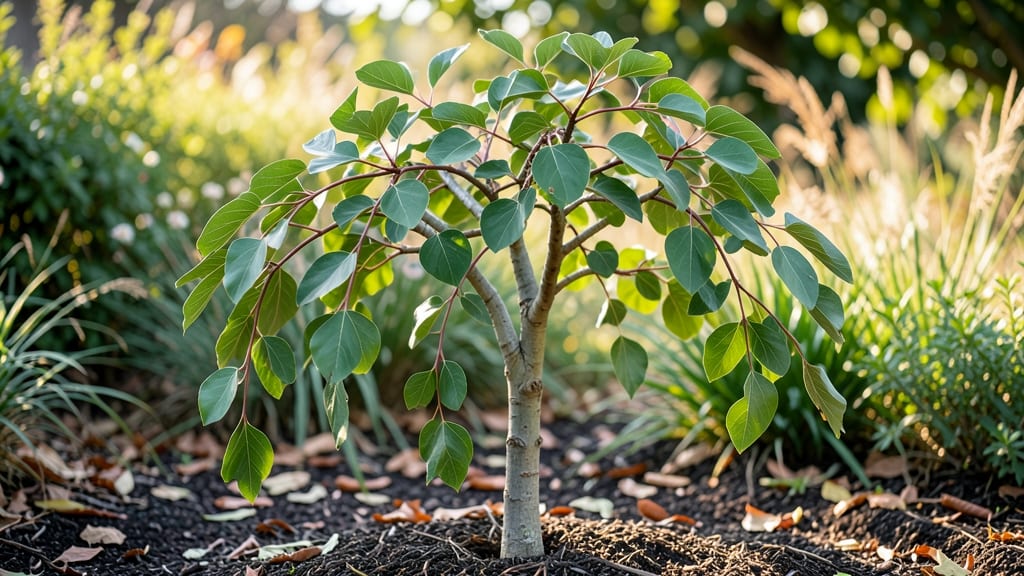
The Benjamin fig tree 🌳 can grow between 15 and 30 feet tall—but whether it hits that ceiling depends on where you keep it and how you care for it.
If you’ve ever wondered whether your Benjamin fig tree will one day tower over your living room ceiling—or if it can thrive outdoors with dramatic height potential—this guide reveals the surprising truth about its growth habits.
Indoors, most varieties stay between 6 and 12 feet unless left completely unpruned, while outdoors in warmer climates, they can stretch toward 30 feet or more. The difference comes down to light, space, and pruning.
Below, I’ll break down the factors that control its height, how to manage it for your space, and whether those towering outdoor specimens are worth the effort.


Benjamin fig tree height limits: indoor growth expectations explained
If you’re growing a Benjamin fig tree (Ficus benjamina) indoors, its height can vary dramatically based on care conditions. Without proper management, these trees can reach 10 feet or taller indoors, while strategic pruning and pot size control can keep them compact at just 6 feet.
The key factors influencing height are light exposure, pruning frequency, and container size—all of which I’ll break down for you.
Many gardeners assume Benjamin fig trees stay small indoors, but in reality, they’re fast-growing tropical trees that thrive when given space. The average indoor height after 5 years ranges from 6 to 12 feet if left unpruned.
However, with regular maintenance, you can maintain a manageable 4- to 6-foot height, perfect for living rooms or offices. Let’s explore how each factor plays a role in determining your tree’s ultimate height.
🌱
Your Benjamin fig tree’s height is directly tied to the amount of light it receives. In low-light conditions, growth slows, resulting in a 6- to 8-foot tree over 5 years.
However, when placed in bright, indirect light—like near a south-facing window—growth accelerates, potentially reaching 12 feet or taller. I’ve seen trees in sunrooms grow 3 feet per year under ideal conditions, so monitoring light exposure is crucial for height control.
Pruning is the most effective way to manage height, and timing matters. For a compact tree, prune new growth in late spring to encourage bushier growth. If you want a taller tree with a single trunk, avoid heavy pruning and instead shape the canopy.
Always prune just above a leaf node to promote new growth. I recommend using sterilized pruning shears to prevent disease spread, especially when working with tropical plants like this.
Pot size plays a surprising role in height control. Benjamin fig trees grow faster when root-bound, but this also leads to taller, leggy growth.
To keep your tree shorter and bushier, use a smaller pot (just 2-3 inches larger than the root ball) and repot only when roots circle the container. Larger pots encourage faster growth, which can result in a taller tree if not managed with pruning.
Always ensure pots have drainage holes to prevent root rot, which can stunt growth.
Fertilization habits significantly impact height potential. Over-fertilizing with high-nitrogen formulas can lead to rapid, leggy growth, pushing your tree toward 10+ feet indoors. Instead, use a balanced 6-6-6 fertilizer every 6 weeks during spring and summer.
Reduce feeding in fall and winter to slow growth and maintain a manageable height. I’ve had success using organic compost tea as a gentle alternative that supports healthy growth without excessive height spikes.
Choosing the right variety can save you years of pruning battles. Dwarf varieties like 'Exotica' or 'Too Little' typically stay between 6 and 8 feet indoors, making them ideal for small spaces. Standard varieties, however, can reach 12 to 15 feet without intervention.
If you’re working with limited space, consider starting with a pre-pruned dwarf variety to avoid future height management challenges. Always check the plant tag for specific growth expectations.
One common misconception is that Benjamin fig trees will naturally stay small indoors. In reality, they’re aggressive growers when given the right conditions. Many gardeners are surprised when their once-compact tree suddenly shoots up to 8 feet in a single year.
To prevent this, I recommend regular height checks and adjusting care practices accordingly. For example, if your tree exceeds your desired height, reduce light exposure slightly or increase pruning frequency.
For those aiming for a taller indoor specimen, focus on providing maximum light and minimal pruning. Place your tree in the brightest spot available, even if it means supplementing with a grow light for 12-14 hours daily.
Avoid heavy pruning unless you’re shaping the tree, and use larger pots
Outdoor Benjamin fig tree growth: can it reach 30+ feet?
When your Benjamin fig tree escapes indoors and finds its home in the garden, its growth potential transforms dramatically. In ideal outdoor conditions—particularly in USDA zones 9-11—this tree can indeed reach 30+ feet tall, rivaling the height of a two-story house.
The key lies in sunlight exposure, soil quality, and consistent care that indoor environments often can't replicate.
Outdoor cultivation unlocks the Benjamin fig tree's natural growth habits. Unlike its container-bound indoor cousins, outdoor trees develop stronger root systems and faster vertical growth. With full sun exposure (6+ hours daily) and well-draining soil, you'll witness 3-5 feet of growth per year in optimal conditions.
The trade-off? Less control over its final height without strategic pruning.
| Factor | Indoor Growth | Outdoor Growth (Zones 9-11) |
|---|---|---|
| Sunlight | South-facing window (6+ hours) | Full sun (8+ hours) |
| Mature Height | 6-10 feet (unpruned) | 15-30 feet |
| Annual Growth | 1-2 feet | 3-5 feet |
| Soil Needs | Well-draining potting mix | Loamy, slightly acidic soil (pH 6.0-7.0) |
| Pruning Impact | Essential for height control | Critical for structural integrity |
For outdoor success, focus on well-draining soil mixed with compost to encourage root expansion. Benjamin fig trees thrive in loamy soil with pH 6.0-7.0, but they're adaptable to slightly acidic conditions.
In USDA zone 10-11, these trees grow most aggressively, while zone 9 requires winter protection to prevent cold damage that could stunt growth.
To control height outdoors, implement structural pruning during late winter or early spring. Remove 1/3 of the canopy annually to maintain shape and encourage lateral branching. For dramatic height reduction, prune to desired height in stages—never more than 25% of the tree at once to avoid shock.
Always use sterilized pruners to prevent disease transmission.
Remember that outdoor Benjamin fig trees develop aerodynamic canopies to handle wind exposure. If planted in exposed areas, expect more compact growth as the tree naturally adapts. For maximum height potential, plant in sheltered locations with afternoon shade protection in extreme heat zones like Southern California.
With proper outdoor care, your Benjamin fig tree can become a stunning landscape focal point—but be prepared for its impressive vertical growth. The key to managing this beauty lies in balancing pruning discipline with the tree's natural growth instincts. 🌳