
Trees
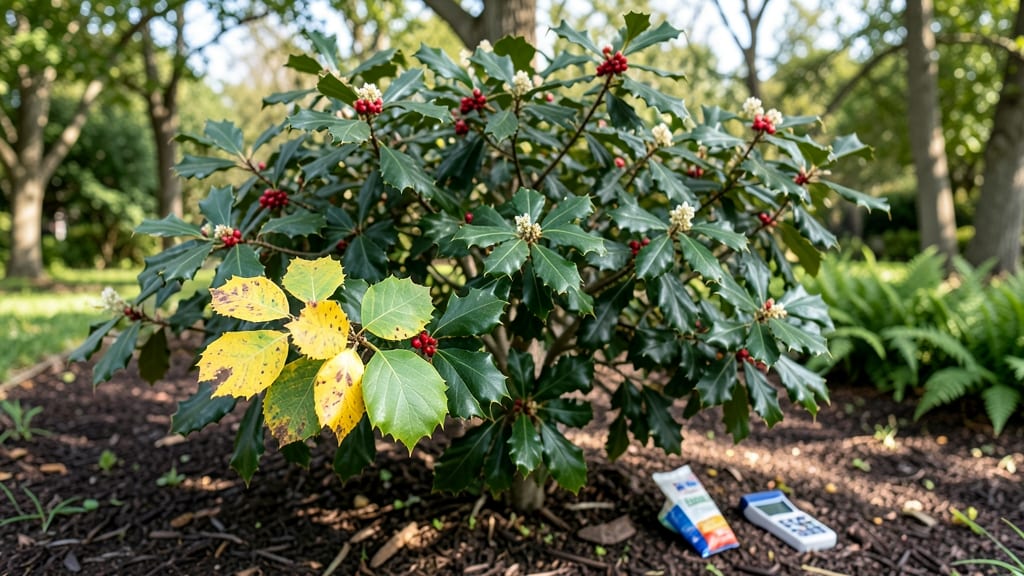
Your holly tree’s leaves turning yellow isn’t just an eyesore—it’s a cry for help. 🌿 I’ve seen this happen when soil pH or nutrient imbalances throw off the plant’s system, and the good news?
Fixing it often comes down to simple adjustments that bring back that glossy, deep green in just a few weeks.
The most common culprits are iron deficiency (chlorosis), overwatering that drowns roots, or even compacted soil cutting off oxygen. My holly trees bounced back after adding chelated iron and adjusting watering—no fancy tools needed. The key is checking soil moisture first (stick your finger in—if it’s soggy, you’re overdoing it).
You’ll see new growth within 4-6 weeks of correcting the issue, with leaves returning to their rich, healthy shade. The best part? Once you’ve addressed the root cause (literally), your holly will stay vibrant year-round with minimal upkeep.
Works for both American and English hollies, whether you’re dealing with a young sapling or a mature tree. Let’s get those leaves back to their best—and keep them that way.
Understanding Leaf Discoloration Causes
Holly trees are prized for their glossy, vibrant foliage, so when their leaves start turning yellow, it’s a clear sign something’s amiss. Before reaching for a fertilizer, it’s crucial to pinpoint the exact cause.
Below, we break down the most common reasons your holly’s leaves are losing their luster—and how to identify them.
Yellowing holly leaves often stem from a lack of essential nutrients, each triggering distinct symptoms. Here’s how to spot them:
- 💡 Nitrogen Deficiency (Most Common) - Symptoms: Yellowing between leaf veins (chlorosis) while veins remain green. Older leaves show signs first. - Why it happens: Nitrogen is vital for chlorophyll production.
If your soil lacks organic matter or you haven’t fertilized recently, the tree struggles to synthesize enough green pigment. - Actionable fix: Apply a balanced, slow-release fertilizer (e.g., 10-10-10) in early spring. For organic options, use composted manure or blood meal.
- 🌿 Iron or Chlorosis-Related Deficiencies - Symptoms: Bright yellow leaves with green veins, often on new growth. Common in alkaline soils (pH > 7.0). - Why it happens: Iron becomes unavailable to plants when soil pH is high.
Even if iron exists in the soil, holly trees can’t access it. - Actionable fix: Test your soil’s pH and amend with elemental sulfur to lower it (aim for 5.5–6.5). For immediate relief, use a chelated iron supplement (e.g., iron sulfate or iron EDTA).
- 🍃 Magnesium or Potassium Shortages
- Symptoms:
- Magnesium: Yellow patches between veins, starting on older leaves (similar to nitrogen but with brown edges).
- Potassium: Yellowing at leaf edges or tips, often with curling or scorching.
- Why it happens: These minerals are mobile in the plant—when deficient, the tree “steals” them from older leaves to prioritize new growth.
- Actionable fix:
- Magnesium: Apply Epsom salt (magnesium sulfate) dissolved in water (1 tbsp/gallon) as a foliar spray or soil drench.
- Potassium: Use a potassium-rich fertilizer like greensand or wood ash, or switch to a 5-10-10 formula.
- Symptoms:
Holly trees are drought-tolerant but still need consistent moisture. Water stress—whether from overwatering or underwatering—can turn leaves yellow.
- 🚰 Underwatering - Symptoms: Dry, crispy yellow edges or entire leaves turning brown and falling off. Soil pulls away from the pot (if container-grown). - Why it happens: Holly trees prefer slightly acidic, well-draining soil.
If the root zone dries out, the tree can’t transport nutrients, leading to chlorosis. - Actionable fix: Water deeply 1–2 times per week (more in extreme heat). Mulch around the base to retain moisture. For potted hollies, ensure drainage holes are present.
- 🌧️ Overwatering or Poor Drainage - Symptoms: Yellowing leaves with a mushy texture, wilting despite wet soil, or roots appearing rotten (if checked). - Why it happens: Waterlogged soil cuts off oxygen to roots, causing root rot (Phytophthora or Pythium fungi).
Hollies hate “wet feet.” - Actionable fix: Improve drainage by amending soil with perlite or sand. If in a container, repot with fresh, well-draining mix. Avoid watering until the top 2 inches of soil are dry.
Not all yellowing is due to nutrients or water. Pests and pathogens can also drain your holly’s vitality.
- 🐜 Spider Mites or Scale Insects - Symptoms: Yellow stippling (tiny dots) on leaves (mites), or sticky residue (honeydew) with black sooty mold. - Why it happens: These pests suck sap, starving leaves of nutrients.
Yellowing appears where damage is worst. - Actionable fix: - Mites: Spray with water to knock them off, then use neem oil or insecticidal soap. - Scale: Scrape off infestations with a stiff brush, then treat with horticultural oil.
- 🍄 Fungal Infections (e.g., Anthracnose, Leaf Spot) - Symptoms: Yellow halos around brown/black spots, often with white fungal growth underneath leaves. - Why it happens: Fungi thrive in humid, wet conditions.
Weakened trees (from stress or poor care) are prime targets. - Actionable fix: Remove infected leaves and improve air circulation. Apply a copper fungicide or baking soda spray (1 tsp baking soda + 1 quart water + a drop of dish soap).
Extreme conditions can shock holly trees, causing sudden yellowing.
- ☀️ Sun Scorch - Symptoms: Yellow or brown patches on leaves exposed to direct afternoon sun, especially in hot summers. - Why it happens: Holly trees prefer partial shade.
Sudden heat waves or transplant shock can lead to leaf burn. - Actionable fix: Gradually acclimate young trees to sun. Provide afternoon shade with a sheer curtain or nearby trees.
- ❄️ Winter Damage or Freeze Injury - Symptoms: Yellowing in early spring, often with brittle or blackened leaf edges after a hard freeze. - Why it happens: Holly trees are semi-evergreen; some varieties shed leaves in winter, but cold snaps can damage foliage. - Actionable fix: Mulch heavily around the base in fall.
Avoid pruning in late summer/fall (new growth is less cold-hardy).
Moving a holly tree disrupts its root system, leading to temporary nutrient uptake issues.
- Symptoms: Uniform yellowing across the canopy, wilting, or slow recovery after replanting. - Why it happens: Roots take time to establish in new soil.
Until then, the tree can’t absorb water or nutrients efficiently. - Actionable fix: - Prune roots before transplanting (if overcrowded). - Water deeply post-transplant and keep soil moist for 4–6 weeks. - Avoid fertilizing for at least 6 weeks to reduce stress.
Revive Your Holly Tree’s Health
Yellowing holly leaves don’t have to mean the end of your tree’s vibrant beauty—with the right care, you can restore its lush green foliage and prevent future issues. Below are practical, step-by-step solutions tailored to the most common causes of yellowing leaves, plus prevention tips to keep your holly thriving.
Let’s get your tree back to its stunning best!
If yellowing is due to poor soil nutrition, your holly needs a targeted boost to recover. Here’s how to diagnose and treat the most likely culprits:
🔥 Iron Chlorosis: Yellow Leaves with Green Veins
Signs: Pale yellow leaves (especially on new growth) with green veins. Why it happens: Holly trees love acidic soil, and alkaline conditions lock out iron, a key nutrient.
How to Fix It:
- 🍄 Test Your Soil – Use a soil test kit (available at garden centers) to check pH. Holly thrives in pH 4.5–6.0.
- 🌱 Amend the Soil – Mix in peat moss, compost, or sulfur (follow package instructions) to lower pH gradually.
- 💧 Apply Iron Supplement – Use a chelated iron supplement (like Ironite or ferrous sulfate) and water it into the soil. Repeat every 4–6 weeks until leaves green up.
- 🌳 Mulch Properly – Spread 2–3 inches of acidic mulch (pine bark or pine needles) around the base (keep it 6 inches away from the trunk).
💡 Pro Tip: If your soil is too alkaline (pH >7.0), consider planting your holly in a raised bed with acidic soil mix.
🍎 Nitrogen Deficiency: Overall Yellowing or Pale Leaves
Signs: Uniform yellowing (not just veins) or stunted growth. Why it happens: Holly trees are heavy feeders and deplete nitrogen quickly, especially in sandy or poor soils.
How to Fix It:
- 🌱 Fertilize with Slow-Release Nitrogen – Use a balanced, acidic fertilizer (like 10-10-10 or 12-4-8) in early spring before new growth starts.
- 🥔 Add Organic Matter – Work compost or well-rotted manure into the top 6 inches of soil around the tree.
- 💧 Water Deeply After Fertilizing – Helps nutrients absorb into the root zone.
✨ Prevention Tip: Apply a light layer of compost around the base annually to maintain soil fertility.
🌡️ Magnesium or Potassium Deficiency: Yellow Edges or Spots
Signs: Yellowing between veins (magnesium) or brown, crispy edges (potassium). Why it happens: These nutrients are often lacking in urban or compacted soils.
How to Fix It:
- 🍃 Use Epsom Salt for Magnesium – Dissolve 1 tablespoon of Epsom salt in a gallon of water and spray on leaves (or water into soil) monthly until improvement.
- 🥔 Apply Potassium-Rich Fertilizer – Use wood ash (sparingly) or a potassium sulfate fertilizer in late summer.
- 🌿 Mulch with Leaf Mold – A natural source of potassium that breaks down slowly.
🎯 Quick Fix: For severe cases, a foliar spray with magnesium or potassium (like Kelp Meal) can speed up recovery.
Sometimes, yellowing isn’t about nutrients—it’s about water, light, or pests. Here’s how to tackle those issues:
🌧️ Overwatering or Poor Drainage: Yellow, Mushy Leaves
Signs: Yellowing + soggy soil or root rot (black, mushy roots). Why it happens: Holly trees hate wet feet—waterlogged soil cuts off oxygen, causing roots to suffocate.
How to Fix It:
- 🚰 Check Drainage – If your tree is in a low spot, raise the soil level with compost or amend with perlite/sand.
- 💧 Adjust Watering – Water deeply but infrequently (1–1.5 inches per week). Let the top 2 inches of soil dry out before watering again.
- 🌳 Improve Soil Aeration – Loosen compacted soil around the roots with a garden fork (be gentle—don’t damage roots).
💡 Pro Tip: If your holly is in a container, ensure it has drainage holes and use a well-draining potting mix.
☀️ Underwatering or Heat Stress: Crispy, Yellow Edges
Signs: Dry, brittle leaves with brown/yellow edges. Why it happens: Holly trees need consistent moisture, especially in hot, dry climates.
How to Fix It:
- 💧 Increase Watering – Water deeply 2–3 times per week during heatwaves (check soil moisture with your finger).
- 🌿 Mulch Thickly – 3–4 inches of mulch (wood chips or straw) retains moisture and cools roots.
- 🌳 Provide Afternoon Shade – If possible, plant near partial shade (holly tolerates shade but avoids scorching midday sun).
⏰ Best Time to Water: Early morning reduces evaporation and fungal risks.
🐜 Pest Damage: Yellow Spots or Holes
Signs: Tiny holes, webbing, or sticky residue (sap) on leaves. Common Culprits: Spider mites, scale insects, or holly leaf miners.
How to Fix It:
- 🔍 Inspect Leaves – Look for tiny bugs, webs, or eggs on the undersides.
- 💦 Blast Off Pests – Spray leaves with a strong stream of water to dislodge mites/scale.
- 🌿 Use Neem Oil or Insecticidal Soap – Mix 1 tsp neem oil per quart of water and spray every 5–7 days until pests vanish.
- 🐞 Encourage Beneficial Insects – Ladybugs and lacewings eat holly pests—plant marigolds or dill nearby to attract them.
✨ Prevention Tip: Prune infested branches and dispose of them in sealed bags to stop the spread.
Once your holly’s leaves return to vibrant green, maintain these habits to avoid future yellowing:
- 📅 Fertilize Annually – Use an acid-loving plant fertilizer in early spring and midsummer.
- 🌧️ Monitor Soil Moisture – Stick your finger 2 inches into the soil before watering.
- 🍃 Mulch Regularly – Refresh mulch every 6–12 months to prevent nutrient loss.
- 🌳 Prune for Airflow – Thin out dense branches to reduce humidity (which attracts pests).
- 🧪 Test Soil Every 2 Years – pH and nutrient levels change over time—adjust as needed.
Final Thought: With the right care, your holly can bounce back faster than you think! Start with the most likely cause (soil pH or hydration), and don’t hesitate to combine treatments (like fertilizing and improving drainage).
A little effort now means years of stunning, healthy foliage—and maybe even those holiday-worthy red berries! 🎄✨
Frequently asked questions
Why do holly leaves turn yellow in patches but stay green along the veins?
This classic symptom points to iron deficiency (chlorosis), especially if your soil is alkaline. Holly trees struggle to access iron when soil pH exceeds 7.0. The green veins remain because they contain more chlorophyll, while the leaf tissue between them lacks sufficient iron for proper pigment production. Test your soil and amend with chelated iron or elemental sulfur to lower pH.
Can I save my holly tree if half the leaves are already yellow?
Yes! Even with significant yellowing, hollies are resilient. Start by addressing the root cause—whether it's overwatering, nutrient deficiency, or pests. Prune severely affected branches to redirect the tree's energy to healthy growth. With proper care, new leaves should emerge green within 4-6 weeks. The key is acting quickly before the entire canopy suffers.
Will yellow holly leaves turn green again on their own?
Not without intervention. Yellow leaves indicate an underlying problem (like nutrient deficiency or water stress) that won't resolve spontaneously. The tree may produce new green leaves, but the existing yellow ones won't revert—prune them to encourage fresh growth. Think of it like a haircut: you can't turn gray hair back, but you can grow out new, healthy strands!
Is it safe to fertilize a holly tree with yellow leaves?
Only if you've ruled out water-related issues first. Fertilizing a waterlogged holly can worsen root rot. First, check soil moisture—if the top 2 inches are dry, apply a balanced, slow-release fertilizer (like 10-10-10) in early spring. For severe deficiencies, use targeted amendments: Epsom salt for magnesium or iron supplements for chlorosis. Always water deeply after fertilizing.
Why are my holly tree's new leaves turning yellow while older ones stay green?
This "reverse chlorosis" often signals a magnesium deficiency or transplant shock. Since magnesium is mobile in the plant, it gets "stolen" from older leaves to support new growth—leaving younger leaves yellow. Try a foliar spray of Epsom salt (1 tbsp/gallon) or apply composted manure to the root zone. If recently transplanted, focus on deep watering and avoiding fertilizer for 6 weeks to reduce stress.