
Pruning
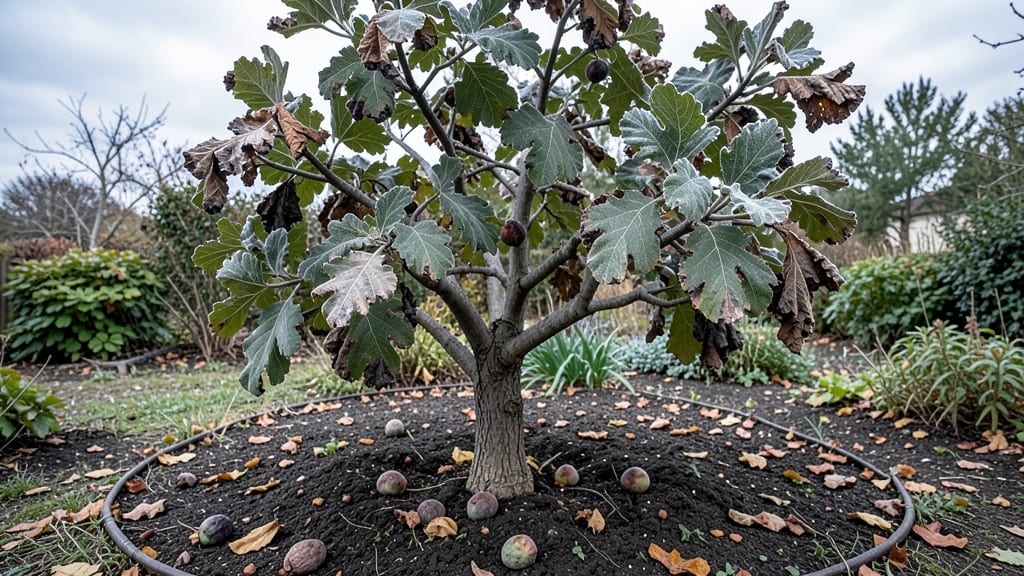
Your fig tree’s frost damage might look hopeless, but I’ve nursed back trees that looked like they were done—here’s how to bring yours back to life. 🌱 The first step is identifying exactly what’s damaged: cracked bark, blackened leaves, or just limp branches?
Each needs a different approach, and the good news is, figs are tougher than they look.
Start by pruning only the clearly dead wood—no guesswork. Cut back to healthy green tissue just above a bud or branch fork, and don’t overdo it.
Then, mulch heavily around the base with straw or wood chips to insulate the roots, and water deeply but infrequently to avoid stressing the tree further. Within a few weeks, you’ll start seeing new growth where you least expected it.
By late spring, your tree should be pushing out fresh leaves and even setting fruit, if you’ve chosen a cold-hardy variety. The key is patience—figs bounce back, but they need consistent care. I’ve seen trees that looked like they’d never recover produce a full harvest the following year.
For next winter, protect young trees with burlap wraps or frost cloth, and consider planting varieties like ‘Chicago Hardy’ or ‘Celeste’ if your climate gets chilly. A little prevention goes a long way, and your tree will thank you with years of sweet harvests.
Cold Snaps and Freezing Temperatures
Frost damage to your fig tree isn’t just a random act of nature—it’s the result of specific environmental triggers that disrupt the tree’s delicate biological processes. Understanding these causes is the first step to preventing future harm and helping your tree recover.
Here’s why your fig tree might be suffering from frost damage:
Fig trees (Ficus carica) are subtropical plants, meaning they thrive in USDA Hardiness Zones 7–10 and struggle when temperatures dip below 25°F (-4°C). When frost hits unexpectedly, the tree’s cells can’t adapt quickly enough, leading to:
- Cell Membrane Rupture: Water inside plant cells expands when frozen, causing cell walls to burst.
This is why frost-damaged leaves turn black, mushy, or crispy—the cells are literally breaking apart. - Disrupted Photosynthesis: Cold temperatures slow down or halt the production of chlorophyll, leaving leaves yellow or brown and unable to harvest sunlight. - Root System Shock: Even if the above-ground parts survive, roots can die back if soil temperatures drop below 32°F (0°C), cutting off water and nutrient flow.
Pro Tip: 🌡️ Monitor your local frost alerts—fig trees in Zones 6 and below need winter protection (like row covers or mulch) when temps near 30°F (-1°C).
Wind doesn’t just make frost feel colder—it accelerates heat loss from your fig tree’s leaves and bark. Here’s how:
- Increased Heat Loss: Wind strips away the insulating layer of warm air around the tree, making frost damage 2–3 times worse in breezy conditions.
- Dessication (Drying Out): Cold, dry winds pull moisture out of leaves faster than the tree can replace it, leading to browning edges and premature leaf drop.
- Exposed Bark Damage: Young or thin-barked fig trees can suffer cracking or peeling when wind chill freezes sap inside the bark.
Actionable Fix: 🏡 Shelter vulnerable trees with windbreaks (like burlap screens or evergreen hedges) or wrap the trunk in bubble wrap to reduce heat loss.
Fig trees are semi-deciduous—they often keep leaves into fall and may sprout new growth in late spring. This makes them highly vulnerable to:
- Late-Spring Freezes (28–32°F / -2 to 0°C): New leaves and tender shoots are especially sensitive because they haven’t developed protective compounds yet.
- Early-Fall Frost (Below 40°F / 4°C): If your tree holds onto leaves too long, they can’t harden off, leading to blackened foliage and reduced winter resilience.
Science Note: 🌱 Fig trees rely on a process called acclimation—gradually adjusting to cold. Sudden freezes bypass this process, causing irreversible damage.
Pro Tip: ✂️ Prune back late-season growth in fall to encourage earlier dormancy, and cover new spring shoots with frost cloth if a freeze is forecasted.
Cold soil holds heat poorly and can amplify frost damage to roots and lower trunk. Here’s why:
- Water Expands When Frozen: Soggy soil freezes faster and stays colder longer, increasing the risk of root rot and frost damage.
- Reduced Nutrient Uptake: Frozen roots can’t absorb water or nutrients, leading to wilting even if the air temp isn’t freezing.
- Fungal Opportunities: Wet, cold conditions create the perfect storm for root-rotting pathogens like Phytophthora, which exploit stressed trees.
Solution: 💧 Improve drainage with:
- Raised beds for container figs
- Gravel or sand amendments in heavy clay soil
- Mulch (4–6 inches) to insulate roots (use straw or leaves, not wet wood chips)
Fig trees naturally toughen up in fall by producing antifreeze-like compounds (like sugars and proteins). But if they’re stressed by:
- Overwatering (keeps them soft)
- Fertilizer burns (encourages tender new growth)
- Transplant shock (weakens root systems)
…they won’t harden off properly, making them easier targets for frost.
Preventative Care: 🌡️ Stop fertilizing 6–8 weeks before first frost and reduce watering to let the tree enter dormancy stronger.
Reviving Frost-Burned Fig Trees
Frost can leave your fig tree looking like a sad, crispy relic, but don’t toss it just yet! With the right care, you can nurse it back to health—or at least salvage next year’s harvest.
The key is acting fast, identifying the damage, and applying targeted fixes. Below, we’ll break down how to diagnose and treat frost damage based on its cause, plus prevention tips to keep your tree resilient.
If your fig tree’s leaves turned brown but the branches feel firm (not mushy or brittle), it’s likely suffered light frost damage. The good news? It’s often reversible with minimal intervention.
🍳 Step 1: Prune Dead Leaves & Weak Branches
- 🔪 Use clean, sharp pruners to snip off any brown, crispy leaves—they won’t recover and can attract pests.
- 🌿 Trim back branches that look wilted or hollow (tap them; if they sound empty, they’re dead).
- ✂️ Cut at a 45-degree angle just above a healthy bud or leaf node to encourage regrowth.
👨🍳 Step 2: Fertilize for Recovery
Frost weakens trees, so give yours a nutrient boost to bounce back:
- 🌱 Use a balanced fertilizer (10-10-10 or 20-20-20) 2–3 weeks after pruning.
- 💡 Pro Tip: Mix in compost or worm castings around the base for slow-release nutrients.
- 🚫 Avoid high-nitrogen fertilizers right after frost—they can stress the tree further.
🥘 Step 3: Water Deeply (But Not Too Much)
- 💦 Water at the base (not the leaves) to avoid fungal issues.
- 🌡️ Aim for 1–1.5 inches per week, especially if the ground is dry.
- ⏰ Best time: Early morning so leaves dry quickly.
If your fig tree’s bark is split, oozing sap, or branches snap easily, it’s in moderate to severe distress. The goal here is stabilizing the tree and preventing further harm.
🔪 Step 1: Prune Aggressively (But Strategically)
- 🌿 Remove all dead wood—look for blackened, shriveled branches or those that peel away like paper.
- 🎯 Focus on the crown (top of the tree): Frost often hits highest first.
- ✂️ Cut back to healthy growth—even if it means sacrificing a branch, it’s better than losing the whole tree.
🛡️ Step 2: Protect from Future Chill
- 🌡️ Cover the tree with a frost cloth or burlap wrap if another cold snap is forecast.
- 🏡 Use a windbreak (like a tarp or privacy screen) to reduce cold air exposure.
- 💡 Pro Tip: Mulch heavily (3–4 inches of straw or wood chips) around the base to insulate roots.
💊 Step 3: Boost Immunity with Organic Care
- 🍄 Apply a fungicide (like neem oil) if you see black spots or mold—frost-stressed trees are prone to infections.
- 🌿 Spray with a seaweed-based fertilizer (like Maxicrop) to strengthen cell walls and improve cold resistance.
- 🚫 Avoid heavy pruning in late fall/winter—it stresses the tree further when it’s already weak.
An ounce of prevention is worth a pound of cure! Here’s how to shield your fig tree long-term:
| Risk Factor | Prevention Tip | When to Do It |
|---|---|---|
| Late-season frosts | Plant cold-hardy fig varieties (e.g., ‘Brown Turkey’ or ‘Celeste’). | Before planting |
| Poor drainage | Amend soil with sand or perlite to improve airflow. | Spring or fall |
| Young, weak trees | Mulch deeply (4+ inches) and water consistently. | Early spring |
| Wind exposure | Plant near a south-facing wall or fence for natural windbreak. | During transplanting |
| Over-fertilizing | Use low-nitrogen fertilizer in late summer to avoid tender new growth. | Early fall |
💡 Extra Pro Tips:
- 🌱 Choose the right spot: Figs thrive in full sun but need shelter from north winds.
- 🍃 Avoid pruning in late summer—new growth is more frost-sensitive.
- 🌡️ Monitor weather forecasts and cover young trees if frost is predicted.
With patience and the right care, your fig tree can not only survive frost but bounce back stronger. Even if it takes a season or two, consistent maintenance will help it regain its vigor—and your patience will be rewarded with juicy figs come summer! 🍈✨
Frequently asked questions
How can I tell if my fig tree's frost damage is reversible?
Check for firm branches and green tissue beneath dead leaves—these are good signs! If the bark feels solid (not mushy) and you see buds or shoots starting to form, your tree can recover. However, if branches snap easily or ooze sap, the damage may be permanent. Prune back only the clearly dead wood to give healthy growth a chance.
Should I prune my frost-damaged fig tree now or wait?
Wait until spring (after last frost) to prune. This gives you time to assess the full extent of damage and avoids stressing the tree further in cold weather. Cut back only to healthy green tissue—never into dead or brown wood. Early spring pruning encourages new growth when conditions are ideal.
Can I save a fig tree that lost all its leaves to frost?
Many fig trees survive complete leaf loss if the branches remain firm. Focus on protecting the roots with 4-6 inches of mulch and avoid fertilizing until new leaves appear. Water deeply but infrequently—overwatering can stress a tree already recovering from frost damage.
What's the best way to protect my fig tree from future frost?
Start with mulching (4-6 inches of straw or wood chips) around the base to insulate roots. For young trees, wrap the trunk in bubble wrap or frost cloth during cold snaps, and consider planting cold-hardy varieties like 'Chicago Hardy' if you're in Zone 6 or below. A south-facing wall also provides natural wind protection.
Will my fig tree produce fruit after frost damage?
It depends on how severe the damage was! If you've removed all dead wood and the tree has healthy buds, it can still fruit—though possibly smaller harvests the first season. Focus on recovery care first: prune properly, mulch well, and avoid fertilizing until new growth appears. With patience, many frost-affected trees rebound fully within 1-2 years.