
Trees
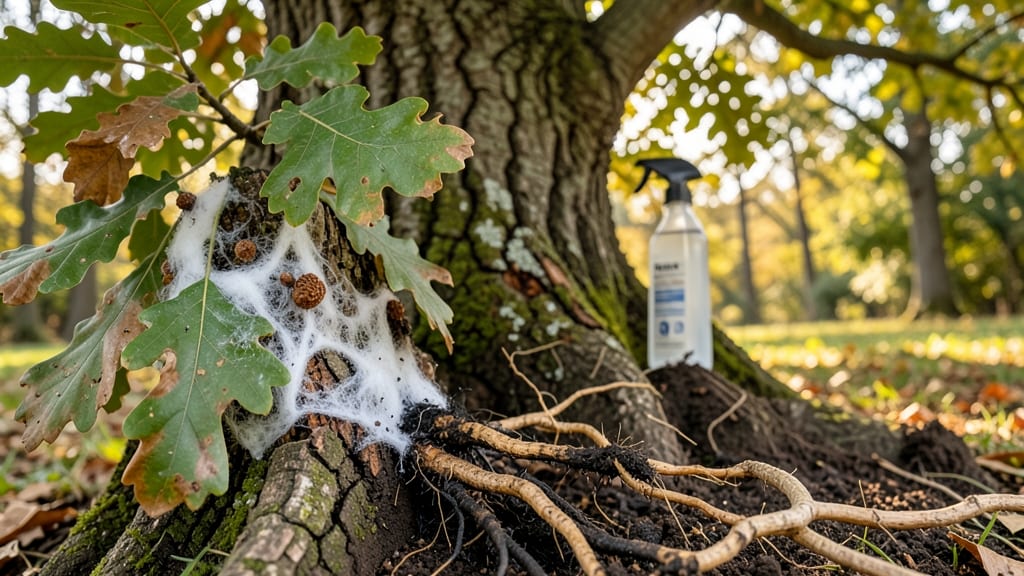
Your tree’s sad, spotted leaves aren’t just a bad hair day—tree infection fungus is likely the culprit. 🌳 I’ve watched my own oak’s once-vibrant canopy turn a sickly brown, and I learned the hard way that ignoring it only makes things worse.
The good news? Many fungal infections respond to natural remedies before they become irreversible.
Fungus thrives when trees are stressed—poor soil, overwatering, or wounds from pruning create perfect entry points. Common culprits like anthracnose or powdery mildew start with tiny specks that spread fast. The key to stopping them?
Act early with copper-based sprays, pruning infected branches (and sterilizing tools), and improving airflow around the tree. My oak’s new growth is already greener since I started this routine last spring.
You’ll see results within 2-4 weeks if you catch it early—fewer spots, firmer leaves, and a tree that starts looking like itself again. The best part?
These remedies skip harsh chemicals and focus on strengthening the tree’s defenses naturally. Think of it as a spa day for your tree’s immune system.
For stubborn cases or large trees, call an arborist—but for most home gardens, a little prevention (like proper pruning and mulching) goes a long way. Let’s get your tree back to its healthy, happy self.
Root Causes Of Fungal Spread
Fungal infections in trees don’t happen by accident—they thrive when specific conditions align, creating the perfect storm for spores to take hold. Understanding these triggers helps you spot risks early and prevent outbreaks before they weaken your trees. Here’s why fungus invades your trees and how it spreads like wildfire.
🌱 Weakened Tree Defenses
Healthy trees have natural barriers—thick bark, strong roots, and a robust immune system—that repel fungal invaders. But when trees are stressed, their defenses crumble, leaving them vulnerable. Common stressors include:
- Poor nutrition: Trees deficient in nitrogen, phosphorus, or micronutrients (like magnesium or iron) produce weaker bark and leaves, making them easy targets. Think of it like a person with a vitamin deficiency—immune system? Almost nonexistent.
- Drought or overwatering: Both extremes disrupt a tree’s ability to transport nutrients. Drought causes roots to shrink, while soggy soil suffocates them, creating entry points for fungal spores.
- Physical damage: Cuts from pruning, storm wounds, or even insect bites expose raw wood where fungi like Armillaria (honey fungus) or Ceratocystis (oak wilt) can insert their spores.
- Competition for resources: Overcrowded trees or invasive plants steal water and nutrients, weakening their hosts.
Actionable fix: Conduct a soil test to check nutrient levels and adjust with organic fertilizers. Mulch properly (2–4 inches deep) to retain moisture without suffocating roots.
💦 Excess Moisture & Poor Drainage
Fungi love water—it’s how their spores travel and germinate. While trees need moisture, standing water or overly wet soil creates a fungal paradise. Key culprits:
- Compacted or clay soil: These soils repel water, causing it to pool around roots. Fungi like Phytophthora (root rot) flourish in these conditions.
- Improper irrigation: Overhead sprinklers or drip systems that saturate the bark (instead of the soil) keep the tree’s surface damp, inviting Botryosphaeria (canker fungi).
- Poor grading: If your yard slopes toward the tree’s trunk, rainwater pools there, creating a soggy zone perfect for fungal growth.
- Leaky hoses or broken pipes: Even small, chronic leaks can turn soil into a fungal breeding ground.
Actionable fix:
- Install a French drain or swale to redirect water away from the tree’s base.
- Use soaker hoses or drip irrigation to deliver water directly to the roots, not the bark.
- Test soil drainage: Dig a hole 12 inches deep near the tree, fill it with water, and time how long it takes to drain. If it’s still wet after 6 hours, amend with compost or sand.
🌡️ Ideal Temperature & Humidity
Fungi are opportunistic—they wait for the right conditions to strike. Most tree-infecting fungi thrive in:
- Warm, humid climates: Temperatures between 60–80°F (15–27°C) with high humidity (above 70%) accelerate spore growth. That’s why fungal diseases like Anthracnose (leaf spot) explode in spring and fall.
- Slow-drying foliage: Dense canopies trap moisture, creating a microclimate where spores linger. Evergreens, with their year-round leaves, are especially prone to fungal buildup.
- Nighttime dew: Overnight moisture gives fungi a head start before the sun dries things out.
Actionable fix:
- Prune trees to improve airflow—remove dead or crowded branches to let sunlight and air circulate.
- Water early in the day so foliage dries before nightfall.
- Use resistant tree species for your climate (e.g., Crape Myrtle for humidity-prone areas).
🌿 Contaminated Tools & Spread From Other Trees
Fungal spores are lightweight and travel easily—on wind, water, animals, or even your pruning shears. Here’s how they jump from one tree to another:
- Infected pruning tools: Fungi like Hypoxylon (canker) hitchhike on blades, infecting new cuts. One snip, and you’ve just spread disease to a healthy tree.
- Windborne spores: Fungi such as Gloeosporium (a common leaf spot) release spores that hitch rides on breezes, landing on nearby trees.
- Wildlife & pets: Birds, squirrels, and even your dog can carry spores on their feet or fur, depositing them in fresh wounds.
- Root grafts: Some trees (like oaks) share roots underground. If one tree is infected with Armillaria, the fungus can spread to neighboring trees via these connections.
Actionable fix:
- Always sterilize pruning tools with 70% isopropyl alcohol or a bleach solution (1 part bleach to 9 parts water) between cuts.
- Remove infected leaves/debris promptly and compost separately (or bag and trash them).
- Quarantine new trees for 30 days before planting them near existing ones.
Pro Tip: 💡 Fungi often strike after a tree has been under stress for months—don’t wait for visible symptoms (like wilting or discolored leaves) to act. Regular inspections and preventive care are your best defense!
Reviving Your Tree’s Health Naturally
Fungal infections can weaken or even kill trees if left untreated, but with the right approach, you can help your tree recover—and even prevent future outbreaks. Below are practical, step-by-step solutions tailored to common causes of tree infections, along with proactive prevention tips to keep your tree thriving.
---
Cause: Overwatering, poor drainage, or compacted soil creates the perfect breeding ground for root-rotting fungi like Phytophthora or Armillaria.
How to Fix It: 1. 🔥 Stop the Spread - Reduce watering immediately—soggy roots accelerate decay. Water only when the top 2 inches of soil are dry. - Improve drainage by amending soil with sand, perlite, or compost (avoid heavy clay). Dig a shallow trench around the tree to redirect excess water.
2. 🍄 Fungal Treatment - Apply a natural fungicide like neem oil (mix 1 tbsp per gallon of water) or copper-based sprays (follow label instructions). Reapply every 2–4 weeks. - For severe cases, consult an arborist about mycorrhizal fungi—beneficial microbes that outcompete harmful pathogens.
3. 🌡️ Boost Tree Resilience - Mulch 3–4 inches deep (but keep it 6+ inches away from the trunk) to regulate soil temperature and moisture. - Fertilize with slow-release organic fertilizer (like compost or fish emulsion) to strengthen roots.
💡 Pro Tip: If the tree is already dead, remove it promptly to prevent spores from infecting nearby plants.
---
Cause: Fungi like Anthracnose or Cytospora thrive in damp, shaded conditions, causing discolored leaves, wilting, or bark lesions.
How to Fix It: 1. 🍳 Prune Strategically - Remove infected leaves, branches, and cankers using sterilized pruners (wipe with rubbing alcohol between cuts). Dispose of debris in a sealed bag—do not compost. - Thin out dense foliage to improve airflow and sunlight penetration.
2. 👨🍳 Natural Fungicide Sprays - Mix 1 tsp baking soda + 1 tbsp horticultural oil + 1 drop dish soap per quart of water.
Spray early morning or evening to avoid leaf burn. - For stubborn infections, use potassium bicarbonate (follow package rates) or garlic spray (blend 2 cloves of garlic + 1 quart water, strain, and add a drop of soap).
3. ⏰ Prevent Recurrence - Water at the base (not overhead) to keep leaves dry. - Apply a layer of mulch around the trunk to deter fungal spores from splashing onto foliage.
✨ Bonus: Encourage beneficial insects like ladybugs and lacewings—they prey on fungal spores!
---
Cause: Fungi like Heterobasidion (annosum root rot) or Ganoderma (bracket fungus) attack weakened wood, causing structural damage.
How to Fix It: 1. 🔪 Surgical Intervention (For Advanced Cases) - If the fungus is localized to a branch, cut it back to healthy wood (look for green, firm tissue under the bark). - For trunk infections, consult an arborist—they may recommend cabling or bracing to support weak limbs.
2. 🌡️ Strengthen the Tree’s Defenses - Inject oxytetracycline or propiconazole (available from arborists) directly into the trunk to slow fungal growth. - Apply mycorrhizal inoculants to the root zone to crowd out pathogens.
3. 🌿 Long-Term Care - Avoid wounding the tree (e.g., from lawnmowers or string trimmers). - Test soil pH (aim for 6.0–7.0)—acidic soil worsens fungal growth. Amend with lime if needed.
🎯 Warning: If the tree is hollow, oozing sap, or leaning, removal may be the safest option.
---
Even after treatment, prevention is key. Follow this year-round plan to protect your tree:
| Season | Action | Tools/Materials | |-------------|----------------------------------------------------------------------------|---------------------------------------------| | Spring | Prune dead branches early; apply neem oil spray before buds swell. | Pruners, neem oil, gloves | | Summer | Mulch 3–4 inches deep; water deeply but infrequently. | Mulch, drip irrigation | | Fall | Rake up fallen leaves (fungal hotspots); fertilize with compost. | Rake, compost, leaf bags | | Winter | Inspect bark for cracks; wrap young trees with tree guard if needed. | Tree wrap, pruning saw |
💡 Pro Tip: Plant resistant tree species in your area (e.g., oaks over willows for wet climates) to reduce risk.
--- By acting quickly and consistently, you can help your tree bounce back from fungal infections—and keep it healthy for years to come. 🌿💪
Frequently asked questions
How can I tell if my tree has a fungal infection instead of just normal seasonal changes?
Look for unusual spots, lesions, or discoloration that don’t match your tree’s natural patterns. Fungal infections often show as dark brown/black spots with yellow halos on leaves (like anthracnose), powdery white growth (mildew), or oozing cankers on bark. Check for premature leaf drop or wilting branches—these are red flags. Healthy trees shed leaves seasonally, but infected ones show distress outside normal cycles.
Is it safe to use homemade remedies like baking soda or garlic spray on large trees?
Yes, but dilute carefully! A 1 tsp baking soda + 1 tbsp horticultural oil + 1 drop soap per quart of water is safe for most trees when applied early morning or evening to avoid leaf burn. For garlic spray, blend 2 cloves per quart of water and strain—it’s less potent than commercial fungicides but effective for mild infections. Test on a small branch first, and reapply every 7–10 days during active growth. Severe cases may need copper-based sprays for faster results.
Why does my tree keep getting infected even after treatment?
Fungal spores often linger in soil or debris, reinfecting trees if conditions (like excess moisture or poor airflow) persist. Common mistakes include: not sterilizing pruning tools (use rubbing alcohol between cuts), leaving infected leaves on the ground (compost them separately), or overwatering. Check for hidden stressors like compacted soil, root competition, or pest damage—trees with weak defenses are repeat targets. A soil test and proper mulching (3–4 inches deep, 6+ inches from trunk) can break the cycle.
Can I save a tree with a fungal trunk infection like Ganoderma?
It depends on the severity. Early-stage trunk rot (small shelf-like mushrooms on bark) can sometimes be managed by pruning infected limbs back to healthy wood and applying mycorrhizal inoculants to boost root health. However, if the fungus has penetrated deep into the trunk (visible cracks, oozing sap, or hollow sections), removal is often safest to prevent spread to nearby trees. Consult an arborist for structural assessments—they can recommend cabling or bracing for weak limbs.
How long does it take to see improvement after treating a fungal infection?
With consistent care, you’ll typically see noticeable improvement in 2–4 weeks. New growth will appear healthier, and existing spots may lighten or stop spreading. For root rot or deep cankers, recovery can take 6–12 months as the tree rebuilds defenses. Key signs of progress: fewer lesions, firmer leaves, and slower spread of discoloration. If no change occurs after 6 weeks, the infection may be too advanced—reassess treatment or consult a professional.