
How To
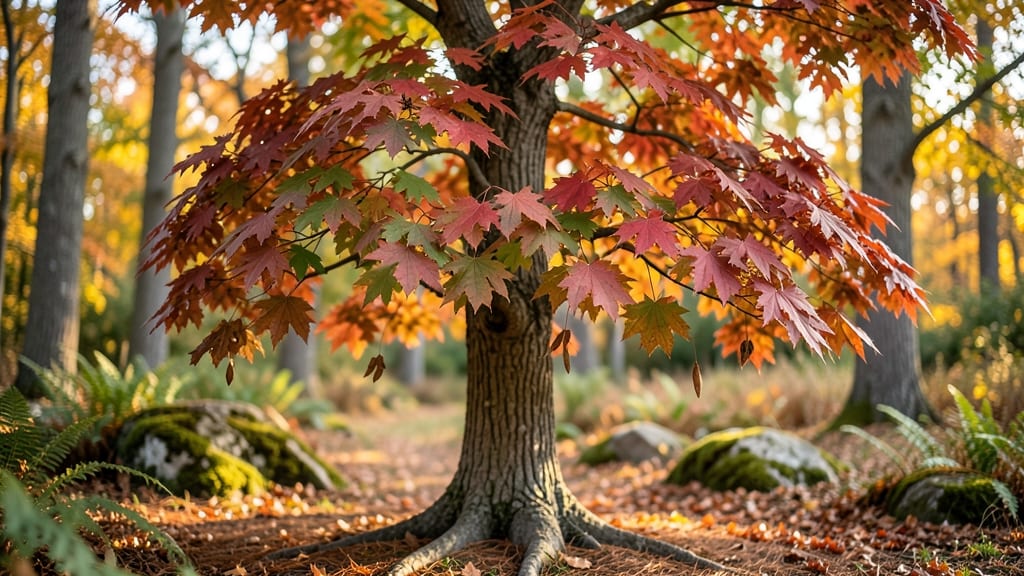
Your acer tree’s brown tips on the leaves are screaming for attention—before they turn into a full-blown crisis. 🌿 I’ve nursed back more than my share of stressed maples, and the fix almost always starts with the same three checks: water, light, and hidden pests lurking where you’d least expect them.
The good news? Maple leaves are tougher than they look. Brown tips usually mean one of three things: underwatering (or overwatering), a fungal infection hiding in the soil, or a pest like lace bugs feasting on the edges.
The first step is simple—just check the soil moisture and leaf undersides for clues. Most fixes take less than 30 minutes, and you’ll see improvement within a few weeks.
By the end of this, your maple’s canopy will be lush again—no more crispy edges, just vibrant green. We’ll tackle the most likely causes first, so you skip the guesswork. And yes, even Japanese maples (the divas of the acer world) respond well to these fixes.
Works for all maple types, whether you’ve got a towering Norway maple or a delicate bloodleaf. Let’s get those leaves healthy again—without losing your sanity over it.
Root Causes Of Leaf Discoloration
When your acer tree starts showing brown tips on its leaves, it’s rarely a single issue—it’s usually a mix of environmental stressors, pests, or poor care. Understanding the why behind the browning is the first step to fixing it.
Below, we break down the most common culprits, from overzealous watering to hidden pests, with clear explanations of how each factor damages your tree’s foliage.
Maples (acer trees) are tough, but they hate soggy roots. When soil stays too wet—whether from overwatering, compacted clay, or a lack of drainage—roots suffocate and struggle to absorb oxygen. This leads to:
- Root rot: Fungal infections (like Phytophthora) thrive in waterlogged soil, blocking nutrient uptake and causing leaves to brown at the edges.
- Nutrient starvation: Waterlogged roots can’t access phosphorus or potassium, essential for leaf health. Brown tips appear as a sign of starvation.
- Salt buildup: If your tap water is high in salts or minerals, overwatering concentrates them in the soil, burning root tips and stressing the tree.
🔍 How to spot it: Check the soil 2–3 inches down—if it’s damp after 48 hours, you’re overwatering. Also, look for yellowing leaves (chlorosis) paired with brown tips, a classic sign of root stress.
Extreme heat, cold snaps, or even windburn can dry out leaf edges, causing them to crisp and turn brown. Acer trees are adaptable, but they have limits:
- Heat stress: Prolonged temperatures above 90°F (32°C) cause leaf cells to lose moisture faster than roots can replace it. Brown tips form as a protective response to conserve water.
- Cold damage: Sudden freezes (especially below 20°F/-7°C) can rupture leaf cells, leading to brown, papery edges. Young trees or newly planted maples are most vulnerable.
- Windburn: Fast-moving air dries out leaf surfaces, creating dry, brown patches along the edges. This is common in exposed locations or after pruning.
🌡️ Pro tip: If browning happens in summer, mulch around the base to retain moisture. For winter damage, wrap young trees in burlap or use anti-desiccant sprays to lock in moisture.
Tiny invaders and pathogens can silently drain your acer tree’s vitality, leading to brown leaf tips as a secondary symptom. The most likely culprits:
- Aphids or spider mites: These sap-sucking pests weaken leaves by removing nutrients. Infested leaves may also develop a stippled appearance before browning.
- Scale insects: These armored pests clog pores on leaves and stems, reducing photosynthesis. Heavy infestations cause leaves to yellow, then brown at the edges.
- Fungal leaf spot: Diseases like Anthracnose create dark spots with brown margins. While spots are the primary symptom, severe cases can lead to widespread browning.
- Bacterial leaf scorch: This bacterial infection clogs a tree’s water-conducting vessels, causing leaf edges to brown and curl. It’s often mistaken for drought stress.
🔎 How to confirm: Inspect the undersides of leaves for webs (mites), sticky residue (aphids), or black sooty mold (a fungus fed by sap-sucking pests). For diseases, look for spots or a velvety growth on leaves.
Acer trees need a balanced diet of nitrogen, phosphorus, and potassium to maintain vibrant green leaves. When one or more of these nutrients are lacking, the tree prioritizes growth over leaf health, leading to browning:
| Deficiency | Symptoms | Fix It With |
|---|---|---|
| Nitrogen (N) | Overall yellowing (chlorosis) with brown tips on older leaves. | Slow-release organic fertilizer (e.g., compost or blood meal) in early spring. |
| Potassium (K) | Brown, crispy edges on younger leaves (unlike nitrogen, which affects older leaves first). | Wood ash or a balanced 10-10-10 fertilizer applied in late summer. |
| Magnesium (Mg) | Interveinal chlorosis (yellowing between veins) that progresses to brown tips. | Epsom salt (magnesium sulfate) sprayed on leaves or worked into the soil. |
| Iron (Fe) | Yellowing between veins (especially on new growth) with brown, brittle tips. | Chelated iron supplement or compost tea to improve soil microbial activity. |
💡 Soil test tip: If you’re unsure, send a soil sample to your local extension office for a pH and nutrient analysis. Many brown-tip issues stem from unbalanced soil chemistry!
Even well-meaning pruning or hail storms can trigger browning. Here’s how:
- Over-pruning: Cutting too much foliage (especially in late summer) reduces the tree’s ability to photosynthesize. New leaves may emerge with brown tips due to stress.
- Improper cuts: Jagged or torn edges from pruning tools expose the leaf to pathogens, leading to browning along the wound.
- Hail or mechanical damage: Physical trauma ruptures leaf cells, causing them to dry out and turn brown. This is common after storms.
✂️ Pruning best practice: Always use sharp, clean tools and make cuts just outside a bud or branch collar. Prune in early spring (before buds swell) to minimize stress.
Quick Fixes for Dying Maple Leaves
Brown tips on your acer tree’s leaves don’t have to mean permanent damage—with the right approach, you can revive your tree and prevent further stress. Below are targeted solutions based on the most common causes, along with prevention tips to keep your maple thriving.
Let’s get your tree back to its vibrant green glory!
If your acer tree’s roots are sitting in soggy soil, brown tips are a sign of root suffocation or fungal issues. Here’s how to fix it:
🔥 Step 1: Check the Soil Moisture
- Stick your finger 2-3 inches deep into the soil. If it feels damp or muddy, your tree is overwatered.
- Fix: Let the soil dry out before watering again. Acers prefer well-draining soil—never soggy.
🍳 Step 2: Improve Drainage
- If your tree is in a container, ensure the pot has drainage holes and use a mix of potting soil + perlite/sand (50/50 ratio).
- In-ground trees? Amend the soil with compost or coarse sand to loosen compacted areas.
👨🍳 Step 3: Adjust Your Watering Routine
- Water deeply but infrequently—acer trees hate "wet feet." Aim for 1-1.5 inches of water per week (including rain).
- Pro Tip: 💡 Water at the base, not overhead, to reduce fungal risks.
⏰ Prevention Tips
✔ Test your soil with a moisture meter to avoid guesswork. ✔ Mulch properly—keep mulch 2-3 inches deep but 6 inches away from the trunk to prevent rot.
Brown, crispy tips often mean thirsty leaves—especially in hot, dry weather. Here’s how to quench your acer’s thirst:
🔥 Step 1: Deep Watering Sessions
- Water slowly (over 15-20 minutes) to encourage deep root growth.
- Sign of success? Soil should be moist 6 inches down after watering.
🍳 Step 2: Mulch Like a Pro
- Spread 2-4 inches of organic mulch (wood chips, bark) around the base to retain moisture and regulate soil temp.
- Avoid piling mulch against the trunk—this can trap moisture and cause rot.
👨🍳 Step 3: Shade & Heat Relief
- If your tree is in full sun, consider light shade cloth (30-50% coverage) during peak afternoon heat.
- Mist leaves in extreme heat (but avoid wetting foliage at night to prevent fungus).
⏰ Prevention Tips
✔ Water early morning to reduce evaporation. ✔ Group plants to create a microclimate with higher humidity.
Brown, spotted, or yellowing tips could signal powdery mildew, anthracnose, or leaf spot. Here’s how to treat it:
🔥 Step 1: Prune Infected Leaves
- Cut off brown or spotted leaves with sterilized pruners (wipe with rubbing alcohol between cuts).
- Dispose of debris in the trash—not the compost—to stop the spread.
🍳 Step 2: Apply Fungicide
- Neem oil (1 tsp per quart of water + a drop of dish soap) is a natural fungicide. Spray every 7-10 days until new growth appears.
- For severe cases, use a copper-based fungicide (follow label instructions).
👨🍳 Step 3: Improve Airflow
- Thin out dense branches to allow sunlight and air circulation.
- Space trees 6-10 feet apart to prevent future outbreaks.
⏰ Prevention Tips
✔ Water at the base (avoid wetting leaves). ✔ Clean tools after pruning to prevent cross-contamination.
Yellowing or brown tips can mean your acer is hungry for nutrients. Here’s how to fix it:
🔥 Step 1: Soil Test First
- Grab a DIY soil test kit (or send a sample to a local extension office) to check pH and nutrient levels.
- Ideal pH for acers: 6.0–7.5 (slightly acidic to neutral).
🍳 Step 2: Fertilize Smartly
- For deficiency: Use a balanced fertilizer (10-10-10 or 20-20-20) in early spring.
- For iron/chlorosis (yellow leaves with green veins): Apply chelated iron or sulfur to lower pH.
- Avoid over-fertilizing—too much salt can burn roots!
👨🍳 Step 3: Organic Boost
- Compost or worm castings (1-2 inches mixed into the topsoil) provide slow-release nutrients.
- Fish emulsion or seaweed extract can give a quick potassium boost for drought resistance.
⏰ Prevention Tips
✔ Fertilize in early spring (when new growth starts). ✔ Avoid synthetic fertilizers if your soil is already nutrient-rich.
Salt spray, pollution, or winter burn can scorch acer leaves. Here’s how to protect it:
🔥 Step 1: Rinse Off Salt & Pollution
- Gently hose down leaves with lukewarm water to remove dust, salt, or chemical residue.
- Use a soft brush for stubborn buildup (like near roads or coastlines).
🍳 Step 2: Winterize Properly
- Mulch heavily (4-6 inches) before the first frost to insulate roots.
- Wrap young trees in burlap if your winters are extremely cold (below -10°F).
👨🍳 Step 3: Barrier Against Wind & Salt
- Plant near a windbreak (like a fence or hedge) to reduce windburn.
- Flush soil with fresh water after salty conditions (like after a winter de-icing).
⏰ Prevention Tips
✔ Choose salt-tolerant varieties (like Acer saccharinum ‘Forest Pansy’) if you’re near roads. ✔ Avoid fertilizing in late summer—it encourages tender new growth before winter.
Before calling it a day, run through this quick checklist to ensure your acer recovers: ✅ Pruned dead branches (but don’t overdo it—remove only 20-30% of foliage). ✅ Adjusted watering (deep but infrequent). ✅ Applied fungicide or fertilizer (if needed). ✅ Improved drainage or mulch (depending on the issue). ✅ Protected from future stress (shade, windbreaks, etc.).
🌿 Pro Tip: 🌱 Patience is key! Acers are resilient—with the right care, new growth should emerge in 4-6 weeks. Keep an eye on progress and adjust as needed!
Frequently asked questions about acer tree leaf tips turning brown
Why are the tips of my maple tree leaves turning brown first?
Brown tips on acer leaves usually start at the edges because that's where moisture and nutrients are least concentrated. This often signals drought stress, nutrient deficiencies (especially potassium), or environmental damage from wind or salt exposure. The tree prioritizes keeping the center of leaves alive while sacrificing the edges.
Is it safe to prune leaves with brown tips?
Yes, you can safely prune leaves with brown tips to improve your tree's appearance and health. Use sterilized pruners to remove only the affected leaves (never more than 20-30% of the canopy at once). This prevents over-stressing the tree while allowing new growth to emerge.
Could my acer tree have a fungal disease if the tips are brown?
Brown tips alone don't confirm a fungal disease, but if you also see dark spots, powdery white growth, or yellowing between veins, it could be anthracnose or powdery mildew. Check leaf undersides for webs or sticky residue (signs of pests that spread fungus). Neem oil or copper fungicide can help if confirmed.
How often should I water my acer tree to prevent brown tips?
Water your acer tree deeply but infrequently—about 1-1.5 inches per week (including rain). Let the top 2-3 inches of soil dry out between waterings. Overwatering is worse than underwatering for maples, as soggy roots lead to root rot and brown tips. Use a moisture meter for accuracy.
Will Epsom salt help my acer tree's brown leaf tips?
Epsom salt (magnesium sulfate) can help if your tree has magnesium deficiency, which causes yellowing between veins that progresses to brown tips. Mix 1 tablespoon per gallon of water and spray on leaves monthly during growing season. Test soil first—if pH is too high (>7.5), magnesium won't absorb properly.