
Pruning
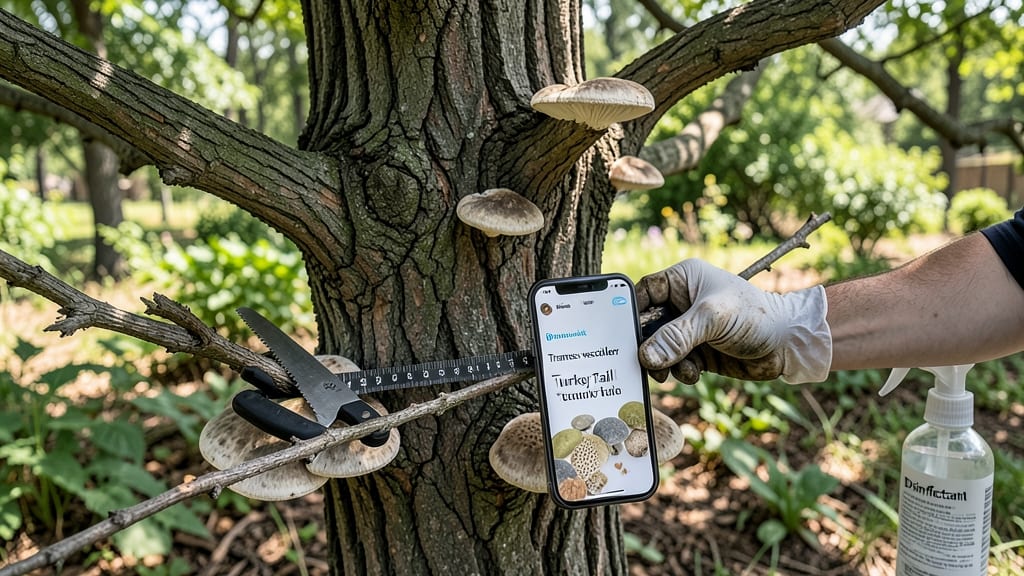
Those mushrooms sprouting from your elm tree aren’t just a weird sight—they’re a sign your tree’s trying to tell you something. 🌱 Most of the time, they’re harmless, but they can also signal stress, poor pruning, or deeper issues like root rot.
The key is figuring out what’s causing them and how to keep your tree thriving without doing more harm.
First, don’t panic and grab the pruners—some mushrooms are just nature’s way of breaking down dead wood. But if your tree looks weak, has oozing cankers, or the mushrooms keep coming back, it’s time to investigate.
Proper pruning (removing only dead or diseased branches) and improving drainage can make a huge difference. I’ve seen elm trees bounce back surprisingly fast once the right conditions are met.
You’ll want to focus on healthy growth by keeping the tree well-watered, mulched correctly, and free of competing weeds. If the mushrooms are on fresh cuts or appear after heavy rain, that’s your clue to adjust your care routine.
The goal isn’t just to remove the mushrooms—it’s to help your tree stay strong so it can outgrow the problem naturally.
When in doubt, call in a pro. Elm trees are sensitive, and mistakes can make things worse. A certified arborist can tell you whether those mushrooms are a red flag or just part of your tree’s quirky personality.
Either way, you’ll walk away with a plan to keep your elm tree looking its best for years to come.
📚 In This Guide
- What you need
- Instructions
- Tips and common mistakes
- Wrapping up and next steps
What you need
- ● Pruning shears: Sharp, bypass shears (for cuts up to ½ inch thick). Example: Felco F-2 or Corona Tools 5030S.
- ● Loppers: For branches ½ to 2 inches thick. Look for ratcheting or bypass styles (e.g., Fiskars X27).
- ● Pruning saw: A bow saw or folding pruning saw for thicker branches (3+ inches). Example: Bahco Laplander.
- ● Extension pole: A 3–6 ft telescoping pole with a saw or shears attachment for high branches (e.g., Concord 32003).
- ● Gloves: Heavy-duty, cut-resistant gloves (e.g., Mechanix Wear M1200). Pro tip: Wear them to avoid splinters or sap burns!
- ● Safety glasses: ANSI-rated for debris protection.
- ● Disinfectant: 70% isopropyl alcohol or a pruning sealant (e.g., Tanglefoot Tree Wound Pruning Seal) to prevent disease.
- ● Rubbing alcohol or bleach: For sterilizing tools between cuts (1 part bleach to 10 parts water).
- ● Trash bags or bucket: To collect debris (aim for 20–50 gallons, depending on tree size).
- ○ Ladder (optional): A stable, extendable ladder (e.g., Little Giant Magnum) if branches are >10 ft high. ⚠️ Safety first: Use stabilizers and never stand on the top rung!
- ○ Tree wound dressing (optional): Not recommended for large cuts, but a light coating of pruning paste (e.g., Orthex) can help small wounds heal faster.
- ● Timing: Prune during dormant season (late fall/winter) or early spring (before buds swell). Avoid pruning in summer heat or wet conditions.
- ● Weather: Choose a dry, calm day (no rain or wind for 24 hours post-pruning).
- ● Tree health check: Inspect for disease (e.g., Dutch elm disease) or pests before pruning. 💡 Pro tip: If your elm shows signs of decline, consult an arborist first!
- ● Local regulations: Check if your area requires a permit for large tree removals (common in urban zones).
Instructions for pruning elm trees to encourage healthy mushroom growth
Pruning isn't just about shaping—it's the key to keeping your elm tree strong and supporting beneficial mushroom growth.
🪴 Step 1: Identify the Right Time to Prune
Elm trees respond best to pruning during their dormant season, which is late winter or early spring before buds swell. This timing prevents stress on the tree and allows it to heal before summer heat arrives. Avoid pruning in fall—it invites disease and pests that thrive in cooler, wetter conditions.
Look for bare branches with no leaves or buds as your first clue. The ideal window is when daytime temperatures hover between 40-50°F. If you see mushrooms already growing on the tree, wait until after they've finished their cycle before pruning nearby branches.
✂️ Step 2: Use the Right Tools and Technique
Start with clean, sharp pruning tools: a pair of bypass pruners for small branches and a pruning saw for thicker limbs. Disinfect your tools with rubbing alcohol between cuts to prevent spreading disease. I always make my cuts at a 45-degree angle, just outside the branch collar—the thickened area where the branch meets the trunk.
Never leave stubs. A clean cut heals faster and reduces the risk of rot or fungal infections. For larger branches, make a third cut to avoid tearing the bark. Watch for dead or diseased wood—it's often darker, brittle, or covered in mushrooms or mold. Remove these first to improve airflow and light penetration.
☀️ Step 3: Focus on Airflow and Light Exposure
Elm trees grow best with good airflow and sunlight reaching the inner canopy. Start by removing any branches that cross or rub against each other—these create wounds that can harbor mushrooms and pests. Thin out the canopy by removing about 20-30% of the smallest branches first, working your way up to larger limbs.
Look for branches growing straight upward—these compete with the main trunk and should be pruned back to a lateral branch. You'll see healthier growth when sunlight reaches the lower branches. This not only strengthens the tree but also creates ideal conditions for beneficial mushrooms to thrive in the improved microclimate.
🌿 Step 4: Monitor and Maintain Year-Round
After pruning, keep an eye on the tree for new growth and any signs of stress. Water deeply during dry spells to help the tree recover, but avoid overwatering—elm trees prefer well-drained soil. In late summer, do a quick check for any new mushroom growth and remove any that appear on pruning wounds.
I like to mark the pruning date on my calendar and schedule a light check every 3-4 months. This helps me catch any issues early. Healthy elm trees will show new leaves along the branches you pruned, and you'll notice mushrooms appearing in more diverse and vibrant spots as the tree's overall health improves.
Tips & tricks for perfect elm tree pruning
Real talk: Pruning your elm tree isn't just about aesthetics—it's the secret to unlocking that thriving mushroom ecosystem. Here's what nobody tells you—
Timing Secret: The 40-50°F window isn't just a suggestion—it's when your tree's natural defenses are strongest. I learned this the hard way after pruning in late fall and watching my tree struggle with fungal infections. That's when those pesky mushrooms you want to encourage can turn into the bad kind. Mark your calendar for early March when daytime temps consistently hit that sweet spot.
Tool Technique: That 45-degree angle cut isn't arbitrary—it's about directing water away from the wound. I always test my pruners on a scrap branch first to ensure they're sharp enough to make clean cuts. Dull tools crush wood fibers, creating perfect entry points for disease. For larger branches, remember the three-cut method: undercut, then cut from above, and finally remove the branch. This prevents bark tearing that can trap moisture and invite mushrooms you don't want.
Airflow Strategy: The 20-30% thinning rule might seem drastic, but it's what creates that perfect microclimate for beneficial mushrooms. Focus on removing branches that are growing inward or upward—these are the ones stealing sunlight and air from your tree's interior. I like to think of it as creating a forest floor effect in your canopy. After pruning, you'll notice sunlight reaching areas that were previously in shadow, and that's when you'll start seeing those coveted mushrooms appear.
Monitoring Hack: Those 3-4 month check-ins are your early warning system. I keep a small notebook by my tree where I jot down any changes—new growth, unusual mushrooms, or signs of stress. This helps me track patterns over time. If you notice mushrooms appearing consistently on certain branches, that's your tree telling you it's happy and healthy in those spots.
Pro Tips for Elm Tree Mushrooms
- Real talk: Pruning your elm tree isn't just about aesthetics—it's the secret to unlocking that thriving mushroom ecosystem.
- Timing Secret: The 40-50°F window isn't just a suggestion—it's when your tree's natural defenses are strongest.
- Tool Technique: That 45-degree angle cut isn't arbitrary—it's about directing water away from the wound.
Frequently asked questions
Got questions about growing elm tree mushrooms? You’re not alone!
Here are some common concerns—and the answers you need to keep your tree thriving.
When is the best time to prune elm trees for mushroom growth?
The ideal time to prune is late winter or early spring (just before new growth starts) or mid-summer after the first flush of mushrooms. Avoid pruning in fall or winter, as cold stress can weaken the tree. Pro tip: If you're cultivating mushrooms, prune branches 6–12 inches from the trunk to encourage dense, fertile wood.
Can pruning harm my elm tree if I do it wrong?
Yes—over-pruning or cutting at the wrong time can stress the tree, making it vulnerable to disease or pests. Never remove more than 25% of the canopy in one season, and avoid cutting into old, hardened wood. Always use clean, sharp tools to prevent damage. Pro tip: If you’re unsure, consult a local arborist!
How do I know if my elm tree is a good host for mushrooms?
Elm trees (especially Ulmus americana or slippery elm) are excellent hosts for oyster, shiitake, and reishi mushrooms due to their dense, decay-resistant wood. Look for healthy, mature branches (2+ inches thick) with signs of soft rot or sapwood exposure—ideal spots for spawn insertion.
What’s the fastest way to revive a pruned elm tree?
After pruning, apply a balanced fertilizer (like 10-10-10) in early spring to boost recovery. Water deeply but avoid soggy soil, and mulch around the base (3–4 inches deep) to retain moisture. Pro tip: Prune during dry weather to reduce fungal risks, and monitor for new shoots within 4–6 weeks.
Are there alternatives to elm trees for growing mushrooms?
Other great hosts include oak, beech, and hardwood stumps. For indoor/outdoor growers, consider sawdust blocks or logs from fruit trees (like apple or cherry). Just ensure the wood is fresh (cut within 6 months) and has the right moisture content (50–60%).
Wrapping up and next steps
Growing elm tree mushrooms year-round isn’t just possible—it’s a rewarding way to boost your tree’s health and productivity! By mastering pruning techniques, you’ll ensure strong growth, better air circulation, and even a bountiful harvest of edible or medicinal fungi.
Whether you’re a seasoned gardener or just starting out, these secrets will help you nurture your elm tree like a pro.
Ready to take the next step? Start small—pick one pruning session to practice, then expand your skills. Before you know it, your elm tree will be thriving, and you’ll be the envy of the neighborhood! 🌿✨ Happy pruning!