
Pruning
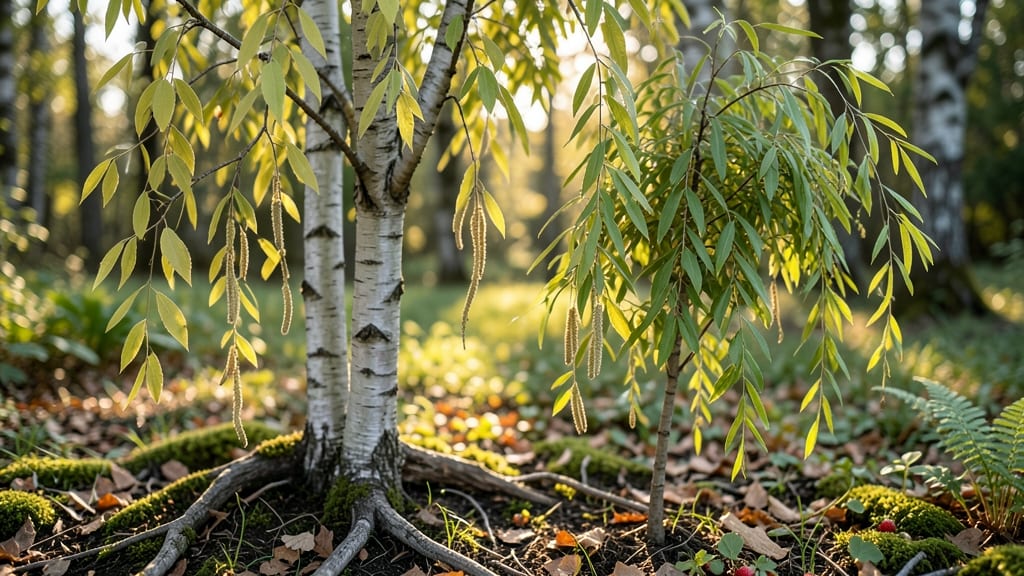
Choosing between a dappled willow tree and shrub comes down to one question: Do you want a grand statement or a refined accent? 🌿 The tree version reaches for the sky with its graceful, arching branches, while the shrub stays compact, offering the same delicate foliage in a more manageable package.
Both share that signature weeping habit and soft, silver-green leaves—but their roles in your garden couldn’t be more different.
The tree form soars to 15-25 feet, perfect for anchoring a lawn or framing a view, while the shrub stays 3-6 feet tall, ideal for hedges, borders, or small-space landscaping.
Pruning needs shift too: the tree requires occasional structural trimming, while the shrub thrives with regular shaping to maintain its tidy form. Seasonal interest is similar—both burst with fresh spring growth and golden hues in fall—but the tree’s height makes it a year-round focal point.
Imagine the tree’s cascading branches spilling over a patio, or the shrub’s neat silhouette lining a walkway. Both bring texture and movement, but the tree delivers drama, while the shrub offers precision. For small gardens, the shrub is the clear winner; for bold statements, the tree can’t be beat.
The choice hinges on whether you want to frame a scene or become part of it.
Here’s the kicker: both forms play well with others. Pair the tree with perennials that love dappled shade, or use the shrub to create a living screen with boxwood or hydrangeas. Either way, you’re getting that signature willow elegance—just scaled to your space. Which will fit your vision better?
The first product explained
Meet the Dappled Willow Tree "Whispering Willow"—a stunning, low-maintenance option for gardeners who love dramatic yet delicate foliage! 🌿✨ This fast-growing, weeping cultivar is perfect for adding a touch of elegance to ponds, water features, or as a standalone specimen.
Whether you're a beginner or a seasoned gardener, this beauty brings effortless charm to any landscape.
📏 Specs & Dimensions
This dappled willow tree typically matures between 15–25 feet tall and 10–15 feet wide, with its iconic cascading branches creating a graceful, umbrella-like silhouette. Its pendulous growth habit makes it a standout in both formal and naturalistic gardens.
🌱 Key Features
- Fast Growth: Can grow 3–5 feet per year under ideal conditions, making it a quick way to add height and texture to your yard.
- Dappled Foliage: Golden-yellow leaves with a variegated, mottled pattern that shimmers in sunlight.
- Cold Hardy: Thrives in USDA Zones 4–9, tolerating temperatures as low as -30°F.
- Low-Maintenance: Drought-tolerant once established, with minimal pest issues.
- Versatile Planting: Ideal for moist soil (pond edges, bog gardens) but adapts to well-drained areas too.
🎯 Target Users
This willow is a dream for:
- 🏡 Homeowners looking to add a statement piece to their landscape.
- 🌊 Pond and water feature owners who want natural screening and shade.
- 🎨 Landscape designers seeking textural contrast in mixed borders.
- 🌿 Eco-conscious gardeners who love native-friendly plants.
💰 Price Point
Pricing varies by size and retailer, but you can expect to invest:
- 1-Gallon Container: $45–$75
- 5-Gallon Container (3–4 ft tall): $120–$200
- 15-Gallon Container (6–8 ft tall): $300–$500+
Pro Tip: 💡 Buy from specialty nurseries or online plant shops for healthier, larger specimens at competitive prices!
The second product explained
Meet the Dappled Willow Shrub (Salix caprea 'Pendula')—a stunning, compact alternative to the towering willow tree that brings all the charm without the space commitment! 🌿✨ This versatile shrub is perfect for gardeners who love the willow’s elegant, cascading branches but need a more manageable size.
Let’s dive into what makes this beauty a standout choice.
🌱 Key Specs & Features
- Height: 6–10 feet (mature), but often pruned to 4–6 feet for a bushier look.
- Spread: 4–8 feet wide, making it ideal for small yards or container gardening.
- Growth Rate: Moderate (1–2 feet per year), so it won’t overwhelm your space overnight.
- Foliage: Delicate, weeping branches with soft, fuzzy catkins in early spring, followed by lush green leaves.
- Hardiness: Thrives in USDA Zones 3–7, handling cold winters and partial shade.
- Soil Tolerance: Adaptable—grows in moist, well-drained soil but tolerates clay or sandy mixes.
🎯 Who’s It For?
This shrub is a dream for:
- Urban gardeners with limited space who crave a willow’s elegance.
- Landscapers designing layered gardens, borders, or privacy screens.
- DIYers who want a low-maintenance plant with dramatic texture and seasonal interest.
- Pet owners—non-toxic to cats and dogs (always double-check with your vet!).
💰 Price Point & Value
The Dappled Willow Shrub typically costs $35–$75 per plant, depending on size and retailer. Here’s why it’s worth the investment:
- Cost-effective: One shrub replaces the need for multiple smaller plants.
- Multi-season appeal: Spring blooms, summer foliage, and autumn color keep it eye-catching year-round.
- Pruning-friendly: Easily shaped into a standard shrub, hedge, or even a miniature tree with a single trunk.
Pro Tip: 💡 Pair it with complementary shrubs like hydrangeas or boxwoods for a layered, professional look. For best results, plant in early spring or fall and water deeply during the first growing season!
Head-to-head comparison
Deciding between a dappled willow tree and a shrub can feel like choosing between a towering skyscraper and a cozy cottage—both stunning in their own way, but with very different lifestyles! 🌳✨ To help you pick the perfect fit for your garden, let’s break down their key differences in a side-by-side comparison across five critical dimensions.
Whether you’re dreaming of a dramatic focal point or a low-maintenance border, this breakdown will guide your choice.
The most obvious distinction between a dappled willow tree and a shrub lies in their structure and growth patterns. Here’s how they stack up:
| Feature | Dappled Willow Tree | Shrub |
|---|---|---|
| Height | 🌿 15–30 feet tall (some varieties can reach 40+ feet!). Fast-growing with a single, dominant trunk. | 🌱 3–10 feet tall. Typically multi-stemmed with a bushy, rounded form. |
| Width | 📏 10–20 feet wide at maturity, with a broad, weeping canopy. | 📏 3–12 feet wide, depending on the variety. More compact and controlled. |
| Canopy Style | ✨ Weeping or cascading branches with long, graceful stems. Creates a dappled shade effect as sunlight filters through. | 🌿 Dense, rounded, or upright foliage. Some shrubs (like hydrangeas) have layered branches, but none have the dramatic "waterfall" look. |
| Growth Rate | 🚀 Rapid grower (1–3 feet per year). Can outpace expectations if unpruned! | 🐢 Moderate to slow (6 inches–2 feet per year). More predictable and easier to manage. |
| Pruning Needs | ✂️ High-maintenance. Requires regular pruning to control size, shape, and prevent weak branches. Best pruned in late winter or early spring. | ✂️ Low to moderate. Most shrubs tolerate pruning well but don’t need it as frequently. Shape pruning is often done in spring or after flowering. |
💡 Pro Tip: If you love the dappled light effect of a willow tree but want a smaller version, consider a dwarf willow shrub like Salix purpurea (purple willow), which stays under 6 feet tall while keeping the willow’s signature charm!
Your choice here depends on whether you want to make a statement or blend seamlessly into your garden’s design.
-
Dappled Willow Tree: 🌟 The star of the show! Its weeping branches and delicate foliage create a whimsical, almost fairy-tale vibe. Perfect for:
- 🏡 Focal points near ponds, patios, or entryways.
- 🌊 Water features (willows thrive near moisture!).
- 🎨 Artistic gardens where texture and movement matter.
-
Shrub: 🌸 More versatile and low-key. Shrubs excel in:
- 🌿 Hedges and borders (e.g., boxwood, privet).
- 🌸 Foundation plantings (e.g., hydrangeas, azaleas).
- 🌳 Layered landscaping for depth and color.
🎯 Design Hack: Pair a small dappled willow tree (like Salix caprea) with compact shrubs (e.g., Ilex crenata) for a balanced yet dynamic look. The willow’s height adds drama, while the shrubs provide structure.
Budget and upkeep are key factors—especially if you’re a busy gardener or working with limited space.
| Factor | Dappled Willow Tree | Shrub |
|---|---|---|
| Initial Cost | $50–$200+ | $10–$100 (varies widely by type). |
| Planting Difficulty | 🌱 Moderate. Needs well-drained soil and space to grow. Best planted in early spring or fall. | 🌱 Easy. Most shrubs adapt to various soils and can be planted year-round (except winter). |
| Watering Needs | 💦 High. Young trees need 1–2 inches of water per week. Mature trees are drought-tolerant but benefit from occasional deep watering. | 💧 Moderate. Most shrubs need 1 inch of water per week, but some (like lavender) are drought-resistant. |
| Fertilizer Needs | 🌿 Low to moderate. Willows grow in poor soil but thrive with balanced fertilizer in spring. | 🌿 Varies. Some shrubs (e.g., azaleas) need acidic soil and regular feeding, while others (e.g., junipers) are low-maintenance. |
| Long-Term Costs | 💸 Higher due to pruning, potential pest control, and possible replacement if overgrown. | 💸 Lower. Most shrubs are permanent fixtures with minimal ongoing costs. |
💡 Money-Saving Tip: If you’re on a budget, opt for a young dappled willow tree (under 5 feet) or propagate shrubs from cuttings to save on nursery costs!
Not all plants thrive in
Which one should you choose?
So, you’re standing in the nursery or scrolling through plant catalogs, torn between a dappled willow tree and a shrub—both with that dreamy, cascading charm? No judgment! The right choice depends on your space, goals, and patience level. Let’s break it down to help you decide with confidence. 🌿✨
🌳 Pick the Tree If...
- You want drama and height: Dappled willows grow fast (up to 3–5 feet per year!) and can reach 15–25 feet tall. Perfect for making a bold statement in larger yards, near ponds, or as a privacy screen. 🌊
- You love weeping branches: Their graceful, arching limbs create a dappled light effect—ideal for shading patios or adding whimsy to gardens. Think "fairytale vibes."
- You’re okay with maintenance: Pruning young trees annually keeps them manageable, but mature willows need regular trimming to control sprawl. 🔪
- You’re near water: Their roots thrive in moist soil, making them a great choice for rain gardens or pond edges.
🌿 Pick the Shrub If...
- Space is limited: Dwarf varieties (like Salix caprea ‘Pendula’) stay compact (6–10 feet tall), fitting cozy courtyards or small urban gardens. 🏡
- You prefer low-maintenance beauty: Shrubs require less aggressive pruning than trees—just shape them occasionally to keep their natural form.
- You want versatility: Shrubs work in containers, hedges, or mixed borders. Great for adding texture to flower beds without overwhelming the space.
- You’re a beginner gardener: Their slower growth means fewer urgent pruning tasks, but they still deliver that willow charm!
💡 Pro Tip for Both:
If you’re still unsure, start with a dwarf willow shrub—it’s the best of both worlds! You’ll get the willow’s signature look with minimal upkeep. For larger spaces, consider grafting a willow tree onto a shrub base (yes, it’s a thing!) to control its size over time. 🌱
Final thought: There’s no wrong choice—just what fits your vision (and your pruners!). Whether you’re chasing height, texture, or ease, both options bring magic to your outdoor space. Now go forth and grow! 🌟